Ah, the familiar flicker of the CRT and the satisfying clunk of a VHS tape slotting into the VCR. While Hollywood blockbusters dominated many rental shelves in the late 90s, sometimes you’d stumble upon something different, something animated, carrying the promise of intricate plots and stylish action from Japan. For fans venturing into anime beyond the usual suspects, finding a feature-length mystery like Case Closed: The Fourteenth Target (1998) felt like uncovering a hidden gem, a thrilling departure packed into a single cassette. This wasn't just another cartoon; it was a full-blown cinematic whodunit, proving that animation could deliver suspense and intrigue with the best of them.
Deal Me In: A Deadly Game of Numbers
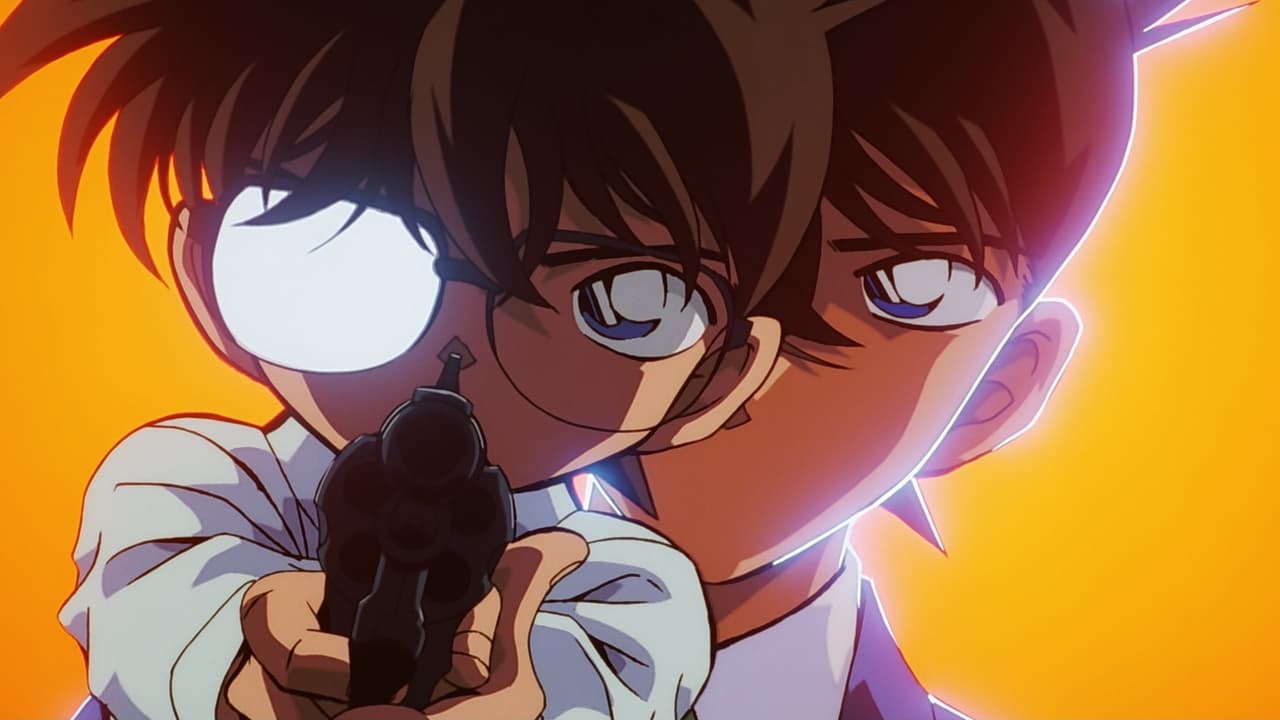
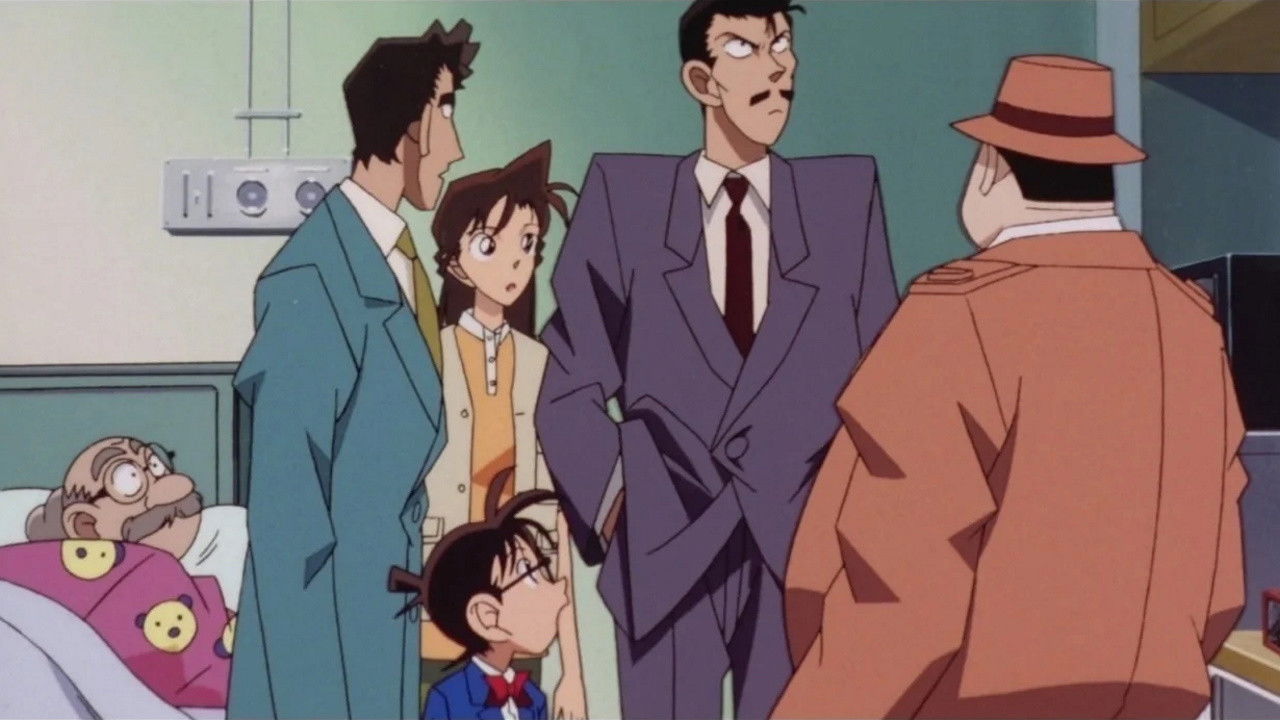
Right from the get-go, The Fourteenth Target, the second theatrical outing for the phenomenally popular Detective Conan franchise, grabs you with a killer hook – pun intended. Someone is systematically attacking individuals connected to the often-inept but occasionally brilliant private eye, Kogoro Mouri (Akira Kamiya, a voice acting legend also known for roles like Kenshiro in Fist of the North Star). The attacks follow a chilling pattern, seemingly linked to playing card numbers found in the victims' names or associations, starting from the King and working downwards. It’s a classic serial mystery setup, reminiscent of Agatha Christie's The A.B.C. Murders, immediately signaling that we're in for a carefully plotted puzzle. And who better to solve it than the pint-sized genius detective, Conan Edogawa (Minami Takayama, perfectly capturing the intellect and frustration of a teen trapped in a kid's body), secretly the teenage sleuth Shinichi Kudo, alongside the ever-resourceful Ran Mouri (Wakana Yamazaki)?
Directed by Kenji Kodama, who helmed many of the early, foundational Detective Conan episodes and the first six films, The Fourteenth Target feels like a supercharged episode of the TV series, but with notably higher stakes and a more cinematic scope. The animation, while distinctly '90s anime' in its style – those sharp character designs, the particular way hair is drawn – holds up remarkably well for its time. It possesses a clean, effective look that serves the storytelling without unnecessary flash, allowing the mystery and characters to take center stage. There's a palpable sense of escalating dread as the unseen assailant works their way down the numerical sequence, putting everyone Conan cares about in the crosshairs.
More Than Just Child's Play
What always struck me about the Detective Conan films, especially these earlier entries, was their ability to balance genuine peril with the inherent charm (and limitations) of Conan’s predicament. We get thrilling action sequences – a frantic chase involving a motorcycle, a tense underwater climax – that feel bigger and bolder than the weekly TV mysteries. Yet, the core appeal remains Conan’s brilliant deductions, piecing together seemingly disparate clues while trying to maintain his elementary school facade. Minami Takayama’s voice work is crucial here, conveying Shinichi’s sharp intellect and dry wit through Conan’s childlike voice, a performance that has become inseparable from the character. Similarly, Wakana Yamazaki brings strength and vulnerability to Ran, who finds herself directly endangered, while Akira Kamiya masterfully delivers Kogoro’s blend of buffoonery and surprising moments of competence (and surprising backstory relevance in this particular film).
The screenplay by Kazunari Kouchi, who penned several of the early and well-regarded Conan films, crafts a satisfyingly complex web of suspects and motives. Everyone seems to have a secret, a past connection to Kogoro that could make them either a target or the perpetrator. It’s the kind of mystery that invites you to play along, to scan the background details and conversations for hints. I remember pausing the tape, trying to work out the number connections myself – a testament to how engaging the central puzzle is.
Retro Fun Facts: Cracking the Case Files
Behind the scenes, The Fourteenth Target was a significant success, pulling in around ¥1.85 billion at the Japanese box office (roughly $15 million USD back then, a solid number for an anime film). This success helped solidify the Detective Conan movies as an annual cinematic event in Japan, a tradition that continues to this day with staggering box office results for recent entries. It’s fascinating to look back at these earlier films and see the foundation being laid for such enduring popularity. The film cleverly uses its central playing card motif not just for the killer's signature, but also weaving it into the names and backgrounds of the potential victims tied to Kogoro – a neat bit of plotting requiring careful attention from the viewer. It’s also worth noting that these early films often delved a bit more into the supporting cast's past, adding layers that enriched the ongoing series narrative.
The Verdict: Still Sharp After All These Years
Case Closed: The Fourteenth Target might look visually dated compared to today's slick digital anime productions, but its charm and cleverness are timeless. It delivers exactly what you want from a Detective Conan adventure: a compelling mystery with twists and turns, engaging character moments, exciting action set pieces, and that signature blend of lightheartedness and genuine suspense. It showcases the strengths of the franchise on a larger canvas, proving that Conan’s appeal translates perfectly to the big screen. For fans of 90s anime, intricate mysteries, or just those nostalgic for a time when discovering a great anime film felt like uncovering a special secret, this one remains a highly enjoyable watch.
Rating: 8/10 - This score reflects a truly well-constructed mystery plot that keeps you guessing, strong voice performances that define the characters, and a notable step-up in scale and action for the franchise at the time. It perfectly captures the essence of Detective Conan while delivering a satisfying cinematic experience, overcoming slightly dated animation with sheer storytelling craft.
It’s a sharp, engaging slice of 90s anime history, a reminder that sometimes the biggest thrills came in deceptively small packages – just like Conan himself. Now, where did I put my magnifying glass...?