The static hiss of the VCR fades, replaced by the low thrum of a city simmering on the edge. The tracking lines flicker across the screen, a familiar dance from countless late nights bathed in cathode ray glow. Then, the title card: The Exterminator. This wasn't just another action flick pulled from the dusty shelves of the local video store; this felt different. Uglier. Meaner. It carried the grime of early 80s New York City in its very celluloid, a film less concerned with heroism than with the brutal mechanics of revenge.
Urban Decay, Personal Hell
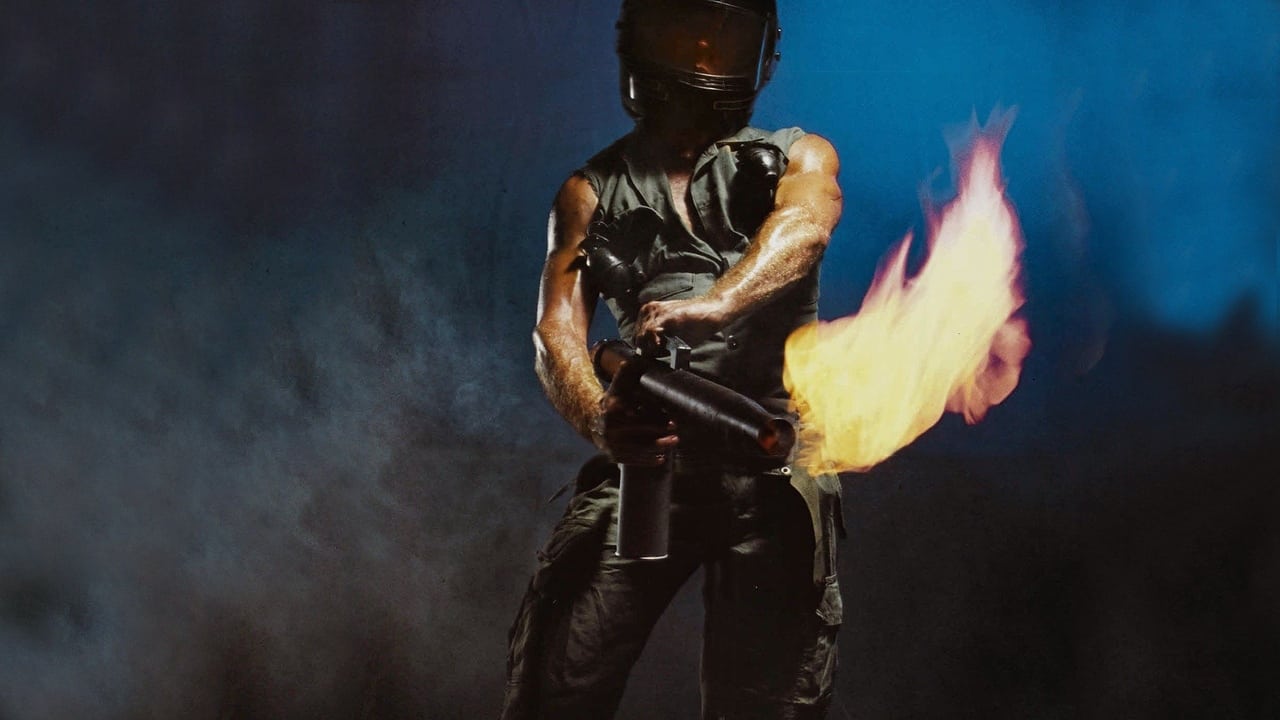
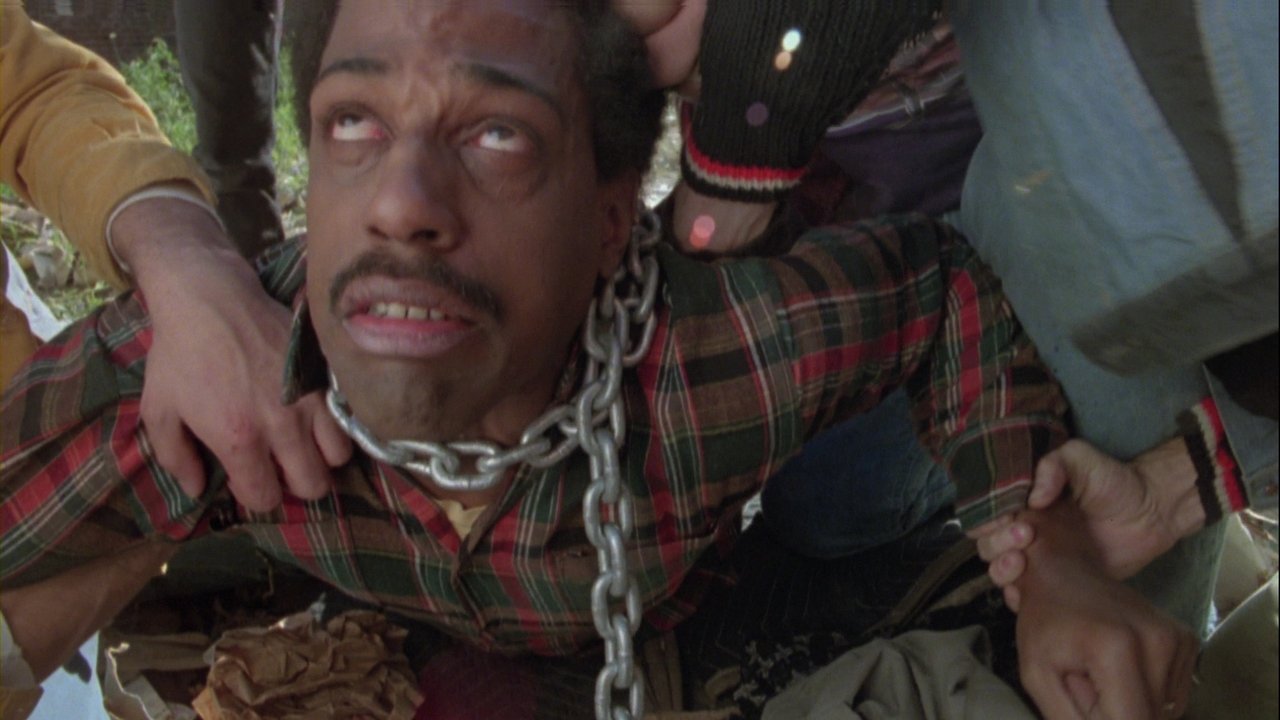
Forget the slick, quipping action heroes that would dominate the decade later. The Exterminator (1980) throws us headfirst into the muck with John Eastland (Robert Ginty), a Vietnam vet whose quiet life unravels horrifically when his best friend and fellow soldier, Michael Jefferson (Steve James in an early, impactful role), is savagely attacked by a street gang, leaving him paralyzed. The cops are indifferent, the city seems diseased, and something inside Eastland snaps. There's no tortured grappling with morality here, no lengthy descent. The switch flips, and the war veteran becomes an urban predator.
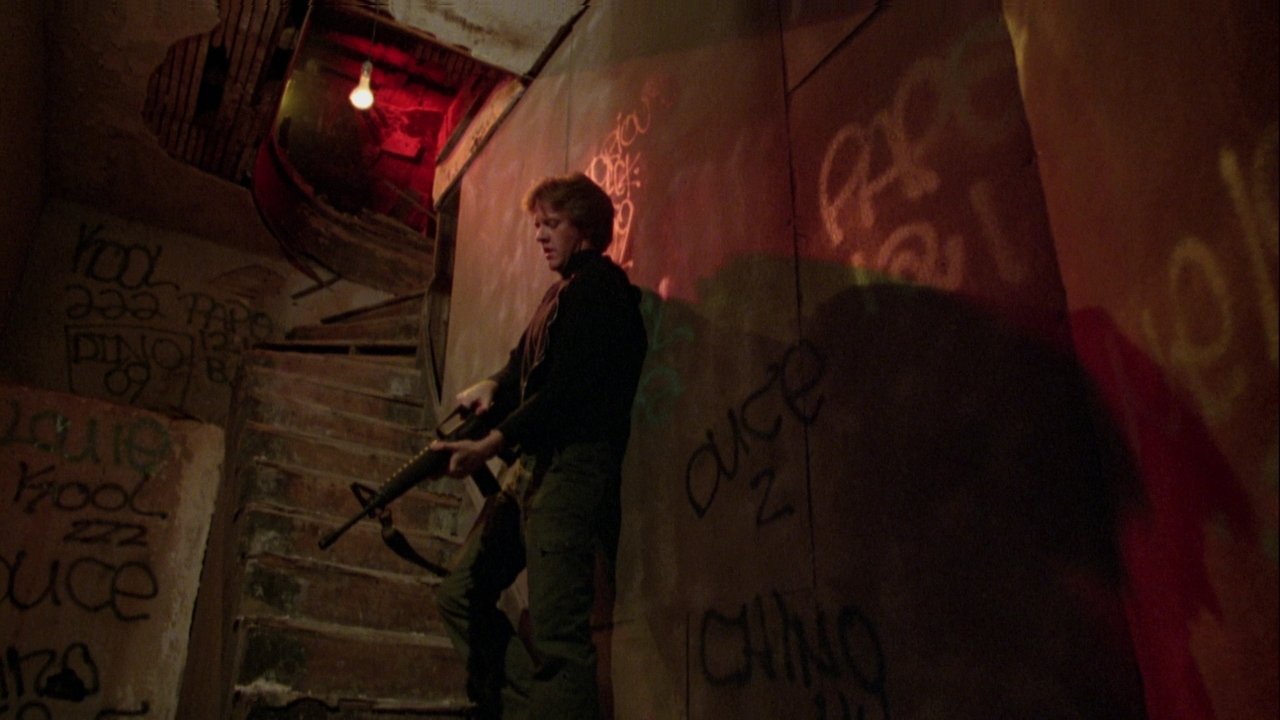
Director James Glickenhaus, who also penned the script, doesn't shy away from the grim reality of the era's urban landscape. Shot on location in a pre-gentrified New York City – the Bronx, Times Square – the film captures a palpable sense of decay and danger. These aren't stylized sets; they feel like genuine, threatening places where violence could erupt at any moment. This authenticity lends the film a raw power that elevates it above mere exploitation, grounding Eastland's brutal crusade in a world that feels disturbingly real. Glickenhaus, who would later give us the slicker The Soldier (1982), here delivers something far more visceral and unsettling.
Crude Tools, Brutal Justice
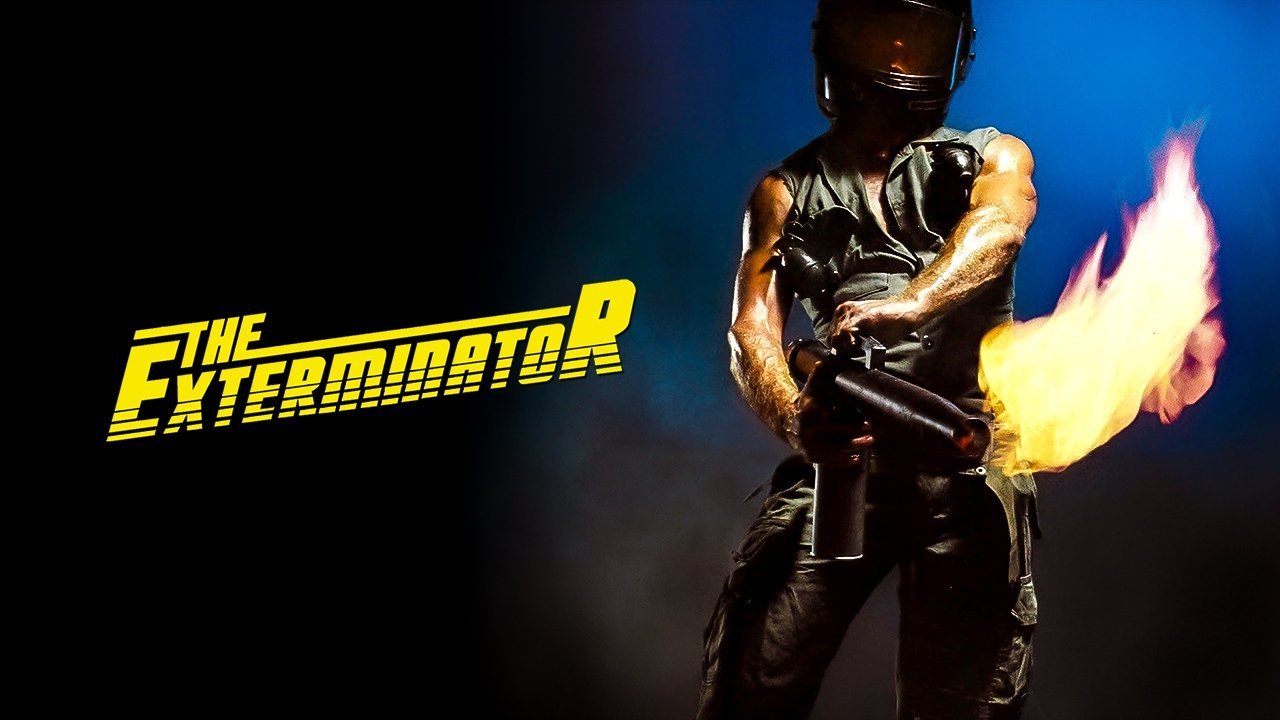
What truly set The Exterminator apart, etching it into the memory of many a VHS hound, was its unflinching, often shocking violence. Eastland isn't pulling punches; he's employing methods that feel genuinely cruel. The infamous scene involving a meat grinder, often heavily censored, is just one example. And then there's the flamethrower. It’s not used with pyrotechnic glee, but as a terrifyingly blunt instrument of destruction. It’s this very crudeness, this lack of polish, that makes the violence land with such uncomfortable weight.
Much of the visceral impact, particularly in the uncut versions whispered about in hushed tones back in the day, was thanks to the legendary Stan Winston. Yes, that Stan Winston, years before The Terminator (1984) or Jurassic Park (1993). His practical gore effects were reportedly so graphic that the film faced significant battles with the MPAA, leading to trims that sometimes rendered the violence abrupt or slightly incoherent in certain prints. Finding a version that restored even glimpses of Winston's original work felt like uncovering forbidden knowledge. Despite its relatively modest $5 million budget, the film’s shocking content and grim atmosphere struck a nerve, ultimately grossing a surprising $35 million worldwide, proving there was a hungry audience for this kind of dark, vengeful fantasy.
An Unlikely Anti-Hero
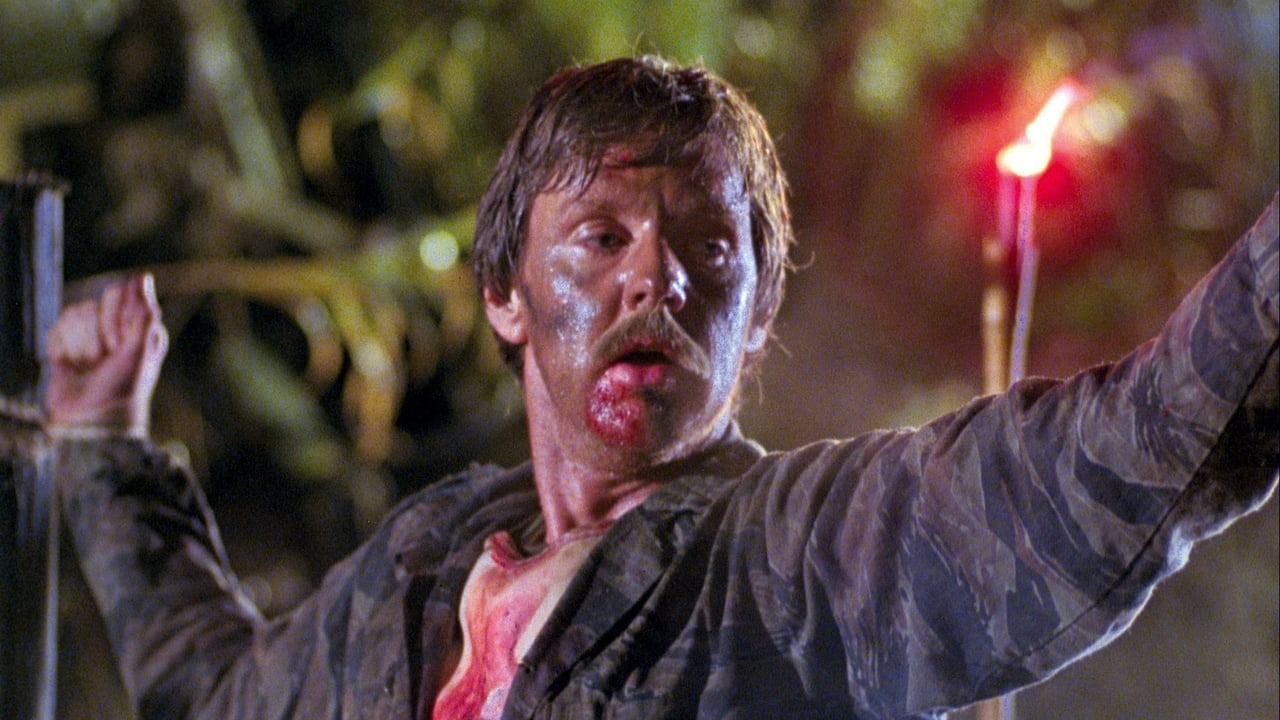
Robert Ginty is key to the film's peculiar power. He's not your typical chiselled action star. With his unassuming looks and quiet intensity, he feels more like an everyman pushed past the breaking point. There’s a haunted quality to his performance, a sense that the violence he inflicts is less about satisfaction and more about a grim, mechanical necessity. He rarely speaks, letting his actions – brutal and definitive – do the talking. This stark portrayal, devoid of heroic posturing, makes Eastland a chillingly effective, if deeply uncomfortable, protagonist. Supporting turns from veterans Christopher George (Grizzly (1976)) as the dogged detective hunting the vigilante and Samantha Eggar (The Brood (1979)) as a doctor add a touch of gravitas, grounding the mayhem slightly.
Legacy of Grime
The Exterminator isn't a sophisticated film. The plot is thin, essentially a series of violent set pieces strung together. Some dialogue clunks, and the pacing can drag between the bursts of brutality. Yet, it possesses a raw, undeniable energy. It tapped into the anxieties of its time – rising crime rates, urban decay, a feeling of helplessness – and presented a dark, cathartic, and deeply problematic solution. It stands as a grimy, potent artifact of the vigilante genre, far rougher around the edges than its contemporary Death Wish (1974) and lacking the eventual cartoonishness of that franchise or even its own inferior sequel, Exterminator 2 (1984).
Did the notorious violence genuinely shock you back then, cutting through the usual action fare? Doesn't Ginty's understated menace still feel uniquely unsettling compared to the muscle-bound heroes to come? For me, renting this tape felt like handling something genuinely transgressive, a dispatch from the dark heart of the city.
***
VHS Heaven Rating: 6/10
Justification: The Exterminator earns its score through sheer, unadulterated grit and atmospheric dread. Its unflinching (and often controversial) violence, effective use of gritty NYC locations, and Robert Ginty's chillingly understated performance make it a standout piece of early 80s exploitation. However, it's undeniably crude, hampered by pacing issues, a bare-bones plot, and sometimes clunky execution. It's not "good" in the traditional sense, but it's undeniably powerful and memorable for its raw, unpleasant force.
Final Thought: More a force of nature than a narrative film, The Exterminator remains a fascinatingly ugly snapshot of urban anxiety and vigilante fantasy, a cult classic whose grime still sticks long after the tape stops rolling.