Alright, fellow tapeheads, slide that worn cassette into the VCR, maybe give the tracking a little nudge, because tonight we're rewinding back to a jungle prison camp that felt sweatier and nastier than a swamp cooler on its last legs. I'm talking about Missing in Action 2: The Beginning (1985), the film that paradoxically showed us the start of Colonel James Braddock's ordeal after we'd already seen him go back for revenge in the original. Yeah, wrap your head around that one for a second.
### Before the Rescue, There Was Hell
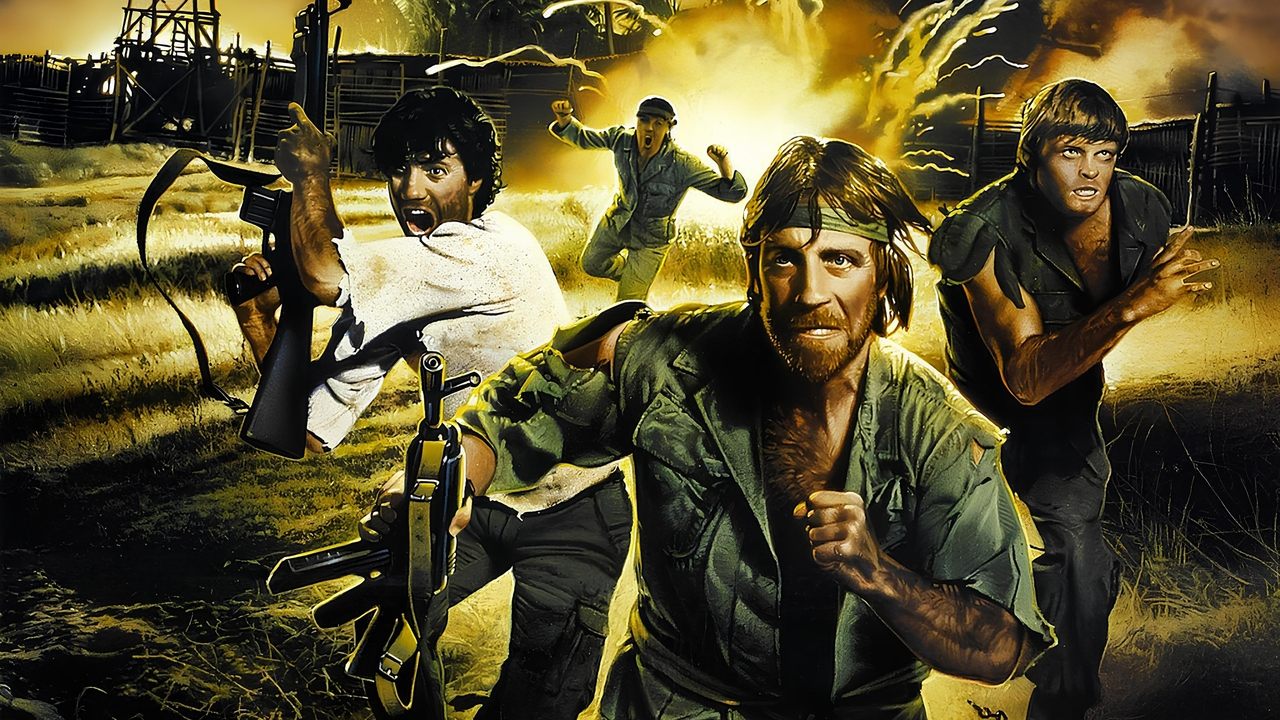
This wasn't your typical sequel cash-grab, at least not in the usual sense. This movie, directed by Lance Hool, actually tells the story hinted at in the first film: Braddock's capture during the Vietnam War and his harrowing time in a brutal POW camp. It’s a strange beast – originally shot before the film we know as the first Missing in Action, the powers-that-be at Cannon Films, those glorious purveyors of 80s action cheese and grit (Menahem Golan and Yoram Globus), decided the rescue mission film (directed by Joseph Zito, who helmed Friday the 13th: The Final Chapter) was more commercial. So, they shelved this grimmer origin story and released it later as a prequel. Knowing this actually adds a layer of appreciation – this raw, nasty depiction was meant to be our introduction to Braddock.
### Braddock Tested, Not Yet Unbeatable
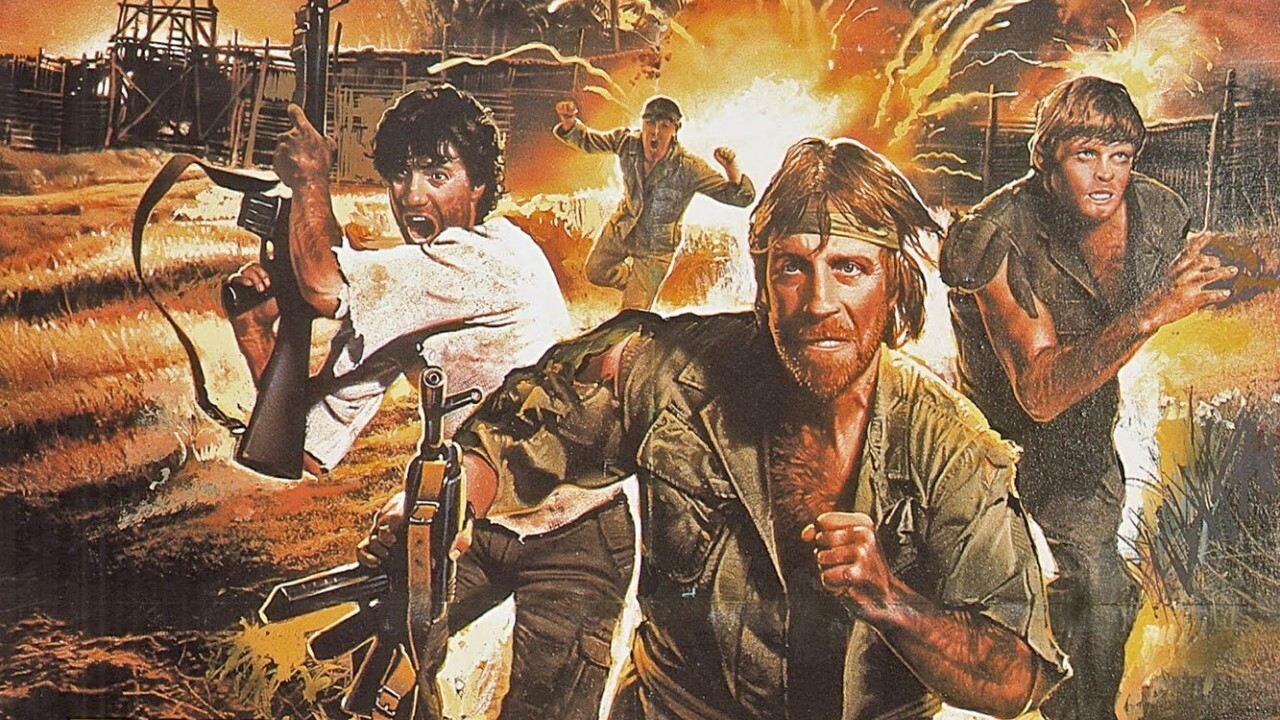
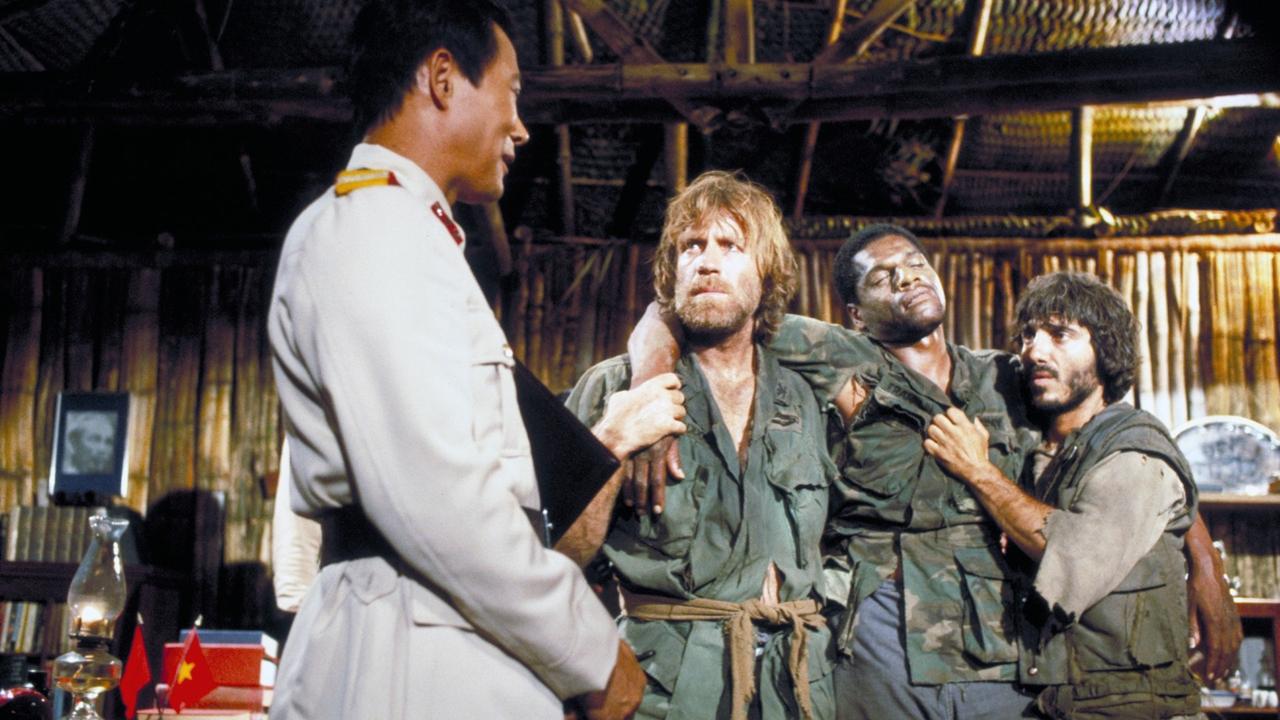
Here, Chuck Norris isn't quite the one-man army mowing down legions with an M60... yet. He's Colonel Braddock, captured alongside his men, facing the daily nightmare orchestrated by the camp's sadistic commander, Colonel Yin. It's a different kind of performance from Norris; still stoic, naturally, but forced to endure rather than dominate. You see the simmering rage, the unbroken spirit beneath the beatings and psychological torture. It lays the groundwork for the hardened warrior we saw in the 'first' film, giving his later quest for vengeance a much heavier weight. And let's be honest, seeing Norris have to escape rather than simply invade offered a slightly different flavour of action for fans.
### Enter Colonel Yin: A Masterclass in Cruelty
No great 80s action flick is complete without a truly detestable villain, and MIA 2 delivers spectacularly with Colonel Yin, played with chilling relish by the legendary Soon-Tek Oh. Oh, a familiar face from countless films and TV shows (often playing complex Asian characters across the spectrum), absolutely nails the role. Yin isn't just evil; he's intelligent, cruel, and seems to genuinely enjoy tormenting his prisoners, particularly Braddock. Remember that scene with the bag over the head and the rhythmic tapping? Pure psychological warfare, 80s style. He’s the kind of villain you truly root against, making Braddock's eventual triumph (c'mon, it's Chuck Norris, spoiler alert isn't really needed) all the sweeter. Keep an eye out too for a young Steven Williams (later the ominous Mr. X in The X-Files) as Captain Nester, one of Braddock's suffering men.
### Mud, Sweat, and Real Explosions
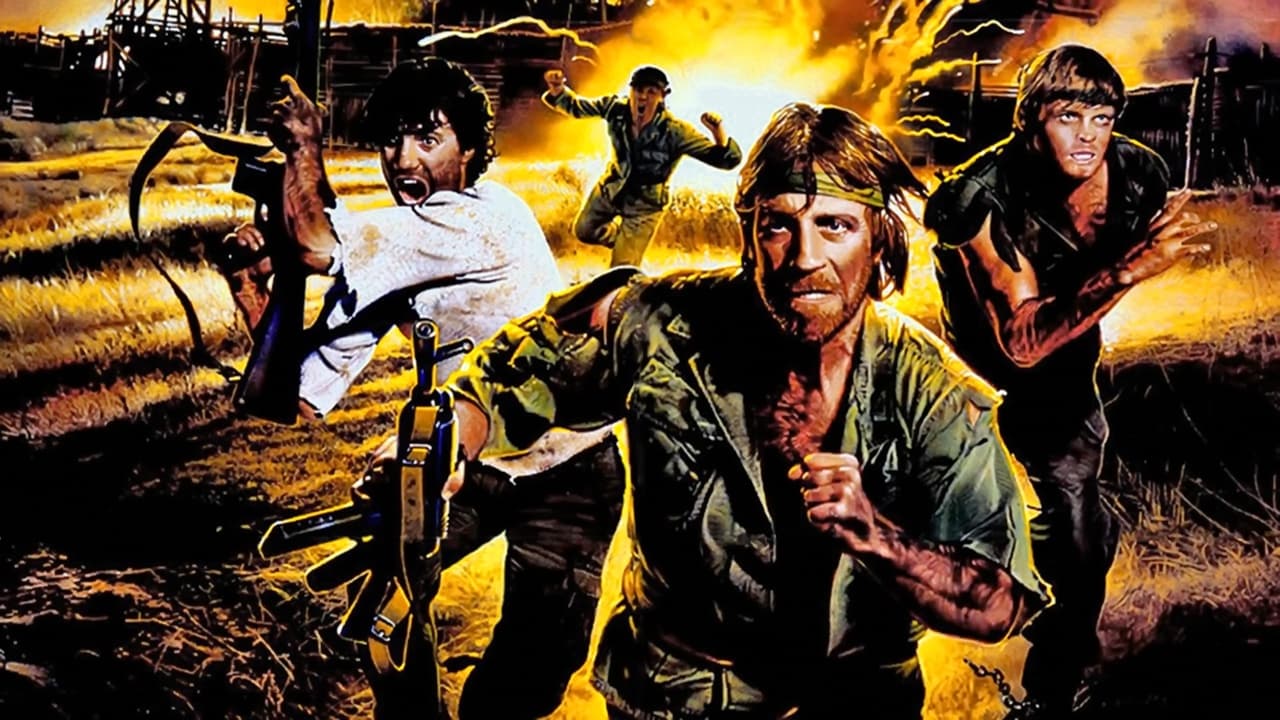
Now, let’s talk about the feel of this movie, especially watching it on that beloved fuzzy VHS format. This film felt dirty. The jungle setting, the constant rain (or maybe it was just sweat?), the ramshackle prison camp – it all looked oppressively real. This was the era of Cannon Films grit, often filmed on location in places like the Philippines or Mexico precisely because it offered that authentic, rough-around-the-edges look on a budget. And the action? Forget sleek CGI. We're talking good old-fashioned practical effects. When something explodes in MIA 2, it looks like something really blew up. The fights are raw and desperate, relying on stunt performers putting themselves in harm's way. Remember how impactful those squibs looked back then, simulating bullet hits with a messy burst? There's a visceral quality here, a sense of genuine danger that often gets smoothed over in today's action spectacles. It might look dated now, but back then, watching Braddock endure and fight back felt incredibly intense.
### More Than Just Norris?
While Norris is undeniably the star, the film works because it focuses on the collective suffering and the eventual group escape attempt. It doesn't quite reach the heights of camaraderie seen in some other POW escape films, but the shared ordeal gives it a slightly different dynamic than Braddock's lone-wolf mission in the 'first' installment. Lance Hool's direction keeps things moving at a decent clip, focusing squarely on the grim survival aspects and the inevitable explosive breakout. It’s not high art, but it’s ruthlessly efficient B-movie filmmaking, perfectly suited for a late-night viewing session fueled by microwave popcorn.
### The Verdict on Braddock's Beginning
Missing in Action 2: The Beginning isn't as iconic as the first film, largely because the premise is inherently less 'action-hero triumphant' and more 'grim survival'. The unusual release order also robbed it of the chance to properly set the stage. However, viewed now, especially through that nostalgic VHS lens, it’s a fascinating piece of the Braddock puzzle and a solid slice of 80s action filmmaking. It’s got the grit, a fantastic villain in Soon-Tek Oh, and showcases Chuck Norris enduring hell before he could unleash it. The practical effects and raw stunt work deliver that tangible impact we crave from the era.
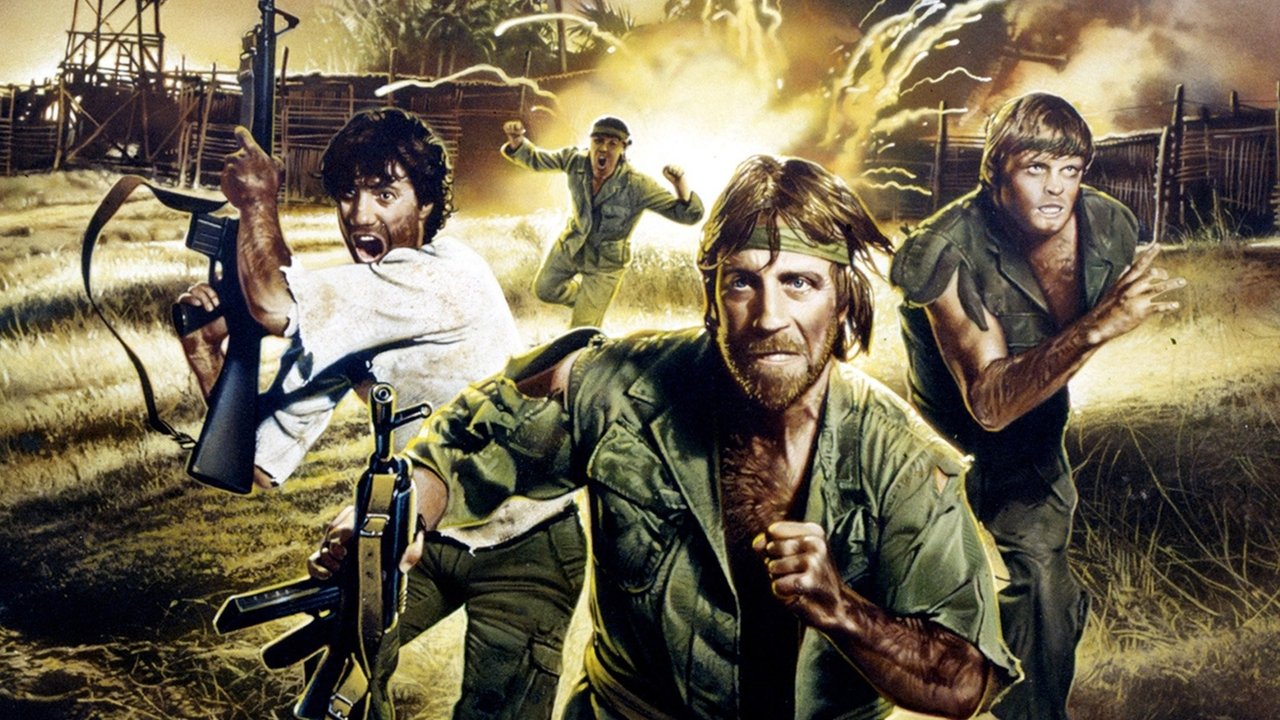
Rating: 6/10
Why the score? It gets points for its sheer 80s Cannon grit, Soon-Tek Oh's memorable villainy, and the visceral feel of its practical action. It offers a necessary, if grim, backstory for Braddock. However, it loses points for being somewhat predictable in its escape plot beats and lacking the iconic, over-the-top moments of its 'sequel'. It serves its purpose as a prequel effectively, but doesn't quite stand as tall on its own.
Final Thought: A weirdly released but surprisingly brutal slice of POW grit that reminds you why 80s action heroes always seemed angriest after they escaped – they earned it the hard way, with real mud and real fire. Definitely worth digging out of the tape archives.