There's a peculiar chill that creeps in off the ocean, a dampness that seeps into your bones long before you see the source. The Fog doesn't just depict this; it embodies it. Watching it again, especially on a format that feels like excavating history itself, is like tuning into a ghostly broadcast from the past – faint, crackling, but undeniably unnerving. It opens not with a scream, but a story told by flickering firelight, a promise of spectral vengeance whispered on the wind, setting a tone of old-fashioned dread that permeates every frame.
### Antonio Bay's Sinister Anniversary
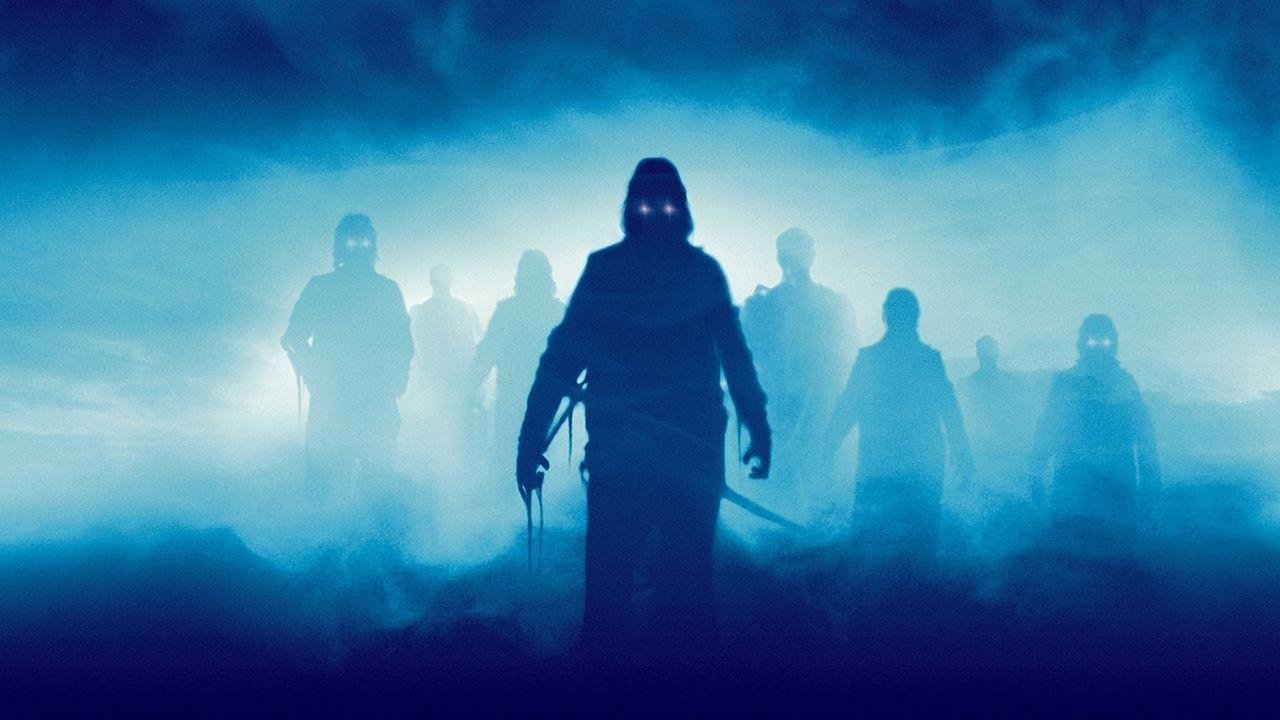
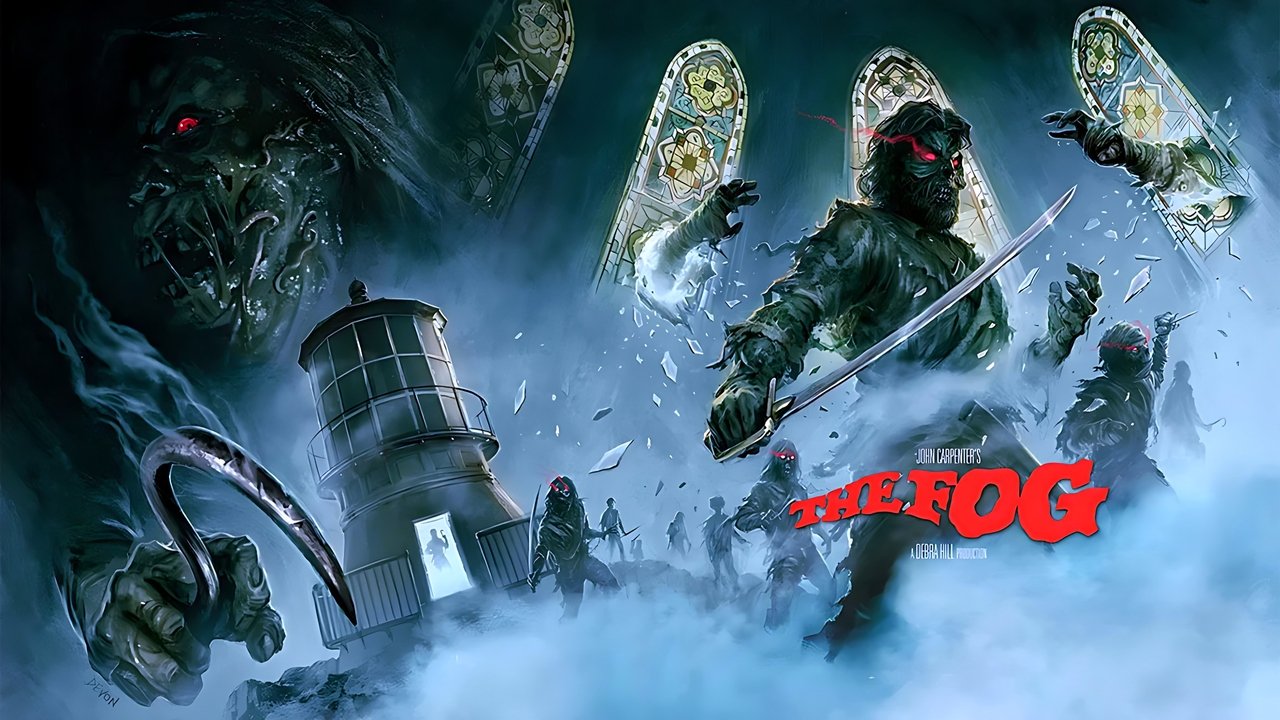
The setup is classic campfire tale stuff: the quaint coastal town of Antonio Bay is preparing to celebrate its centenary, unaware that its founding fathers built their prosperity on stolen gold and drowned mariners. As midnight strikes on the anniversary, an unnatural, glowing fog bank rolls in, bringing with it the leathery, water-logged revenants of those betrayed souls, armed with hooks and cutlasses, seeking retribution. It's a simple, potent premise, handled by director John Carpenter with a focus on atmosphere over outright gore, a choice that makes the film linger long after the VCR sputters to a stop. Fresh off the seismic success of Halloween (1978), Carpenter aimed for something different here – less stalk-and-slash, more creeping, inevitable doom.
### The Unseen Dread

What truly makes The Fog effective, particularly in that grainy VHS haze, is its mastery of suggestion. The lepers hidden within the luminous mist are rarely seen clearly, often appearing as silhouettes against the eerie glow or glimpsed in sudden, shocking close-ups – a hook swinging from the gloom, a pair of glowing red eyes. This restraint amplifies the tension. Remember squinting at the flickering CRT, trying to make out shapes in the swirling vapor? That uncertainty was the horror. Carpenter's signature synthesizer score, minimalist and pulsing, acts as the fog's own mournful heartbeat, dialing up the anxiety with every approaching low note. It’s a soundscape that feels intrinsically linked to late nights and the static hum of old electronics.
### Faces in the Mist
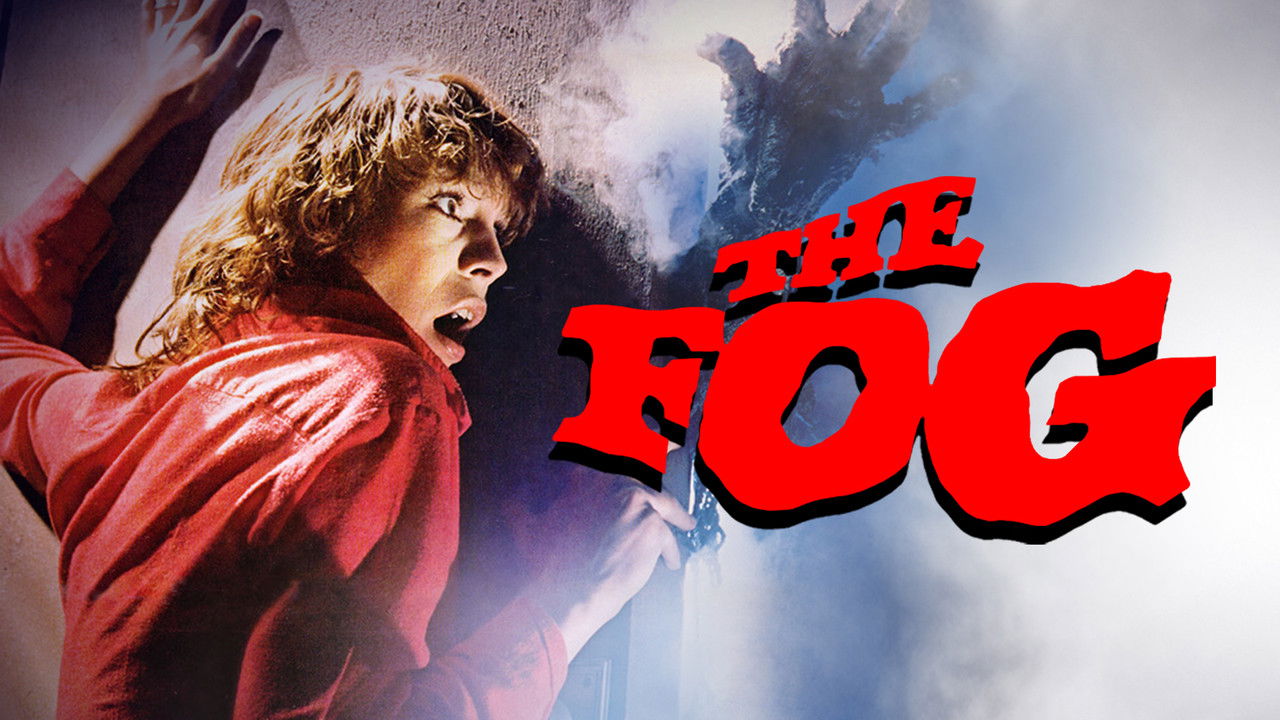
The ensemble cast feels authentically rooted in their small town. Adrienne Barbeau (Carpenter's wife at the time, known later for Swamp Thing and Creepshow) anchors the film as Stevie Wayne, the sultry-voiced DJ broadcasting warnings from her isolated lighthouse perch. Her broadcasts become the town's lifeline and the audience's guide through the escalating terror. We also get a fascinating bit of horror royalty casting: Jamie Lee Curtis, hot off Halloween, plays the hitchhiker Elizabeth, who gets swept up in the chaos alongside Tom Atkins' rugged Nick Castle. And then there's Janet Leigh, Curtis's real-life mother and forever etched in horror history for Psycho (1960), playing Kathy Williams, the town organizer. Reportedly, Leigh took the role partly to work with her daughter, adding a nice layer of meta-history to the production. Their shared scenes, though brief, crackle with an unspoken connection.
### Retro Fun Facts: Conjuring the Gloom
Creating that signature fog was apparently a nightmare. The initial cut of the film reportedly lacked punch, prompting Carpenter to undertake significant reshoots to heighten the scares and clarify the ghostly threat – a decision that added crucial moments of intensity. The fog itself, a mix of dry ice, smoke machines, and paraffin oil, proved difficult to control, sometimes obscuring everything, other times dissipating too quickly. Shooting took place around Point Reyes, California, with its picturesque lighthouse providing the perfect isolated setting for Stevie Wayne's eerie vigil. Interestingly, the film's premise drew loose inspiration from a real event involving a shipwreck near Goleta, California in the 19th century, though Carpenter and co-writer Debra Hill spun it into pure maritime ghost lore. With a lean budget of around $1.1 million (about $4 million today), The Fog managed to rake in over $21 million at the box office, proving Carpenter could conjure box office gold even from mist and shadow.
### Lingering Chill, Imperfect Storm
Is The Fog a perfect film? Perhaps not. Some character arcs feel a little thin, and the pacing, deliberate and focused on building atmosphere, might test the patience of those expecting non-stop action. Certain effects, particularly the close-ups of the ghosts, definitely show their age. Yet, its power lies not in flawless execution but in its pervasive mood. It captures that specific coastal eeriness, the vulnerability of a small community facing an ancient, implacable force. Doesn't that image of the fog rolling silently under doorways, swallowing streetlights, still feel uniquely unsettling? It’s less about jump scares and more about the cold dread of knowing something terrible is patiently, inevitably approaching.
Rating: 7.5/10
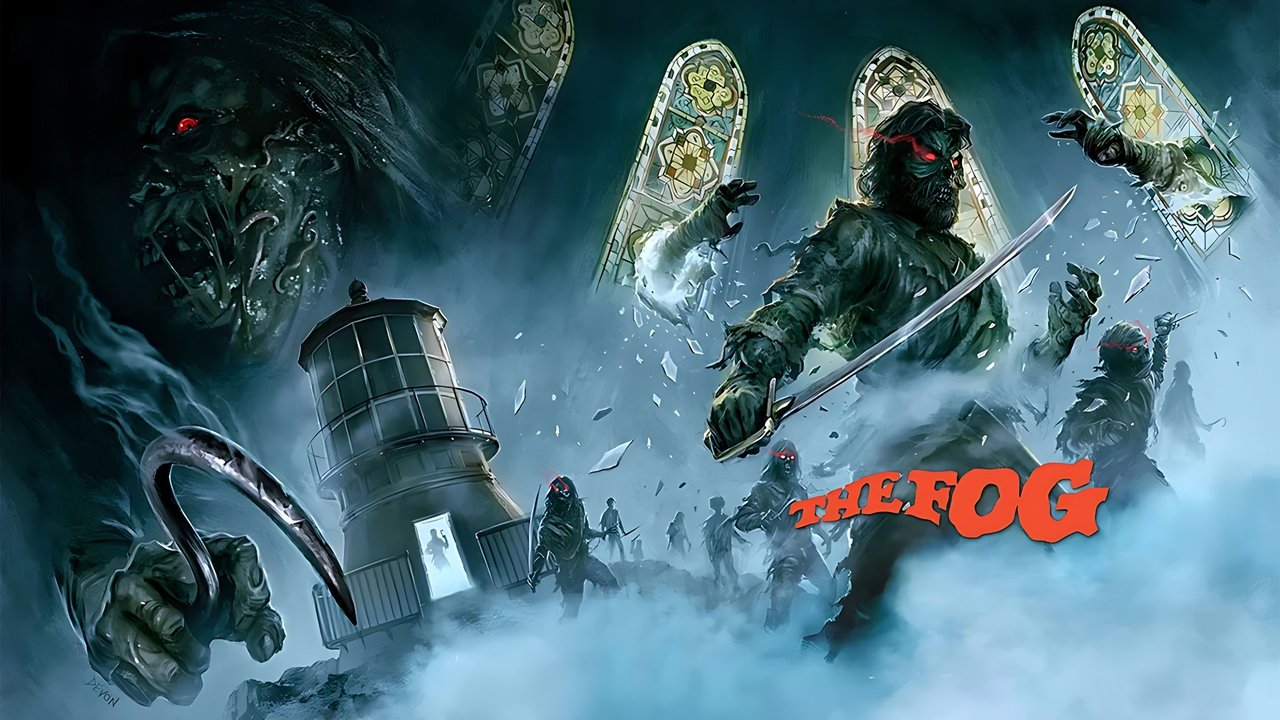
The score reflects The Fog's status as a supremely atmospheric, genuinely creepy slice of early 80s horror, bolstered by Carpenter's masterful direction and score. It earns points for its iconic premise, effective use of suggestion, and memorable performances, particularly Barbeau's lighthouse vigil. It loses a little for pacing that occasionally drifts and effects that haven't aged as gracefully as its central concept.
Ultimately, The Fog remains a quintessential piece of VHS-era horror. It's a film that understood the power of the unseen, the chill of a good ghost story told well, and the specific terror that can roll in on a seemingly harmless bank of mist. It might not be Carpenter's tightest film, but its damp, spectral chill has lingered for decades, a testament to the enduring power of atmosphere and a well-spun yarn about things that go bump – and drip – in the night.