There's a certain melancholy that hangs over The Hunter, a weight that goes beyond the narrative itself. Watching it today, knowing it was the final bow for the undisputed King of Cool, Steve McQueen, casts a long shadow. It’s impossible not to see the weariness in his eyes, the slight hesitation in movements that were once panther-quick, and feel the bittersweet pang of witnessing the end of an era unfold right there on the flickering screen of your memory, or maybe even, back in the day, on a well-loved VHS tape rented from the corner store.
Papa Thorson: A Different Kind of Hero
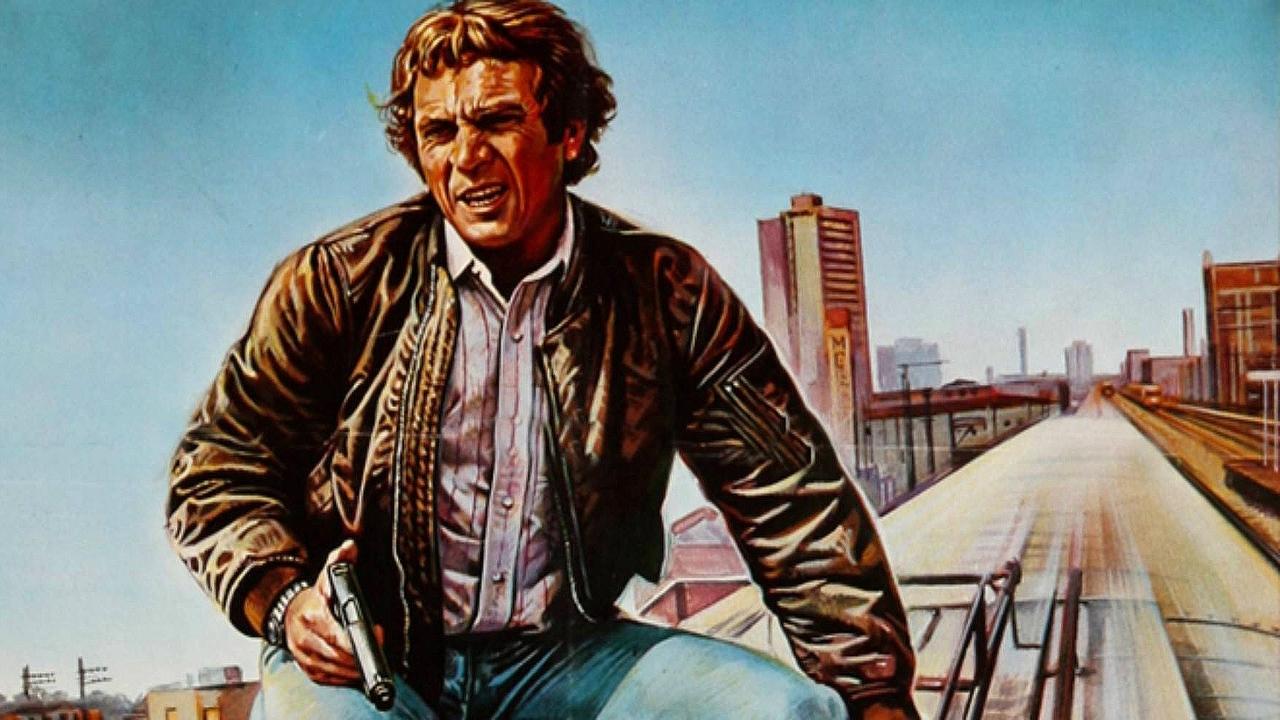
Based on the real-life exploits of modern bounty hunter Ralph "Papa" Thorson, the film follows McQueen's Thorson as he tracks down bail jumpers across America. This isn't the slick, globe-trotting adventure of a James Bond, nor the stoic heroism of a Western marshal. Papa Thorson is portrayed as something of an anachronism even in 1980 – a guy who drives a beat-up classic car, struggles with modern gadgets (his terrible driving is a running gag, ironic for McQueen!), and seems perpetually out of sync with the world around him, especially when it comes to his girlfriend Dotty (Kathryn Harrold) and their impending baby. He's good at his job, often relying on intuition and dogged persistence rather than brute force, but the life is clearly taking its toll.
The film, directed by Buzz Kulik (perhaps best known for the tear-jerking TV movie Brian's Song), tries to balance these slice-of-life domestic struggles with the inherent danger of Thorson’s profession. Does it always succeed? Not quite. The shifts between gritty chase scenes and slightly awkward relationship drama can sometimes feel jarring, a common characteristic of some films navigating the transition from the cynical 70s to the bolder 80s. Yet, it’s this very imbalance that gives the film a peculiar, authentic texture. It feels less like a polished Hollywood product and more like a snapshot of a messy, complicated life.
McQueen's Swan Song and Stunt Show Realism
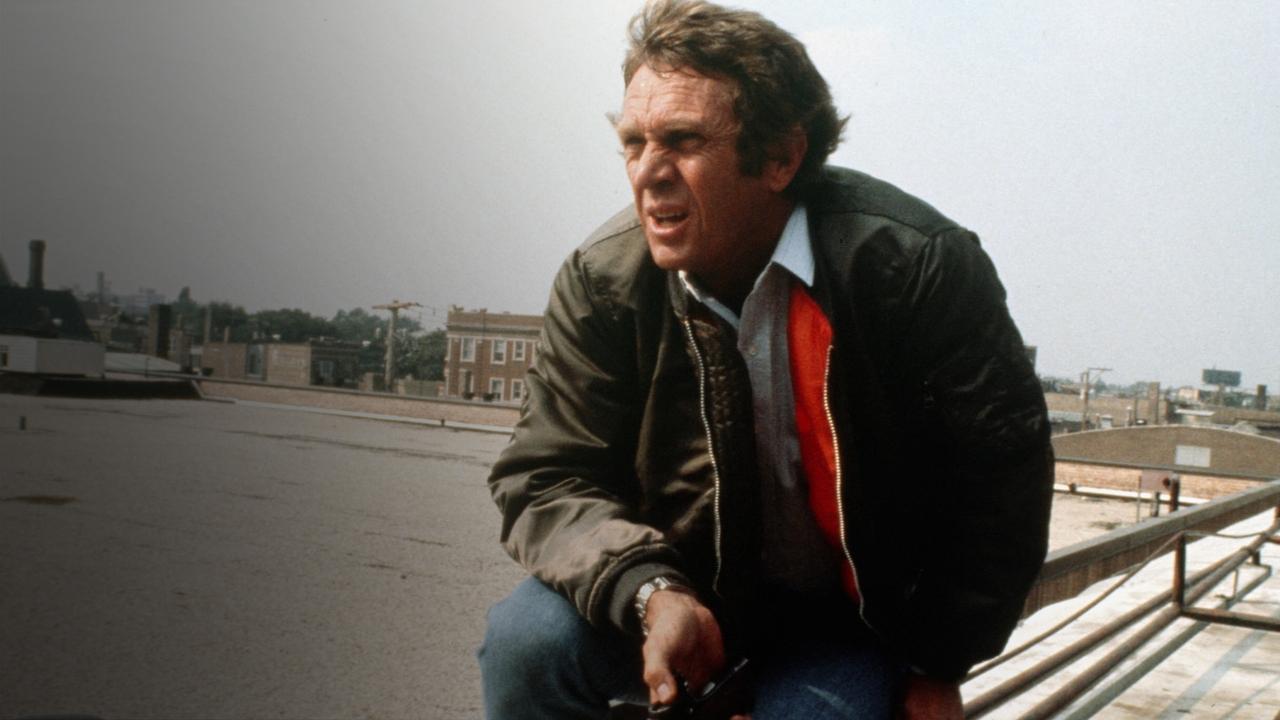
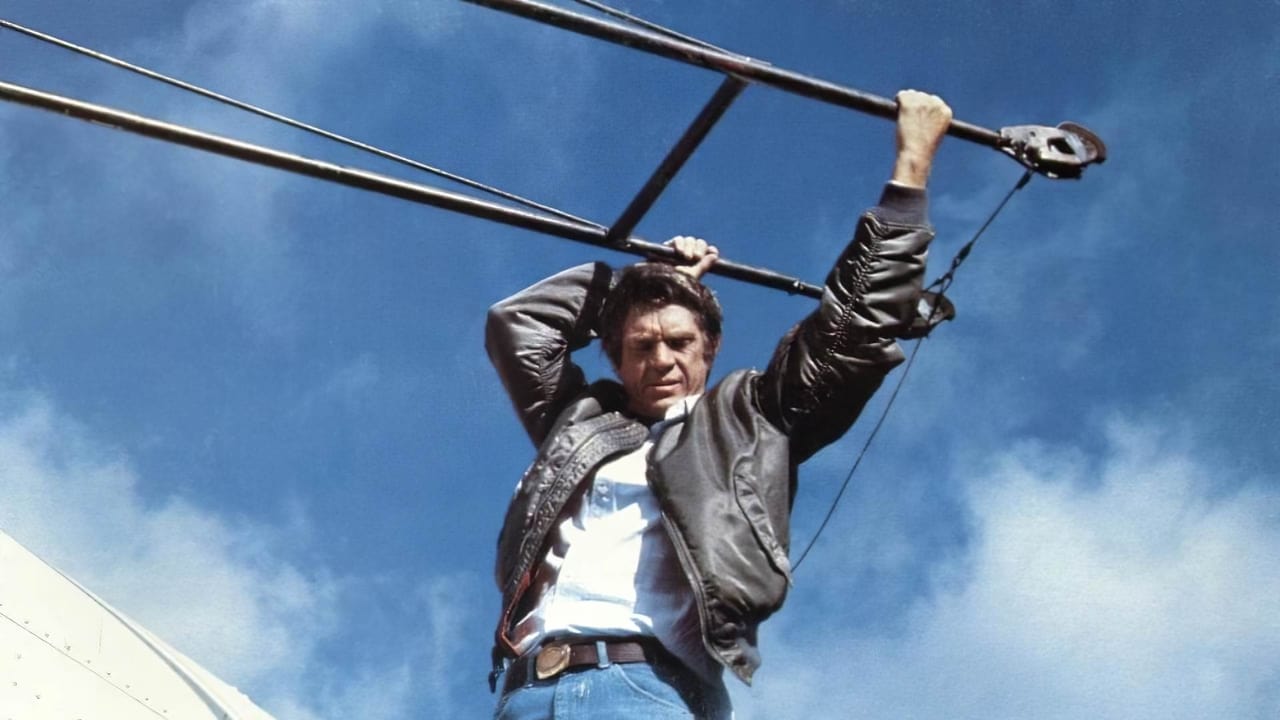
What truly anchors The Hunter is Steve McQueen. Diagnosed with the mesothelioma that would tragically claim his life just months after the film’s release, his physical condition lends an unintended poignancy to Papa Thorson's character. There’s a vulnerability beneath the surface, a sense of a man running out of time, that feels heartbreakingly real. Despite his failing health and against studio wishes, McQueen, ever the professional and daredevil, insisted on performing many of his own stunts. Seeing him behind the wheel during the frantic chase scenes, or scrambling across Chicago's elevated train tracks, is both thrilling and slightly nerve-wracking in hindsight.
And speaking of stunts, The Hunter boasts some truly memorable, practical set pieces that were par for the course in the pre-CGI era. The standout, of course, is the absolutely wild sequence where a pursued suspect drives a Pontiac Grand Prix off the top level of Chicago’s iconic Marina City towers parking garage and plunges into the river below. Filmed practically (yes, they really dropped a car in the Chicago River!), it’s a jaw-dropping moment of old-school movie magic. Interestingly, the real Ralph Thorson, who has a small cameo as a bartender in the film, consulted heavily on the movie, ensuring many of the bail jumpers Papa chases were based on his actual cases. Tragically, Thorson himself met a violent end, killed by a car bomb in 1994, adding another layer of sombre reality to the film's legacy.
Retro Fun Facts: Behind the Bounty
- McQueen's Health: McQueen was suffering from a persistent cough during filming, later diagnosed as pleural mesothelioma, likely caused by asbestos exposure earlier in his life (potentially from racing suits or military service). He passed away in November 1980, just three months after The Hunter's August release.
- The Marina City Plunge: Stunt coordinator Gary McLarty oversaw the car drop. A specially prepared car (likely not a real Pontiac) was launched off the garage roof using ramps and cables, requiring precise timing and multiple camera angles to capture the spectacle. It remains one of the most audacious non-CGI car stunts of the era.
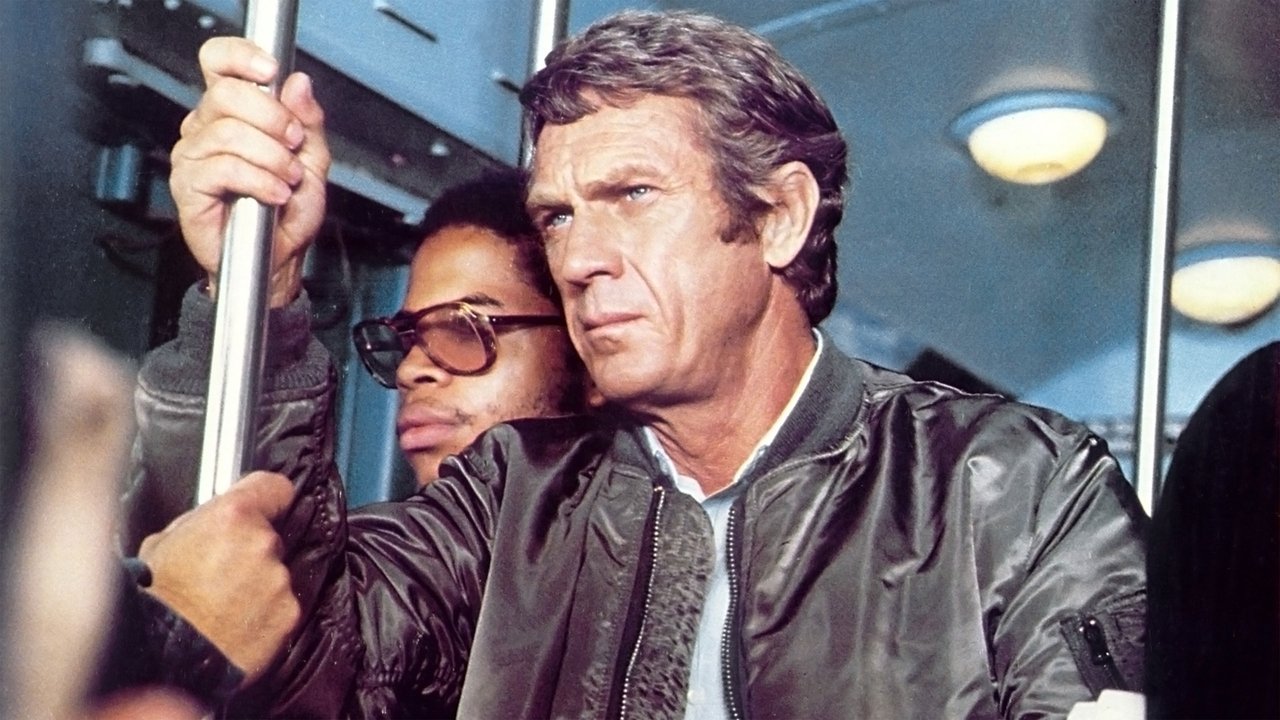
- L Train Chase: Filming the chase scene involving the Chicago 'L' trains presented significant logistical challenges, requiring careful coordination with the Chicago Transit Authority to ensure safety and minimize disruption to actual train schedules.
- Budget & Box Office: Made on a respectable budget for the time (reports vary, but likely around $10-12 million), The Hunter performed moderately well, earning roughly $37 million worldwide. Not a blockbuster, but a solid return, largely driven by McQueen's enduring star power.
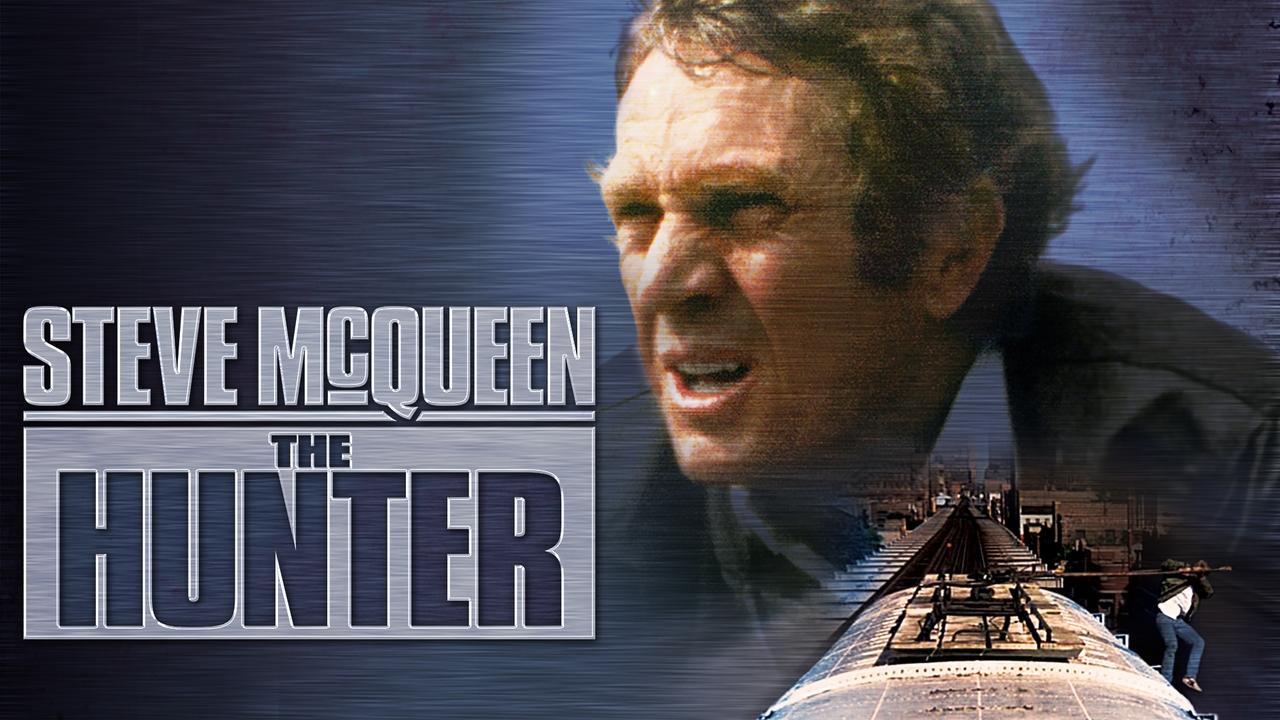
- The Real Papa: Ralph "Papa" Thorson reportedly brought in over 5,000 fugitives during his career. His book, The Hunter, provided the basis for the film adaptation.
An Imperfect But Poignant Farewell
Watching The Hunter today evokes a specific kind of nostalgia. It’s a film firmly rooted in its time – the Chicago locations look gritty and real, the pacing feels more deliberate than today's frenetic action films, and the blend of character study and action feels distinctly early 80s. Eli Wallach, always a welcome presence, provides solid support as Papa’s exasperated bail bondsman boss, Ritchie Blumenthal, adding touches of humor and world-weariness.
Is The Hunter a perfect film? No. The script sometimes meanders, and the tonal shifts can be abrupt. But it possesses a certain rough-edged charm and, more importantly, serves as a genuinely moving final testament to one of cinema's most magnetic stars. McQueen delivers a performance imbued with unexpected vulnerability, a fittingly human farewell from an actor who so often played icons larger than life. It’s a film that reminds you of the man behind the myth, grappling with mortality both on and off screen.
Rating: 7/10
Justification: While the film suffers from some tonal inconsistencies and a script that doesn't always hit the mark, it's elevated significantly by Steve McQueen's poignant final performance and some genuinely impressive practical stunt work representative of the era. The glimpse into the real world of bounty hunting adds a unique flavour, making it more than just a standard action flick. It earns a solid 7 for its historical significance as McQueen's last ride, its memorable action sequences, and its surprisingly affecting, if flawed, character portrait.
Final Thought: It’s the film where the King of Cool felt achingly human, making The Hunter a necessary, if bittersweet, final entry in any McQueen marathon, and a fascinating time capsule from the dawn of the 80s. What lingers most is the image of McQueen, not just driving fast, but looking towards a future his character – and tragically, the actor himself – wouldn't fully see.