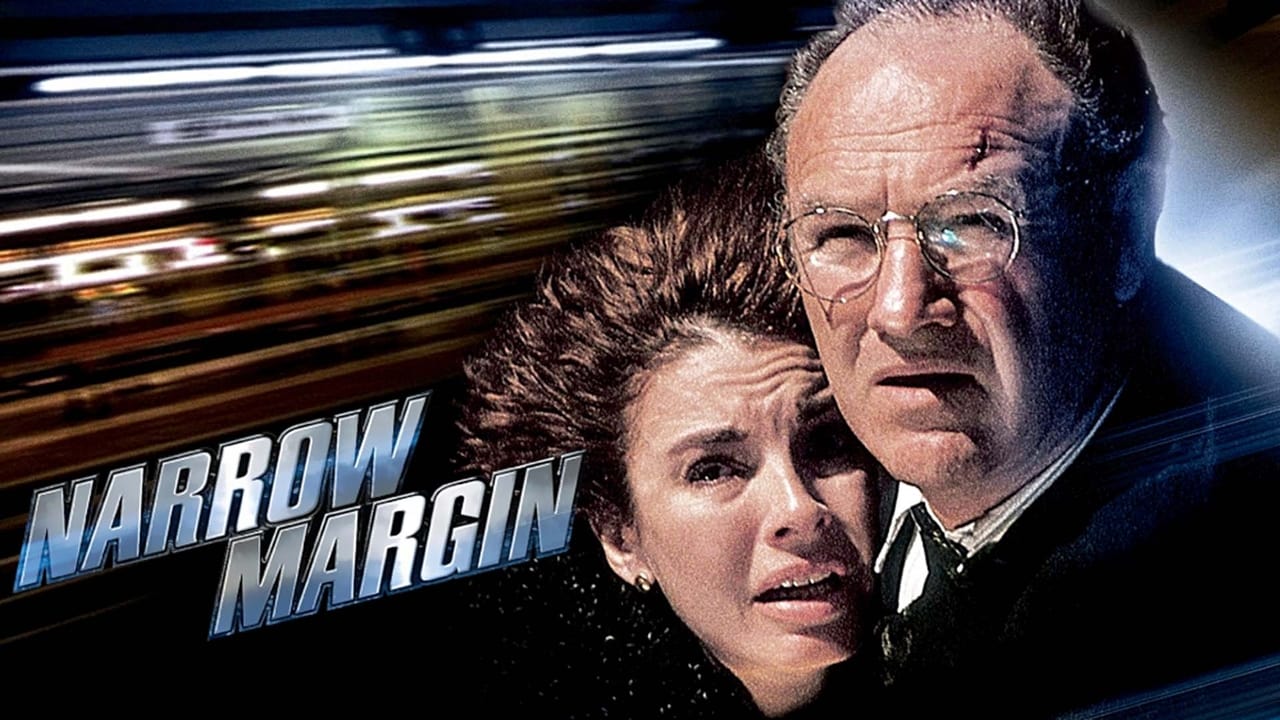
The rhythmic clatter of steel on steel, the hiss of hydraulics, the fleeting glimpses of a vast, indifferent wilderness rushing past the window… Few settings breed paranoia quite like a speeding train in the middle of nowhere. And few films captured that specific, boxed-in dread with the workmanlike intensity of Peter Hyams' 1990 thriller, Narrow Margin. It's a film that feels engineered for those late-night VHS sessions, where the world shrinks to the confines of the screen and the relentless tension becomes almost unbearable.
Into the Wilderness
The setup is pure pulp efficiency: Los Angeles Deputy District Attorney Robert Caulfield (Gene Hackman) is tasked with retrieving Carol Hunnicut (Anne Archer), the unwilling witness to a mob murder. After an explosive attempt on their lives forces them off their planned flight, their only desperate recourse is a passenger train cutting through the remote, majestic, yet utterly isolating Canadian Rockies. But the killers, professionals as cold and sharp as the mountain air, are aboard too. What follows is a stripped-down, nerve-shredding game of cat-and-mouse played out in the claustrophobic corridors, compartments, and dining cars of the speeding locomotive. This isn't just a journey; it's a rolling pressure cooker.
Hackman: The Weary Professional
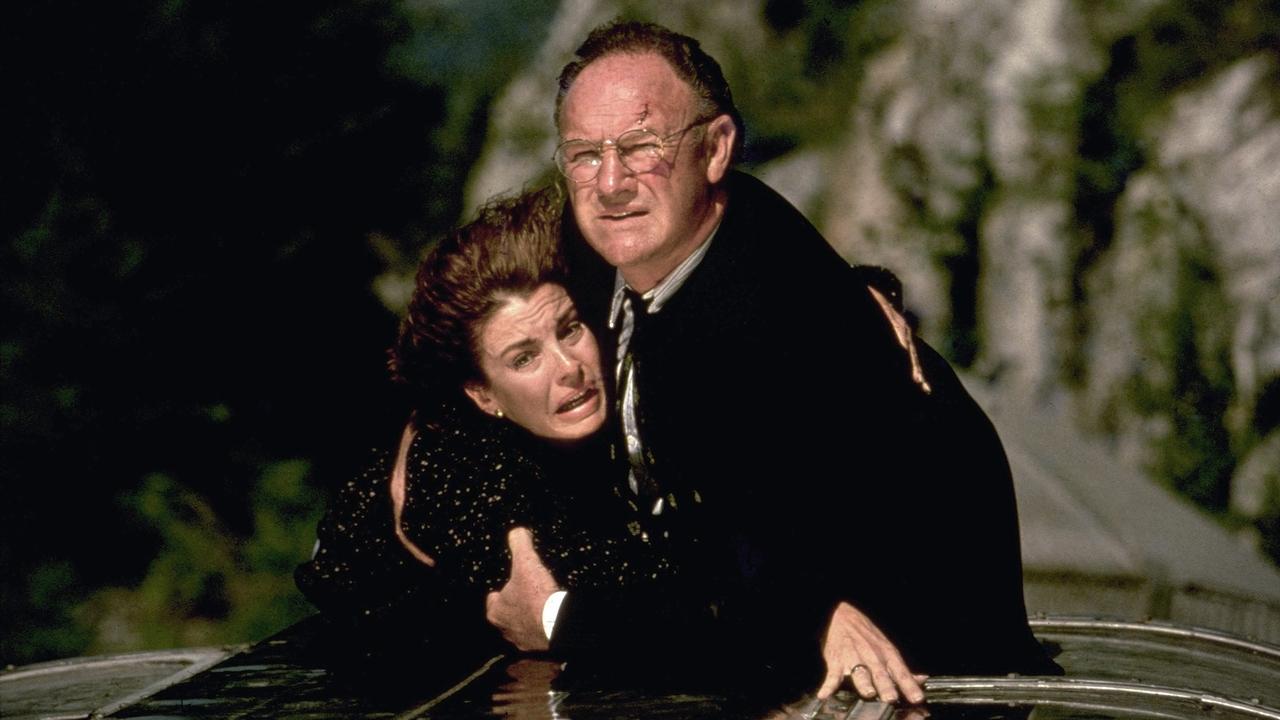
At the heart of it all is Gene Hackman. By 1990, Hackman was already a screen legend, known for iconic roles in films like The French Connection (1971) and Mississippi Burning (1988), and just a couple of years away from his Oscar-winning turn in Unforgiven (1992). Here, he isn’t playing a superhero or a super-cop. Caulfield is competent, yes, but he's also visibly weary, out of his depth, improvising desperately. Hackman wears the character's mounting exhaustion and grim determination like a tailored suit. There's no swagger, just the raw focus of a man trying to keep himself and his charge alive against impossible odds. His grounded performance anchors the film, making the escalating danger feel terrifyingly real. Watching him, you feel the weight of every decision, the chill of every near-miss. Anne Archer, fresh off her memorable role in Fatal Attraction (1987), provides a solid counterpoint as the initially hostile, ultimately resilient witness caught in the crossfire.
Hyams Behind the Lens
Director Peter Hyams, who also wrote the screenplay (adapting Earl Felton's script for the excellent 1952 RKO original), often doubled as his own cinematographer, and his visual stamp is all over Narrow Margin. He understood inherently how to use the confined space of the train to maximum effect. Corridors feel tight, threatening. Shadows pool in corners, hiding potential threats. The camera often stays close, mirroring the characters' lack of breathing room. Hyams, known for atmospheric genre films like the sci-fi western Outland (1981) or the ambitious 2010: The Year We Make Contact (1984), excels at building suspense through composition and pacing rather than overt gore or cheap jump scares. Reportedly filmed largely on actual moving trains operated by BC Rail in British Columbia, the production faced considerable logistical hurdles. You can almost feel the challenge of staging complex action within such genuine, restrictive environments, adding a layer of gritty realism.
Practical Peril and Retro Fun Facts
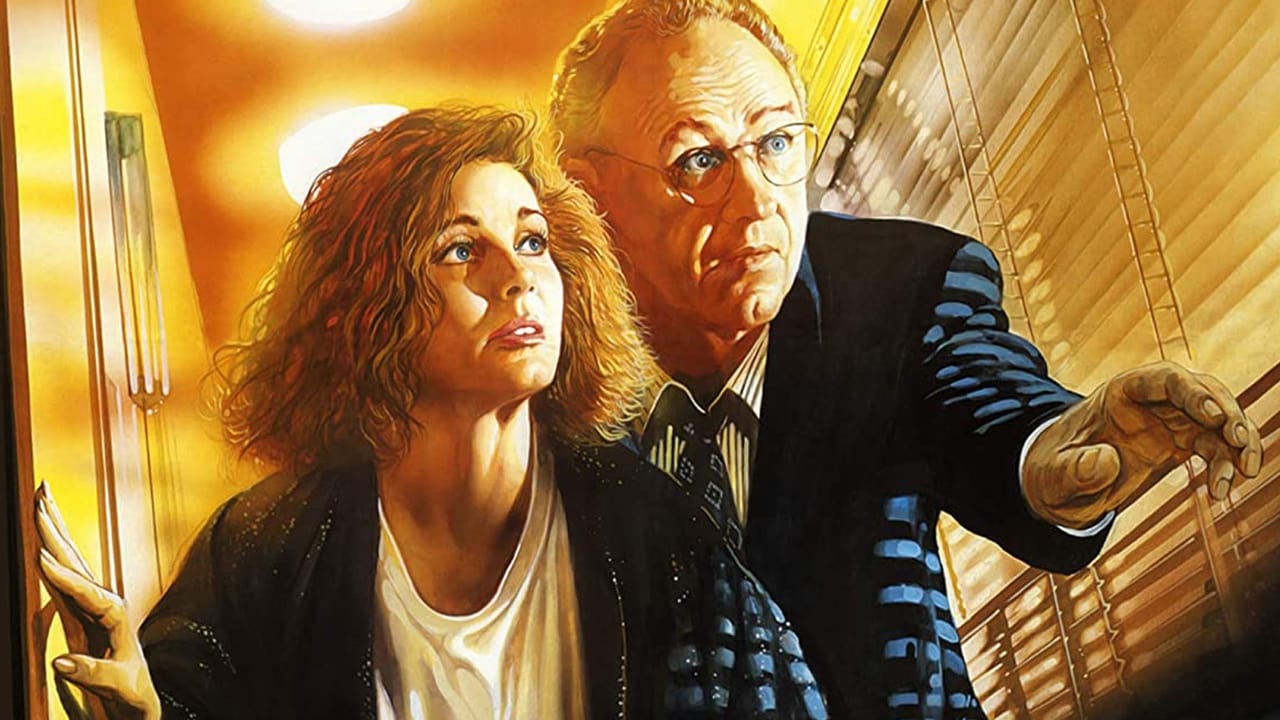
The film boasts some impressive practical stunt work that felt particularly visceral back in the VHS era. Remember that audacious sequence involving a helicopter attempting to rendezvous with the speeding train? Apparently, the stunt involving the helicopter actually landing on the train was performed for real by veteran stunt pilot Jim Gavin – a nail-biting feat that adds incredible production value and a shot of pure adrenaline. The climactic rooftop fight between Hackman and one of the relentless hitmen (played with chilling efficiency by the always welcome J.T. Walsh) feels genuinely perilous, buffeted by wind and the sheer drop below. These moments stand out because they feel earned, grounded in the physical reality of the setting. It's interesting to note that while the 1952 original is a tight noir classic, Hyams' version leans more into the action-thriller elements popularised in the late 80s and early 90s, complete with bigger set pieces. Despite a decent budget (estimated around $20-25 million), the film wasn't a massive box office success ($10.8 million domestic gross), but like so many solid, unpretentious thrillers of the time, it found a dedicated following on home video – a perfect Friday night rental discovery. Didn't those unassuming covers sometimes hide the best rides?
Final Thoughts
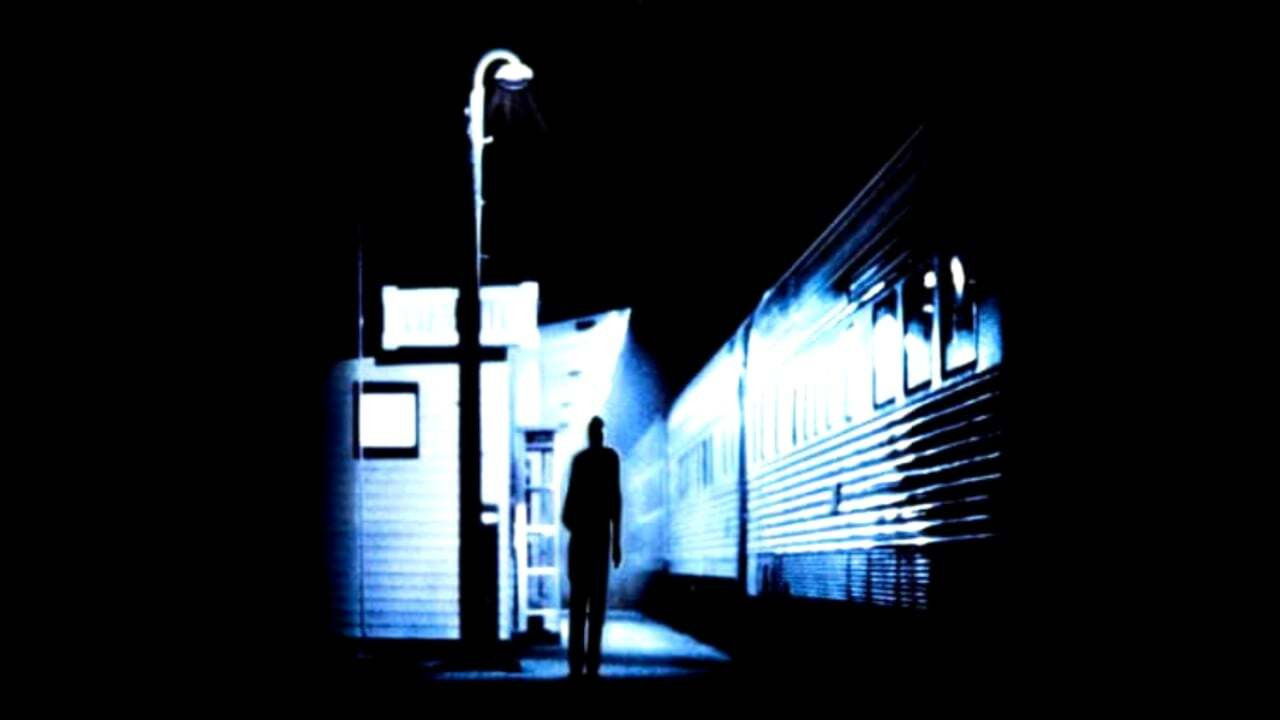
Narrow Margin isn't aiming for profound thematic depth. It's a lean, mean, suspense machine designed to grab you early and tighten its grip until the final frame. It delivers precisely what it promises: claustrophobic tension, solid performances led by a masterful Gene Hackman, and thrilling, practically executed action sequences. The train itself becomes a character – a relentless engine driving the plot forward, offering no easy escape. Watching it again now, maybe on a format far removed from that worn-out VHS tape I remember renting, the effectiveness of its core premise remains undiminished. It’s a testament to straightforward, well-crafted genre filmmaking.
Rating: 7.5/10
This score reflects a tightly constructed, highly effective thriller that excels in its chosen environment. Hackman is superb, the tension is palpable, and Hyams' direction makes brilliant use of the claustrophobic setting and delivers some genuinely impressive practical action. It might not reinvent the wheel, but it’s a smooth, gripping ride that absolutely found its groove in the VHS era and remains a satisfying watch for fans of no-nonsense suspense. It’s a prime example of the kind of solid, adult-oriented thriller that seemed so much more common back then.