There are whispers that still echo from the dark corners of 1980s cinema, murmurs about a film that dragged audiences into a world many refused to acknowledge existed. Slipping that worn Cruising tape into the VCR late at night felt like an illicit act in itself, the magnetic hum of the machine a prelude to the oppressive thrum of the New York City underground it depicted. This wasn't just a thriller; it was a descent.
### Into the Abyss
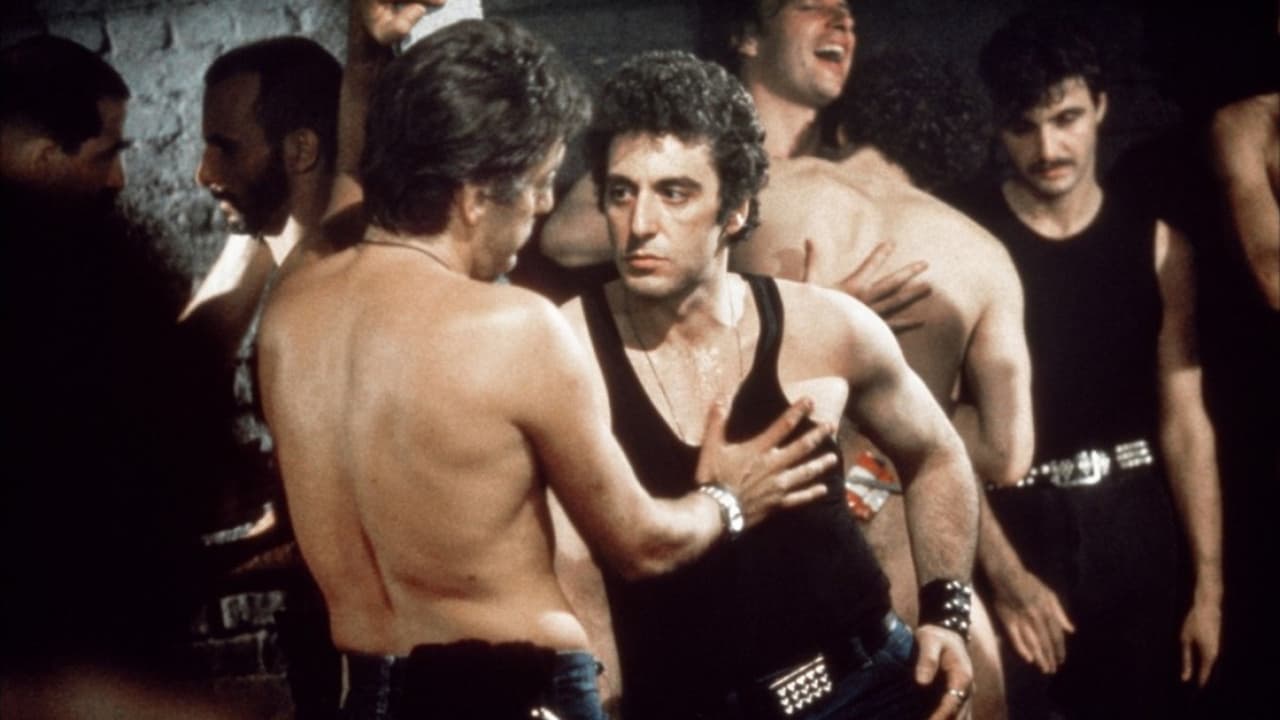
Directed by the often confrontational William Friedkin, fresh off the notorious production of Sorcerer and forever known for The Exorcist and The French Connection, Cruising plunges us headfirst into a grimy, pre-Giuliani Manhattan. A serial killer is targeting gay men within the city's S&M leather bar scene, and young NYPD officer Steve Burns (Al Pacino) is tasked with going deep undercover to flush him out. Burns, chosen for his physical resemblance to the victims, must immerse himself in a world utterly alien to his own existence with girlfriend Nancy (Karen Allen, providing a grounding counterpoint). It's a classic procedural setup twisted into something far more psychologically unsettling.
### A City's Shadowy Heartbeat

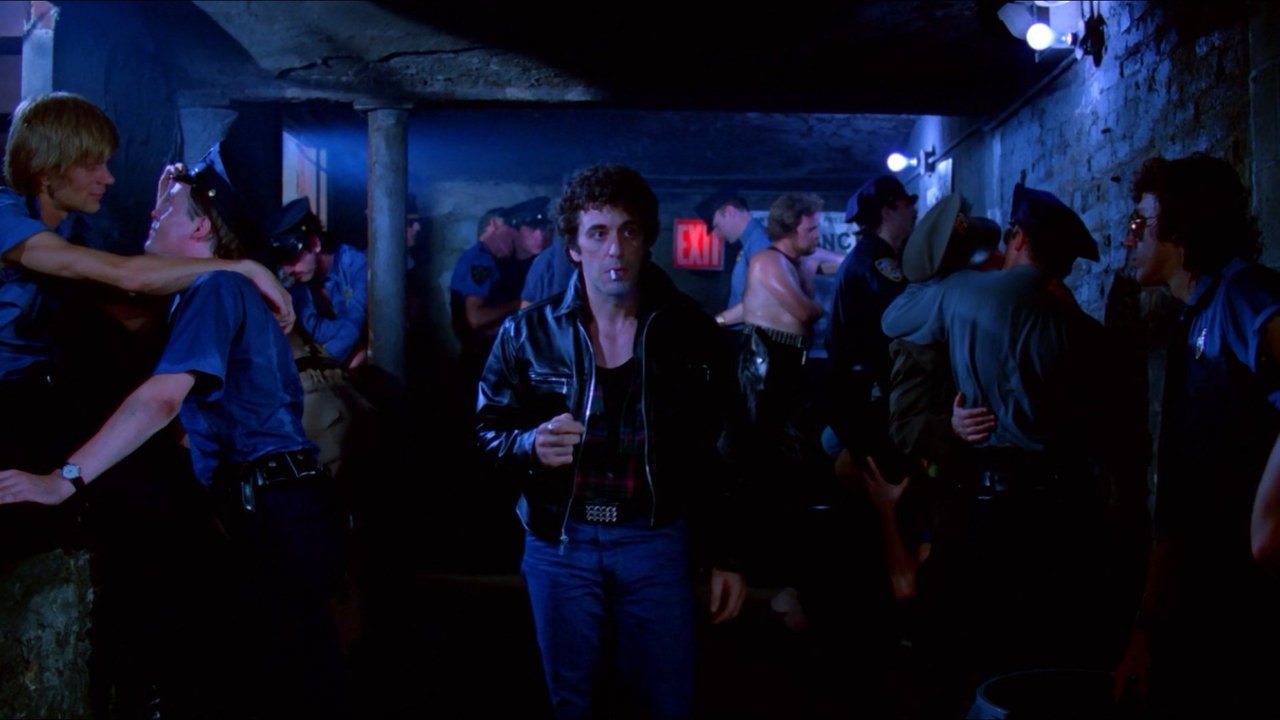
Friedkin, never one to shy away from gritty realism, doesn't just depict the leather scene; he submerges the viewer in it. Shot largely on location in actual Meatpacking District clubs (like the infamous Mineshaft), the film possesses an almost documentary-like texture. The air feels thick with smoke, sweat, and unspoken danger. This commitment to authenticity famously ignited furious protests during production from gay rights activists, concerned about the potentially negative portrayal linking the community solely with violence and deviancy. The noise from these protests was apparently so significant that Friedkin later claimed extensive dialogue looping (ADR) was required for many exterior scenes – a production challenge born directly from the film's controversial subject matter. Yet, this fraught creation arguably contributes to the film's raw, nervous energy. Was it exploitative? Maybe. Unforgettable? Absolutely. The production design and cinematography capture a specific, bygone New York era with visceral, often uncomfortable, precision.
### The Man in the Mirror
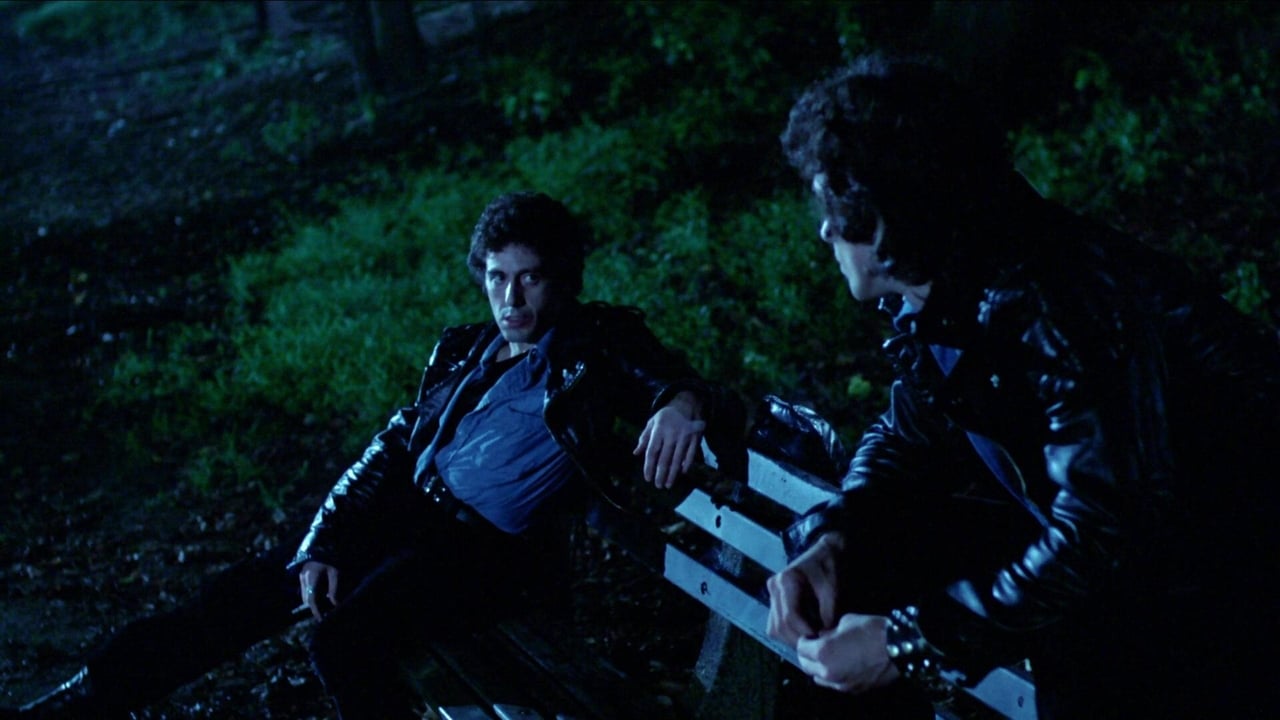
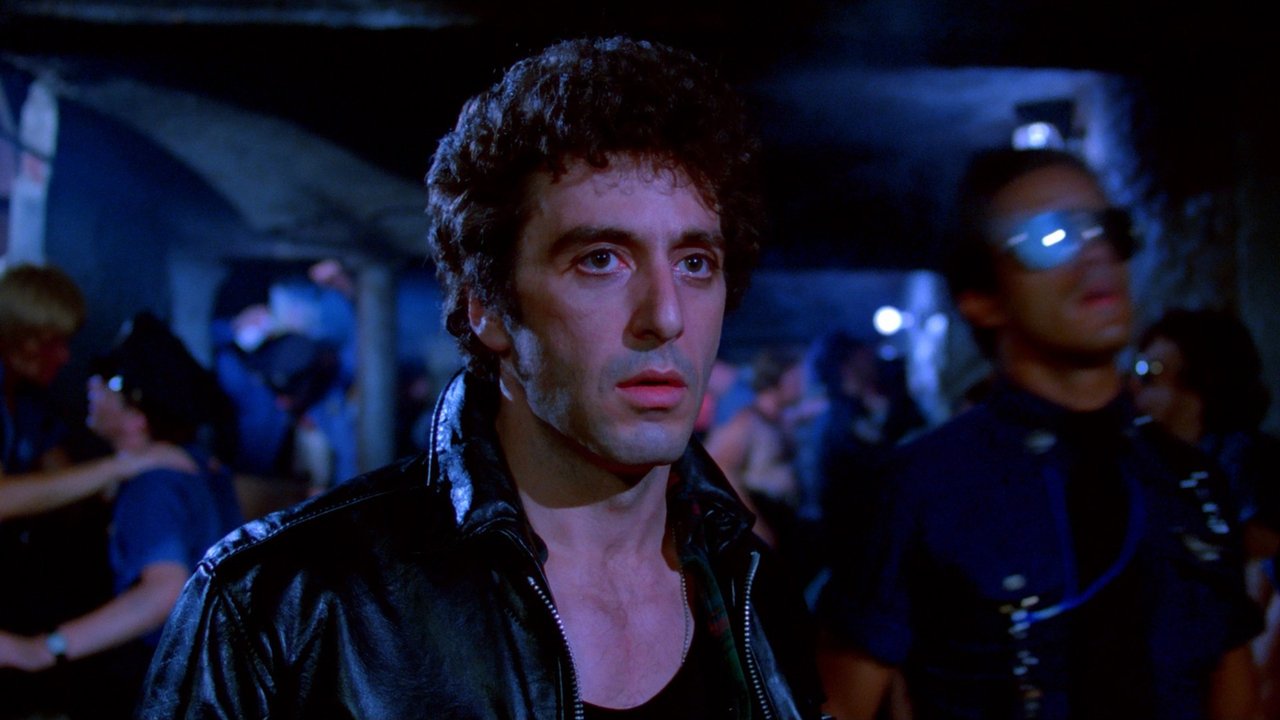
At the centre of this maelstrom is Al Pacino. This isn't the explosive Pacino of Scarface or the weary veteran of Heat. Here, he delivers a fascinatingly internalized performance. We watch Burns navigate this unfamiliar territory, his initial apprehension slowly, subtly morphing into something else. Does the abyss stare back, or does it start to reflect something already within him? Pacino masterfully conveys this ambiguity, his eyes registering a chilling blend of fear, fascination, and possibly, transformation. His interactions with his commanding officer, Captain Edelson (played with gruff authority by the reliable Paul Sorvino), become increasingly strained as the lines blur. The film never offers easy answers about Burns's journey, leaving the audience to grapple with the implications long after the credits roll. Doesn't that final, haunting shot still spark debate?
### Sounds and Shadows of Dread
Enhancing the oppressive atmosphere is the score by Jack Nitzsche and the contributions from punk and new wave bands like The Cripples. It’s less a traditional score and more a soundscape of urban decay and primal urges. The relentless beat pulsing from the clubs merges with the city's noise, creating a disorienting, threatening sonic environment. Friedkin's editing is often sharp and jarring, reflecting Burns's fractured state of mind and the sudden bursts of violence that punctuate the narrative. The practical effects, while sparse, carry the brutal weight characteristic of the era.
### Legacy of Discomfort
Cruising was, and remains, a deeply divisive film. Based on the novel by Gerald Walker, Friedkin's adaptation leans heavily into the darkness, arguably sacrificing nuance for visceral impact. It faced significant hurdles with the MPAA, initially slapped with an X rating before cuts were made to secure an R – rumoured cuts that have fueled speculation about a potentially more explicit version for decades (though Friedkin himself often downplayed their extent). The film wasn't a massive box office success (grossing around $19.8 million domestically against an $11 million budget), but its cultural footprint is undeniable. It remains a potent, if problematic, snapshot of a specific time and place, a challenging exploration of identity, masculinity, and the darkness that can lurk beneath the surface. Watching it again on a grainy transfer somehow feels right, preserving the unsettling texture of its original viewing experience. My own well-worn tape, recorded off late-night TV years ago, still carries that specific aura of transgression.
Rating: 7/10
Justification: While undeniably controversial and potentially problematic in its representation for some, Cruising earns its score through Friedkin's masterful creation of atmosphere, Pacino's compellingly ambiguous performance, and its unflinching, gritty portrayal of a specific NYC era. Its technical craft is strong, and its power to unsettle remains potent. However, the narrative ambiguity can border on frustrating vagueness, and the criticisms regarding its portrayal of the gay community cannot be entirely dismissed, pulling it back from higher marks.
Cruising doesn't offer comfort or easy resolution. It’s a raw, often disturbing piece of 80s filmmaking that burrows under your skin, a grim postcard from a vanished New York that continues to provoke and fascinate. It’s a film you don’t easily shake off, much like the city grit it so vividly portrays.