Okay, rewind your minds with me. Picture this: Friday night, the glow of the CRT illuminating the room, the whirring sound of the VCR loading up a tape you just knew was going to be something special. That feeling? That's what hitting play on Jackie Chan's 1980 directorial powerhouse, The Young Master (師弟出馬), felt like back in the day, and honestly, it still packs that same exhilarating punch. This wasn't just another kung fu flick; this was Jackie unleashed, taking the reins and showing the world exactly what he could do.
### A New Master Steps Up
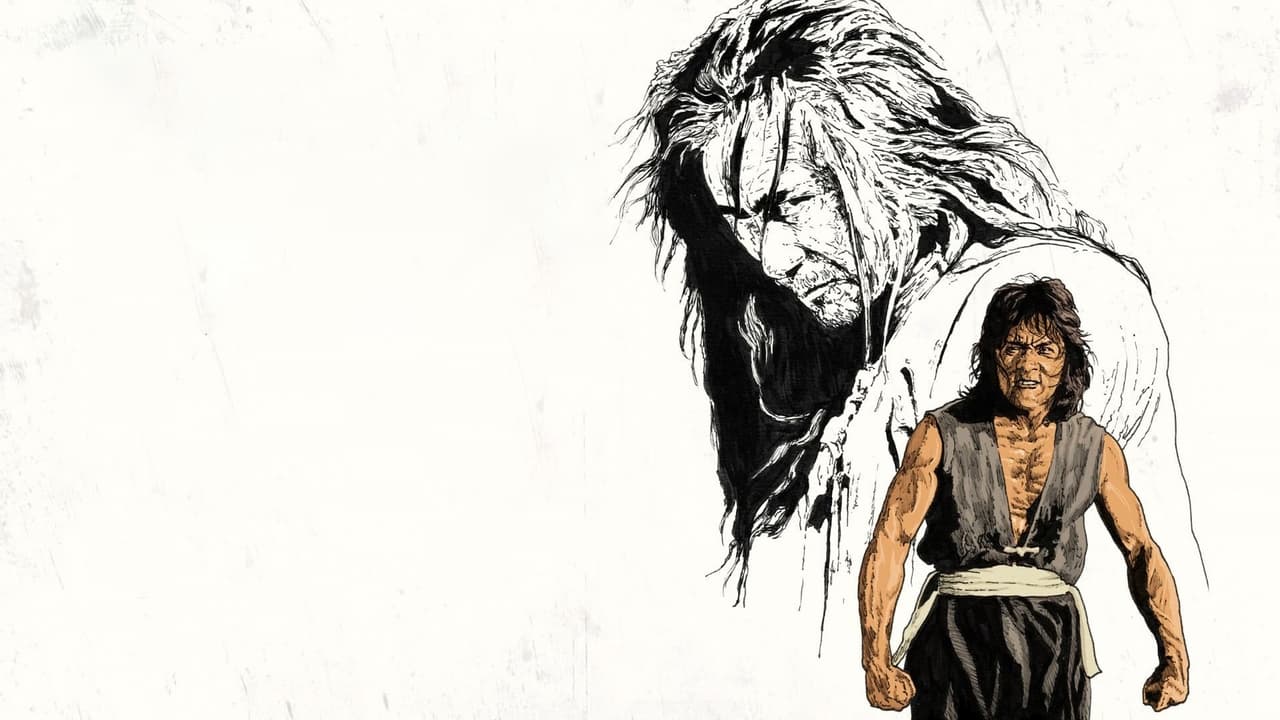
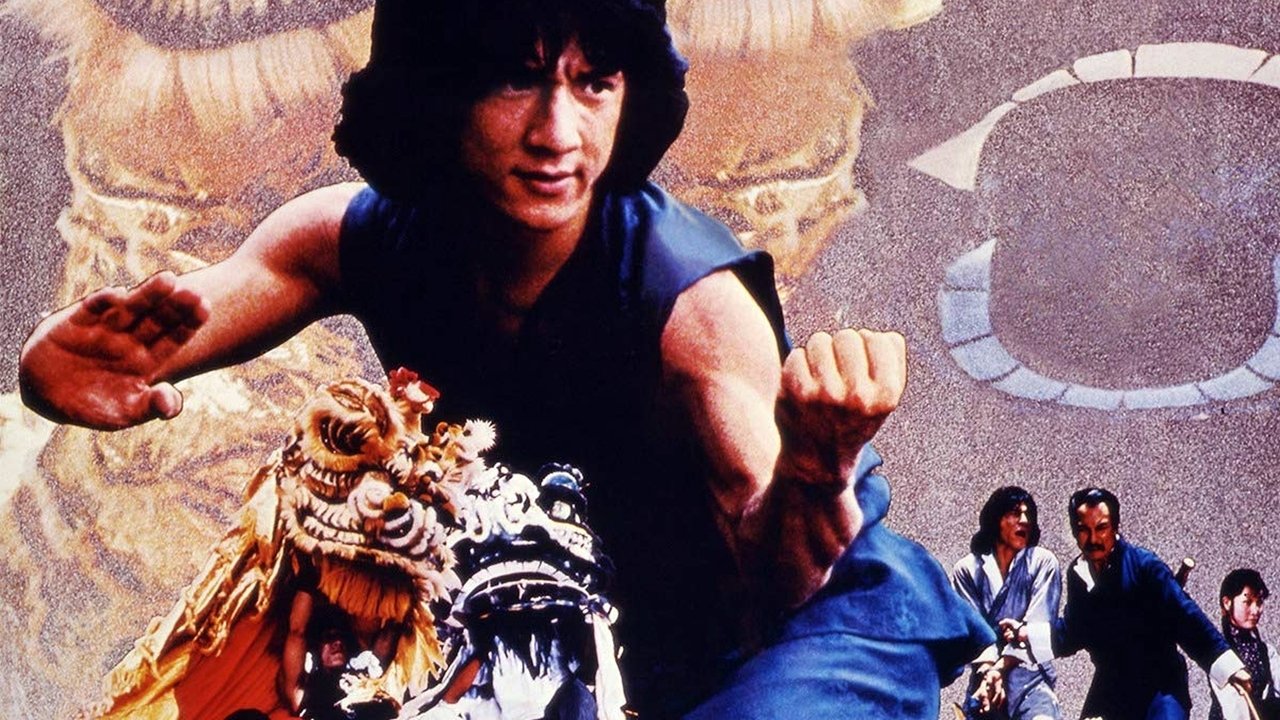
Fresh off the phenomenal success of Drunken Master and Snake in the Eagle's Shadow (both directed by the legendary Yuen Woo-ping), Jackie Chan found himself with newfound clout at Golden Harvest. The Young Master marks his directorial debut for the studio, a crucial moment where he seized creative control. You can feel his energy bursting through the screen. The plot itself is classic martial arts fare: upright student Dragon Lung (Jackie) must track down his disgraced senior, Tiger (Wei Pai), who betrayed their school during a lion dance competition and fallen in with smugglers led by the ruthless Master Kam (played by the formidable Hapkido master Whang Ing-sik). Simple? Sure. But it’s the perfect framework for Jackie to hang some of the most inventive and demanding action sequences filmed up to that point.
### Comedy That Kicks, Action That Aches
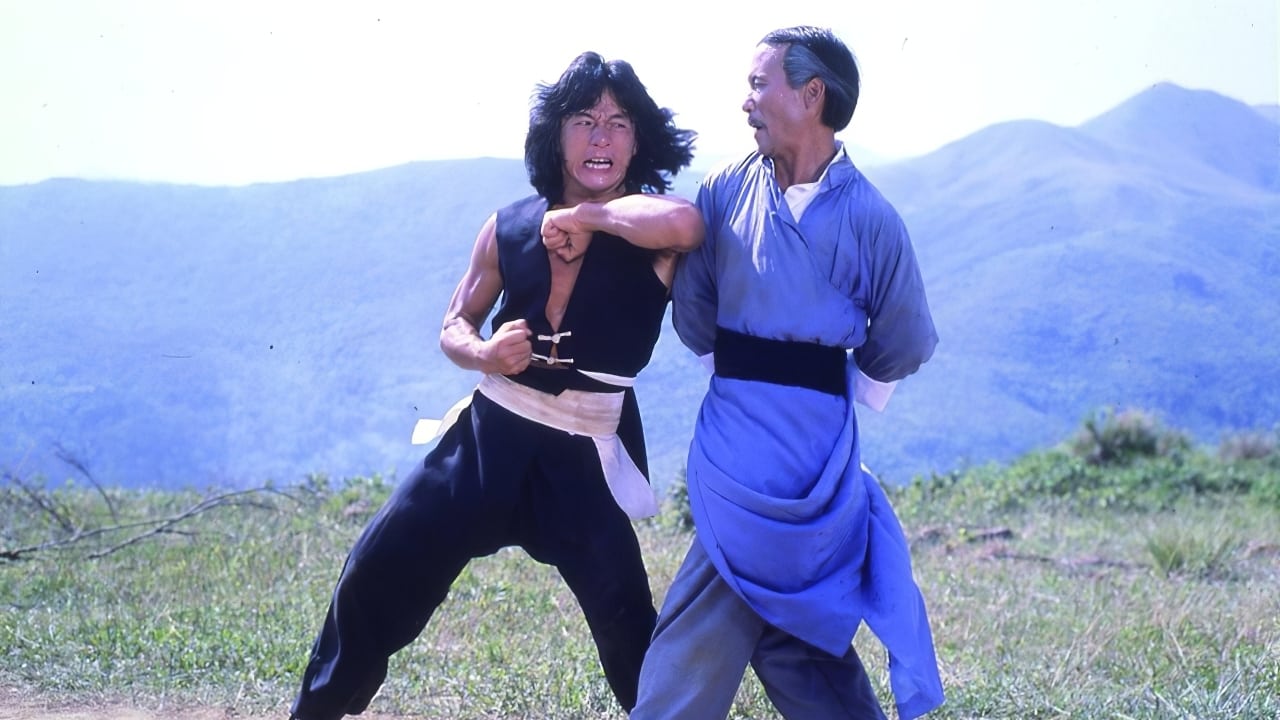
What immediately set The Young Master apart was Jackie's evolving blend of intricate choreography, incredible acrobatic stunts, and surprisingly effective physical comedy. Gone were the overly stoic heroes of many traditional martial arts films. Jackie’s Dragon Lung is relatable – he gets hurt, he gets frustrated, he uses his environment in ingenious ways. Remember that incredible sequence involving the foldable bench? The sheer creativity and timing involved are mind-boggling even now. It wasn’t just about looking cool; it was about showcasing agility, reaction speed, and a willingness to use anything as a weapon or a shield.
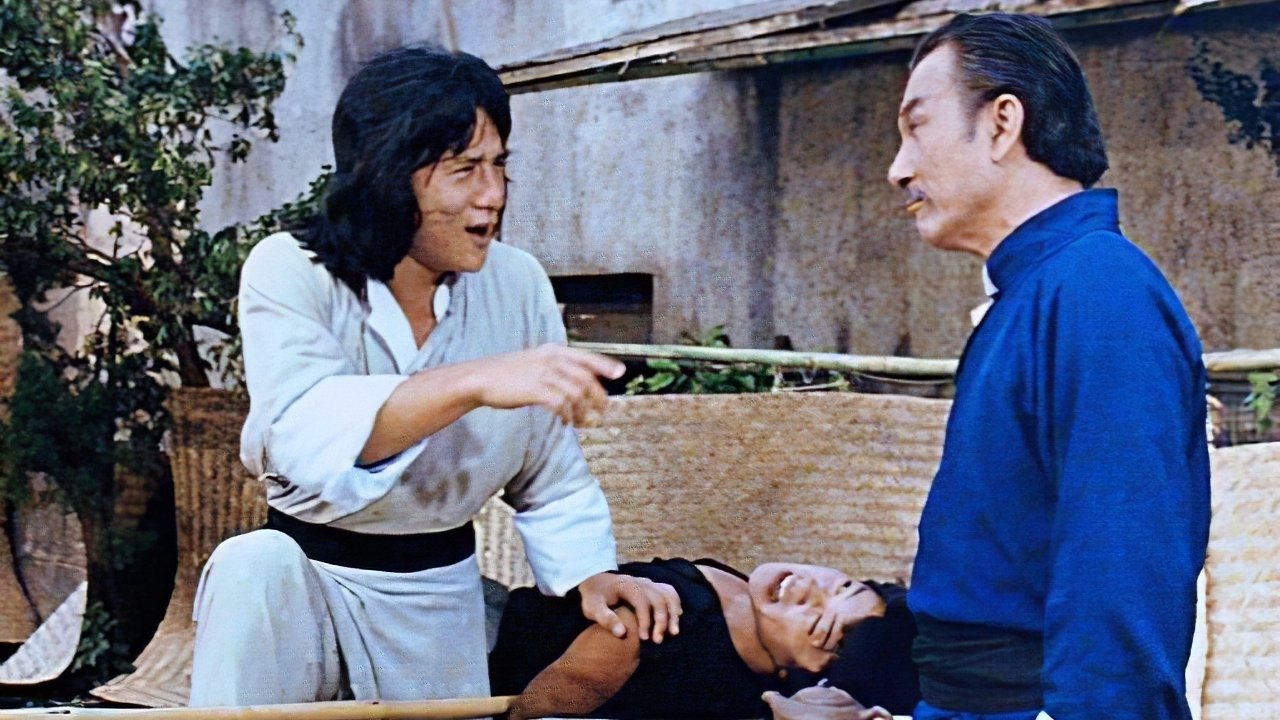
It's in these moments you see the seeds of the Jackie Chan style that would dominate the 80s and 90s. The film also features a fantastic appearance by fellow "Little Fortunes" opera school brother, the incredibly agile Yuen Biao, in an early, memorable role as the local magistrate's son who gets tangled up with Dragon. Their interactions are pure gold, showcasing the effortless chemistry these performers shared from years of intense training together. A little retro fun fact: Jackie and his stunt team, the JC Stunt Team (already forming its core principles here), pushed the boundaries relentlessly. Sequences were often rehearsed and shot over and over, demanding perfection and resulting in genuine bumps and bruises that often made it into the final cut.
### The Practical Pain Barrier
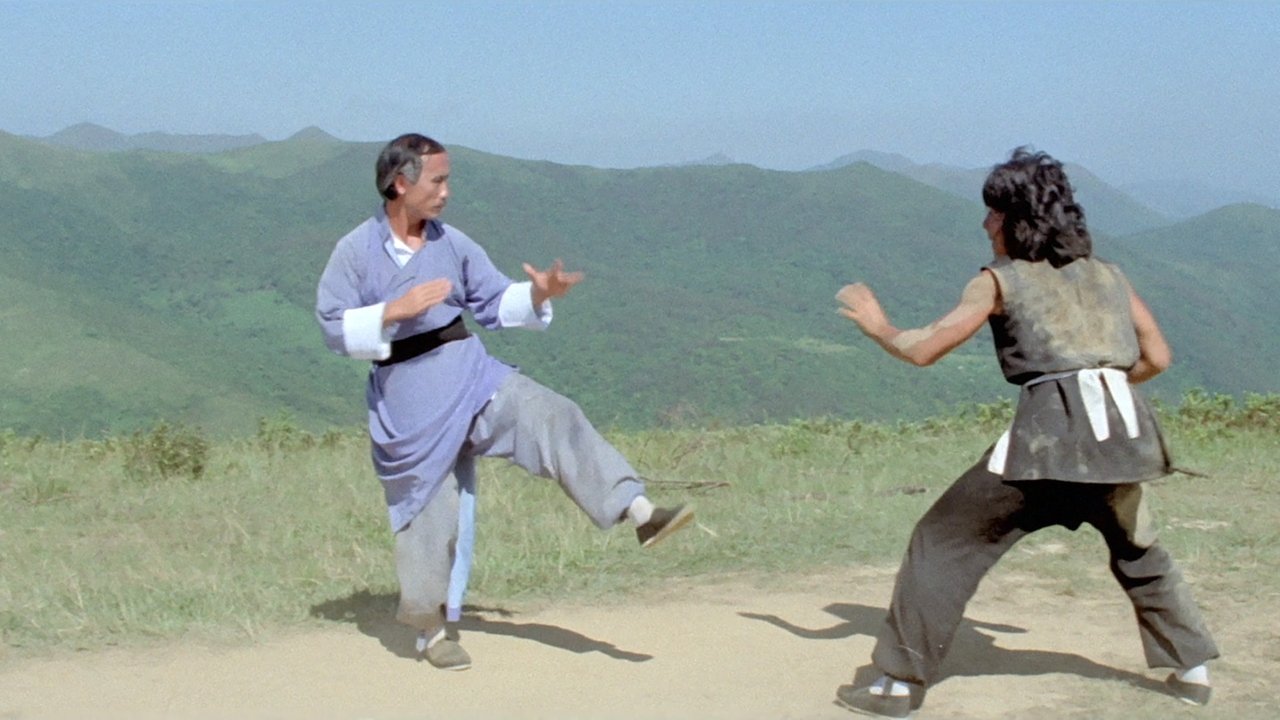
Let's talk about the real magic here, the stuff that made you rewind the tape repeatedly: the practical stunt work. In an era long before CGI could smooth over imperfections or digitally create danger, The Young Master relied on raw talent, guts, and meticulous planning. The falls look painful because they were painful. The hits have impact because performers were truly connecting (with control, of course!). When Dragon engages in a frantic escape, leaping across rooftops or scrambling through tight alleyways, there are no hidden wires easily erased in post-production. It's pure physical prowess. This commitment to realism, even within fantastical choreography, gave 80s Hong Kong action its unique, visceral edge. Compare it to today's often weightless digital doubles – there's a tangible difference, right?
And then there's the finale. Oh, that finale.
### The Legendary Gauntlet
The extended, almost sadistically long final confrontation between Dragon Lung and Master Kam (Whang Ing-sik) is the stuff of legend. It’s not just a fight; it’s an endurance test, a brutal ballet of exhaustion and willpower. Jackie Chan reportedly pushed himself to the absolute limit for this sequence. Retro fun fact alert: The infamous fan fight sequence within this finale supposedly required over 300 takes to get right, according to some accounts. Jackie wanted specific, complex movements captured perfectly. He even apparently broke his nose during filming but carried on. Whang Ing-sik, a genuine Hapkido master, brings an authentic menace and dangerous kicking ability that makes the threat feel incredibly real. You see Dragon getting progressively battered, exhausted, desperately searching for a way – any way – to survive and win. It’s grueling to watch, but utterly compelling. This sequence alone cemented Jackie's reputation for unparalleled dedication and set a new benchmark for climactic martial arts showdowns.
The film wasn't just a creative breakthrough; it smashed Hong Kong box office records upon release, proving Jackie Chan wasn't just a star, but a filmmaker with a unique vision that audiences adored. It perfectly captured the transition from the 70s kung fu boom into the action-comedy spectacle that would define the next decade.
---
VHS Heaven Rating: 9/10
Justification: The Young Master earns this high score for being a pivotal moment in action cinema. While the plot is straightforward, the film explodes with Jackie Chan's directorial energy, innovative choreography, charming physical comedy, and truly breathtaking, dangerous practical stunt work. The final fight remains an iconic testament to physical endurance and filmmaking dedication. It perfectly encapsulates the raw energy and painful beauty of 80s Hong Kong action, setting the stage for Jackie's global superstardom.
Final Take: Pop this one in, and witness the moment a superstar truly took control – it’s a masterclass in pre-CGI grit, grin-inducing invention, and the sheer, beautiful agony of getting the perfect shot. They really don't make 'em like this anymore.