The hum of the VCR, the click of the tape sliding home... and then that image. A small, hooded figure, unnervingly childlike, stands in the snow-dusted Canadian landscape. There's no music yet, just the oppressive quiet before the storm. This isn't just any horror film flickering to life on the CRT screen; this is David Cronenberg's The Brood (1979), a film that doesn't just aim for scares, but burrows deep into the psyche, leaving a residue of primal unease long after the credits roll. It taps into anxieties far more intimate and disturbing than any masked killer ever could.
Rage Made Flesh
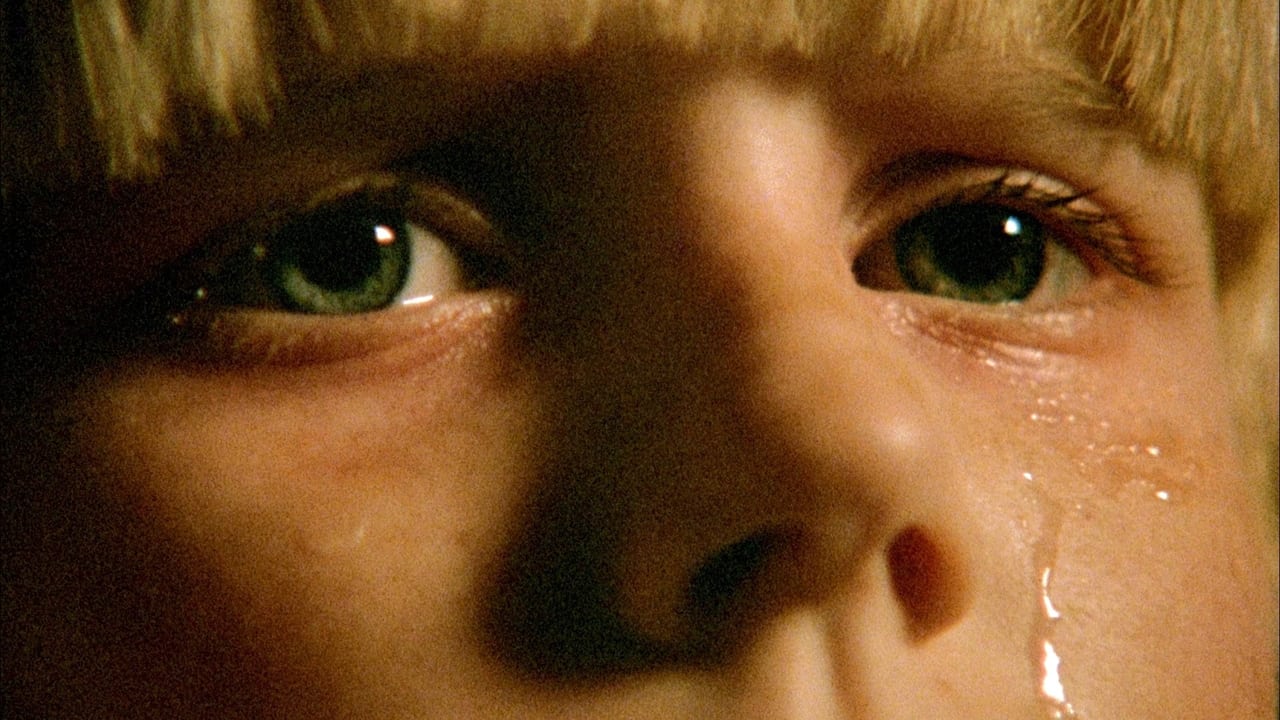
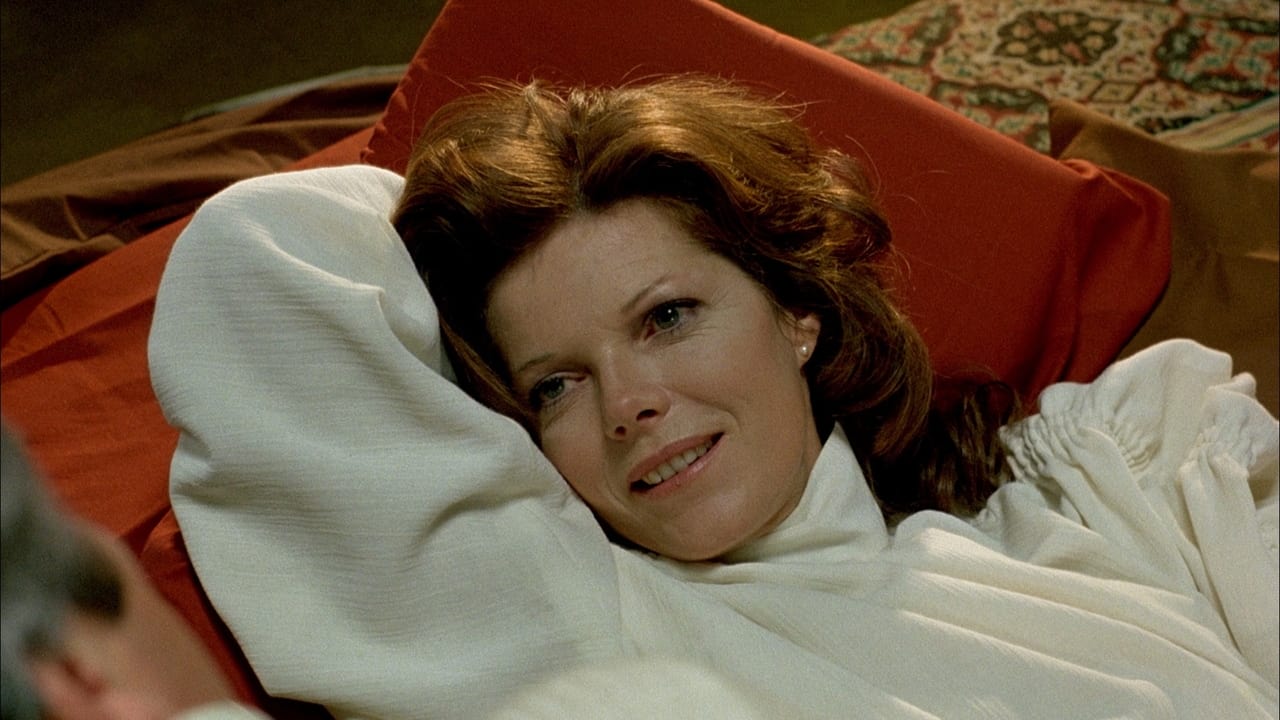
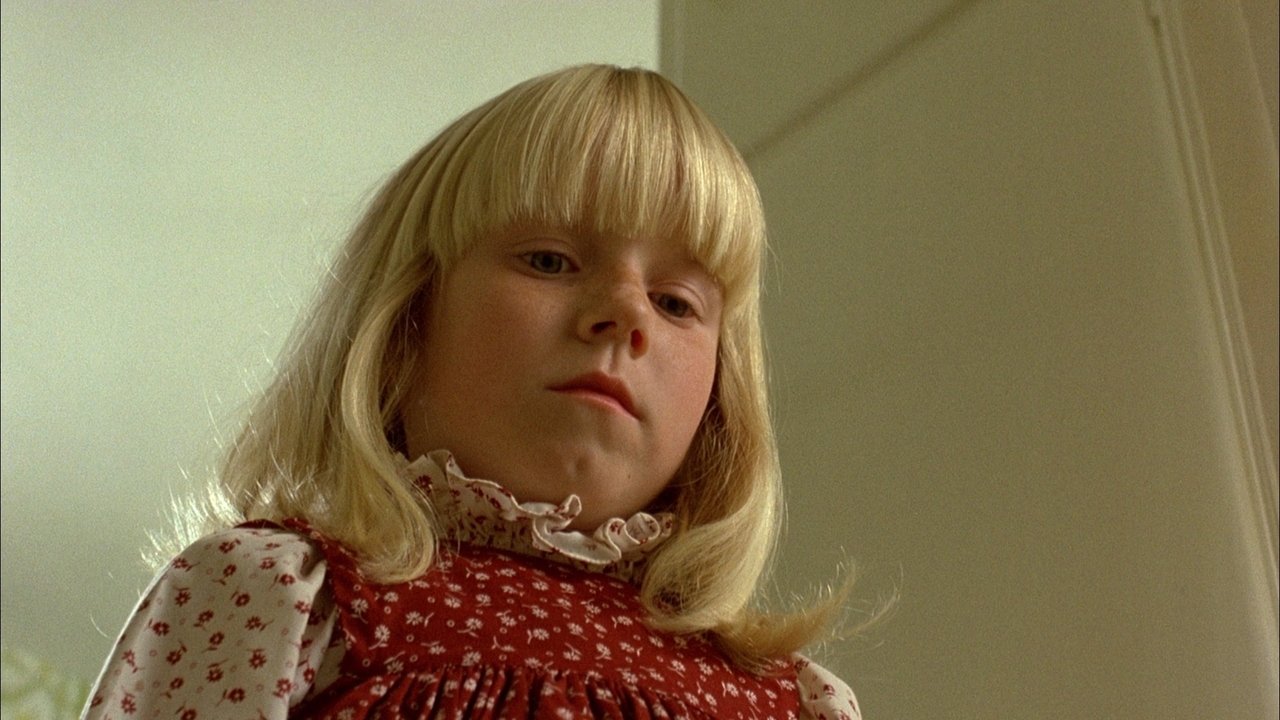
At its cold heart, The Brood explores the terrifying concept of psychological trauma manifesting physically. Frank Carveth (Art Hindle) is locked in a bitter custody battle with his estranged wife, Nola (Samantha Eggar), who is undergoing radical therapy under the care of the charismatic, controversial Dr. Hal Raglan (Oliver Reed). Raglan's "psychoplasmics" technique encourages patients to externalize their emotional turmoil through physiological changes – boils, lesions, tumours. But Nola... Nola's rage is something else entirely. Soon, Frank discovers disturbing bruises on their young daughter, Candy (Cindy Hinds), after her visits with Nola. Simultaneously, people connected to Nola's past traumas begin suffering brutal, fatal attacks by diminutive, seemingly deformed assailants.
The genius, and the sheer horror, of The Brood lies in its gradual reveal. Cronenberg, already pushing boundaries with Shivers (1975) and Rabid (1977), masterfully builds a sense of dread. The initial attacks are shocking, yes, but it's the dawning realisation of what these creatures are, and where they come from, that truly chills the blood. This isn't just science fiction; it feels disturbingly organic, rooted in the raw, messy realities of parental conflict, repressed anger, and the body's capacity for grotesque transformation.
Psychoplasmics and Personal Pain
It's impossible to discuss The Brood without acknowledging its deeply personal origins for Cronenberg. The film was famously conceived during and after his own acrimonious divorce and custody battle. He once described it as his version of Kramer vs. Kramer (1979), albeit one filtered through a lens of visceral body horror. Knowing this adds another layer of discomfort; you're not just watching a horror film, you're witnessing a filmmaker channel profound personal anguish into something monstrous and tangible. It makes Nola's condition, her potent, weaponized maternity, feel less like a plot device and more like a primal scream given form.
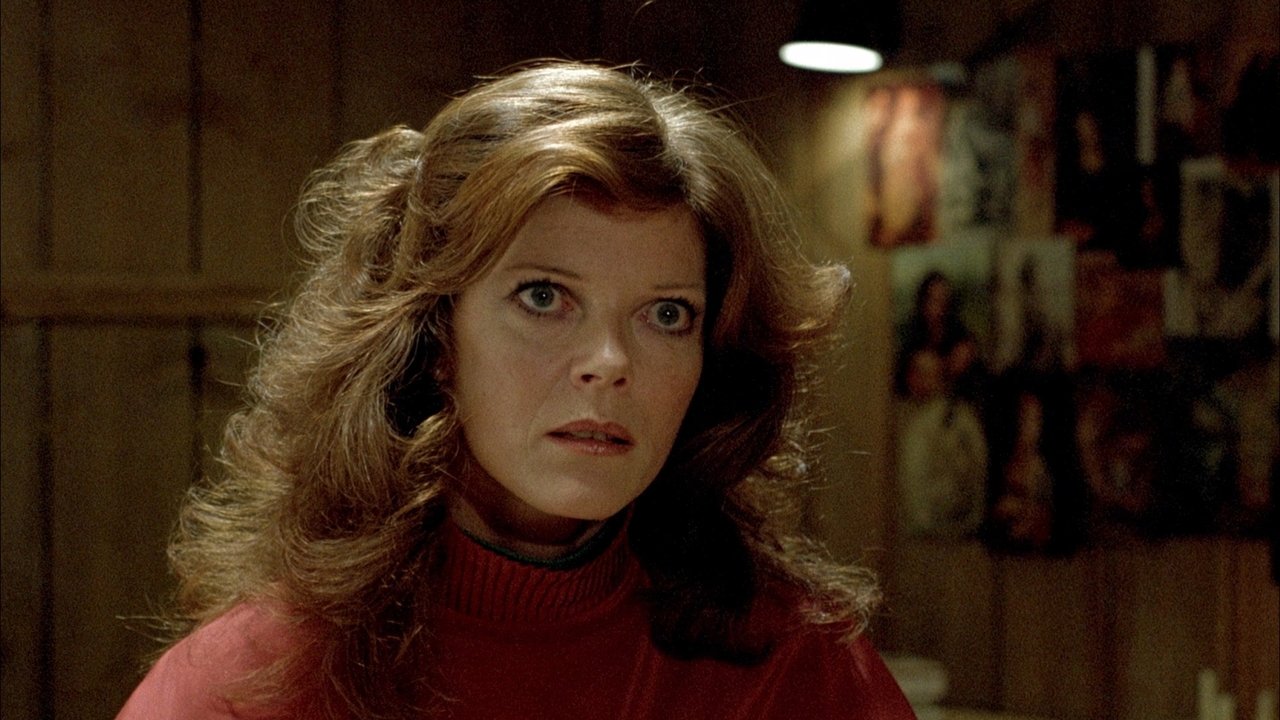
Oliver Reed is magnetic as Dr. Raglan, radiating an unnerving paternal authority mixed with genuine cult-leader intensity. His Somafree Institute, with its sterile modernist architecture contrasting sharply with the primal forces being unleashed within, feels like a truly unsettling location. Reed reportedly clashed with Cronenberg occasionally on set, perhaps channeling some of that friction into his portrayal of a man utterly convinced of his methods, regardless of the horrifying consequences. Samantha Eggar, meanwhile, delivers a performance of fractured vulnerability and terrifying intensity. Her scenes, particularly towards the climax, are raw and unforgettable. Her commitment to the role's demanding physicality and emotional extremes is central to the film's power.
The Unforgettable Reveal
Let's talk about the practical effects, supervised by makeup artist Joe Blasco. In an era before seamless CGI, the effects in The Brood possess a tactile grisliness that still resonates. The design of the titular "brood" – sexless, navel-less, dwarf-like creatures born of rage – is inherently disturbing. They aren't just monsters; they are physical manifestations of corrupted innocence, children born not of love but of pure, unadulterated fury. Remember seeing them swarm, their mallets striking with brutal efficiency? That imagery doesn't easily fade.
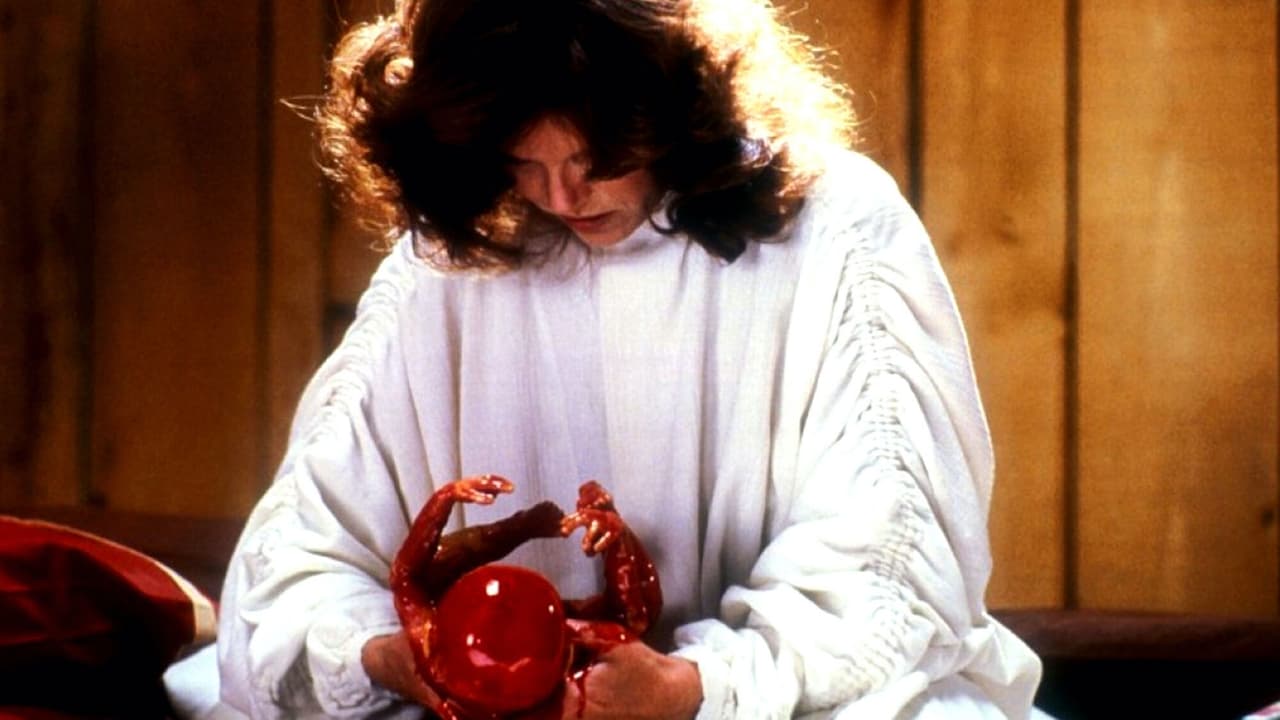
And then there's that scene. Spoiler Alert! The climax, where Nola reveals the source of her brood, lifting her gown to expose the external birth sac pulsating on her abdomen before graphically birthing another creature... it remains one of the most infamous and genuinely shocking moments in body horror history. Filmed with unflinching focus, relying entirely on practical effects, it’s a sequence designed to provoke disgust and primal terror. Reportedly, Eggar found the scene incredibly difficult, yet her performance sells the grotesque reality of it entirely. It’s a moment that likely sent many viewers scrambling for the eject button on their VCRs back in the day, a testament to its raw, visceral power. Some territories demanded cuts, finding the sequence simply too much to bear – a badge of honour, perhaps, for a film aiming squarely for the jugular.
Legacy of Unease
The Brood wasn't a massive box office smash (earning around $5 million against its $1.5 million CAD budget), but its influence lingered, solidifying Cronenberg's reputation as a master of cerebral, visceral horror. It explored themes of psychological trauma, parental anxieties, and the horrifying potential of the human body in ways few films had dared before. It feels colder, bleaker, and perhaps more emotionally resonant than some of his later, more effects-driven work. The film’s bleak Canadian winter setting, captured perfectly by cinematographer Mark Irwin (who would later shoot The Fly (1986) for Cronenberg), enhances the feeling of isolation and dread. Howard Shore's score, dissonant and unnerving, further amplifies the tension, avoiding typical horror cues for something far more unsettling.
Does it hold up? Absolutely. While some elements might feel dated to modern eyes accustomed to digital perfection, the core concepts, the chilling performances, and the sheer audacity of its body horror remain potent. It’s a film that asks uncomfortable questions about the legacy of trauma and the dark side of creation.
VHS Heaven Rating: 8/10
This score reflects the film's undeniable power and Cronenberg's fearless vision. It’s a challenging, disturbing watch, anchored by strong performances and truly unforgettable, pioneering practical effects. The deeply personal nature of the story adds weight, though its relentless bleakness and graphic content won't be for everyone. It loses a point perhaps for pacing that occasionally lags slightly in the middle, and another because its singular focus might feel narrow to some viewers expecting broader horror tropes. However, its status as a landmark of body horror and psychological dread is undisputed.
The Brood isn't just a horror movie; it's a raw nerve exposed, a cinematic exploration of inner demons made terrifyingly real. It's the kind of film that truly felt at home on a worn VHS tape, watched late at night, leaving you contemplating the monstrous potential lurking beneath the surface of human emotion. Doesn't that final, chilling image still linger in the dark corners of your memory?