Sometimes, the ground doesn't just stay sour. Sometimes, it festers. Mary Lambert’s return to Ludlow, Maine, just three years after her genuinely chilling adaptation of Stephen King’s Pet Sematary (1989), wasn’t just a revisit; it felt like digging furiously into the same cursed earth, unearthing something meaner, louder, and splashed with a distinctly grimy, early-90s viscera. Pet Sematary II (1992) might lack the creeping, grief-stricken dread of its predecessor, but it carves out its own space in the annals of horror sequels – a space littered with gore, marked by questionable decisions, and dominated by one truly unforgettable resurrected monster.
New Blood, Old Graves
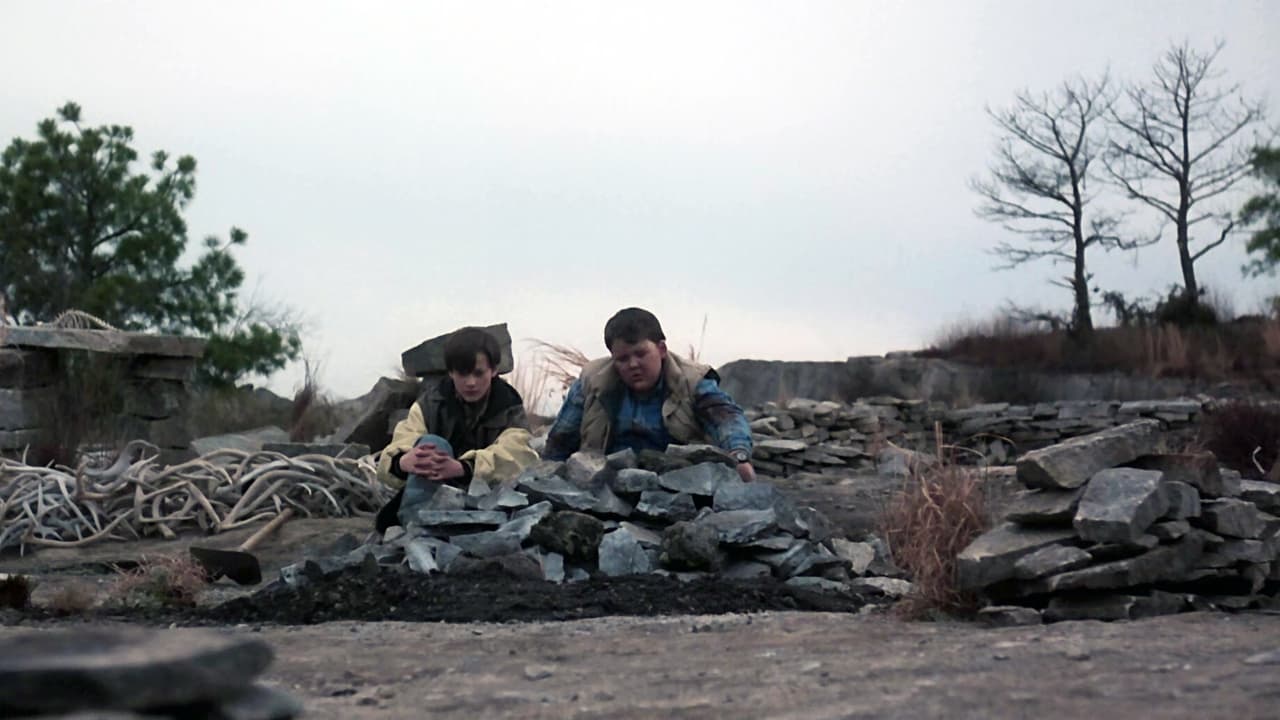
Leaving behind the doomed Creed family (mostly), the story shifts focus to young Jeff Matthews (Edward Furlong, riding high on his Terminator 2: Judgment Day (1991) fame) and his veterinarian father, Chase (Anthony Edwards, years before ER made him a household name). Reeling from the accidental death of Jeff's actress mother, they move to Ludlow, hoping for a fresh start. Of course, Ludlow doesn't do fresh starts. It only offers variations on decay. Jeff soon befriends Drew Gilbert (Jason McGuire), the stepson of the town's bullying sheriff, Gus (Clancy Brown), and learns about the local legend: the Mi'kmaq burial ground beyond the pet cemetery, a place where dead things supposedly don't stay dead. When Gus maliciously shoots Drew's beloved dog, Zowie, the boys make the fateful trip, setting in motion a new cycle of unnatural resurrection and escalating violence.
Lambert's Unsettling Encore
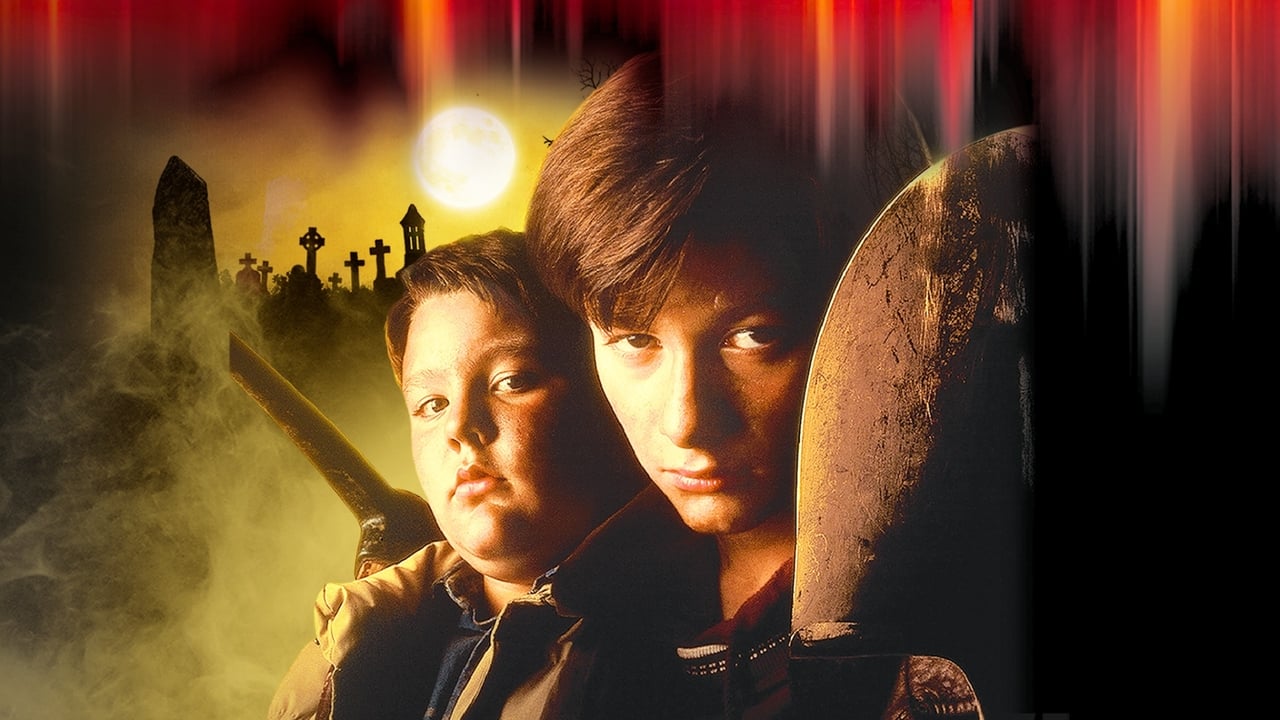
It's fascinating that Mary Lambert, who captured the original's somber tone so effectively, returned for this sequel. Perhaps Paramount, eager to capitalize on the first film's $57 million haul (on an $11 million budget), saw her as the only choice. While Stephen King reportedly distanced himself enough to have his possessive credit removed from the title, Lambert dives back in, but the result feels… different. The oppressive atmosphere is dialed back, replaced by a more aggressive, almost punk-rock energy. The pacing is faster, the shocks are bloodier, and the tone veers wildly between genuine unpleasantness (the relentless bullying, the disturbing fate of certain characters) and a kind of Grand Guignol theatricality. It’s less about the insidious horror of grief and more about the explosive consequences of rage and the sheer wrongness of cheating death. Lambert shot primarily in Georgia again, aiming for continuity, but the feel is less haunted, more aggressively hostile.
Teen Angst and Paternal Concern
Edward Furlong, with his era-defining haircut and sullen intensity, is perfectly cast as Jeff. He embodies that specific brand of early-90s teen angst, grappling with loss and finding a dangerous outlet in Ludlow's dark secret. He carries the emotional weight of the film, even when the script sometimes struggles to give him depth beyond 'troubled youth'. Opposite him, Anthony Edwards brings a necessary warmth and decency as Chase. He’s the concerned father figure, trying to navigate his son's grief and the town's unsettling undercurrents, grounding the film slightly before things inevitably go completely off the rails. Their dynamic provides a fragile human core amidst the rising tide of the unnatural.

A Villain Resurrected to Perfection
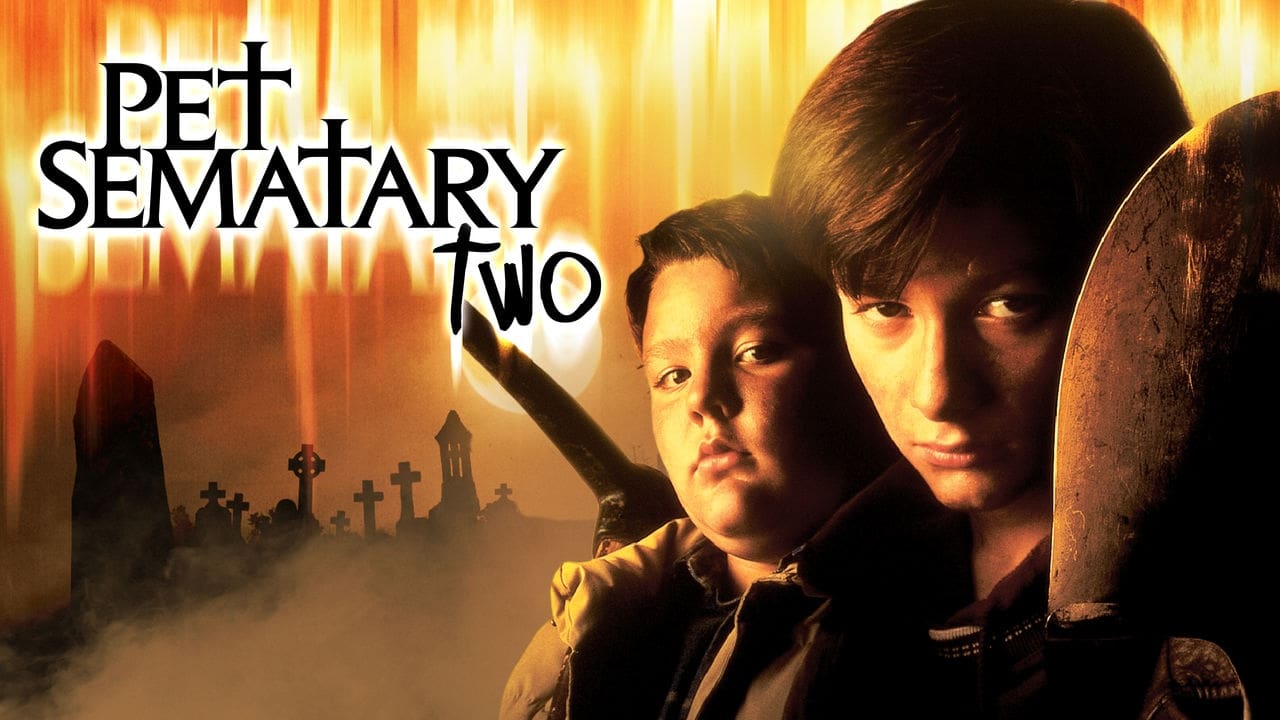
Let's be honest: the reason Pet Sematary II still gets talked about, the reason it earned its spot on countless video store shelves, is Clancy Brown as Gus Gilbert. Even before his inevitable trip to the sour ground, Gus is a terrifyingly mundane monster – a cruel, abusive stepfather and power-tripping sheriff. Brown, already iconic as the Kurgan in Highlander (1986), clearly revels in the role. But once Gus comes back… oh boy. He transforms into a gleefully malevolent force of nature, delivering darkly comic lines ("No brain, no pain!") with psychotic relish while engaging in increasingly grisly acts. His resurrection isn't just about being undead; it's about amplifying his worst traits into something truly grotesque and darkly entertaining. Remember the potato peeling scene? Or his chillingly casual approach to murder? Brown's performance elevates the film from a standard sequel to something approaching cult royalty. It’s a performance that reportedly had the crew both laughing and genuinely unnerved on set.
Practical Gore and 90s Nastiness
Where the original film often relied on suggestion and psychological horror, Pet Sematary II throws the gore gauntlet down. The practical effects team clearly had fun, delivering memorable (and stomach-churning) sequences. Gus's slow decay, the resurrected animals, and the various bodily traumas are rendered with a wet, tangible quality that defined so much of the era's best practical work. The film reportedly pushed the envelope with the MPAA, aiming for an R-rating packed with as much grue as possible on its estimated $8 million budget. While its $17 million box office didn't match the original, its commitment to graphic horror certainly made an impression on VHS renters looking for a stronger dose of the nasty stuff. Doesn't that scene with the motorcycle spokes still make you wince?
Uneven Ground, Lasting Impression
Is Pet Sematary II a great film? Probably not, in the way its predecessor arguably is. The plot feels somewhat repetitive, echoing beats from the first movie without the same thematic resonance. Some subplots, like Clyde the bully (Jared Rushton, from Big and Honey, I Shrunk the Kids) feel underdeveloped, and the finale leans into chaotic slasher territory. It lacks the original's profound sadness and chilling inevitability. Yet, there’s an undeniable, pulpy energy to it. It captures a specific moment in early 90s horror – less refined, more aggressive, willing to be messy and mean. I distinctly remember renting this tape, drawn in by Furlong's face and the promise of more graveyard horror, and being simultaneously repulsed and captivated by its sheer audacity, especially Brown's performance.
***

Rating: 6/10
Justification: While hampered by a less compelling narrative than the original and some uneven plotting, Pet Sematary II earns points for its commitment to practical gore, Edward Furlong's solid lead performance capturing the era's teen angst, and most significantly, Clancy Brown's legendary, scenery-chewing turn as the resurrected Gus Gilbert. He alone makes it a memorable slice of early 90s horror nastiness. It trades haunting atmosphere for visceral shocks and dark humor, making it a flawed but undeniably watchable cult sequel.
Final Thought: It may stand in the shadow of the original, but Pet Sematary II dug its own shallow grave in the landscape of 90s horror, leaving behind a legacy cemented by gore, teen angst, and one truly unforgettable undead sheriff. Sometimes, different is deadlier.