Ah, Condorman. The very name conjures up images of bright blue spandex, slightly unwieldy mechanical wings, and a certain wide-eyed earnestness that feels distinctly early-80s. It wasn't quite Bond, not quite Batman, but for a certain kind of kid glued to the TV screen back then, this 1981 Disney offering felt like a wonderfully oddball adventure plucked straight from the pages of a comic book – which, fittingly, is exactly where our hero starts.
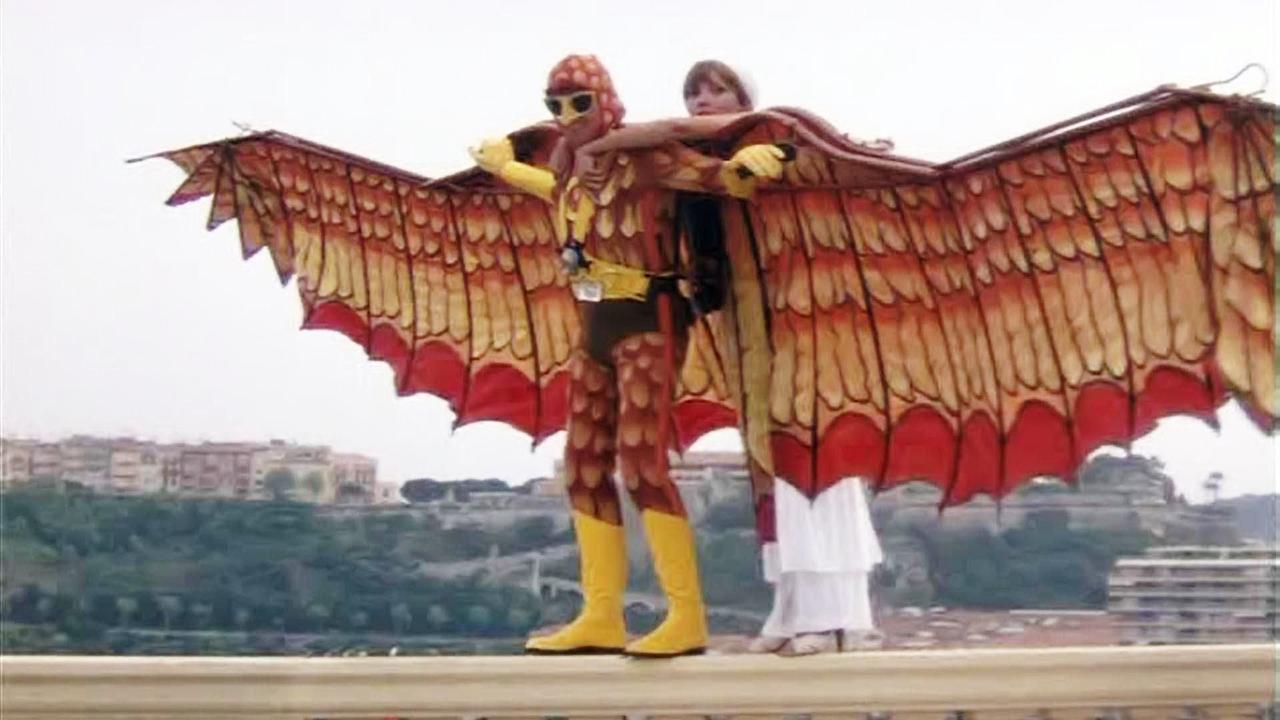
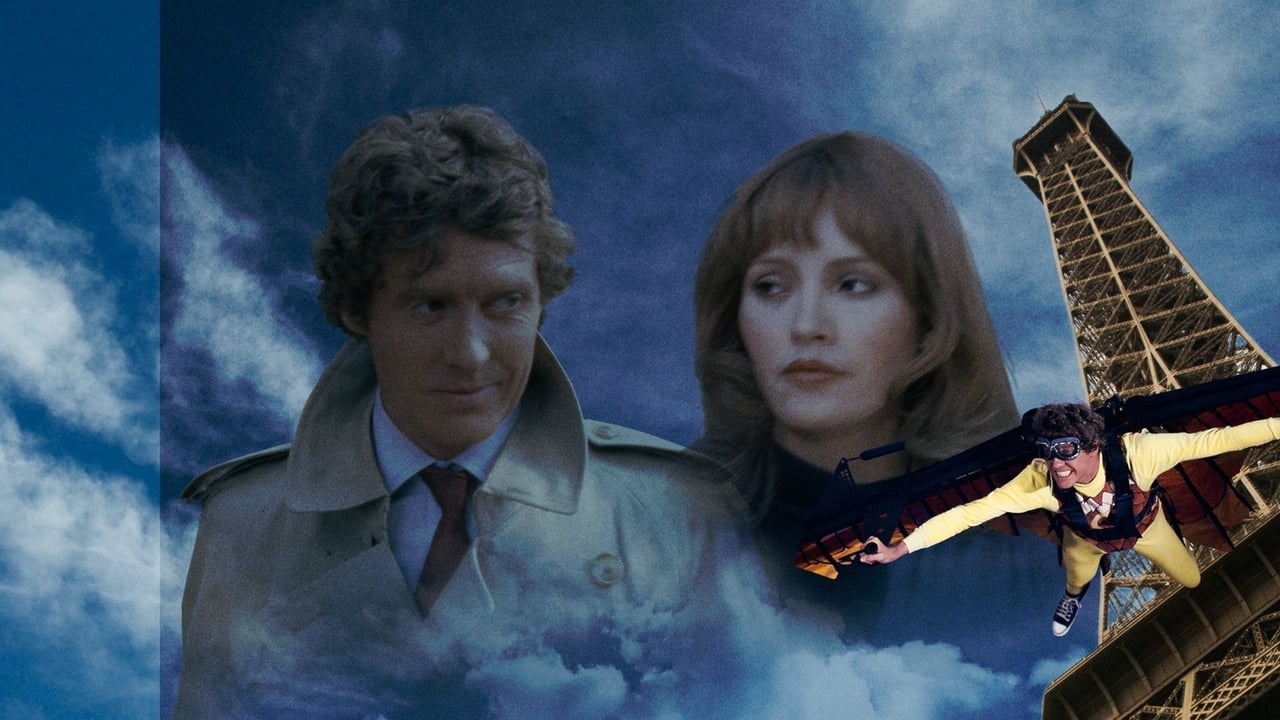
The premise itself is delightfully quirky: Woody Wilkins, played with infectious, slightly clumsy charm by Michael Crawford, is a comic book writer and artist obsessed with realism. He insists on testing his creations, which leads him to craft a functional Condorman suit (wings and all!) for a flight off the Eiffel Tower. This stunt, naturally, goes sideways, but his path crosses with the CIA and a beautiful Soviet agent, Natalia Rambova (Barbara Carrera, bringing glamour fresh off Dallas and pre-Never Say Never Again). Through a series of mistaken identities and escalating mishaps, Woody finds himself living out his own superhero fantasy, tasked with helping Natalia defect while dodging the menacing KGB agent Krokov, played with scenery-chewing relish by the legendary Oliver Reed.
### From Comic Book Dreams to Cold War Schemes
What makes Condorman stick in the memory isn't necessarily a tightly plotted espionage thriller – let's be honest, the plot is full of convenient turns and spy clichés played mostly for laughs. Instead, it’s the sheer, unadulterated wish-fulfillment of it all. Woody isn't a trained spy; he's a creative guy who just really wants his comic book world to be real. And who among us, sketching heroes in our school notebooks, didn't share that dream just a little? Michael Crawford, then primarily known in the UK for his hilariously accident-prone Frank Spencer in Some Mothers Do 'Ave 'Em and years before his global stage stardom in The Phantom of the Opera, leans into Woody's inherent physical comedy. It’s a casting choice that pays off; his Woody is believable as both an everyman utterly out of his depth and someone surprisingly capable when channeling his Condorman persona. A fun bit of trivia: Crawford, true to his physically demanding performance roots, performed many of his own stunts, adding a layer of genuine effort to the on-screen antics.
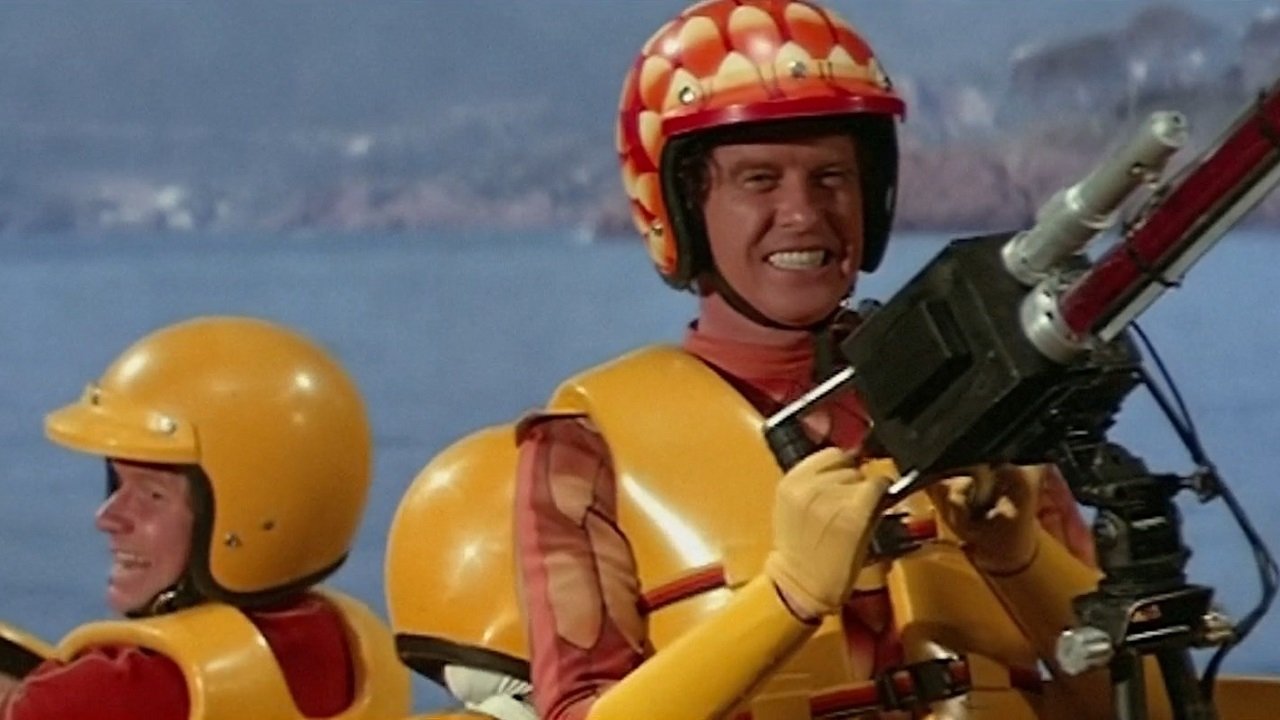
The film was directed by Charles Jarrott, perhaps a surprising choice given his pedigree with serious historical dramas like Anne of the Thousand Days and Mary, Queen of Scots. Yet, he brings a certain European flair to the proceedings, making full use of the picturesque filming locations across France, Monaco, and Switzerland. These scenic backdrops lend the film a glossy, almost Bond-lite aesthetic that clashes amusingly with the inherent silliness of a man in a bird suit battling KGB agents with laser-firing speedboats.
### Wings, Wires, and Gadget Wonder
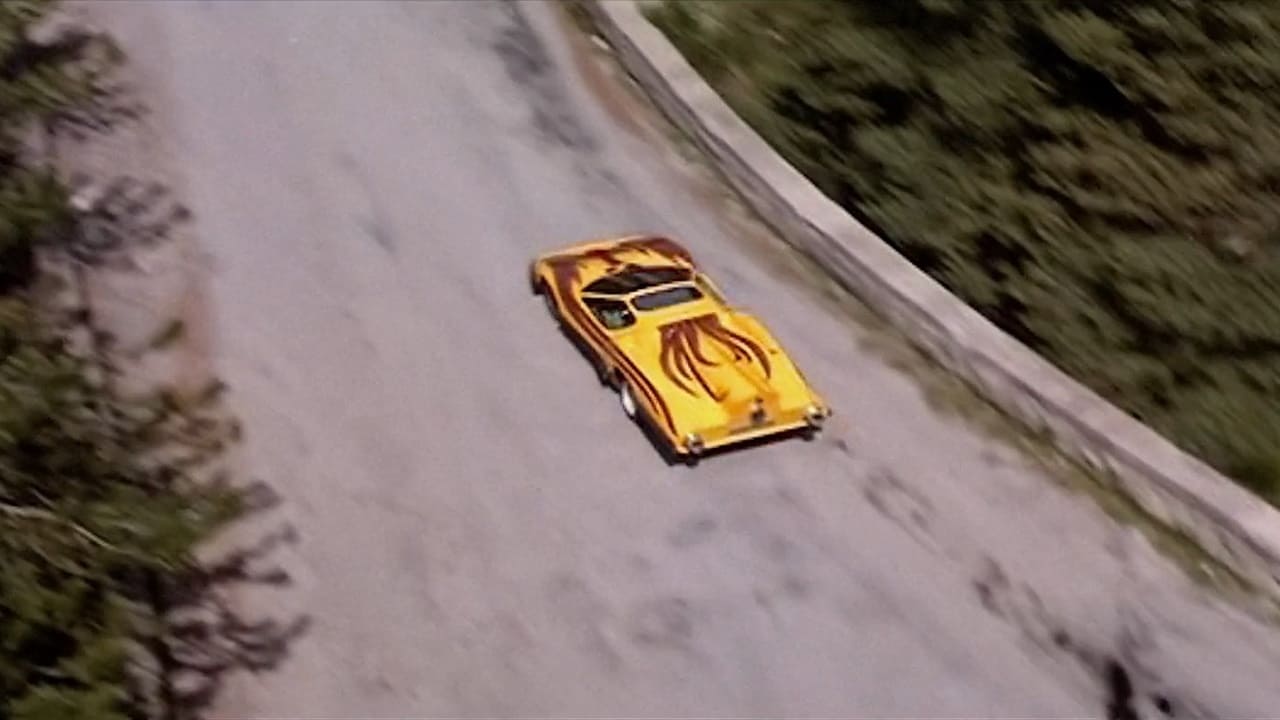
Let's talk about those gadgets! The Condorman suit, especially those wings, were ambitious practical effects for their time. Watching it now, you can appreciate the effort involved – the complex wirework needed to simulate flight, the sheer scale of the wing props. Sure, sometimes you might spot a wire, or the flight might look a tad less than convincing compared to modern digital wizardry, but that's part of the VHS-era charm, isn't it? It felt tangible, real in a way CGI often doesn't. And who could forget the Condormobile? That souped-up, gadget-laden car emerging from a beat-up gypsy wagon was pure movie magic back then, the kind of reveal that made you gasp. These practical elements, designed with obvious care, are a huge part of the film's nostalgic appeal.
Adding immeasurably to the film's adventurous spirit is the fantastic score by the one and only Henry Mancini. Fresh off his work on films like The Pink Panther series, Mancini lends Condorman a sweeping, heroic theme that elevates the action and imbues Woody's escapades with a genuine sense of grandeur, perfectly capturing that spirit of high-flying adventure, even when the hero himself is flapping a bit awkwardly.
### A Quirky Footnote in the Disney Vault
Despite its unique premise and game cast, Condorman didn't exactly set the box office alight. Made for a reported $12.5 million – a fairly substantial sum for a Disney live-action film in 1981 – it struggled to find a wide audience, pulling in only around $9-10 million domestically. Critics at the time were somewhat baffled, unsure whether to treat it as a serious spy flick or a lighthearted spoof. Consequently, planned sequels never materialized, leaving Condorman as a standalone curiosity in the Disney library. Marvel Comics even produced a short-lived comic book adaptation, further cementing its cult status among those who remember it fondly.
Yet, its legacy isn't entirely grounded. For fans of a certain age, Condorman represents a specific type of imaginative, slightly goofy filmmaking that feels increasingly rare. It's a film made with heart, even if its execution is occasionally uneven. Watching Oliver Reed, known for his intense and often terrifying screen presence (Gladiator, The Devils), trying to look menacing while dealing with Woody's cartoonish antics is a joy in itself. His barely contained exasperation feels hilariously genuine opposite Crawford's relentless optimism.
***

VHS Heaven Rating: 6/10
Condorman is undeniably flawed – the pacing sometimes drags, the plot leans heavily on convenience, and the tone wobbles between earnest adventure and outright silliness. However, it earns its 6 points through sheer nostalgic charm, Michael Crawford's endearing performance, the delightful absurdity of Oliver Reed as the villain, Henry Mancini's rousing score, and those ambitious, wonderfully clunky practical effects. It’s a film that aimed for the sky, even if it didn’t quite achieve smooth flight, capturing that particular brand of early-80s blockbuster aspiration.
For those who remember catching it on a rainy afternoon TV broadcast or grabbing that distinctive VHS tape off the rental shelf, Condorman remains a fondly remembered flight of fancy – a charmingly awkward superhero for a slightly more innocent age. It may not be a masterpiece, but it’s definitely a unique feather in Disney’s cap.