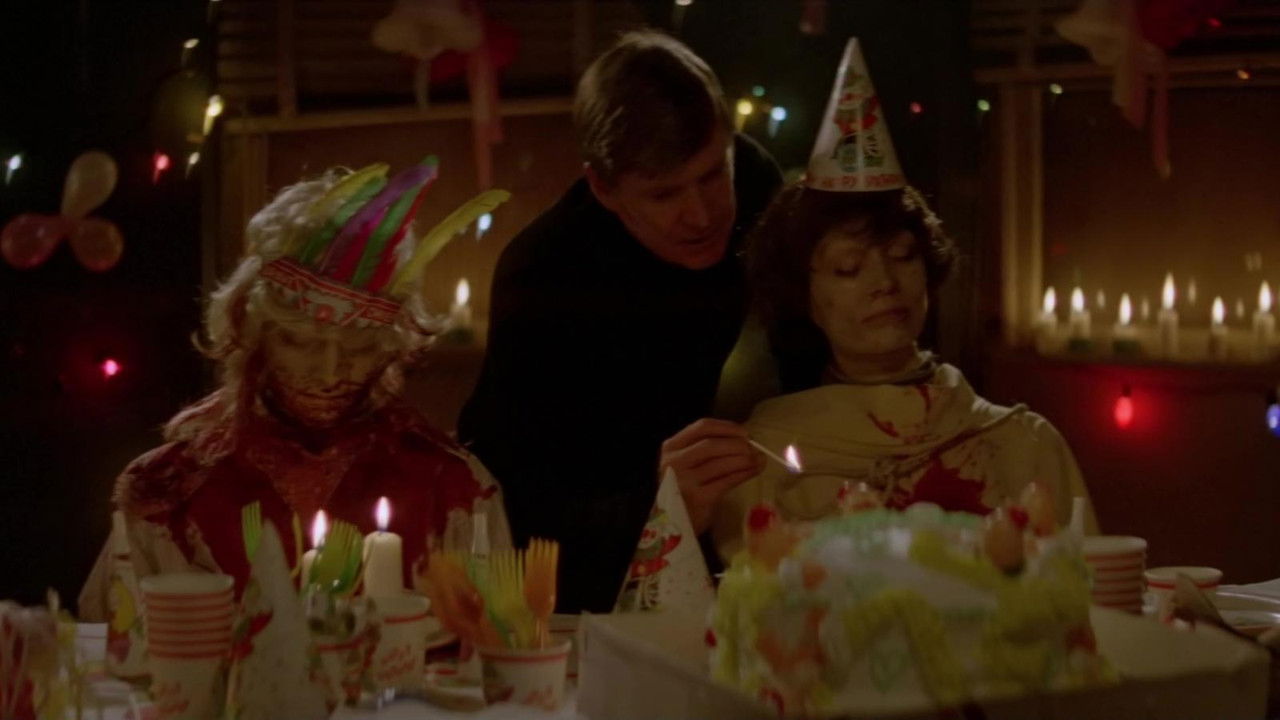
Okay, fellow tapeheads, dim the lights and let that familiar magnetic hiss fill the room. Tonight, we're pulling a slightly dusty but undeniably potent slab of early 80s dread from the shelf: Ovidio G. Assonitis's 1981 chiller, Madhouse. Forget the slick, polished horror of today for a moment; this is the kind of film that felt genuinely grimy and unsettling when viewed on a flickering CRT, a birthday party gone terribly, terribly wrong.
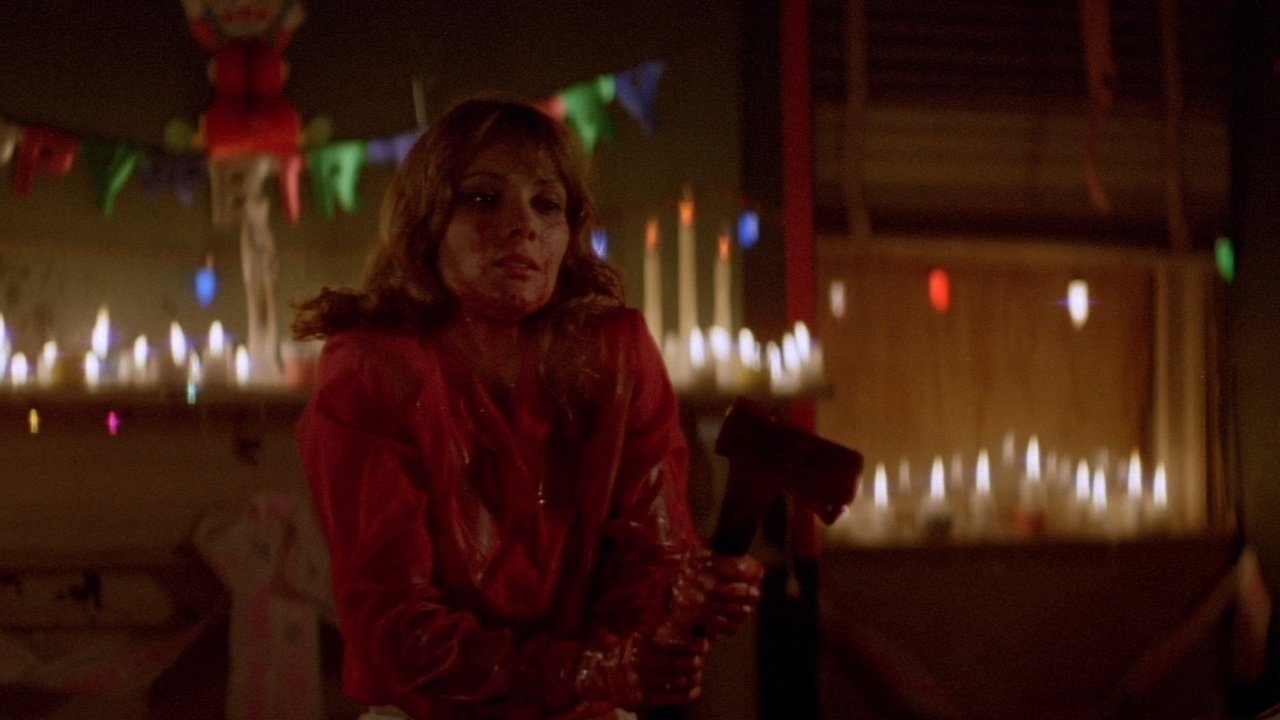
Originally titled There Was a Little Girl, Madhouse immediately sets an unnerving tone. It centers on Julia Sullivan (Trish Everly), a teacher for deaf children living in Savannah, Georgia. As her birthday approaches, she’s haunted by traumatic childhood memories involving her identical twin sister, Mary (Allison Biggers), who was institutionalized after years of sadistic bullying. When news arrives that Mary has escaped the mental hospital, suffering from a disfiguring skin disease and vowing revenge before Julia's birthday... well, let's just say the party preparations take a dark turn.
Southern Gothic and Slasher Stakes
What makes Madhouse burrow under your skin, even now, isn't just the jump scares (though there are a few effective ones). It's the pervasive sense of unease. Director Assonitis, an Italian producer/director known for ambitious, sometimes troubled genre pictures like Tentacles (1977) and Beyond the Door (1974), brings a touch of European Giallo sensibility to the American slasher formula. The Savannah locations, beautifully shot, lend a distinct Southern Gothic atmosphere – think decaying elegance mixed with sweltering dread. It feels less like the typical suburban slashers of the era and more like something... stranger.

Trish Everly, in what’s surprisingly her only major film role, carries the film with a convincing vulnerability. You genuinely feel for Julia as her life unravels, trapped between past trauma and present terror. The supporting cast, including Michael MacRae as Julia's psychologist boyfriend Sam, do their jobs effectively, adding layers to the unfolding nightmare. But the real co-star, arguably, is the creeping paranoia. Is Mary really back? Who can Julia trust in her increasingly isolated apartment building?
That Dog Attack and Other Practical Nightmares
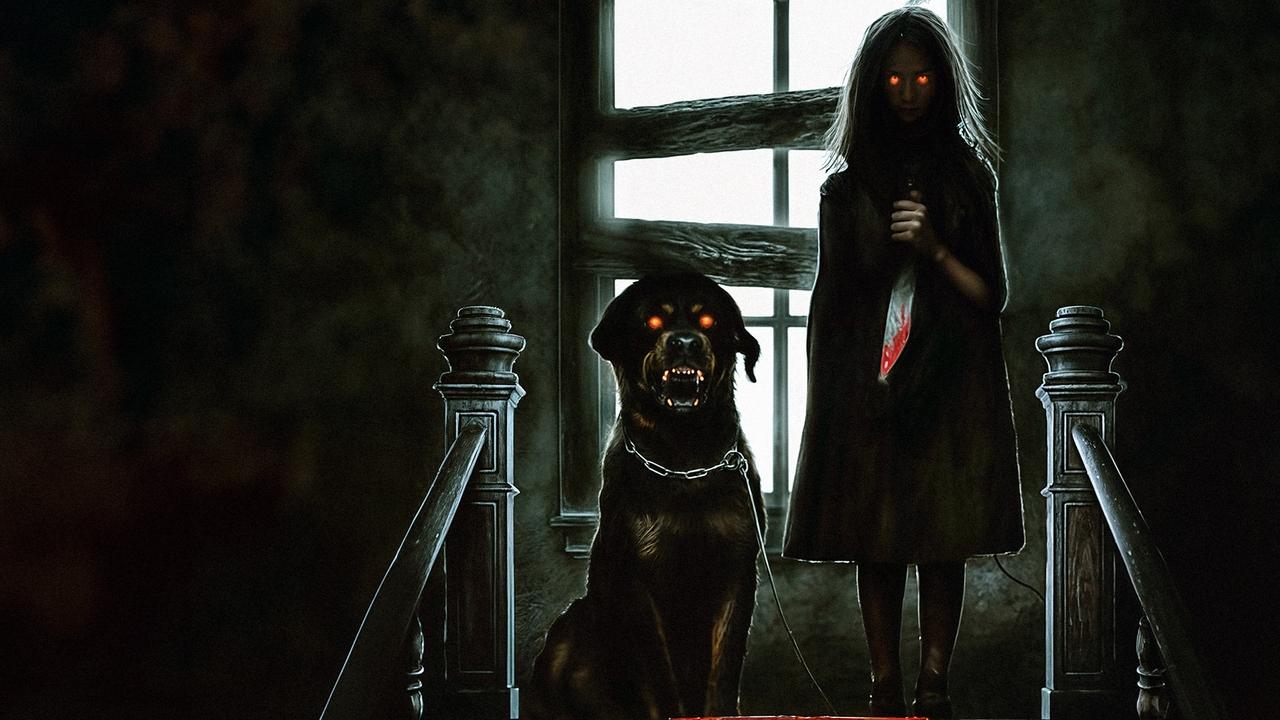
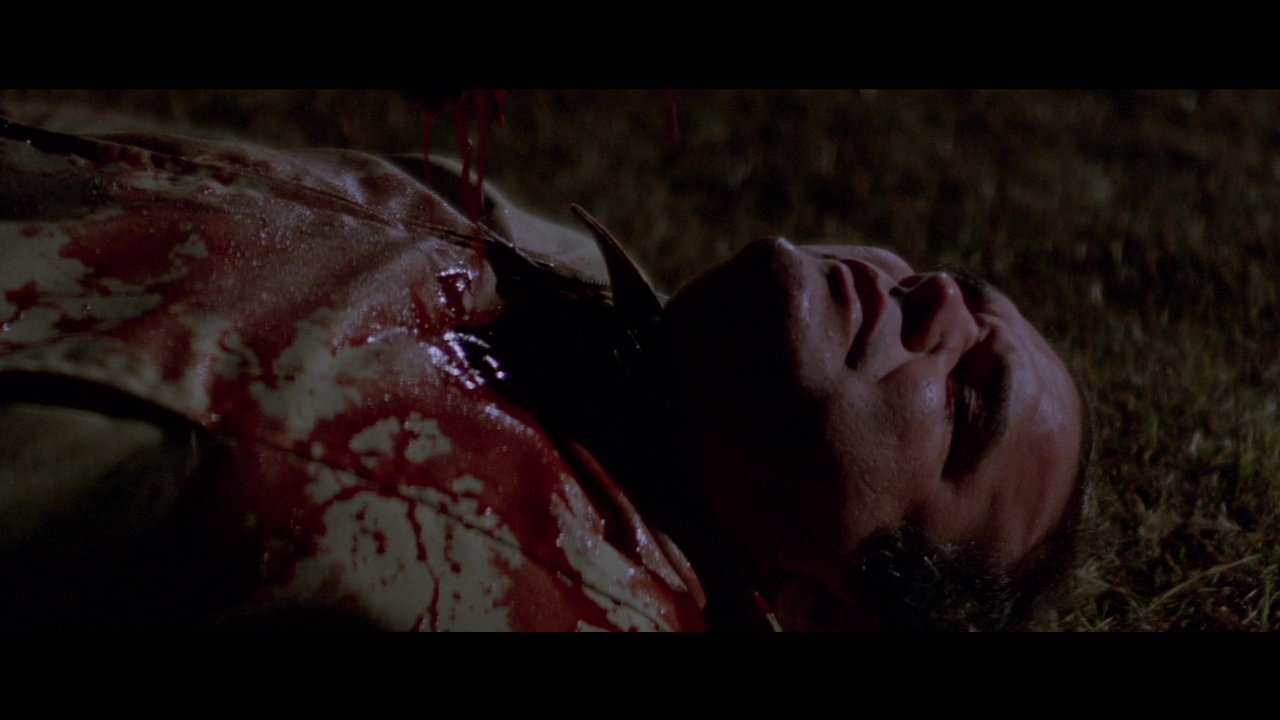
Let's talk about that scene. If you saw Madhouse back in the day, you likely remember the sequence involving Mary's vicious Rottweiler. This wasn't CGI, folks. This was a real (presumably highly trained) dog, filmed with a raw intensity that made you flinch. Remember how real those moments felt? The chaos, the genuine sense of danger – it was achieved through careful staging, editing, and the sheer presence of a physical threat. It’s a prime example of how practical effects, even if less ‘perfect’ than today’s digital creations, could deliver a visceral gut punch that stays with you. The film doesn't shy away from graphic moments elsewhere either, contributing to its notoriety.
A Video Nasty Survivor
Speaking of notoriety, here's a juicy retro fun fact: Madhouse landed squarely on the infamous "Video Nasty" list in the UK during the moral panic of the early 80s. Alongside notorious titles like The Driller Killer and Cannibal Holocaust, it was deemed liable for prosecution and effectively banned for a time. Finding a copy felt illicit, adding to its cult appeal for hardcore horror hounds browsing the more adventurous video store shelves. Imagine the buzz around renting something the authorities didn't want you to see! It certainly cemented its place in horror history, even if critical reception at the time was decidedly mixed. Its journey to screen wasn't entirely smooth either, facing some distribution hurdles which might explain why it sometimes feels like a slightly lesser-known gem compared to its slasher contemporaries.
Flawed But Fascinating
Is Madhouse a perfect film? Absolutely not. The pacing can occasionally lag, and some plot elements might feel a bit contrived under modern scrutiny. The synthesizer score by Riz Ortolani (who scored Cannibal Holocaust, interestingly) is effectively eerie in places but very much of its time. Yet, its strengths lie in its atmosphere, its commitment to its unsettling premise, and those moments of genuinely shocking practical horror. It’s a film that feels handcrafted, flaws and all, embodying that specific texture of early 80s horror filmmaking before the genre became overly formulaic.
It taps into primal fears – sibling rivalry twisted into homicidal mania, the sanctuary of home becoming a trap, the past refusing to stay buried. Assonitis builds tension effectively, using the confines of the apartment building to create a claustrophobic hunting ground.
---
VHS Heaven Rating: 7/10
Justification: Madhouse earns a solid 7 for its potent atmosphere, Trish Everly's strong central performance, and its memorably nasty practical effects sequences (especially that dog). It successfully blends American slasher tropes with a touch of Italianate style, and its status as a former 'Video Nasty' adds undeniable cult cachet. Points are deducted for some uneven pacing and occasional plot predictability, but its unsettling core and genuinely creepy moments make it a standout slice of early 80s horror worth revisiting.
Final Rewind: This isn't just another masked killer flick; Madhouse offers a uniquely creepy birthday party you won't soon forget, powered by raw practical effects and a pervasive sense of dread that defined the best – and most notorious – horror tapes of the era. Still packs a unsettling punch, even if the tracking lines are long gone.