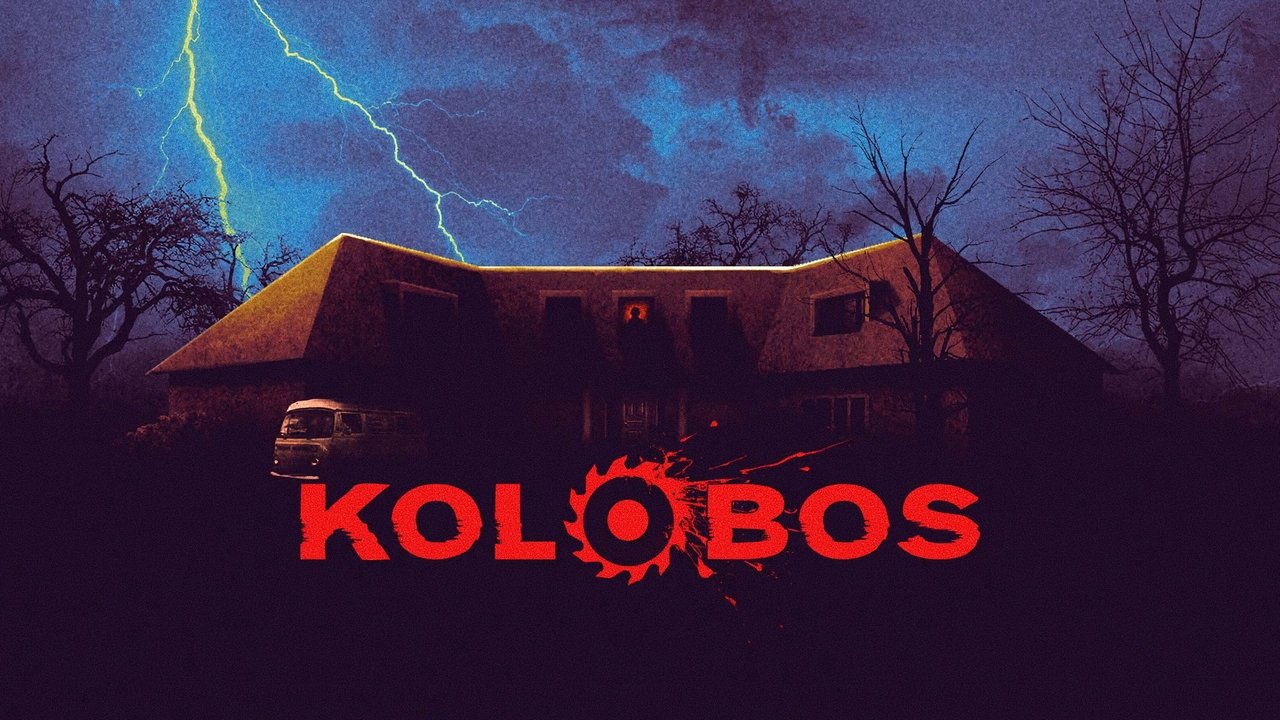
"My drawings are getting darker," she whispers, the words hanging heavy in the air like dust motes in a projector beam. That simple admission from Kyra (Amy Weber), an artist haunted by violent visions, sets the stage for Kolobos, a late-90s direct-to-video curio that burrows under your skin with its peculiar blend of slasher tropes, giallo flourishes, and psychological dread. It’s the kind of film you might have stumbled upon late one Friday night, the lurid cover art promising something familiar yet strangely… off. And Kolobos delivers on that unsettling promise, even with its visible seams.
### An Invitation You Can't Refuse (Or Survive)
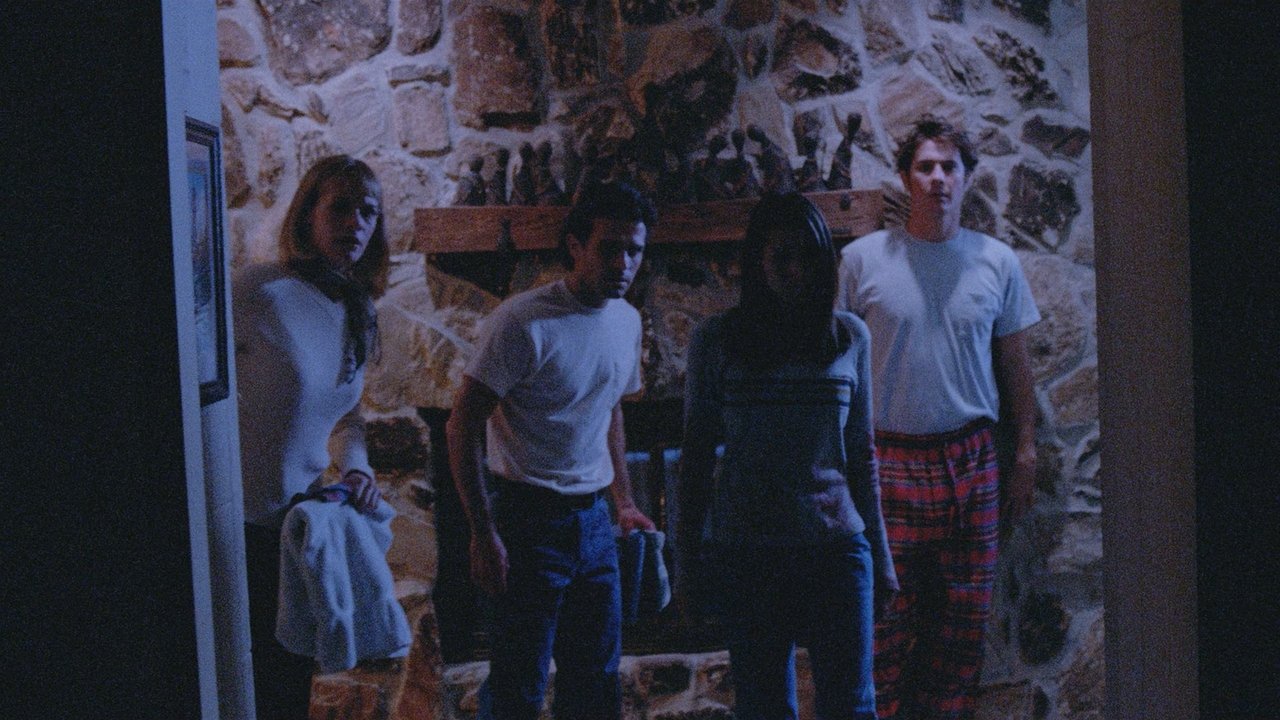
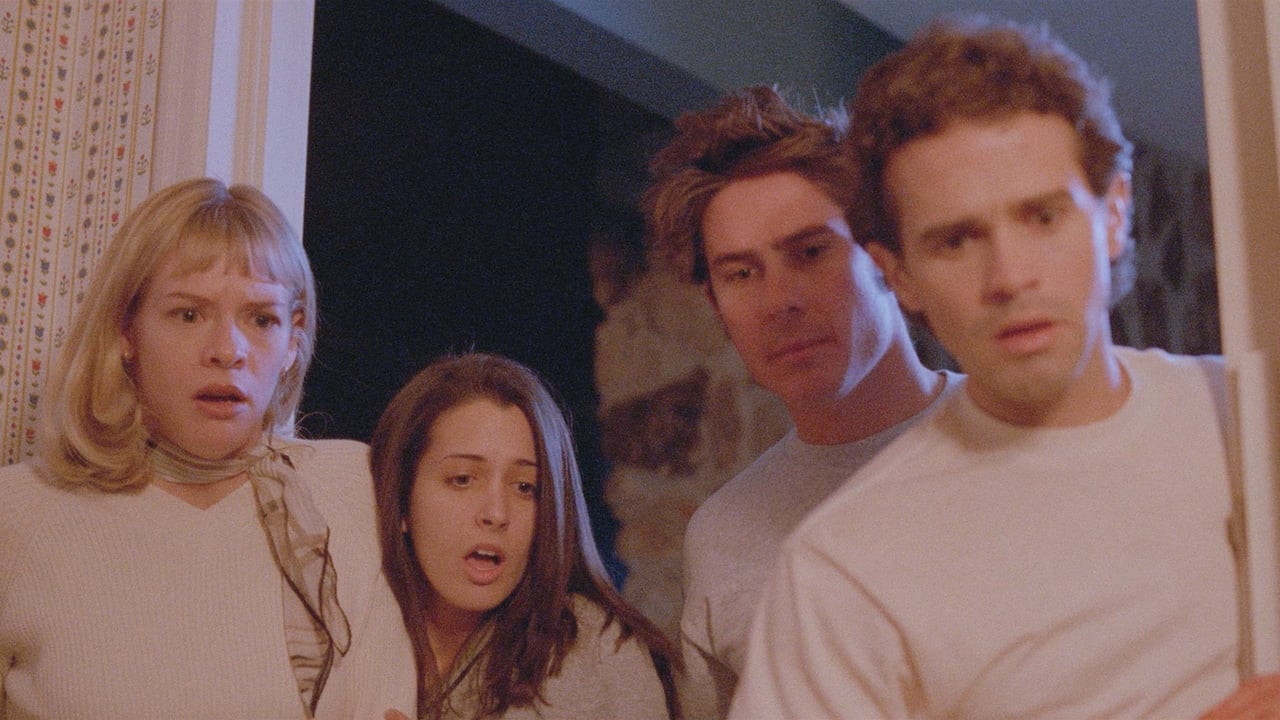
The premise feels ripped from a social anxieties nightmare filtered through a horror lens: five strangers answer a cryptic ad to participate in an "experimental living" project. They arrive at a sleek, modern house, cameras watching their every move, ostensibly for behavioral study. Among them are Kyra, the troubled artist; Tina (Nichole Pelerine), the pragmatic one; Tom (Donny Terranova), the wisecracker; Erica (Promise LaMarco), the flirt; and Gary (John Fairlie), the quiet observer. The architect of this little social experiment? A faceless voice over an intercom. It feels less like Big Brother and more like Jigsaw's awkward, low-budget cousin getting his start. Naturally, the doors lock, the windows become impenetrable, and gruesome, elaborate booby traps start claiming the participants one by one.
### Giallo Dreams on a Video Budget
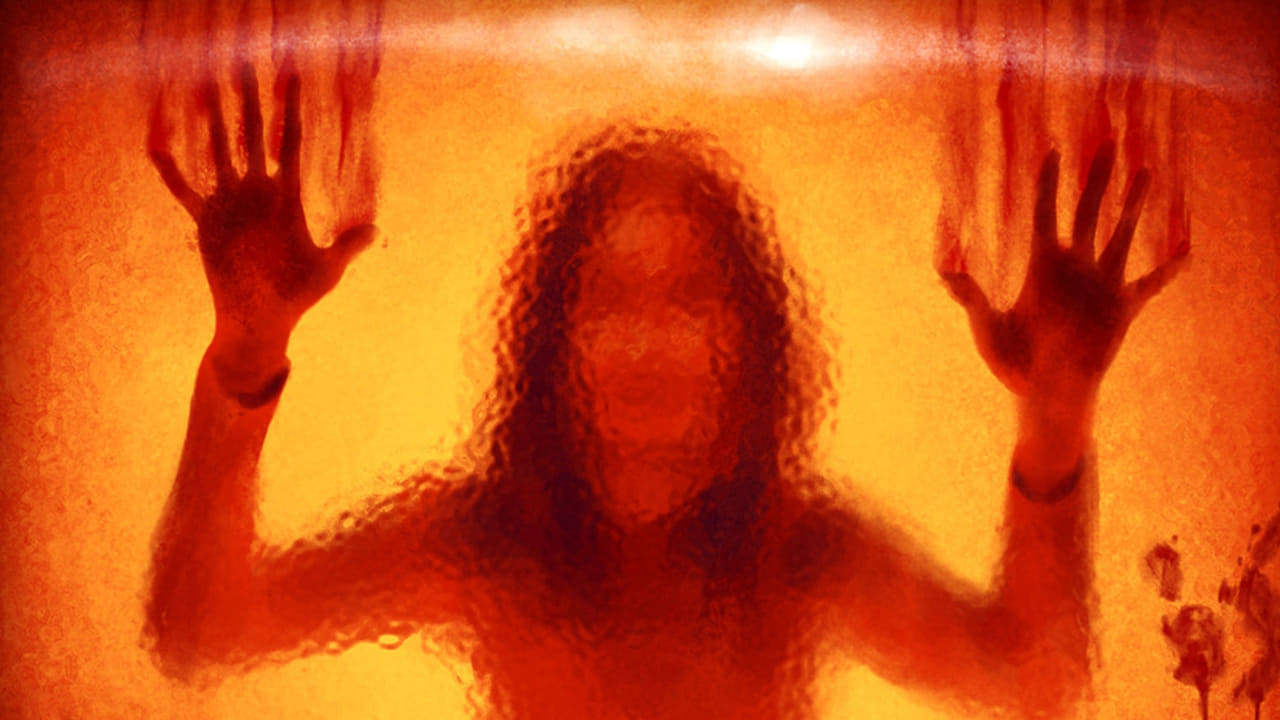
What elevates Kolobos beyond a standard slasher setup is its clear affection for Italian horror, specifically the giallo subgenre pioneered by filmmakers like Dario Argento (Suspiria, Deep Red). Directors Daniel Liatowitsch and David Todd Ocvirk, working from a script they co-wrote with Nne Ebong, infuse the film with a distinct visual style that belies its estimated modest $500,000 budget. There’s a focus on stark colours, inventive (and nasty) death sequences driven by intricate mechanical traps rather than a simple knife-wielding maniac, and a pervasive air of mystery surrounding the killer's identity and motives. The whirring, slicing, and impaling devices feel like something dredged up from a particularly grim corner of Argento's imagination, executed with a certain grimy, practical-effects charm that defined so much late-era VHS horror. Filmed primarily in Portland, Oregon, the filmmakers use the contained environment of the house effectively, creating a genuine sense of claustrophobia as the walls – sometimes literally – close in.
### The Architecture of Fear
The traps themselves are the undeniable stars here. Forget subtle scares; Kolobos opts for elaborate, Rube Goldberg-esque contraptions designed for maximum splatter. Razor-sharp blades suddenly bisecting hallways, collapsing ceilings armed with spikes, floors giving way to grinders – there’s a vicious ingenuity at play. While some effects show their budgetary limitations, many land with surprising visceral impact, especially when viewed through that nostalgic lens of late-night CRT fuzz. You remember watching these scenes back then, maybe wincing, maybe even letting out a surprised gasp? They tapped into that primal fear of hidden dangers in seemingly safe spaces. The production design, while clearly constrained, effectively sells the sterile, modern prison the house becomes, contrasting sharply with the bloody chaos unleashed within its walls. The score, too, often opts for unnerving electronic pulses and jarring stings, further amplifying the tension and recalling classic genre soundtracks.
### Faces in the Static
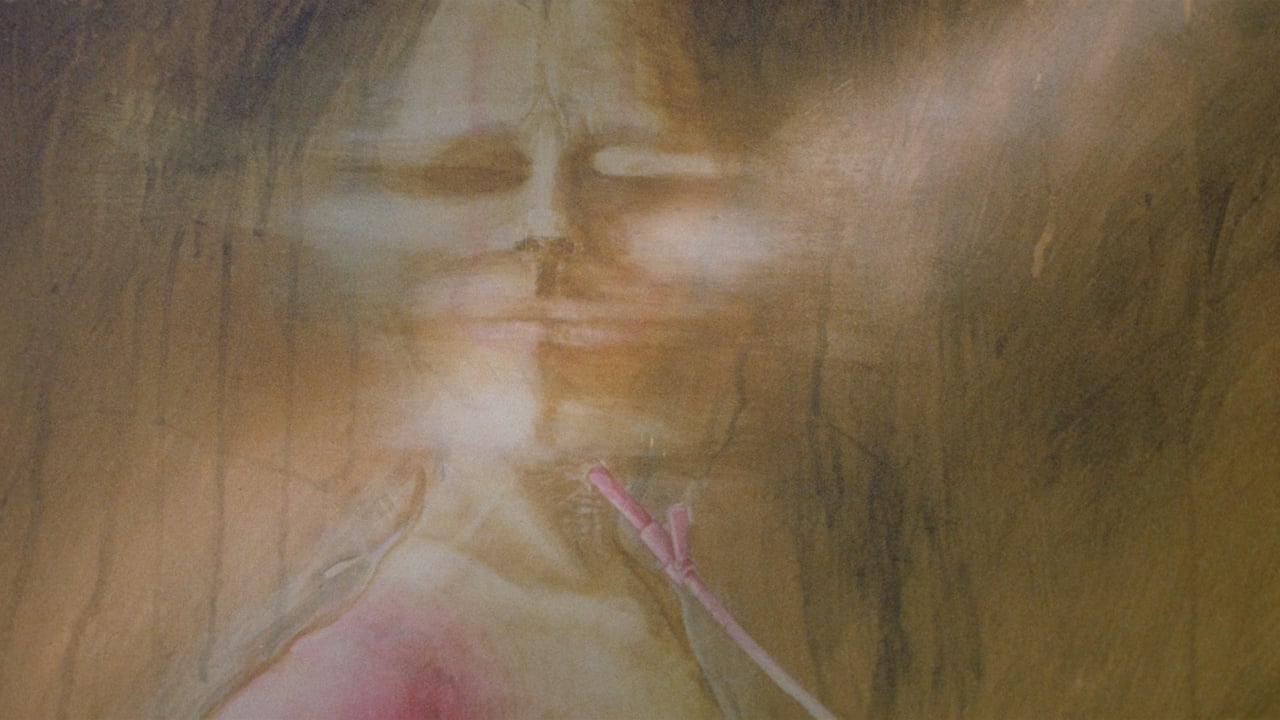
The performances are, admittedly, a mixed bag, typical of low-budget horror from this period. Amy Weber carries much of the film as Kyra, effectively conveying her character's fractured mental state and growing terror. Her journey is central, tied intrinsically to the flashbacks depicting disturbing childhood incidents and the recurring motif of a faceless, bandaged figure – the titular "Kolobos," a Greek word meaning mutilated or docked. Donny Terranova provides some much-needed, albeit dark, comic relief as the cynical Tom, while Nichole Pelerine grounds the escalating madness as the level-headed Tina. The ensemble works well enough together to sell the initial awkwardness and subsequent panic. It’s not Shakespeare, but they commit to the increasingly dire situation, which is crucial for maintaining investment when the plot occasionally veers into confusing territory. Was the script always this fragmented, or were key clarifying scenes perhaps left on the cutting room floor, victims of budget or pacing decisions? We may never know, but the ambiguity adds another layer to the film's strange appeal.
### Lingering Fragments
Kolobos isn't a lost masterpiece, but it's far more interesting than many of its DTV contemporaries. It tries, sometimes awkwardly but often effectively, to blend psychological horror with brutal slasher set pieces. The narrative surrounding Kyra's past and its connection to the unfolding horror adds a layer of attempted depth, even if the resolution feels a bit rushed and ambiguous. Did that final twist truly land, or leave you scratching your head back in '99? For me, it added to the unsettling, dreamlike quality that permeates the film. It doesn’t always make perfect sense, but it leaves you pondering its fragmented reality long after the credits roll – much like Kyra’s disturbing artwork.
It stands as a fascinating example of ambitious independent horror filmmaking at the tail end of the VHS era, stretching its limited resources to create something memorable and visually striking. It captures that specific late-90s vibe – a bit slicker than the gritty 80s slashers, yet still retaining a tangible, practical feel before CGI began to dominate.
Rating: 6/10
Justification: Kolobos earns points for its ambitious Giallo influences, genuinely nasty practical trap effects, and pervasive sense of dread. The direction shows flashes of real style, and Kyra's psychological arc provides a compelling core. However, it's held back by uneven performances, occasional pacing issues, and a plot that feels somewhat underdeveloped or confusing in its final act. It’s a solid, often surprising, slice of late-90s DTV horror that tries harder than most.
Final Thought: More than just a slasher, Kolobos is a strange, sometimes baffling, but undeniably atmospheric nightmare machine – a testament to the creativity often found lurking on those lower video store shelves, waiting to ambush unsuspecting viewers with its uniquely fractured vision.