Some old houses don't just hold memories; they guard secrets. Deep, festering secrets hidden away in damp basements, breathing heavily in the dark. Secrets like the one lurking beneath the floorboards in Danny Steinmann's 1980 offering, The Unseen. This wasn't a tape that screamed for attention with flashy cover art at the video store, often tucked away on a lower shelf, but finding it felt like uncovering something forbidden, something genuinely unsettling that promised a different kind of chill than its slasher brethren flooding the shelves.
### That House on the Hill
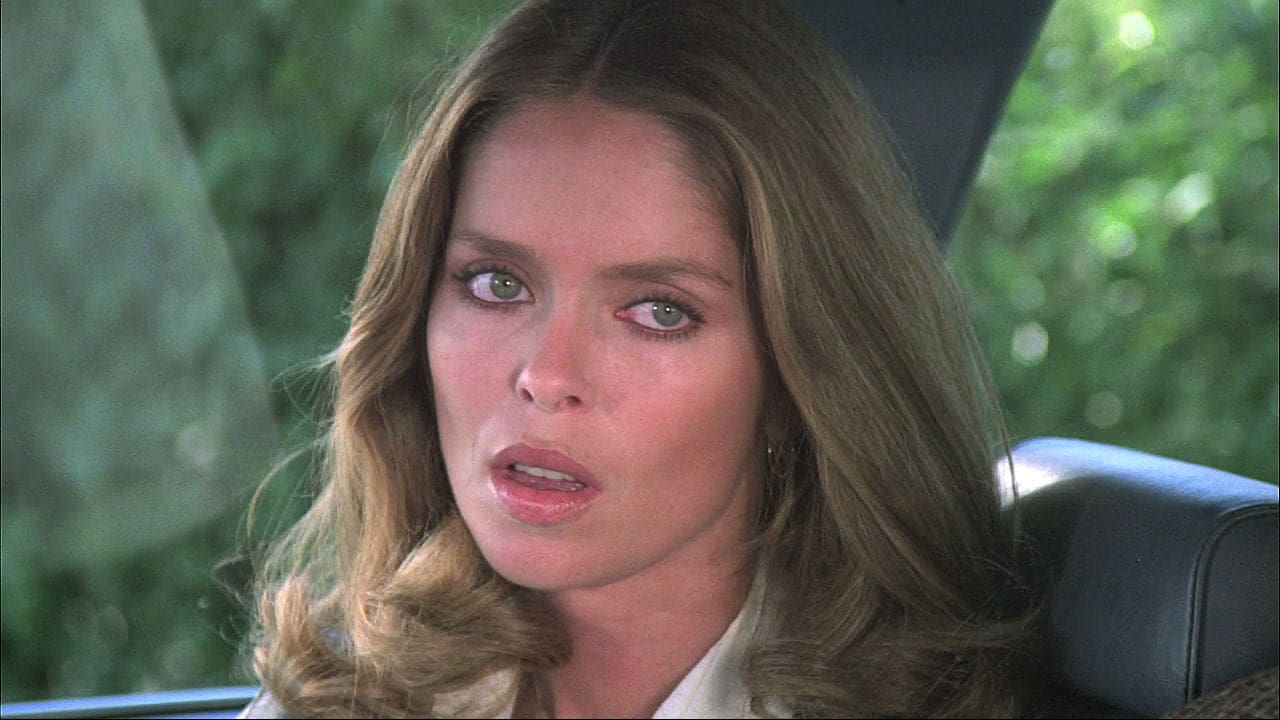
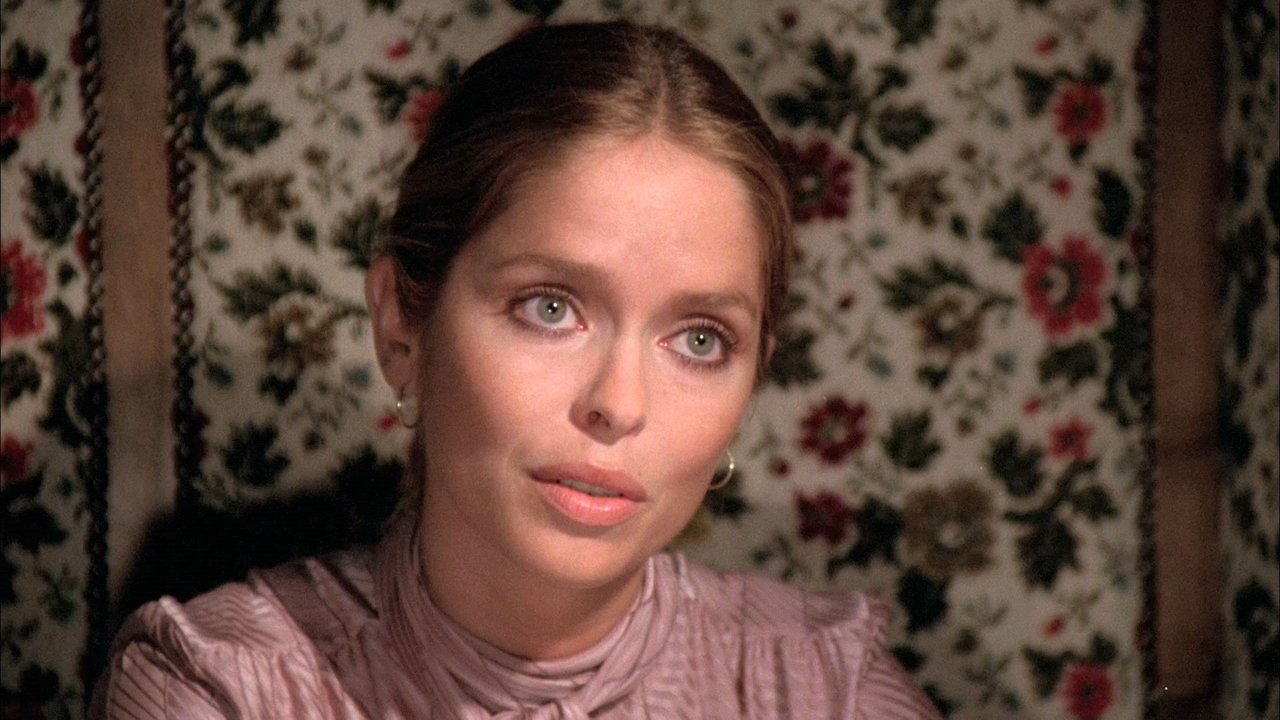
The setup feels almost deceptively mundane, a hallmark of early 80s horror aiming to lull you into complacency before the dread sets in. Three ambitious female journalists – Jennifer (Barbara Bach, fresh off her Bond girl turn in The Spy Who Loved Me), Karen (Karen Lamm), and Vicki (Lois Young) – head to the quaint, almost unnervingly picturesque Danish-themed town of Solvang, California, to cover a local festival. When their hotel booking falls through (a classic horror trope!), a seemingly kindly, if eccentric, museum owner named Ernest Keller (Sydney Lassick, unforgettable from One Flew Over the Cuckoo's Nest) offers them cheap rooms in his large, isolated farmhouse. His timid wife Virginia (Lilia Skala) seems perpetually terrified, hinting that something is deeply wrong within these walls. And deep beneath them, chained in the cellar, is the source of the palpable fear: their monstrously deformed, intellectually disabled adult son, Junior.
### The Shadow in the Cellar
Let's be frank: the portrayal of Junior, played with agonizing commitment by Stephen Furst (forever beloved as Flounder in Animal House), is deeply uncomfortable and undoubtedly problematic by today's standards. It leans heavily into the "monstrous other" trope, a common but often troubling element in horror of this period. Yet, there's an undeniable, visceral power to the concept and Furst's physical performance. Rumors have persisted for years about Furst's unhappiness with the role and the demands placed upon him, adding a layer of real-world discomfort to the on-screen proceedings. He allegedly felt misled about the nature of the character, expecting something less grotesque. Whether entirely true or embellished "dark legend," it certainly adds a grim footnote to the film's history. The sheer physicality, the guttural sounds, the oppressive presence felt through floor vents – it creates a raw, disturbing threat that lingers long after the credits roll. Doesn't that lurking presence still feel unnerving, even knowing it's an actor beneath the makeup?
The film's atmosphere thrives on this hidden tension. Steinmann, who would later direct the controversial Friday the 13th Part V: A New Beginning (1985), shows glimmers of skill in building suspense, particularly in the early stages. The creaking house, the odd behavior of the Kellers, the claustrophobic basement glimpsed only in shadows – it generates a genuine sense of unease. The original script, reportedly titled "The Dormant," was apparently conceived as a more psychological thriller, closer to Hitchcock, before being reshaped into the more visceral horror film we got. You can almost feel the ghost of that earlier version in the film's quieter, more suspenseful moments before the inevitable bloody confrontations begin. The $800,000 budget certainly didn't allow for elaborate effects, but the shadowy glimpses and focus on sound design often work effectively, forcing your imagination to fill in the horrific blanks – something often lost in modern, brightly-lit horror.
### Flawed but Felt
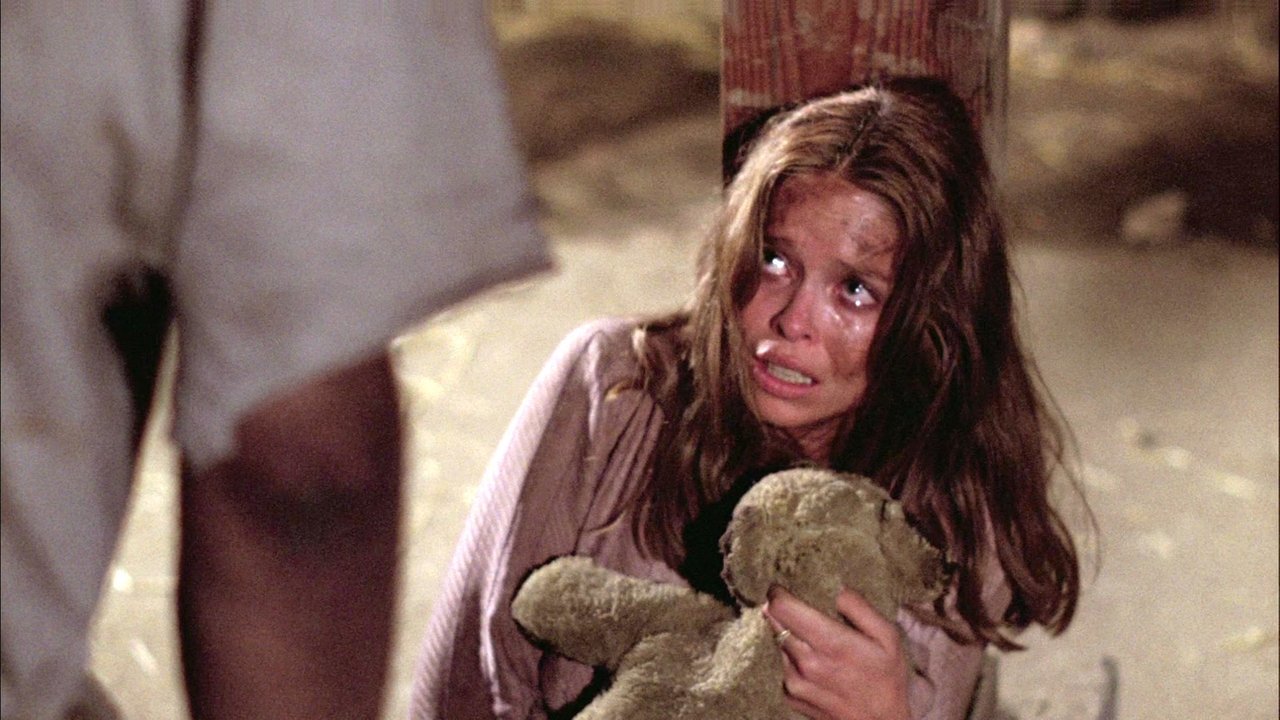

The Unseen is far from perfect. The pacing drags in places, particularly during the festival setup, and some character decisions feel frustratingly illogical (even for the genre). Barbara Bach looks stunning but feels somewhat adrift, while Karen Lamm brings a bit more grit to her role. Sydney Lassick dials up the eccentricity, bordering on caricature, but his presence adds to the overall strangeness. The film occasionally dips into slightly sleazy territory, another hallmark of the era's exploitation fare, which might not sit well with all viewers today.
Yet, despite its flaws, there’s a grimy, unsettling effectiveness to The Unseen. It taps into primal fears – the unknown lurking beneath the surface of normalcy, the vulnerability of being trapped in an unfamiliar place, the horror of discovering a terrible family secret. I distinctly remember renting this back in the day, probably drawn by the vague promise of something truly disturbing. Watching it late at night on a flickering CRT, the low groans seeming to emanate from the TV speakers themselves, it delivered a specific kind of queasy dread that stuck with you. The practical makeup for Junior, while perhaps dated now, felt disturbingly real in those low-resolution viewings.
### Legacy of the Locked Room
The Unseen didn't spawn sequels or become a widely celebrated classic. It remains something of a cult oddity, a grim footnote in the early 80s horror boom. It’s remembered, often uneasily, for Stephen Furst's challenging performance and its central disturbing concept. It represents a particular brand of downbeat, slightly grimy horror that feels intrinsically tied to the VHS era – films that felt genuinely transgressive and uncomfortable, discovered rather than marketed.
Rating: 6/10
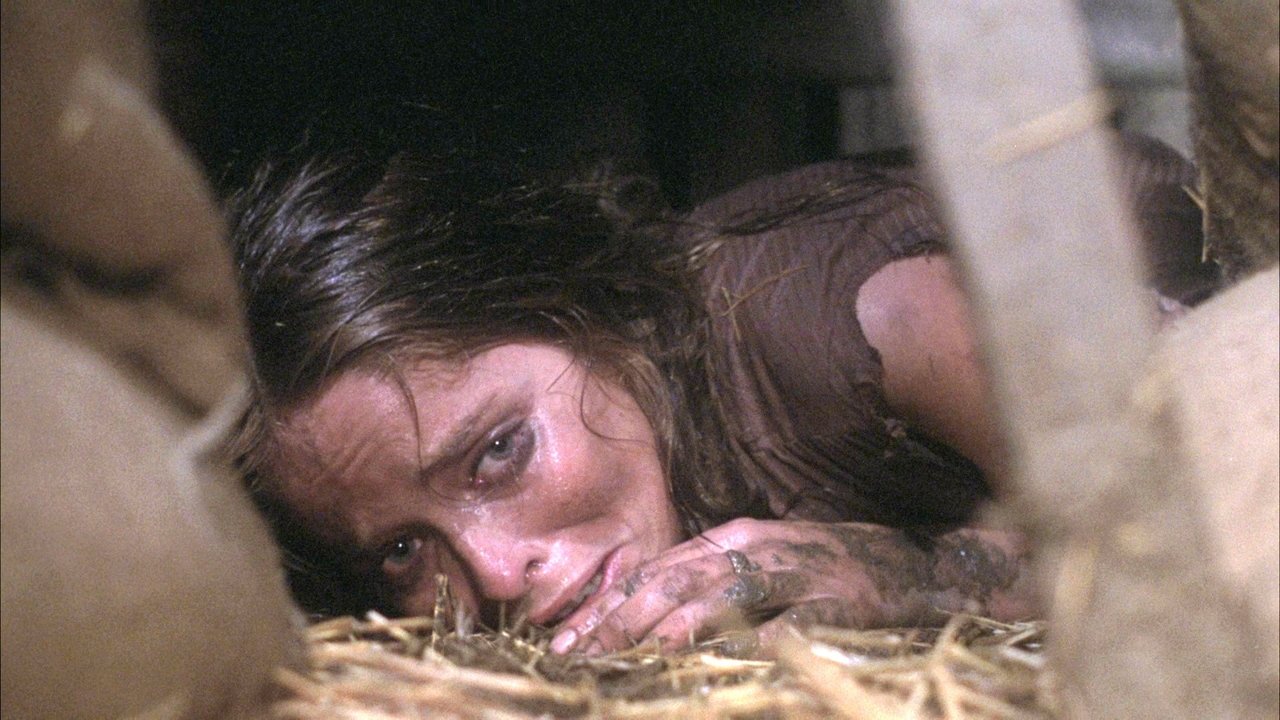
Justification: The Unseen earns points for its genuinely unsettling atmosphere, the disturbing effectiveness of its central threat (despite problematic elements), and its place as a memorable piece of early 80s B-horror dread. However, it loses points for pacing issues, uneven performances, dated aspects, and a script that doesn't fully realize its potential.
Final Thought: It's a flawed artifact, certainly, but The Unseen possesses a lingering chill and a core concept so fundamentally disturbing that it crawls under your skin – a true slice of uncomfortable, basement-dwelling dread from the golden age of VHS horror.