It wasn't often, thumbing through the packed shelves of the local video store, amidst the action heroes and horror icons, that you stumbled across something that felt… different. Animation, yes, but carrying a weight, a seriousness, that felt leagues away from Saturday morning cartoons. For many, Mobile Suit Gundam I (1981) might have been encountered later, perhaps on a worn-out copied tape passed between friends, or maybe only heard about in hushed, reverent tones by those who'd seen it. But encountering it, whenever that might have been, felt like uncovering a piece of a much larger, more complex puzzle. This wasn't just robots fighting; this was war, seen through the eyes of those forced to endure it.

Forging a New Path in Animation
Directed by the visionary, and sometimes notoriously grim, Yoshiyuki Tomino, Mobile Suit Gundam I isn't technically a standalone movie, but rather a masterful compression of the first segment of the original, groundbreaking 1979 TV series. This approach, born from the show's surprising surge in popularity after initial cancellation, condenses the early arcs into a potent cinematic experience. Some new animation was added, tightening the pacing and focusing the narrative squarely on the harrowing introduction to the Universal Century timeline. Gone were some of the more toy-etic elements mandated for the TV show; the film leans into the drama, the politics, and the human cost of conflict.
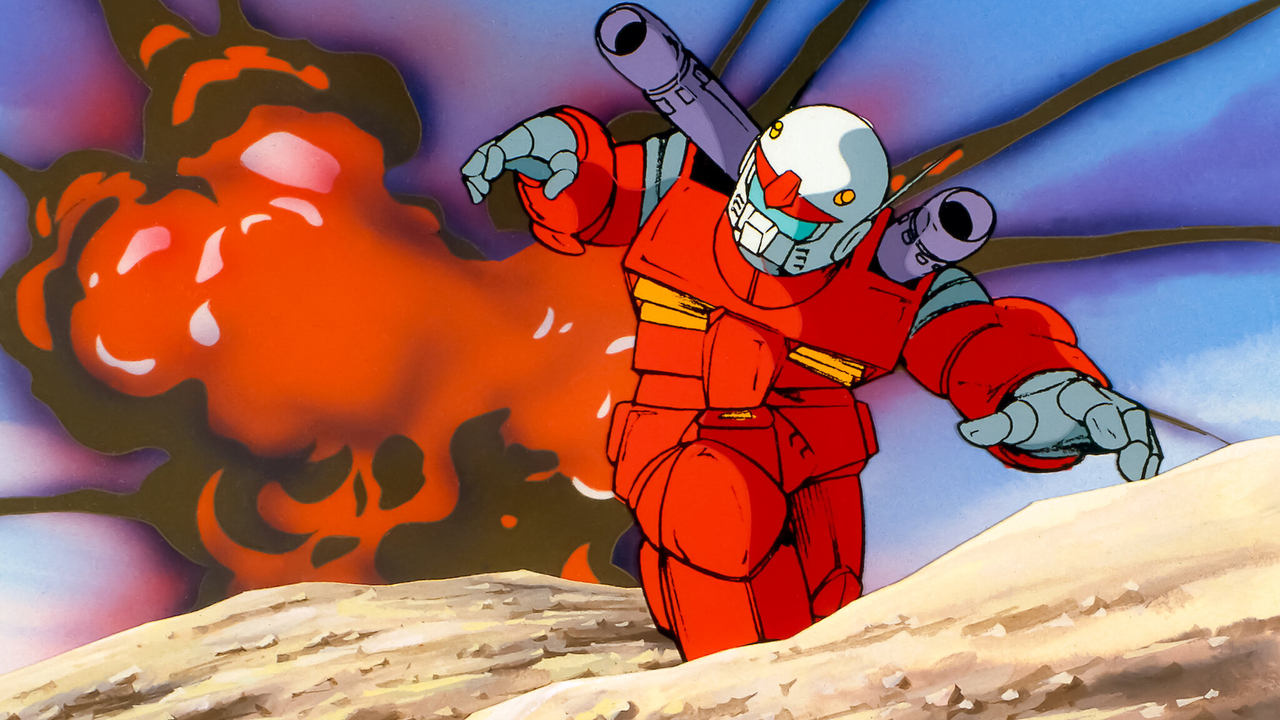
The premise itself felt revolutionary back then. Forget invincible super robots powered by courage alone. Here, the giant "Mobile Suits" are intricate, mass-produced weapons of war, tools wielded by opposing factions – the Earth Federation and the Principality of Zeon – locked in a devastating struggle. They break down, run out of ammo, and require pilots who grapple with fear and doubt. This focus on realism, the "Real Robot" genre pioneered by Gundam, was a stark departure. Suddenly, the giant robots felt less like fantasy and more like futuristic tanks, grounded in a disturbingly plausible vision of interplanetary warfare.
The Reluctant Teenager and the Charismatic Ace
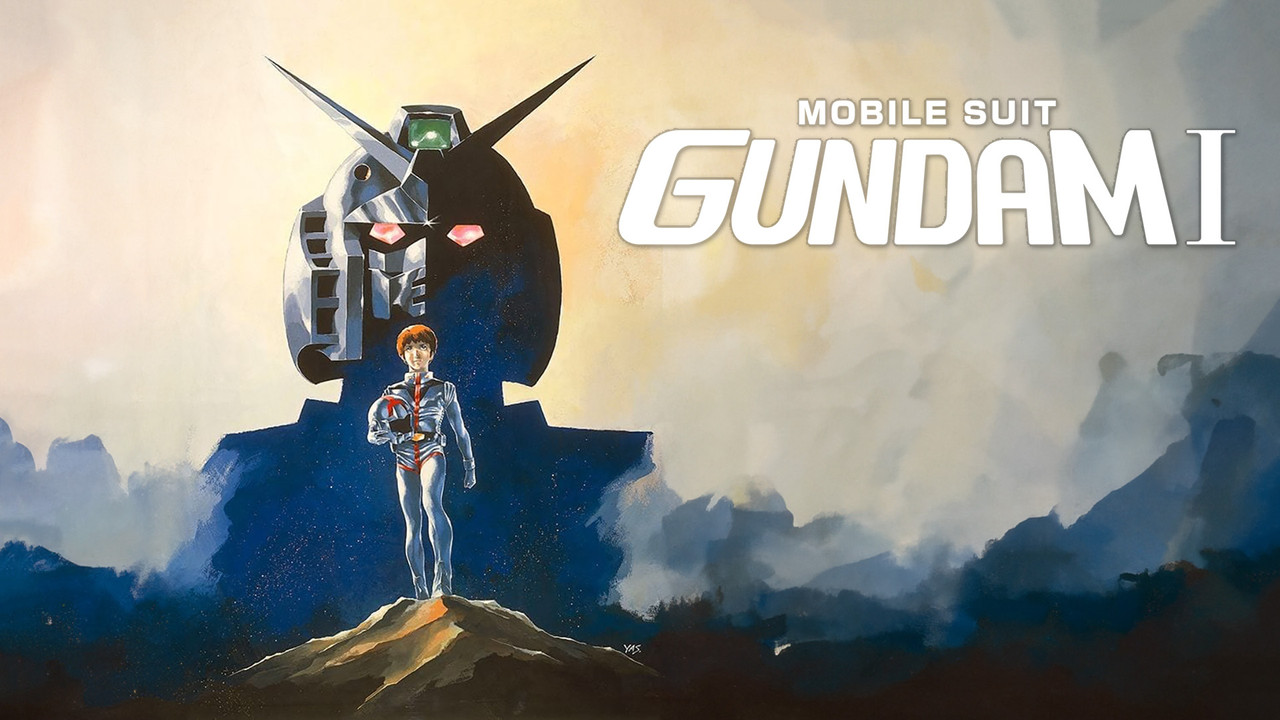
At the heart of the story is Amuro Ray, voiced with a perfect blend of adolescent angst and burgeoning resolve by Toru Furuya. He's no chosen hero eager for battle; he's an introverted civilian teen, a tech-savvy kid who quite literally stumbles into the cockpit of the Federation's prototype Gundam during a brutal Zeon attack on his space colony home, Side 7. His journey isn't one of instant heroism, but of trauma, pressure, and the crushing weight of responsibility. Watching him forced to kill, to adapt to the horrors of war simply to survive, is surprisingly raw, even today. You feel his reluctance, his fear, making his eventual moments of skill and bravery feel earned and desperate, rather than preordained.
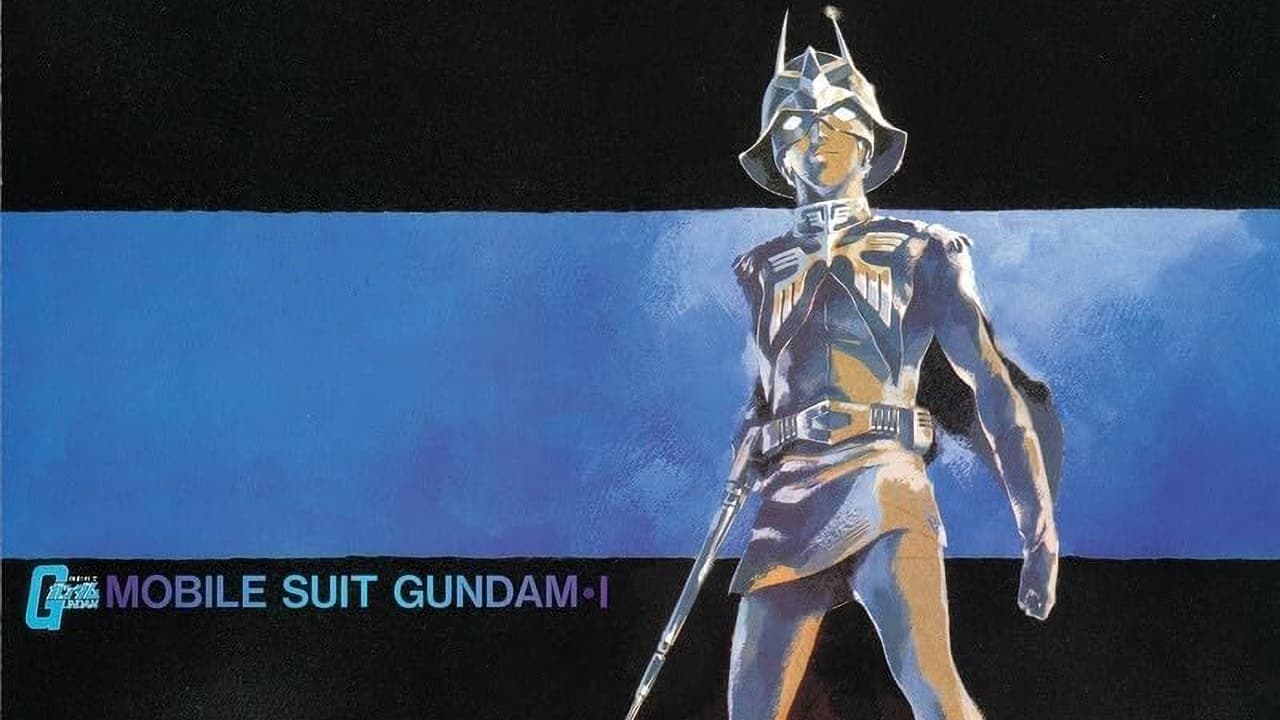
Contrasting Amuro is the unforgettable antagonist (or is he?), Char Aznable, the "Red Comet." Voiced with smooth, chilling charisma by Shuichi Ikeda, Char is the masked Zeon ace pilot, coolly efficient and driven by motives that, even in this first installment, hint at deeper, personal vendettas. His rivalry with Amuro becomes the central pilot-vs-pilot dynamic, but Char is far more than a simple villain. He's intelligent, calculating, and operates within the complex political machinations of Zeon. His presence elevates the conflict beyond mere good versus evil, introducing shades of grey that would become a hallmark of the Gundam universe.
Beyond the Battlefield: Seeds of a Saga
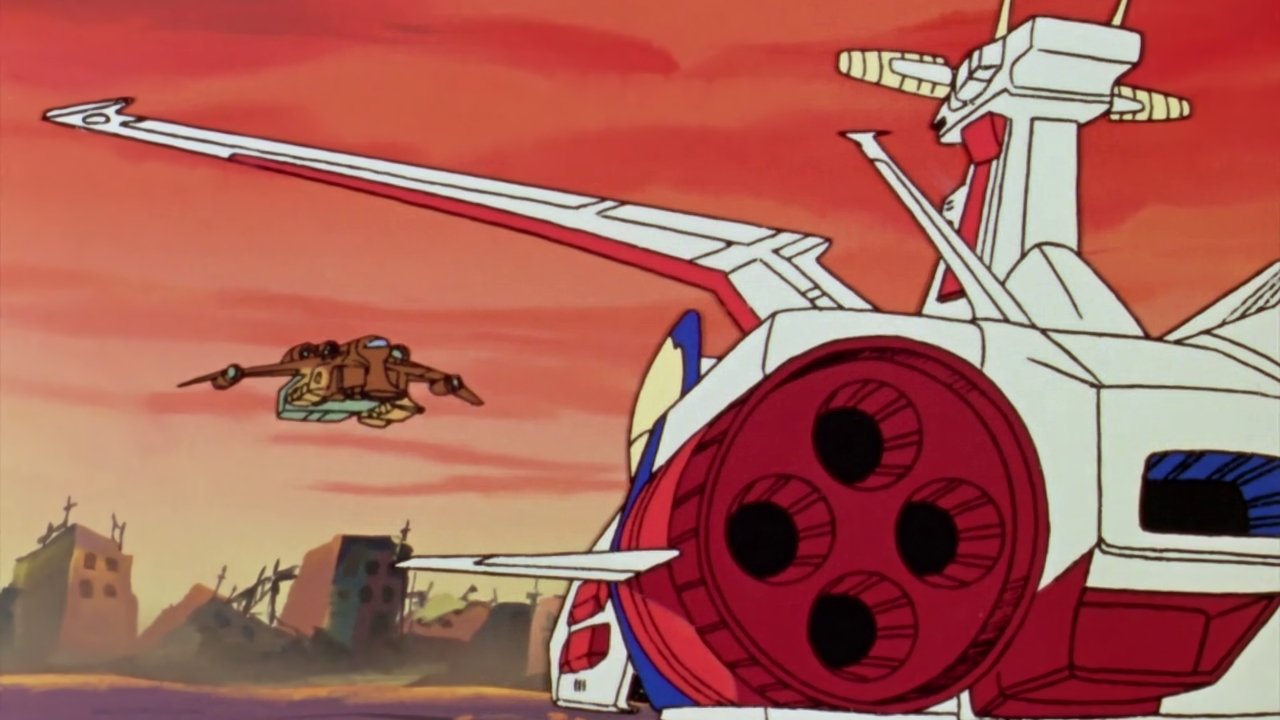
While the mecha battles are certainly a draw – animated with a dynamism that still impresses, considering the era – it's the human drama aboard the fugitive Federation ship, the White Base, that truly anchors the film. We see a crew of civilians and cadets thrown together by catastrophe, forced to become soldiers under the stern but capable command of Bright Noa (Hirotaka Suzuoki). The film deftly introduces key characters like Sayla Mass, Fraw Bow, Kai Shiden, and Hayato Kobayashi, sketching their personalities and the strains placed upon them. We witness loss, camaraderie forged in fire, and the psychological toll of constant danger. It's this focus on the people inside the machines, and those supporting them, that gives Gundam its enduring power.
It’s fascinating to remember that the original TV series struggled initially. It was only through reruns and the explosion of Bandai's Gundam model kit ("Gunpla") phenomenon that its true cultural impact cemented, leading to these compilation films which were, in contrast, significant box office successes in Japan. This film represents not just the start of Amuro's story, but the genesis of a franchise that would redefine mecha anime and influence science fiction across the globe for decades. Watching it now feels like peering back at the big bang moment for a whole universe of storytelling.
A Dated Look, An Undated Message
Yes, the animation certainly shows its age compared to modern productions. Character designs are distinctly of their time, and some of the background art might seem simplistic now. Yet, there's an undeniable artistry and effectiveness to it. The mechanical designs by Kunio Okawara remain iconic, and the direction conveys the scale and impact of the Mobile Suit combat effectively. More importantly, the core themes – the senselessness of war, the loss of innocence, political maneuvering, the burden of unexpected responsibility – haven't aged a day. Doesn't the struggle of young people thrust into conflicts they didn't start resonate just as strongly now?
Mobile Suit Gundam I isn't just a nostalgia trip; it's a foundational piece of anime history that still holds up remarkably well thematically and dramatically. It condensed the opening act of a sprawling epic into something accessible, powerful, and deeply human, even amidst the giant robot clashes. It set the stage for countless sequels, spin-offs, and imitators, but the original’s impact remains unique.
Rating: 8/10
Justification: While the animation is dated and the compilation format inevitably leads to some narrative compression compared to the series, Mobile Suit Gundam I is a landmark achievement. Its introduction of the "Real Robot" concept, its complex characters like Amuro and Char, its mature handling of war themes, and its sheer influence earn it high marks. It successfully translates the core strengths of the early series into a compelling cinematic package.
Final Thought: More than just giant robots, this was the film (and series) that reminded us that even in the most fantastic settings, the most compelling stories are often about the human heart under fire. It asks us to look beyond the spectacle and consider the cost, a question that echoes long after the VCR has clicked off.