Okay, picture this: it's late, the VCR whirs to life, and you've just slotted in a tape promising the electric comedic pairing of John Belushi and Dan Aykroyd. You're probably settling in for something like The Blues Brothers, right? Pure anarchic joy, maybe some music, definitely big laughs. Then... Neighbors (1981) starts. And suddenly, the familiar faces are there, but everything feels... off. That initial disorientation, that slow-dawning realization that you weren't getting the movie you expected, is central to the weird, unsettling charm of this fascinatingly flawed curio.
### An Unsettling Arrival
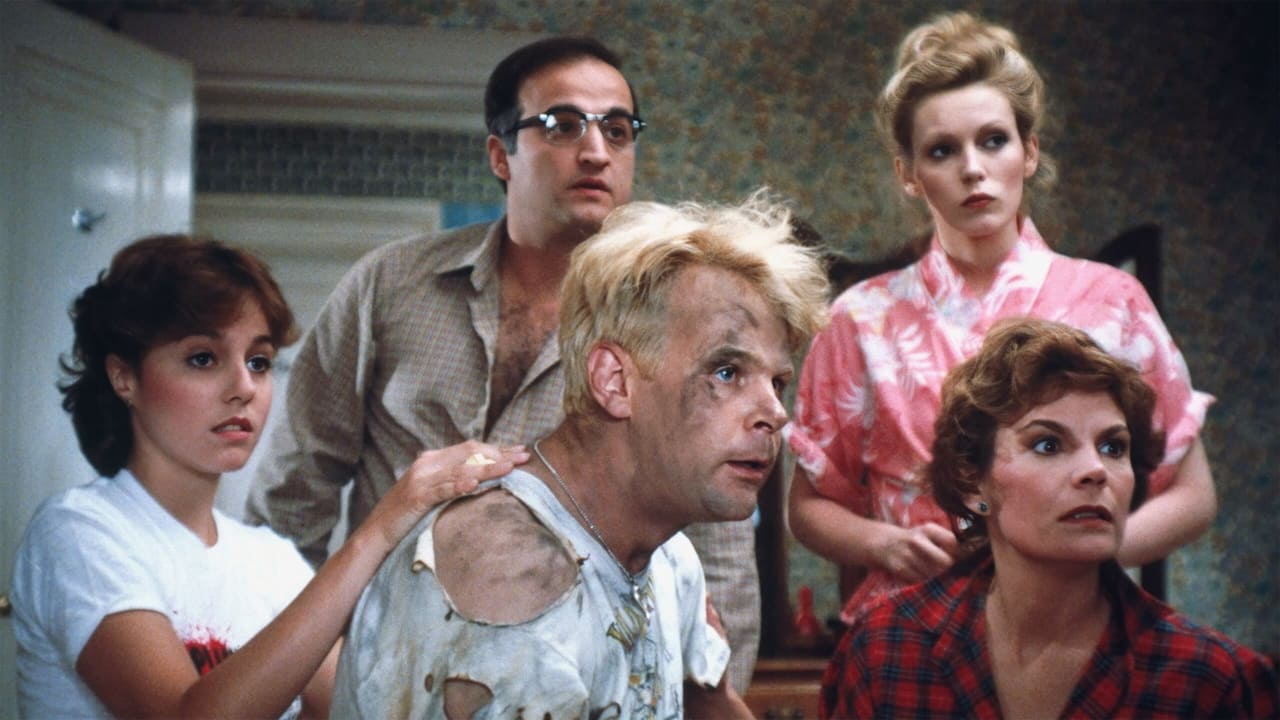
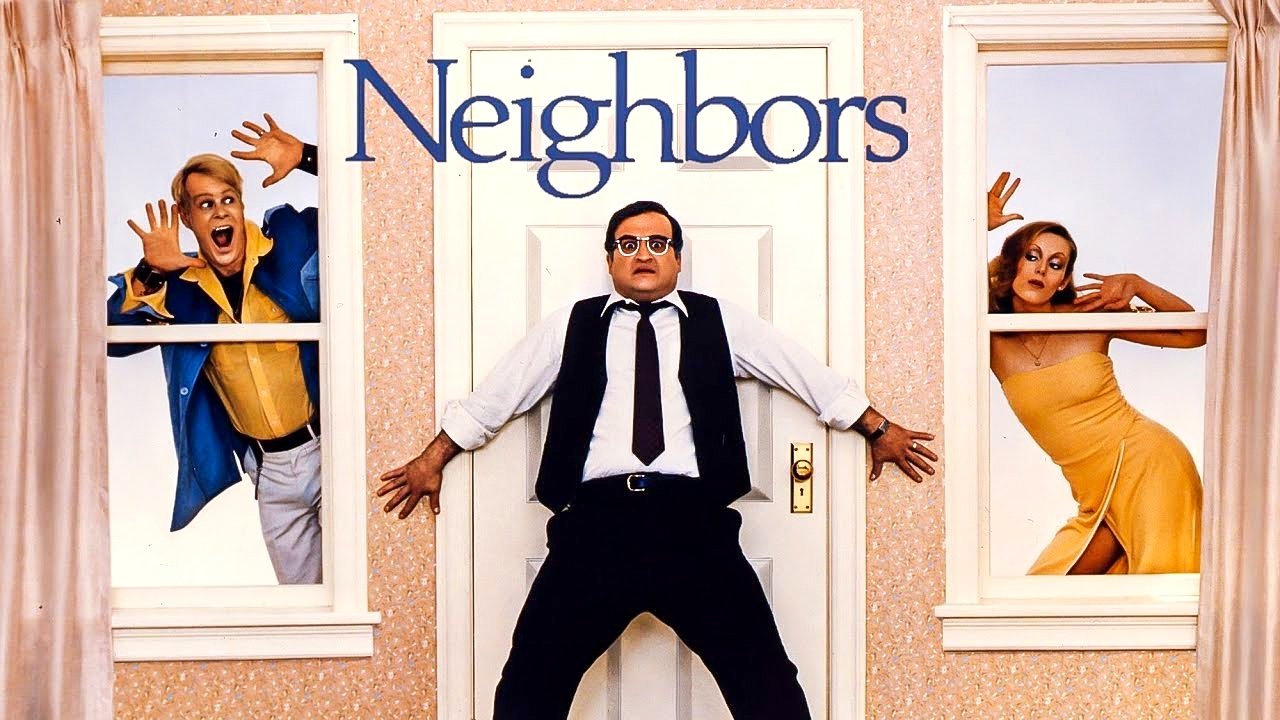
The setup is deceptively simple: Earl Keese (John Belushi) is living a life of quiet, beige desperation in bland suburbia with his equally numb wife, Enid (Kathryn Walker). His routine is soul-crushing, his existence predictable. Then, Vic (Dan Aykroyd) and Ramona (Cathy Moriarty) move in next door. They are everything Earl and Enid are not: loud, impulsive, sexually aggressive, boundary-less, and utterly chaotic. What follows isn't a typical "wacky neighbors" sitcom plot, but a descent into a surreal, paranoia-fueled nightmare where the lines between reality, fantasy, and psychological breakdown blur completely. It’s less ha-ha funny and more squirm-in-your-seat uncomfortable, which likely threw audiences expecting a straightforward comedy right off the cliff back in '81.
### Role Reversal Roulette

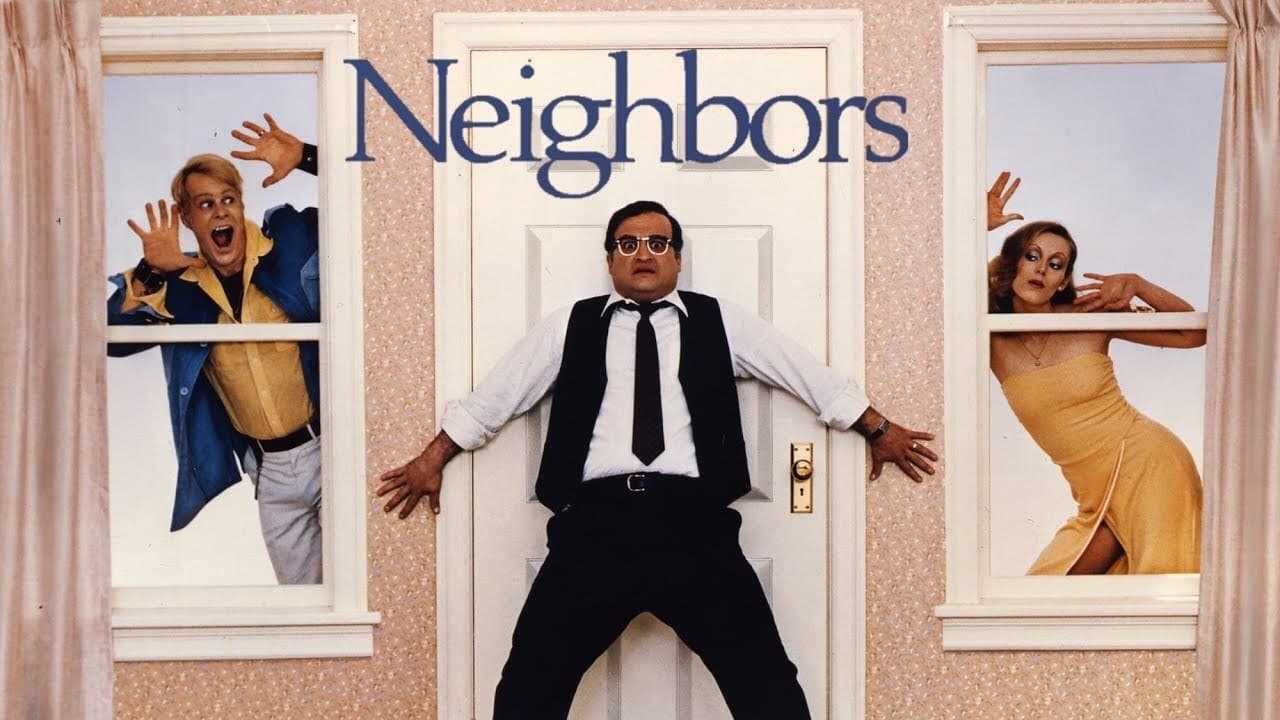
The absolute masterstroke – or perhaps the most confounding decision, depending on your view – was casting Belushi as the repressed, anxious straight man and Aykroyd as the unhinged, possibly dangerous agent of chaos. This flipped their established dynamic completely. Belushi, known for his explosive physical comedy, internalizes everything here, playing Earl with a simmering pot of anxiety threatening to boil over. It's a surprisingly subdued performance, showcasing a range many perhaps didn't expect. Reportedly, John Belushi initially wanted the wilder role of Vic but was persuaded otherwise – a decision that adds another layer to watching his portrayal of buttoned-down misery, especially poignant given this was his final film role before his tragic death in 1982.
Dan Aykroyd, meanwhile, leans into Vic's manipulative weirdness with gusto. He's alternately charming and menacing, his grin never quite reaching his eyes. Is he just an obnoxious neighbor, or something more sinister? The ambiguity is the point. And let's not forget Cathy Moriarty, fresh off her stunning debut in Raging Bull. As Ramona, she’s a bombshell enigma, using her overt sexuality to further destabilize poor Earl. She brings a dangerous allure that perfectly complements Aykroyd's manic energy. The tension between these four characters in the claustrophobic suburban setting is palpable.
### Avildsen Takes a Detour
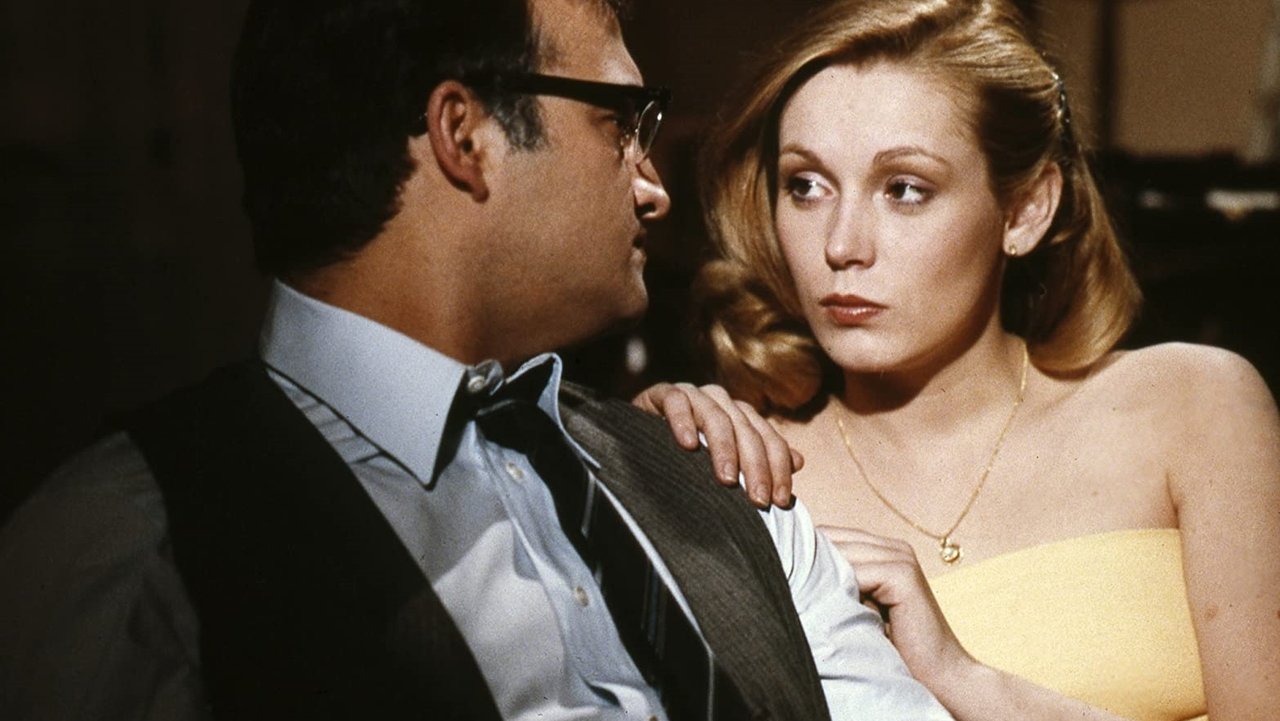
Handling directorial duties was John G. Avildsen, a name synonymous with triumphant underdog stories like Rocky and The Karate Kid. His involvement here feels almost like another layer of the film's inherent strangeness. There's little of the rousing uplift found in his more famous works. Instead, Avildsen embraces the source material – Thomas Berger's dark, satirical novel – creating a claustrophobic, almost dreamlike atmosphere. The camera often feels intrusive, lingering on uncomfortable close-ups, amplifying the sense of paranoia. You can almost feel the studio executives scratching their heads, wondering how the director of Rocky ended up making this. The film reportedly cost around $8.5-$9 million and pulled in just under $30 million, a respectable number but perhaps disappointing given the star power, suggesting audiences were as baffled as the critics.
### That Infamous Score & Other Quirks
Adding to the disorientation is the score by Bill Conti (yes, the Rocky theme guy!). Instead of triumphant horns, Conti delivers a jarring, often intentionally irritating soundtrack filled with whistles, slides, and discordant notes. It's actively designed to put you on edge, mirroring Earl's fraying nerves. It was – and remains – incredibly divisive. Some find it enhances the film's unsettling mood perfectly; others find it nails-on-a-chalkboard unbearable. It's definitely a choice!
Another fun fact: the script was penned by comedy legend Larry Gelbart, famous for his work on MASH* and Tootsie. Knowing his pedigree makes the film's bleakness and lack of traditional punchlines even more intriguing. It aims for a different kind of reaction – discomfort, unease, a nervous chuckle rather than a belly laugh. Filmed largely on Staten Island, New York, the movie uses its mundane setting to heighten the feeling that chaos can erupt anywhere, even in the most predictable cul-de-sac.
### Not Your Typical VHS Laugh Riot
Neighbors was met with confusion and largely negative reviews upon release. Critics didn't know what to make of it, and audiences expecting another Belushi/Aykroyd romp were likely alienated by its dark tone and deliberate weirdness. It wasn't the box office smash some anticipated, and it quickly faded, becoming something of a footnote in its stars' careers.
Yet, viewed decades later, preferably on a slightly fuzzy format that enhances its dreamlike quality, Neighbors holds a strange power. It’s an audacious experiment, a studio comedy that actively tries to unsettle its audience. It refuses easy answers, leaving you questioning everything you've seen. Was Vic real? Was it all in Earl's head? The film doesn't care to clarify, and that's part of its prickly appeal. It’s a challenging watch, no doubt, and certainly not a comfort movie.
Rating: 6/10
Justification: This score reflects the film's status as a fascinating, if deeply flawed and often unpleasant, experiment. The bold casting reversal, Moriarty's performance, and the sheer audacity of its anti-comedy approach earn points for uniqueness and cult appeal. However, the intentionally abrasive tone, divisive score, and sometimes sluggish pacing make it a difficult film to universally recommend, keeping it from higher marks. It succeeds in being unsettling, but maybe too well for mainstream enjoyment.
Final Thought: If you stumbled upon Neighbors expecting The Blues Brothers Go Suburban, you were in for a shock. But as a bizarre, Reagan-era suburban nightmare captured on tape, it’s an unsettling oddity that sticks with you, proving that sometimes the weirdest trips down the video store aisle are the most memorable.