Okay, settle in, fellow travelers of the magnetic tape. Remember those video store aisles, bathed in the flickering glow of CRT screens overhead, where sometimes you'd stumble across a cover that promised something… different? Not just another car chase or slasher, but something primal, strange, almost forbidding? For me, one such tape was Jean-Jacques Annaud's Quest for Fire (1981). Picking up that box felt less like choosing a movie and more like unearthing an artifact. And watching it? That was an experience unlike almost anything else the 80s offered.
Whispers from the Dawn of Time
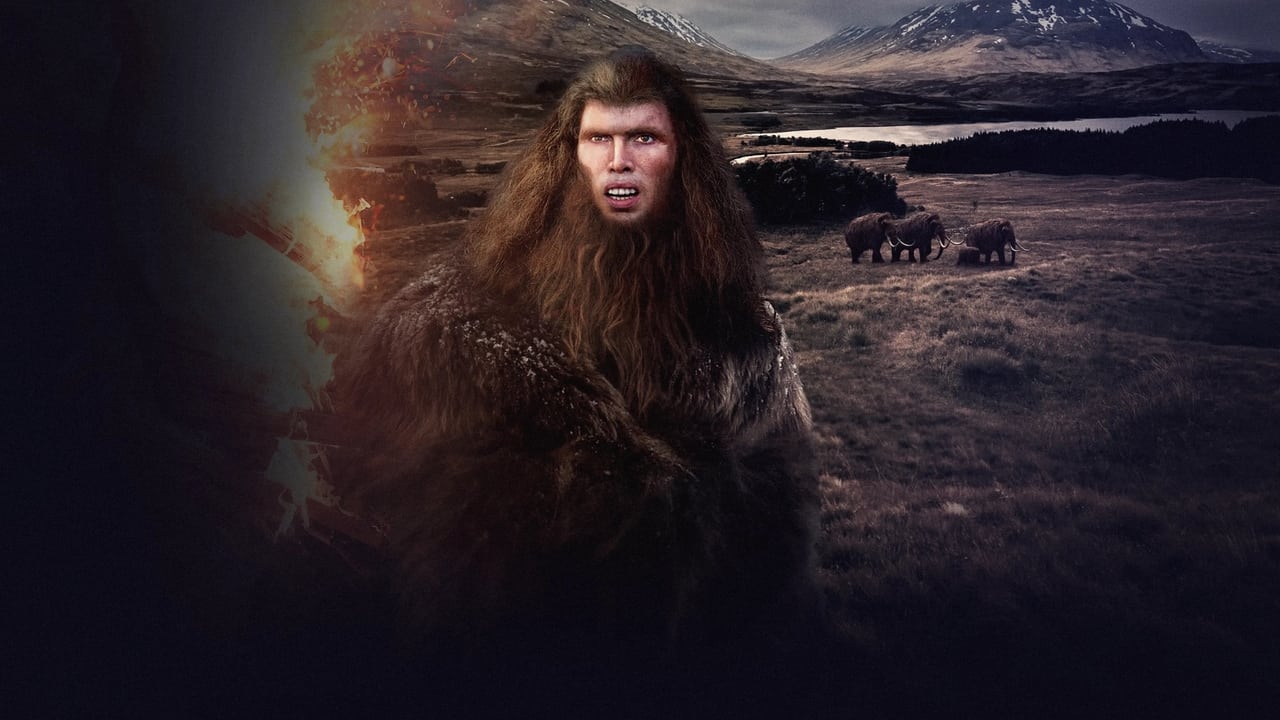
What immediately sets Quest for Fire apart is its sheer, breathtaking ambition. Forget witty banter or intricate plot twists delivered through clever dialogue. Annaud, working from a script by Gérard Brach (known for his collaborations with Roman Polanski), plunges us 80,000 years into the past, into the lives of the Ulam tribe, Neanderthal-like people who possess fire but don't know how to create it. When their precious flame is extinguished after a brutal attack by the ape-like Wagabu, three warriors – the thoughtful Naoh (Everett McGill), the powerful Amoukar (Ron Perlman, in one of his earliest and most physically demanding roles), and the nimble Gaw (Nicholas Kadi) – are sent on a perilous journey to find another source. It's a simple premise, but the execution is anything but.
Beyond Words: A Symphony of Grunts and Gazes
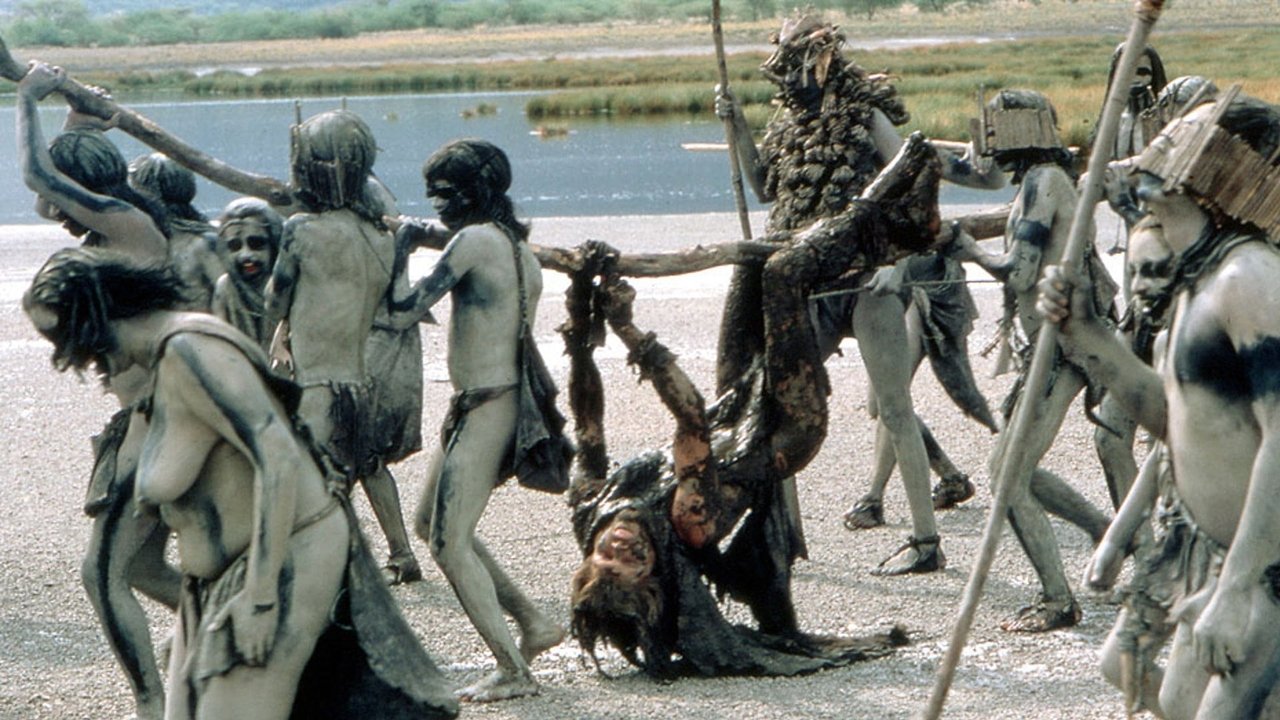
The film's most audacious choice, of course, is its near-complete lack of recognizable language. This could have been disastrous, reducing the characters to mere caricatures. Instead, it becomes the film's greatest strength, forcing us to connect on a more fundamental level. The performances are paramount here. McGill brings a searching intelligence to Naoh, his eyes constantly scanning the horizon, weighing risks, grappling with new experiences. Perlman, buried under prosthetics, conveys immense strength and loyalty, but also fear and bewilderment, primarily through posture and raw physicality. Kadi provides moments of levity and quick thinking. Their interactions, their reliance on gesture, expression, and a rudimentary, guttural language, feel remarkably convincing.
And this wasn't just random grunting. Here’s a bit of trivia that truly highlights the filmmakers' dedication: the distinct tribal languages were actually crafted by none other than Anthony Burgess, the famed author of A Clockwork Orange. He developed specific vocabularies and phonetic sounds for the Ulam, the more advanced Ivaka tribe they eventually encounter, and the cannibalistic Kzamm. Furthermore, renowned anthropologist Desmond Morris, author of The Naked Ape, was brought in to choreograph the body language and gestures, ensuring a layer of plausible paleo-anthropological behaviour. Knowing this adds a whole new layer of appreciation; it wasn't just acting, it was inhabiting an entirely different mode of being, meticulously researched and constructed. I recall watching it on my trusty old top-loader VCR back in the day, initially baffled, then utterly captivated by how much emotion and narrative complexity they conveyed without uttering a single word I understood.
A World Forged in Fire and Ice
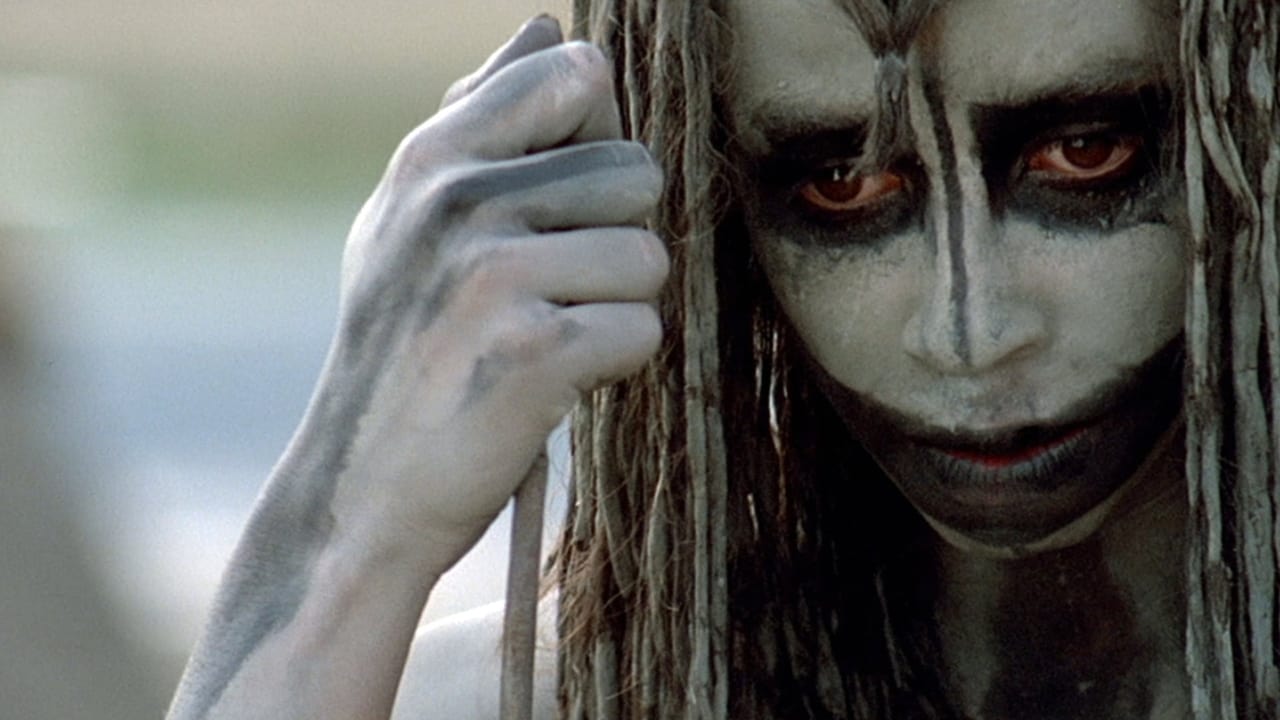
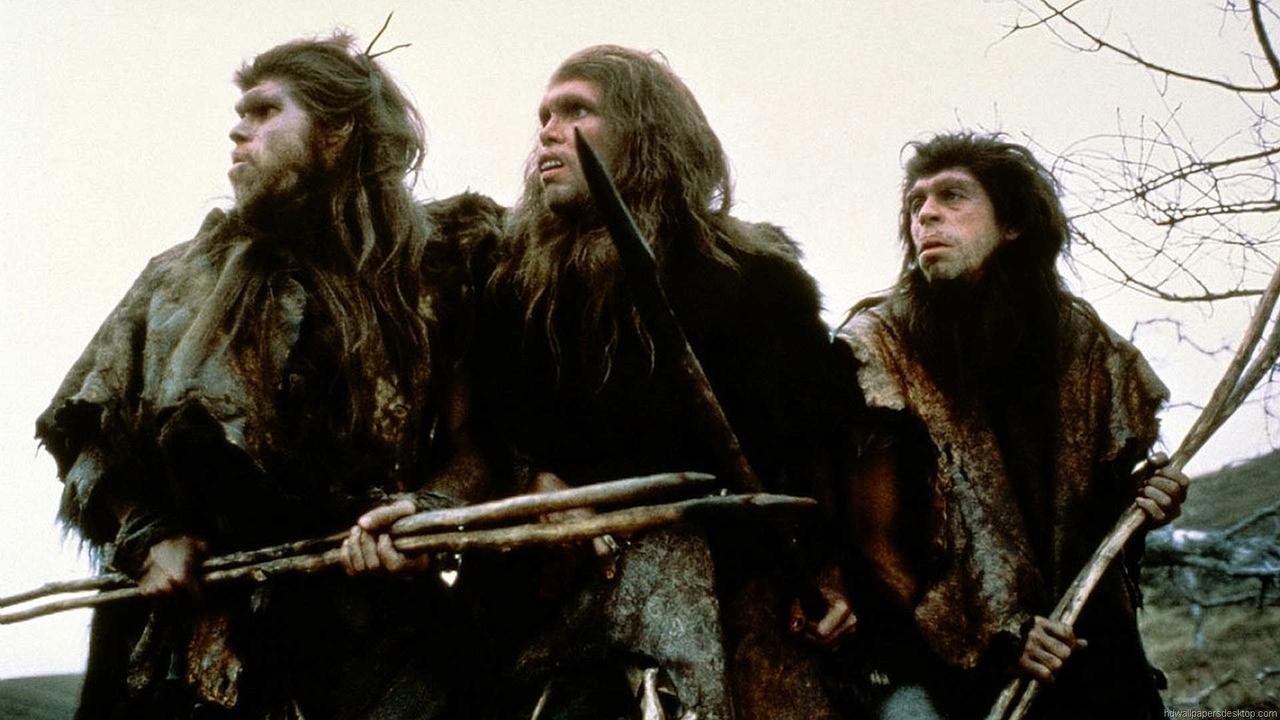
Annaud doesn't just rely on the actors; he crafts an utterly immersive world. Shot on location in the stark, unforgiving landscapes of Canada (specifically Alberta's Dinosaur Provincial Park and Badlands), Scotland (the Isle of Skye), and Kenya (Tsavo National Park), the film feels ancient and vast. The cinematography captures both the brutal beauty and the inherent danger of this prehistoric wilderness. There’s a genuine sense of threat lurking behind every rock formation, whether from rival tribes, saber-toothed cats, or woolly mammoths (brought to life through impressive, pre-CG practical effects and clever use of costumed elephants). The Oscar-winning makeup by Sarah Monzani and Michèle Burke is phenomenal, creating distinct physiognomies for the different hominid groups without veering into parody. It’s a testament to the craft that you accept these characters as real inhabitants of their time.
The introduction of Ika (Rae Dawn Chong), a member of the more culturally advanced Ivaka tribe who possesses the knowledge of fire-making, adds another dimension. Her interactions with Naoh, moving from captive to companion to something more, represent a nascent form of empathy and cross-cultural understanding, hinting at the complex social dynamics beginning to shape humanity. Their hesitant discovery of the missionary position, presented not salaciously but as a moment of profound connection and innovation, is surprisingly touching and speaks volumes about the film's focus on the beginnings of things we take for granted.
The Enduring Spark
Quest for Fire wasn't your typical popcorn fare, even in 1981. It demanded patience and engagement from its audience. Some might find its pacing deliberate, its tone unrelentingly serious. Yet, its power lies in its unique vision and execution. It grossed around $80 million worldwide against a $12 million budget, proving there was an audience for its challenging brand of speculative anthropology. It remains a singular achievement, a film that uses the tools of cinema to explore the very roots of human consciousness, communication, and our relationship with the natural world. It asks us to consider what truly separates us from the beasts, and what fundamental drives unite us across millennia. What lingers most after the flickering images fade is not just the memory of a strange and compelling story, but a sense of awe at the sheer resilience and burgeoning ingenuity of our distant ancestors.

Rating: 8.5/10
This score reflects the film's undeniable ambition, its groundbreaking approach to non-verbal storytelling, the strength of its central performances, and its immersive world-building. The sheer audacity of the project, coupled with the meticulous detail in language and behaviour (thanks to Burgess and Morris), elevates it beyond mere curiosity. It might test the patience of some, but its unique power and artistry make it a standout piece of 80s cinema that truly feels like nothing else before or since.
Final Thought: Long after the VCR heads needed cleaning, Quest for Fire remains lodged in the mind – a challenging, sometimes brutal, but ultimately profound cinematic journey back to the flickering dawn of humanity itself.