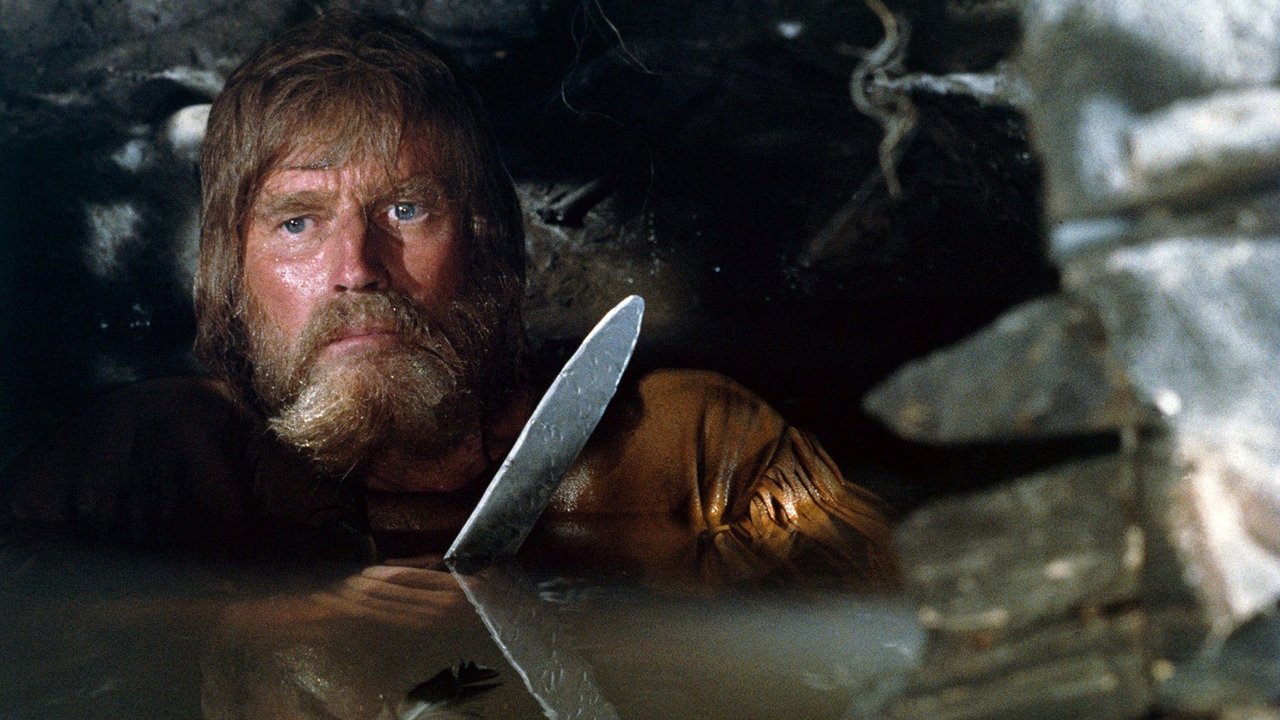
There’s a particular kind of quiet that settles over the high country just before winter truly takes hold, a stillness heavy with anticipation and the weight of survival. It’s this feeling, potent and pervasive, that permeates Richard Lang’s 1980 adventure-drama, The Mountain Men. More than just a tale of buckskin-clad trapping and wilderness skirmishes, the film offers a surprisingly melancholic look at the twilight years of a fiercely independent way of life, embodied by two men clinging to the fringes of a rapidly changing American frontier.
Of Peaks and Partnership
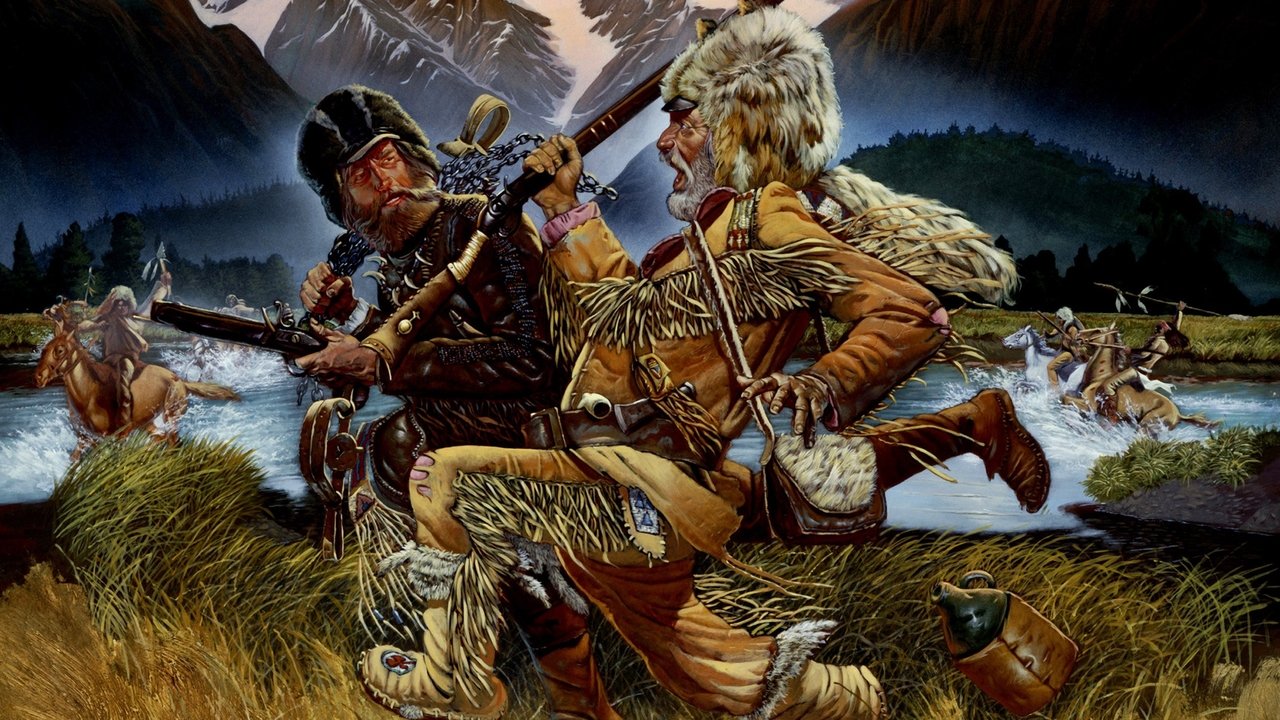
The film introduces us to Bill Tyler (Charlton Heston) and Henry Frapp (Brian Keith), seasoned trappers whose partnership forms the weathered heart of the narrative. They navigate the stunning but unforgiving landscapes of the Rocky Mountains, seeking beaver pelts ("plew") and dodging trouble, primarily from the Blackfoot tribe led by the formidable Heavy Eagle (Stephen Macht). Their existence is episodic, a series of encounters, close calls, and fleeting moments of camaraderie amidst profound isolation. What elevates The Mountain Men beyond a simple wilderness yarn is the palpable sense of an ending era. Civilization, represented by greedy traders and the encroaching reach of settlements, is slowly strangling the solitary freedom these men cherish.
Heston and Keith: A Study in Weary Resolve
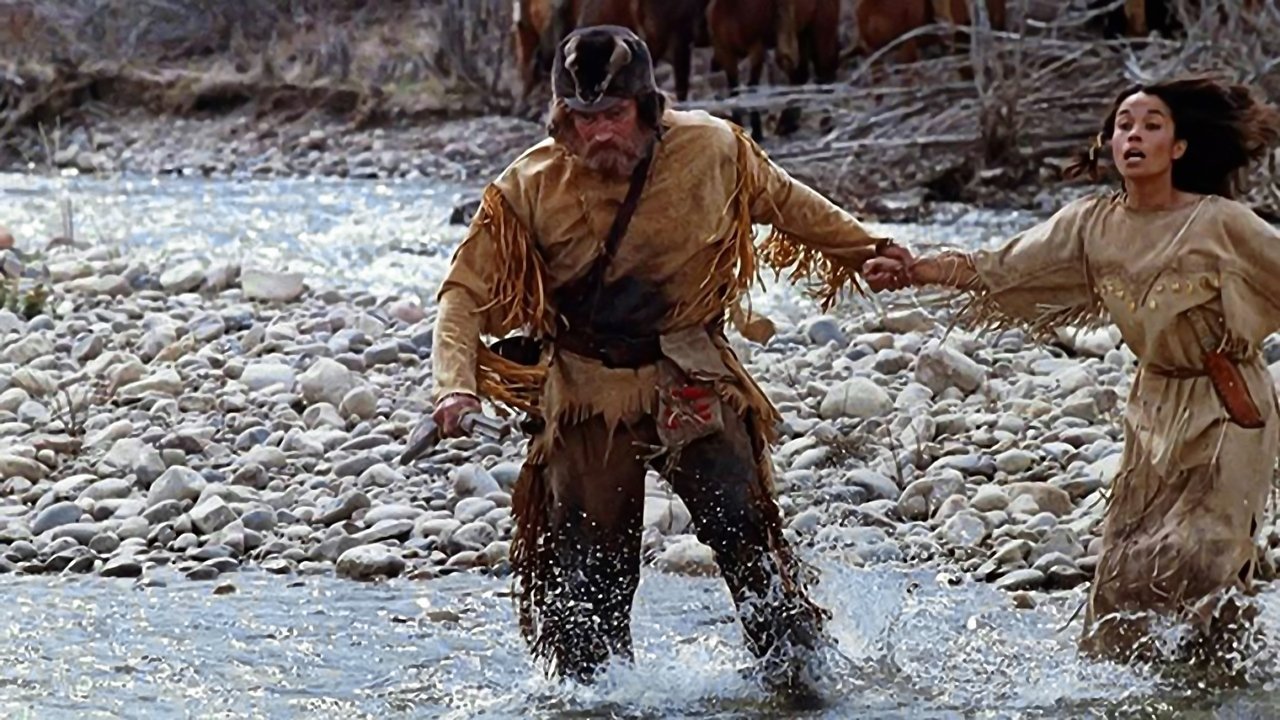
The core strength of the film undoubtedly lies in its lead performances. Charlton Heston, an actor synonymous with larger-than-life figures from Ben-Hur to Planet of the Apes, finds a different kind of gravitas here. His Bill Tyler is rugged, capable, and possesses Heston’s inherent screen presence, but there's a weariness etched onto his face, a quiet understanding that his world is vanishing. He's not playing a mythic hero, but a man stubbornly living by an outdated code. It’s a performance grounded in the mud and snow, less about grand pronouncements and more about determined action and unspoken loyalty.
Paired with him, Brian Keith as Henry Frapp is simply wonderful. Keith, a beloved character actor often remembered for warmer roles like Uncle Bill in TV's Family Affair or later, the titular Hardcastle, brings a scruffy charm and pragmatic humor to Frapp. Yet beneath the banter and survival skills, Keith imbues Frapp with a deep melancholy, a fatalistic acceptance of their precarious existence. The chemistry between Heston and Keith feels authentic and lived-in; their exchanges, often sparse, speak volumes about a bond forged in shared hardship and mutual respect. They feel like two sides of the same worn coin, reflections of the resilience and vulnerability demanded by the wilderness. Supporting them, Victoria Racimo brings a quiet dignity to Running Moon, a runaway Blackfoot woman who enters Tyler’s life, adding layers of complexity and danger.
Capturing the Unforgiving Beauty
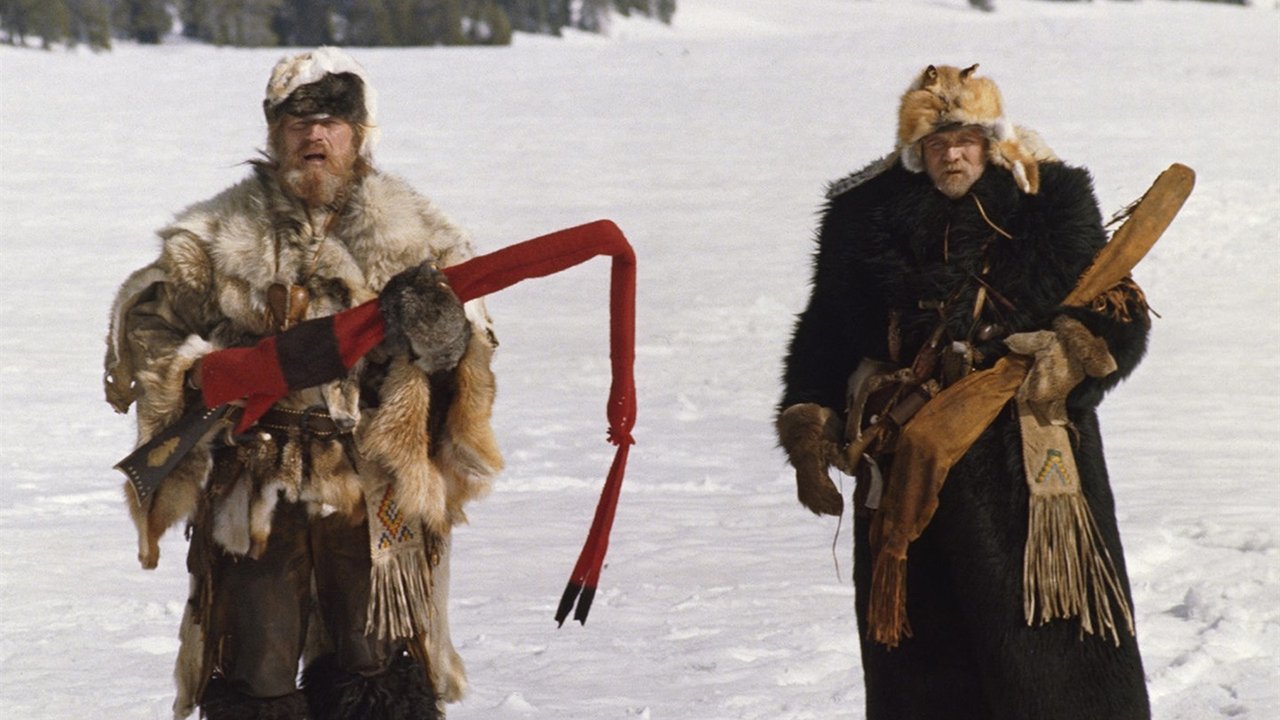
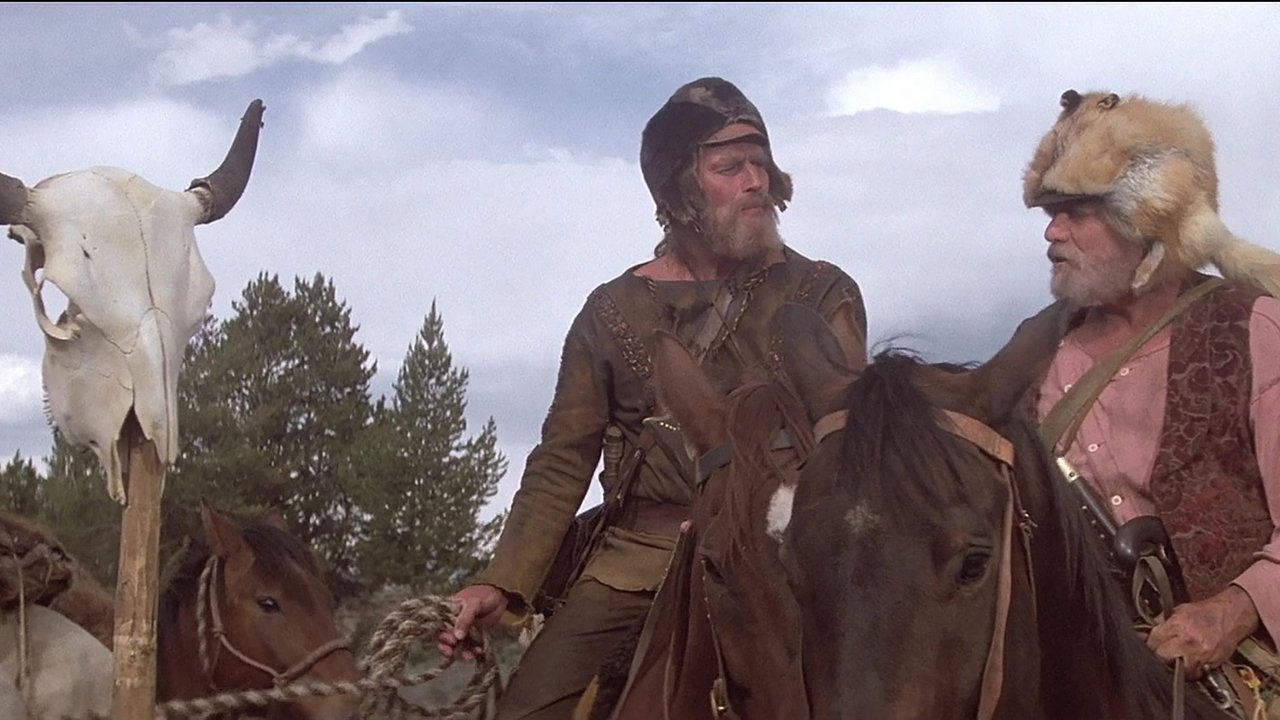
Director Richard Lang, predominantly known for his extensive television work, adopts a straightforward, unfussy style that serves the material well. The real star, alongside the actors, is the landscape itself. Filmed on location in Wyoming's majestic Teton and Shoshone National Forests, the cinematography by Michel Hugo captures both the breathtaking beauty and the inherent hostility of the environment. Sweeping vistas emphasize the characters' isolation, while claustrophobic forest encounters highlight the ever-present danger. The film feels cold, muddy, and vast. Complementing this is a score by the celebrated Michel Legrand, known for more lush arrangements in films like The Thomas Crown Affair (1968). Here, his music is appropriately rugged and often melancholic, underscoring the adventure but also the underlying sense of loss.
Retro Fun Facts: Grit Behind the Scenes
- A Family Affair: The screenplay was penned by none other than Fraser Clarke Heston, Charlton's son. Apparently, Fraser had thoroughly researched the era of the fur trade, drawing inspiration from historical accounts and journals of actual mountain men, aiming for a degree of authenticity often missing in Hollywood Westerns. This passion project element likely contributed to his father’s committed performance.
- Wyoming's Wrath: Filming in the authentic Wyoming locations wasn't just for show; the cast and crew genuinely battled harsh conditions. Reports from the set mention dealing with freezing temperatures, unpredictable weather, and challenging terrain, which undoubtedly added to the film’s visceral sense of realism. You can almost feel the chill seep through the screen.
- Heston's Historical Hobby: Charlton Heston had a well-known fascination with American history and firearms. His involvement likely ensured a higher degree of attention to period detail in the props, costumes, and depictions of trapping and survival techniques than might otherwise have been the case for a studio picture of the era.
- Box Office Realities: Made for an estimated $8 million, The Mountain Men grossed around $9 million in the US and Canada. While not a runaway success financially (especially compared to Heston's earlier blockbusters), it found a solid audience on home video, becoming one of those reliable weekend rentals many of us remember picking up from the local store – a gritty counterpoint to the decade's glossier offerings. The film's R-rating, relatively uncommon for a Heston lead at the time, signaled its commitment to depicting the harsh violence and realities of the period.
An Elegy for a Fading Frontier
What lingers long after the credits roll is the film’s pervasive sense of elegy. It doesn't shy away from the brutality – the sudden violence, the casual cruelty, the unforgiving consequences of survival. But beneath the adventure lies a profound sadness for a way of life becoming untenable. Tyler and Frapp aren't just fighting Blackfoot warriors or rival trappers; they're battling the relentless march of time and change. Their fierce independence is both their strength and their doom. Does the film romanticize their existence? Perhaps slightly, but it tempers it with a stark portrayal of the costs involved. How does their struggle against encroaching 'civilization' resonate differently now, in an era grappling with its own environmental and societal pressures?
Final Verdict
The Mountain Men isn't a flawless film; its episodic structure occasionally leads to uneven pacing, and some supporting characters feel underdeveloped. However, its core strengths – the commanding and complementary performances from Heston and Keith, the stunningly captured landscapes that function as a character in their own right, and its unexpectedly somber reflection on the end of an era – make it a compelling and memorable piece of early 80s cinema. It feels grounded, authentic, and carries a weight that many adventure films lack.
Rating: 7/10
Justification: This score reflects the film's powerful lead performances and evocative atmosphere, which successfully capture the harsh beauty and melancholy tone of the fading frontier era. The authentic locations and gritty realism are significant plus points. However, the somewhat rambling, episodic narrative structure and occasional lack of depth in secondary plotlines prevent it from reaching higher marks. It's a strong, character-driven piece carried by its stars, rather than a perfectly crafted story.
It remains a potent reminder, preserved on those well-loved VHS tapes, of a time when Hollywood occasionally dared to temper its adventures with a dose of rugged realism and a thoughtful sigh for worlds lost.