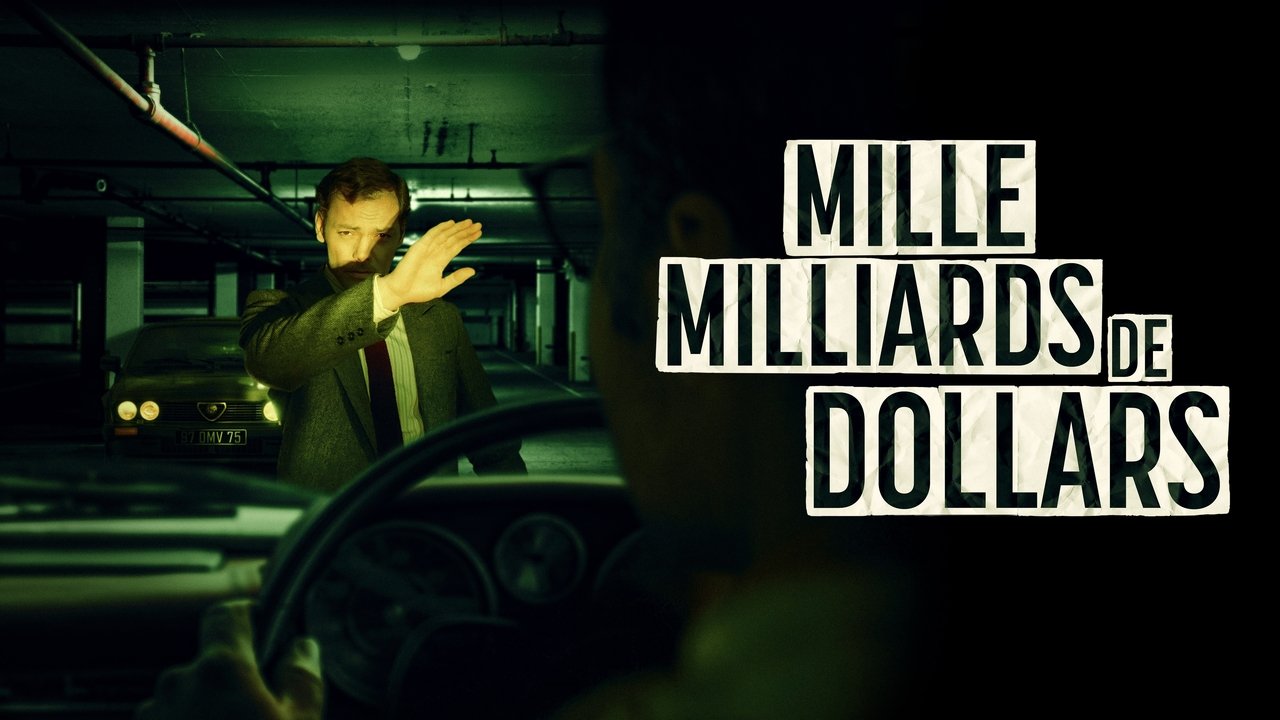
Okay, let's slide another tape into the VCR. This time, it's a journey into the cold corridors of power, a place far removed from the neon-drenched action or goofy comedies we often revisit. Remember those slightly heavier, often European thrillers that sometimes turned up on the rental shelves, promising something knotty and intelligent? Henri Verneuil's 1982 film Mille milliards de dollars (A Thousand Billion Dollars) is precisely that kind of discovery – a film that resonates with a chilling prescience, exploring the dark underbelly where global finance meets political intrigue. It doesn't just entertain; it burrows under your skin, leaving you pondering the invisible strings that might just pull the world's levers.
Unmasking the Leviathan
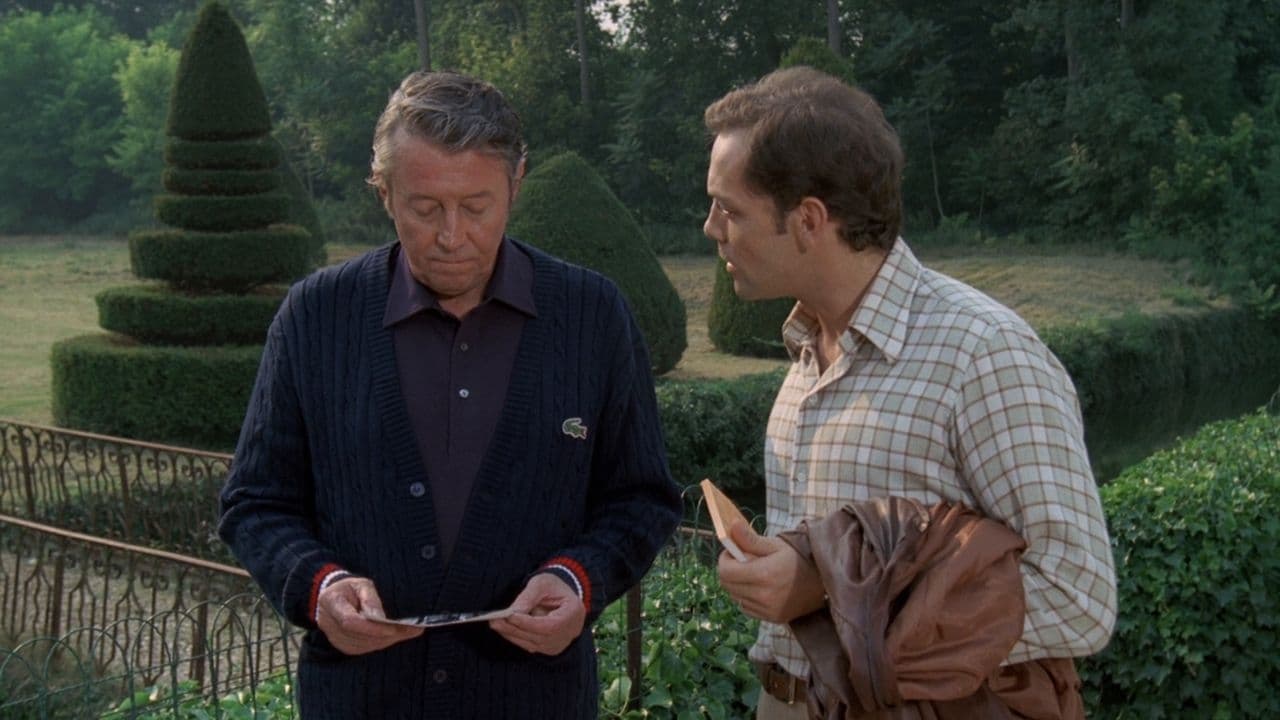
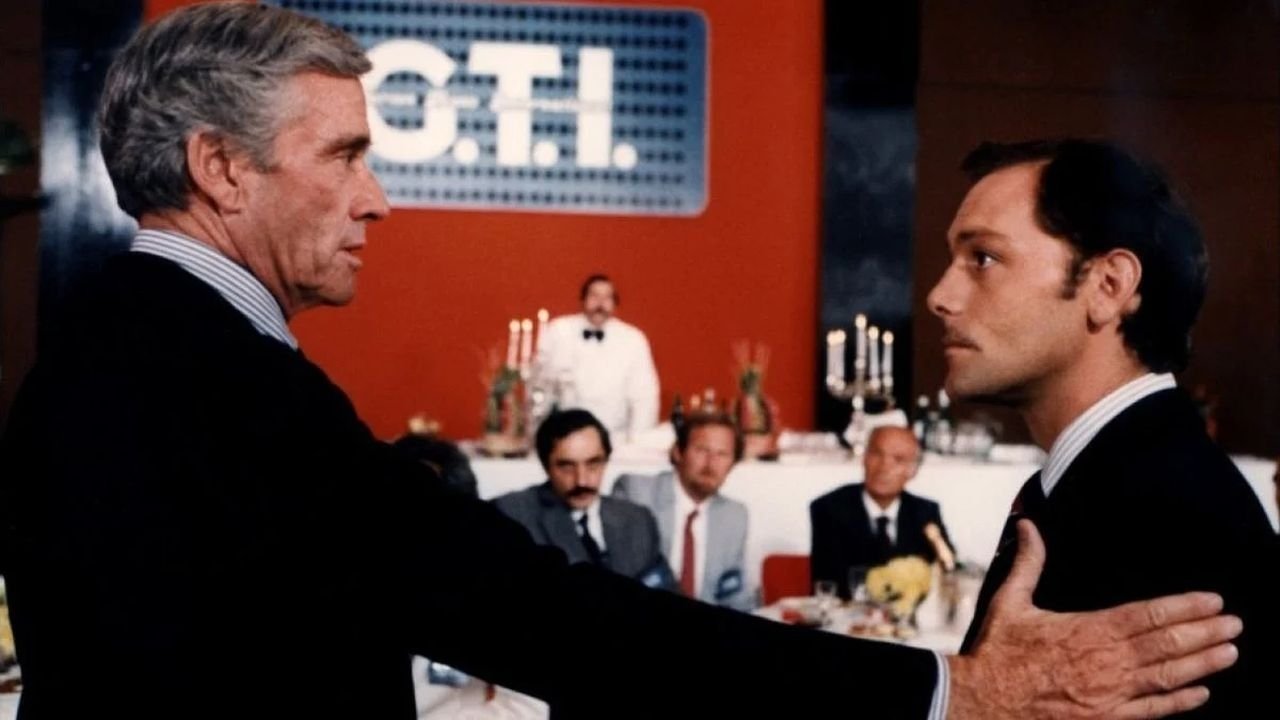
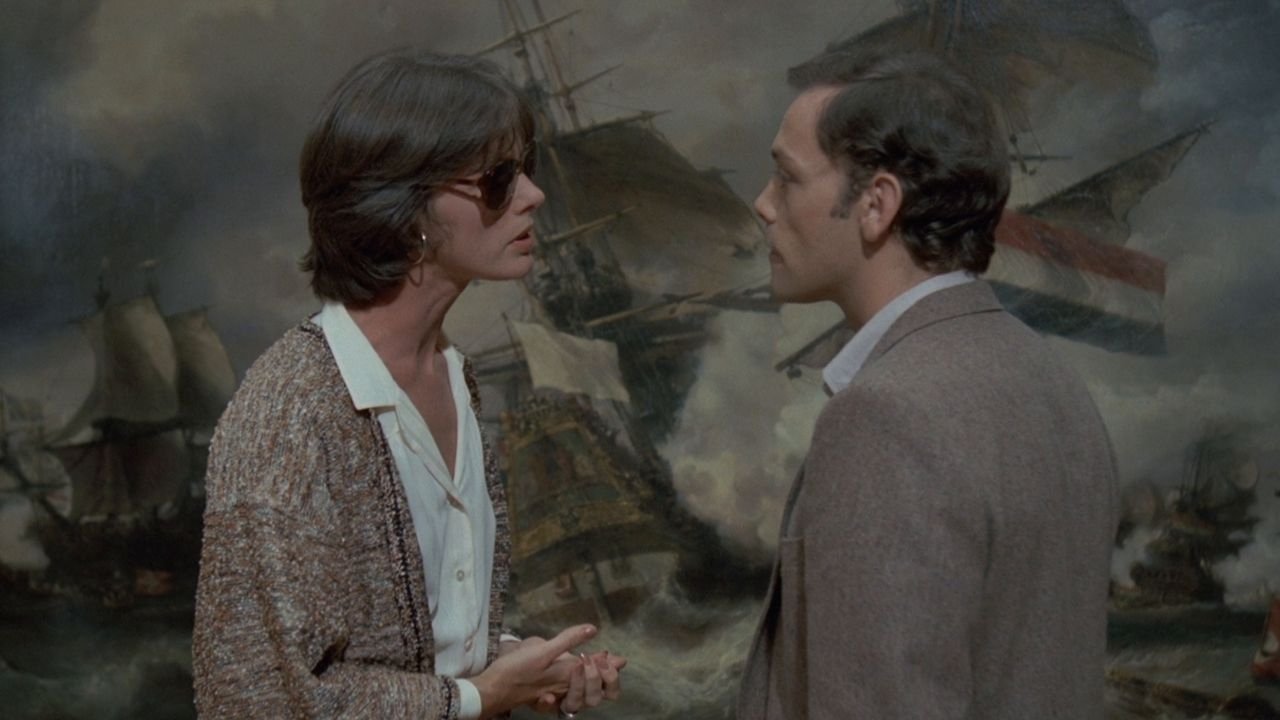
The film throws us headfirst into the world of Paul Kerjean, a tenacious investigative journalist played with a raw, nervous energy by the unforgettable Patrick Dewaere. Kerjean, working for a major newspaper, stumbles onto a seemingly minor scandal involving illegal arms sales. But as he digs deeper, peeling back layer after layer, he uncovers a sprawling conspiracy orchestrated by a monolithic multinational corporation, GTI. It's a classic setup – the lone crusader against an impossibly powerful entity – but Verneuil, a master craftsman known for taut thrillers like The Sicilian Clan (1969) and Le Casse (1971), imbues it with a palpable sense of dread and realism. The antagonist isn't a cackling villain, but a vast, impersonal system embodied by calculating executives in sharp suits, operating within boardrooms that feel both opulent and sterile.
What strikes you immediately is how grounded it feels. Verneuil avoids overt action movie theatrics. The tension builds not through shootouts (though danger certainly lurks), but through hushed conversations, stolen documents, veiled threats, and the growing realization of the sheer scale of GTI's influence, stretching across continents and into the highest echelons of government. It’s a film about information as a weapon, and the slow, suffocating pressure applied to those who dare to expose the truth. The atmosphere is thick with paranoia, reminiscent perhaps of American conspiracy thrillers of the 70s like The Parallax View (1974), but filtered through a distinctly European sensibility – less overtly spectacular, more focused on character and psychological strain.
A Haunting Central Performance
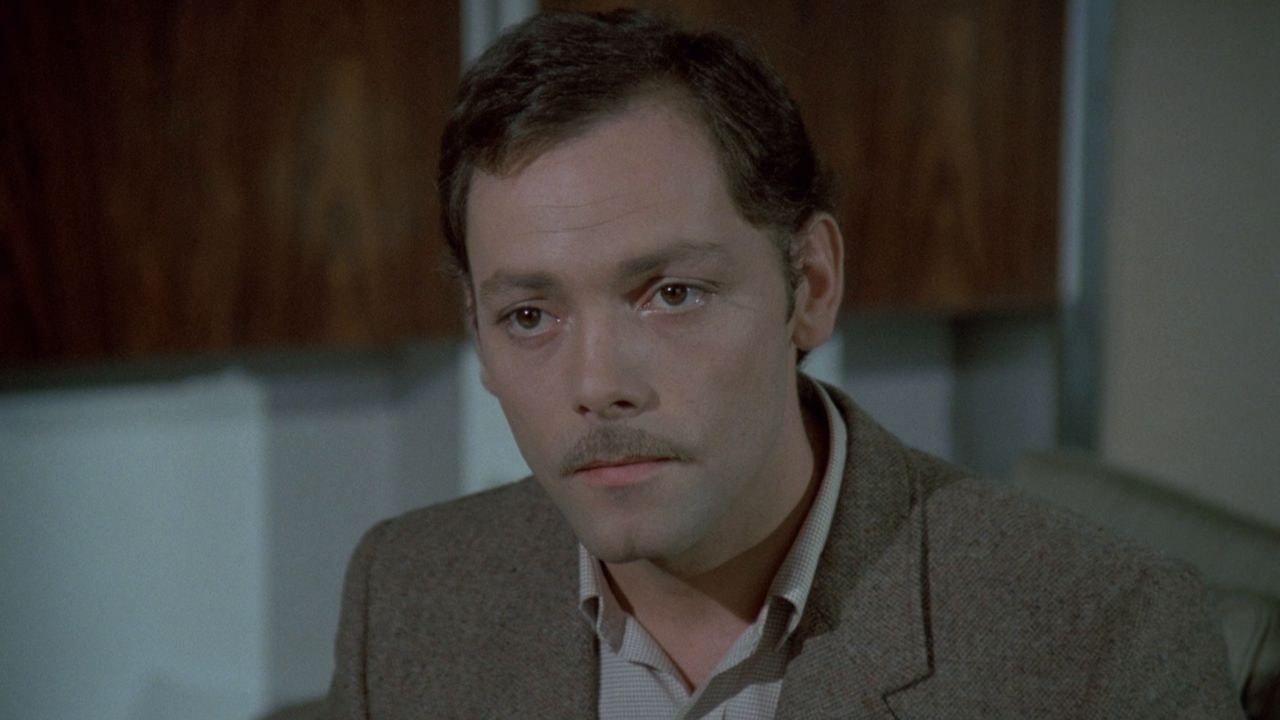
At the heart of the film's enduring power is Patrick Dewaere. Watching him here is an experience layered with unavoidable poignancy. This was tragically one of his final roles before his suicide later the same year, and his performance carries an almost unbearable weight. Kerjean isn't a slick superhero journalist; he's frayed, obsessive, driven by a moral compass that puts him increasingly at odds with the world, and even his own colleagues and family (Caroline Cellier provides solid support as his concerned wife). Dewaere embodies this tension perfectly. You see the intelligence burning in his eyes, the flicker of fear, the stubborn refusal to back down. There's a vulnerability beneath the determination that makes his quest feel both heroic and incredibly perilous. His naturalistic style, a hallmark of his acclaimed career in films like Les Valseuses (1974), makes Kerjean utterly believable. It’s not just acting; it feels like witnessing a man grappling with forces far bigger than himself, making the stakes feel intensely personal and real.
Retro Fun Facts: Weaving the Threads
- The film was adapted from the novel The Combine by American author Lawrence Klingman, though Henri Verneuil tailored it significantly, infusing it with his own directorial signature and contemporary French anxieties.
- Verneuil was known for his meticulous preparation and often worked with large budgets by European standards. Mille milliards de dollars reportedly cost around 35 million French Francs (roughly equivalent to €18-20 million today, adjusted for inflation), allowing for its polished look and international scope.
- The film’s portrayal of a shadowy multinational wielding immense global power felt particularly relevant in the early 80s, tapping into growing public concerns about globalization and corporate ethics – themes that, frankly, haven't aged a day. Doesn't that resonance feel almost unsettlingly familiar?
- Charles Denner, another stalwart of French cinema, brings a quiet authority to his role as Walter, Kerjean's editor, representing the institutional pressures within the media itself.
Beyond the Conspiracy: A Question of Power
What lingers long after the credits roll isn't just the intricate plot, but the questions it raises about the nature of power in the modern world. How accountable are these vast corporate entities? Where does journalism draw the line between investigation and endangerment? Verneuil doesn't offer easy answers. The film presents a complex ecosystem where political ambition, corporate greed, and media influence intertwine, often with devastating consequences for the individual caught in the crossfire. It’s a stark reminder that the most significant battles aren't always fought on traditional battlefields.
Watching it today, on a format perhaps far removed from the original cinema screen or that worn VHS tape rented on a whim, Mille milliards de dollars retains its chilling effectiveness. It might lack the explosive pace of modern thrillers, but its deliberate build-up, intelligent script, and Verneuil's assured direction create a different kind of intensity – a slow burn that culminates in a powerful, thought-provoking statement. The film’s slightly dated aesthetic – the chunky computers, the boxy cars, the very specific early 80s corporate fashion – only adds to its nostalgic charm, grounding it firmly in the era while its themes remain remarkably current.
Rating: 8/10
This score reflects the film's intelligent script, Verneuil's skillful direction creating sustained tension, and above all, Patrick Dewaere's magnetic and tragically resonant central performance. It's a top-tier example of the European political thriller, tackling complex themes with nuance and crafting a compelling narrative that avoids easy sensationalism. While perhaps a touch slow for some modern tastes, its atmosphere and thematic depth more than compensate.
Mille milliards de dollars is more than just a thriller; it's a sobering reflection on power and accountability, anchored by a performance that haunts you long after the tape clicks off. It stands as a powerful piece of 80s cinema and a poignant final testament to the immense talent of Patrick Dewaere.