How far would you go if you believed the system designed to protect us was fundamentally broken? That's the unsettling question coiled at the heart of Peter Hyams' 1983 thriller, The Star Chamber, a film that landed on video store shelves like a morally ambiguous gut punch. It arrived without the blockbuster fanfare of some contemporaries, yet its premise – a secret cabal of judges ordering hits on criminals freed by legal loopholes – felt ripped, if exaggeratedly, from the anxieties of the era. Watching it again now, on a format far removed from the chunky VHS tapes I remember renting, its core dilemma still resonates with uncomfortable power.
When Justice Fails
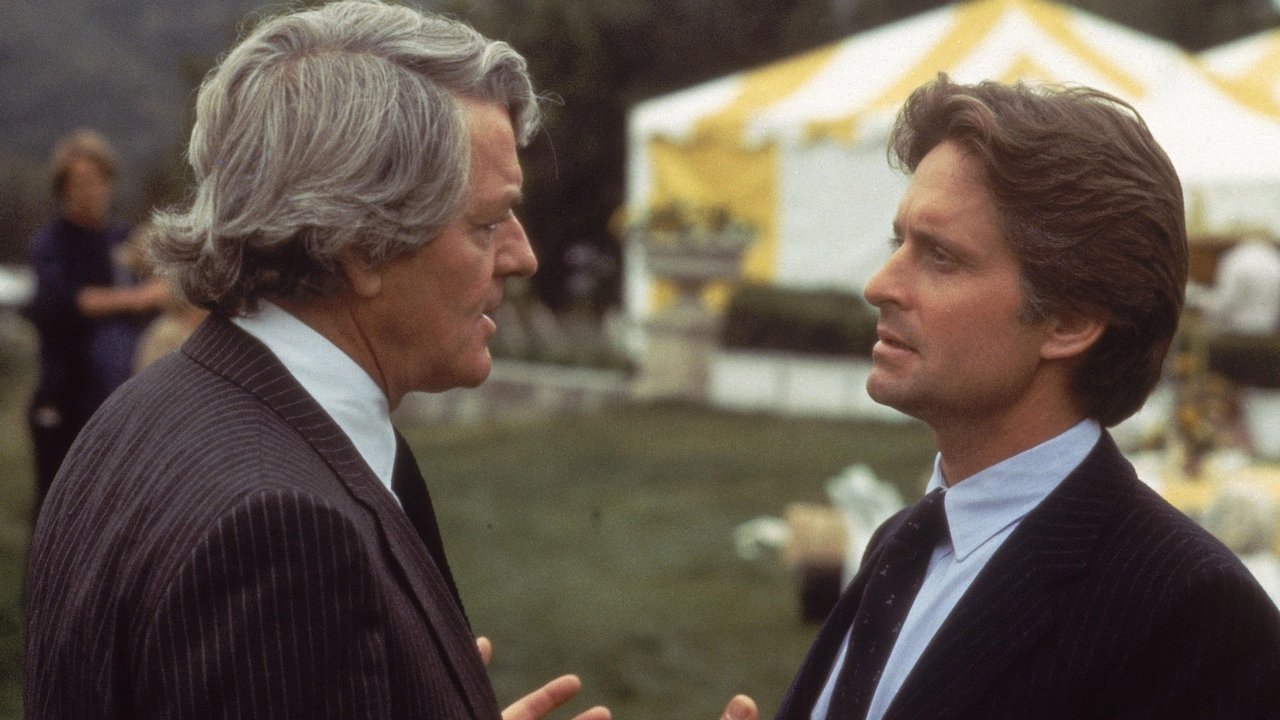
The film introduces us to Superior Court Judge Steven Hardin, played by a young, intense Michael Douglas. This wasn't the Gordon Gekko Douglas, nor the Fatal Attraction Douglas quite yet, but you could see the leading man charisma solidifying. He delivers a performance crackling with righteous frustration. We see Hardin forced, time and again, by procedural errors and technicalities, to let demonstrably guilty, often vile, criminals walk free. The weight of these decisions visibly erodes him. His disillusionment feels palpable, grounded in scenarios that, while perhaps legally accurate, are dramatically infuriating. Hyams, who not only directed but also co-wrote (with Roderick Taylor) and, crucially, acted as his own Director of Photography, frames Hardin’s crisis with a distinct visual style. The courtroom scenes, often shot in real Los Angeles court buildings, possess a stark, almost claustrophobic realism, contrasting sharply with the shadowy recesses where true power seems to reside.
An Offer You Can't Refuse?
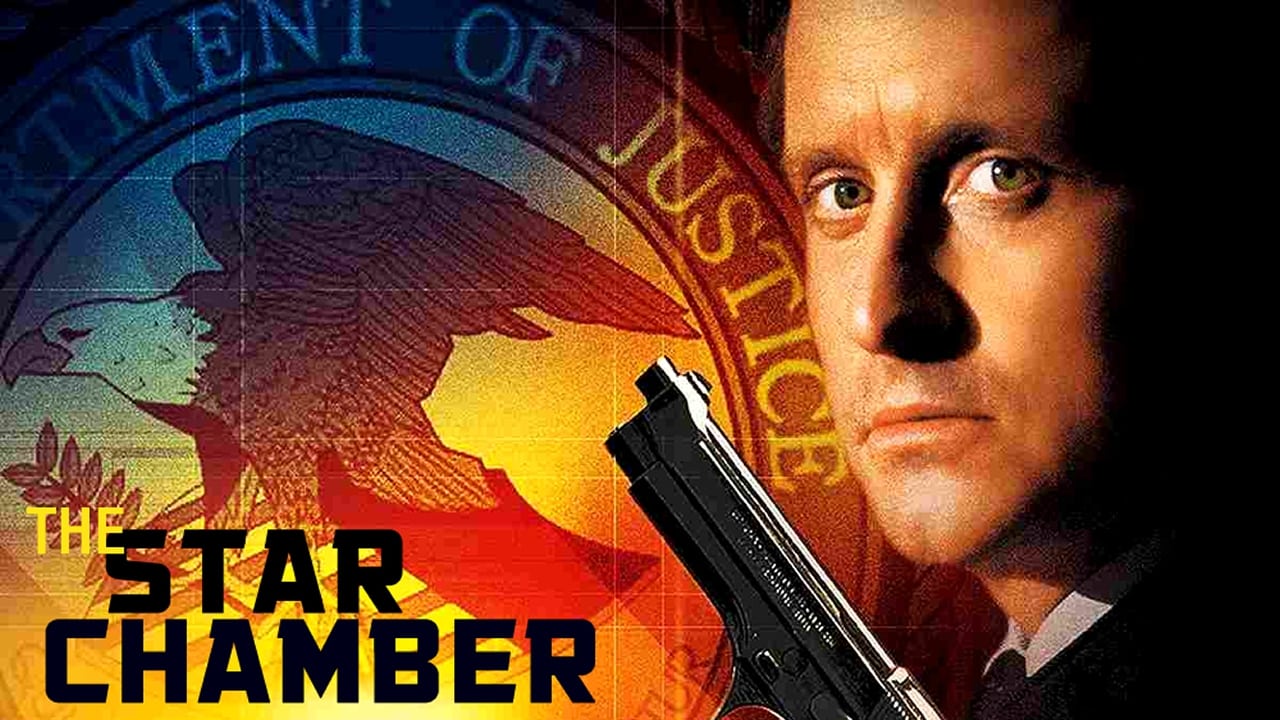
Enter Judge Benjamin Caulfield, portrayed with steely gravitas by the ever-reliable Hal Holbrook. He represents a circle of veteran judges who have formed the titular "Star Chamber" – a modern interpretation of the infamous 17th-century English court. They review cases where the guilty slipped through the cracks and, if unanimously convinced of guilt and the exhaustion of legal appeals, dispatch their own justice via a hired assassin. Caulfield recruits the tormented Hardin, presenting the chamber as a necessary evil, a desperate measure for desperate times. It's a seductive proposition for a man drowning in the perceived failures of the very system he swore to uphold. Doesn't the idea of ensuring consequences, even outside the law, hold a dark appeal when faced with such injustice?
The film excels in portraying this ethical tightrope walk. For a while, the chamber seems almost noble, a grim but effective countermeasure. Yaphet Kotto, bringing his usual grounded intensity, plays Detective Harry Lowes, whose investigation into seemingly unrelated murders begins to circle closer to Hardin and his secret, adding another layer of suspense. The tension builds not just from the external threat of discovery, but from Hardin's internal conflict. Is this justice, or just state-sanctioned murder?
Behind the Gavel
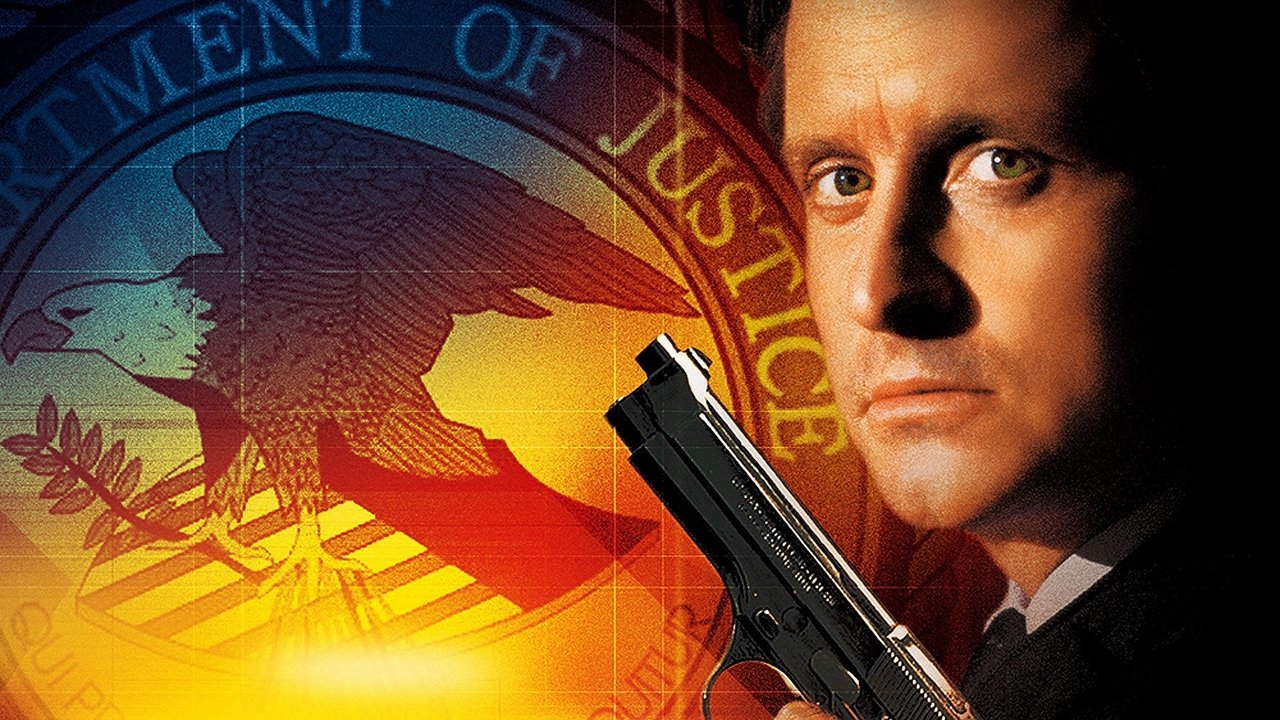
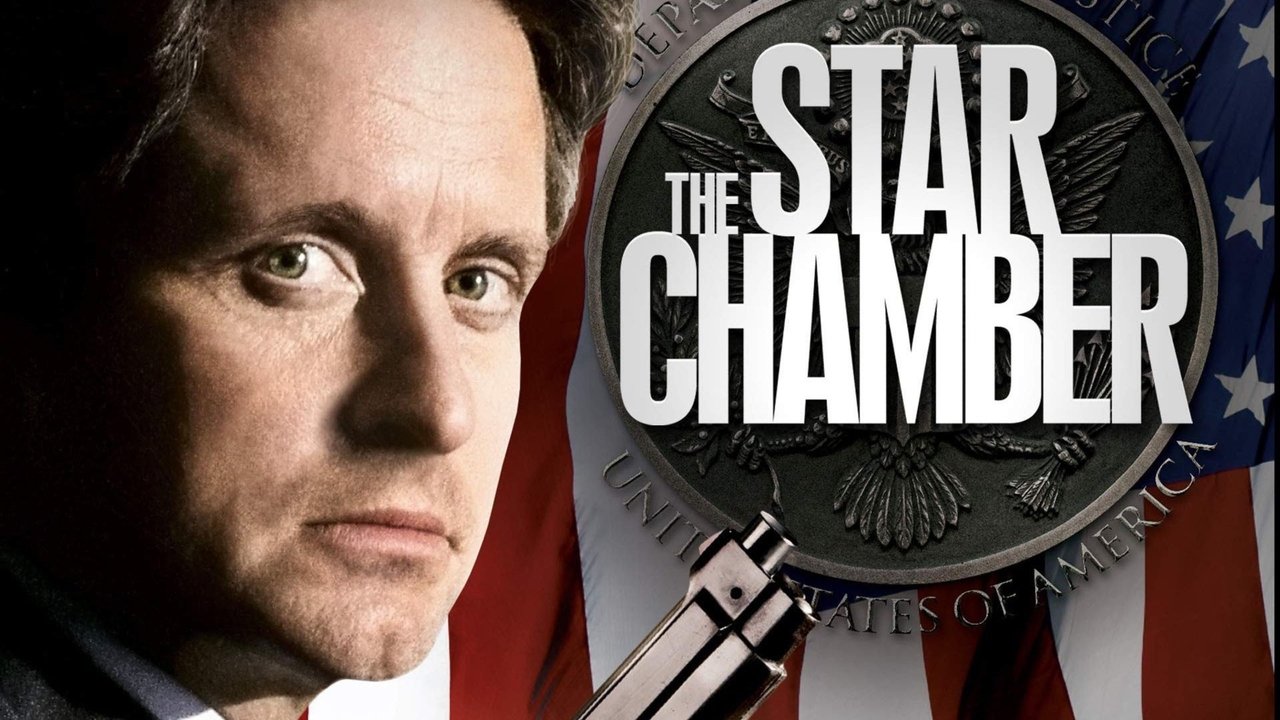
The Star Chamber wasn't a box office smash, pulling in a modest $5.6 million domestically against its estimated $8 million budget. Perhaps its challenging themes and less-than-triumphant conclusion made it a tougher sell in an era increasingly drawn to clearer heroes and villains. Yet, its journey on VHS gave it a second life, finding an audience receptive to its darker, more complex narrative. It became one of those quintessential video store discoveries – the intriguing cover art, the potent premise grabbing your attention from the shelf.
Peter Hyams' decision to serve as his own cinematographer is a significant factor in the film's look and feel. Known for his work on gritty sci-fi like Outland (1981) and the ambitious 2010: The Year We Make Contact (1984), Hyams brings a distinct visual signature. He favors low-light conditions and uses shadow effectively, creating an atmosphere that feels both realistic and subtly menacing, perfectly mirroring the moral twilight zone the characters inhabit. Reportedly, writer Roderick Taylor conceived the idea after becoming frustrated with legal technicalities he'd observed, adding a kernel of real-world exasperation to the high-concept premise. It’s a classic example of a mid-budget studio picture from the era – driven by a compelling idea, solid performances, and confident direction, even if it didn't set the box office alight.
The Verdict
While some might find the plot mechanics occasionally strain credulity, particularly in the latter half, the film's power lies in its unflinching exploration of its central premise. Michael Douglas gives a compelling performance as a man pushed to the edge, making Hardin's descent into vigilantism understandable, even if not justifiable. Hal Holbrook is perfectly cast as the persuasive, chilling architect of the chamber. The film doesn't offer easy answers. It forces us to confront uncomfortable questions about the limits of law, the allure of retribution, and the potential for corruption even within seemingly righteous endeavors. The practical, grounded feel – a hallmark of many 80s thrillers before CGI took over – adds to its effectiveness.
Rating: 7.5/10
This rating reflects a film that is expertly crafted in terms of atmosphere and performance, built around a truly thought-provoking (and still relevant) ethical dilemma. It’s a tight, suspenseful thriller that might stumble slightly in its plot logistics but never waivers in its thematic focus. The Star Chamber might not be the most celebrated thriller from the VHS era, but it remains a potent and unsettling piece of work, leaving you pondering long after the credits roll: what truly constitutes justice, and who gets to decide?