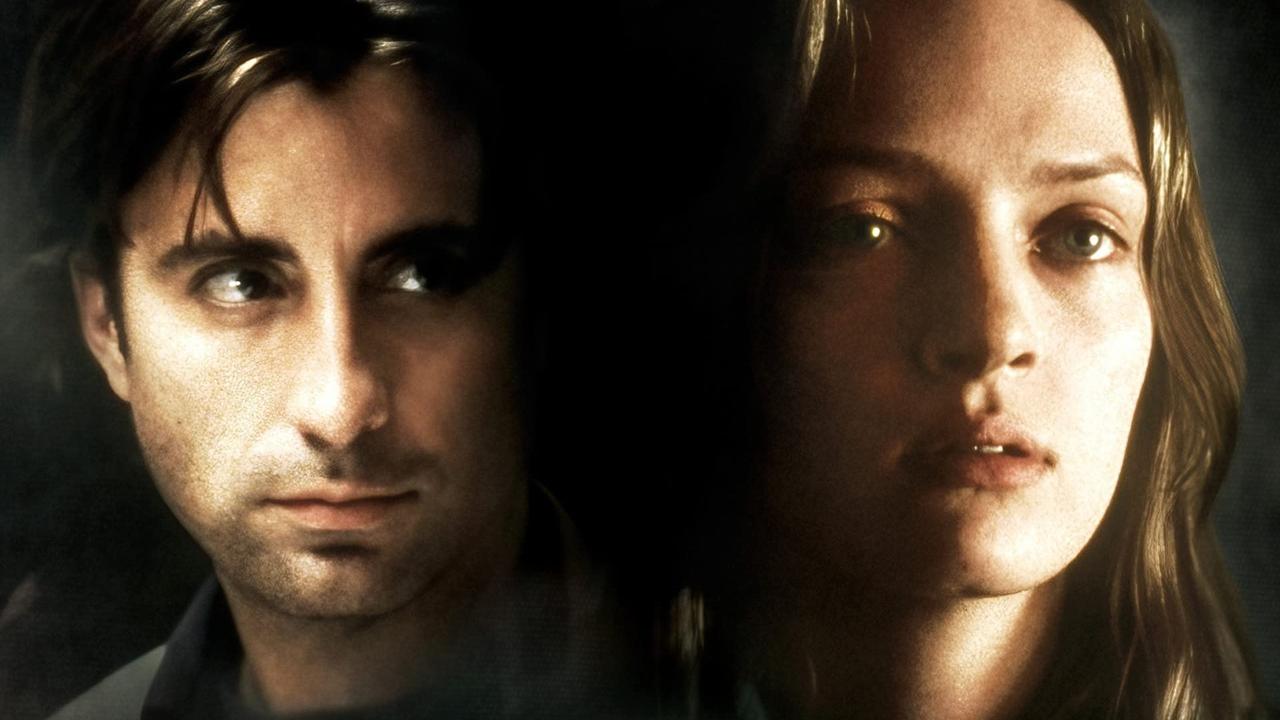
The rain never seems to stop in Jennifer Eight. It washes over the bleak, Northwestern landscapes, mirroring the damp chill that seeps right into your bones as you watch Detective John Berlin unravel. Released in 1992, this wasn't your typical high-octane thriller splashed across the video store shelves. It felt… heavier. Denser. Like pulling a damp wool blanket over yourself on a grey afternoon, knowing something unseen lurks just outside the window. This film arrived tucked amongst the usual suspects, its stark cover art hinting at a deeper, more psychological dread, the kind that lingered long after the VCR whirred to a stop.
Drowning in Atmosphere
What Jennifer Eight nails, unequivocally, is mood. Director Bruce Robinson, famously known for the acerbic cult comedy Withnail & I (1987), took a sharp left turn into this rain-slicked, perpetually overcast world. Forget sunshine; this film lives in the gloom. The cinematography practically drips with desaturated colours and shadows, creating a visual landscape as weary and worn down as its protagonist. It’s a film where the environment feels like an active participant in the unfolding nightmare, pressing down on the characters, isolating them further. This pervasive atmosphere is arguably the film's strongest asset, drawing you into its melancholic rhythm even when the plot occasionally stumbles.
A Cop on the Edge, A Witness in the Dark
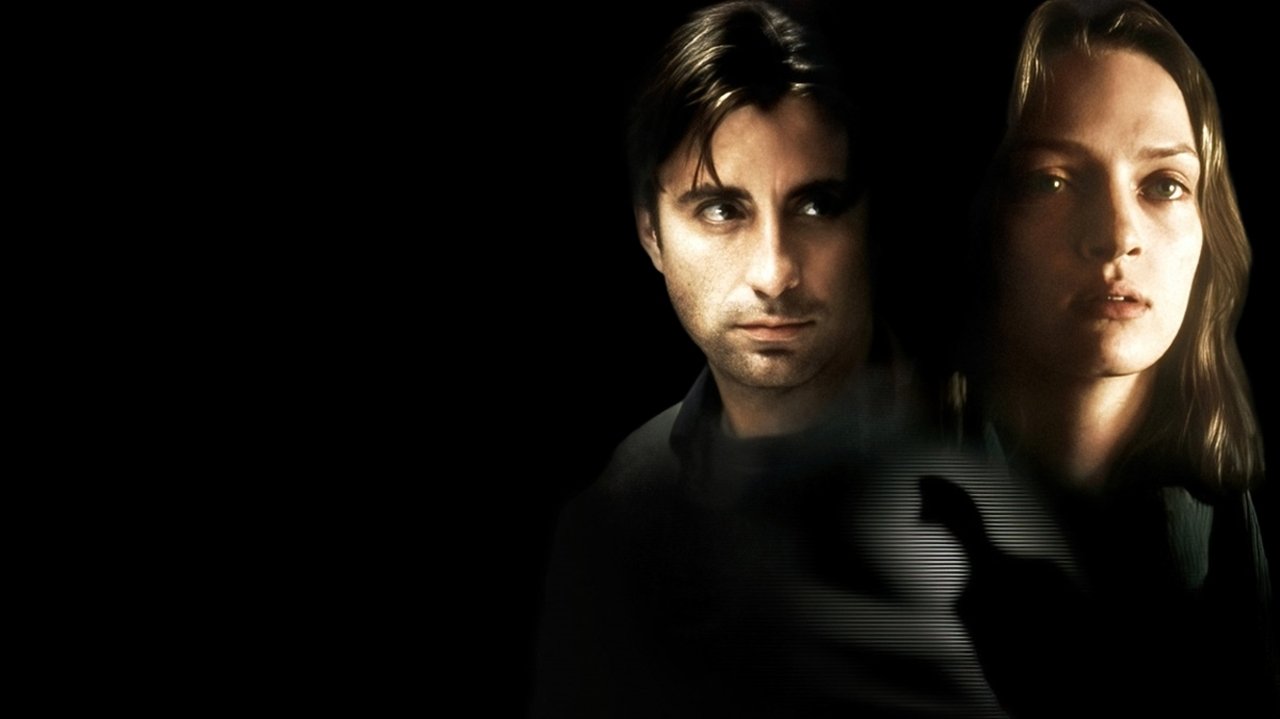
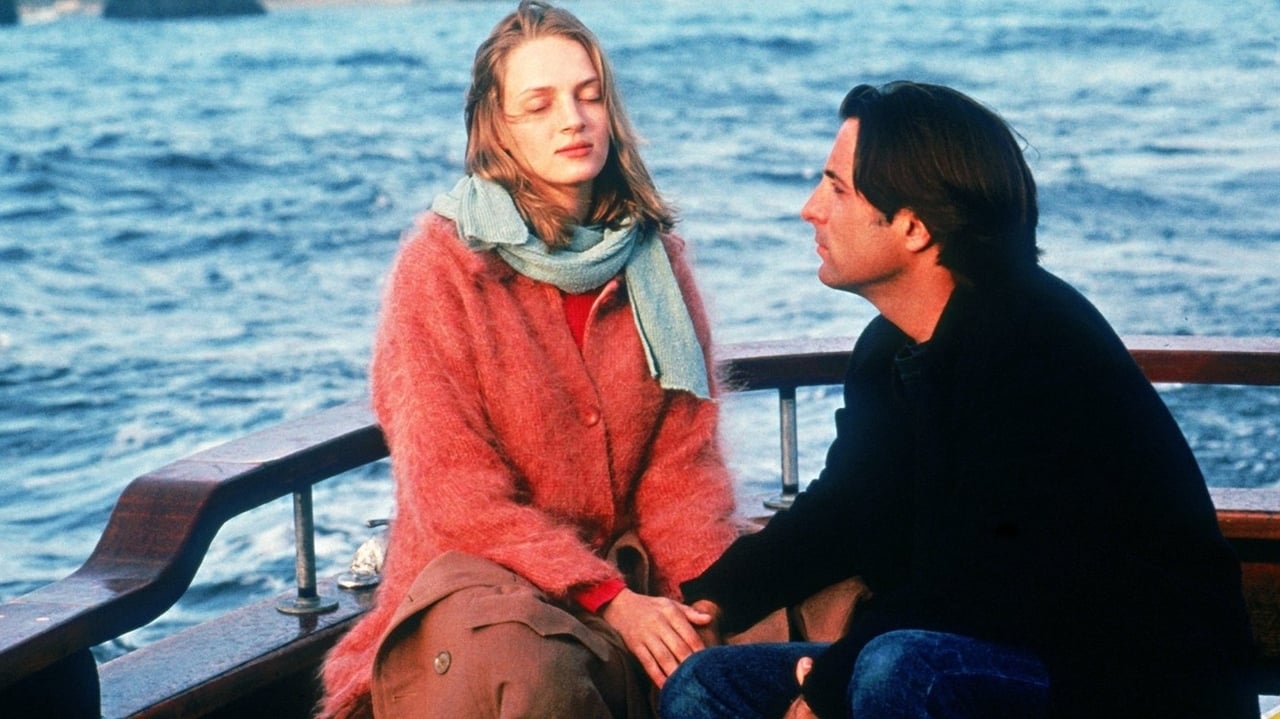
Andy García, fresh off acclaimed roles in films like The Godfather Part III (1990), plays John Berlin, a burnt-out LA detective seeking refuge in the seemingly sleepy town of Eureka, California. He carries the weight of a failed marriage and a troubled past, hoping for a fresh start. Instead, he walks straight into a cold case: a string of murders targeting blind women, the latest victim potentially being the eighth, codenamed "Jennifer." García embodies Berlin’s weary intensity perfectly; he’s a man running on fumes but reignited by a puzzle only he seems willing to fully confront. His obsession leads him to Helena Robertson, played with vulnerable grace by Uma Thurman, a blind music student who might be the killer's next target, and the only potential witness. Their relationship forms the fragile emotional core of the film – a damaged cop finding a connection with a woman living in perpetual darkness, both literally and figuratively.
Behind the Shadows: A Troubled Production
The journey of Jennifer Eight to the screen wasn't smooth, a fact that perhaps subtly informs its downbeat tone. Bruce Robinson reportedly clashed heavily with Paramount Pictures during production and editing. Rumours persist of significant studio interference, excised scenes, and battles over the final cut, contributing to a narrative that sometimes feels uneven or truncated. It’s said the experience soured Robinson so much that he largely stepped away from directing for nearly two decades. Knowing this adds a layer of poignant irony; the film’s story of institutional skepticism and one man fighting against the grain seems mirrored by its creator’s own struggles. This difficult birth might also partly explain its disappointing box office return – pulling in just $11.4 million against a $20 million budget (that's roughly $43 million today), a stark result given the star power involved.
Faces in the Rain
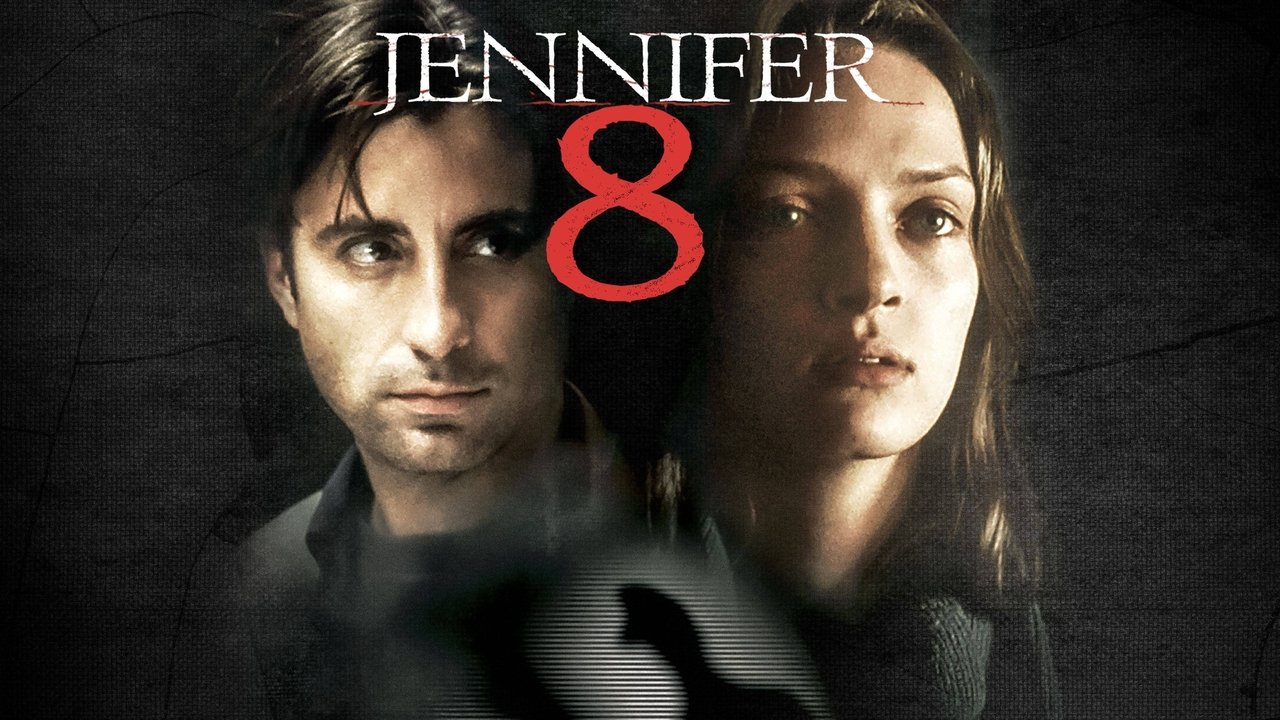
Beyond the central pair, the supporting cast adds texture. Lance Henriksen (a genre stalwart forever remembered from Aliens (1986)) brings his reliable gravitas as Freddy Ross, Berlin's supportive but increasingly concerned colleague and brother-in-law. And then there’s John Malkovich, popping up for a brief but utterly chilling interrogation scene as St. Anne, a key suspect. Malkovich masterfully steals his few minutes on screen, radiating unsettling intelligence and quiet menace. It's a cameo that injects a jolt of high-voltage tension precisely when needed. Trivia tidbit: García apparently dedicated himself to learning some Braille for the role, adding a touch of authenticity to his interactions with Thurman's character and the clues central to the case.
Does the Chill Endure?
Watching Jennifer Eight today is an interesting experience. It feels distinctly like an early 90s thriller – moody, deliberately paced, more interested in character psychology and atmosphere than explosive action. It arrived in the wake of The Silence of the Lambs (1991), during a resurgence of the serial killer genre, but it charts its own gloomier course. The film isn't without its flaws. The pacing can lag, and some plot developments rely on contrivance or feel underdeveloped, possibly casualties of those reported studio cuts. The central mystery, while intriguing, might not deliver the knockout punch some viewers expect.
Yet, something about it sticks. The palpable sense of dread, García's committed performance, Thurman's ethereal presence, and that oppressive, rain-soaked atmosphere combine to create a uniquely unsettling viewing experience. It may not be perfect, but it possesses a character and a mood that many slicker, more formulaic thrillers lack. Remember feeling that specific kind of early 90s unease, less about jump scares and more about a creeping sense of decay and things unseen? Jennifer Eight taps directly into that vein.
---
Rating: 6/10
Justification: Jennifer Eight earns points for its phenomenal atmosphere, strong lead performances from García and Thurman, and Malkovich's standout cameo. The direction, despite behind-the-scenes turmoil, establishes a potent sense of place and dread. However, it loses marks for uneven pacing and plot developments that feel murky or underdeveloped, likely stemming from production issues. It's a film heavy on mood but occasionally light on narrative cohesion.
Final Thought: A flawed but fascinatingly atmospheric artifact of the early 90s thriller boom, Jennifer Eight remains a compelling watch for those who appreciate style, mood, and a deep dive into cinematic gloom, even if the mystery itself doesn't quite reach classic status. It’s a rain-check recommendation for a quiet, dark night.