The sun beats down on endless asphalt, the shimmering heat haze playing tricks on the eye. It’s a terrifyingly mundane image, the start of countless road trips. But in Jonathan Mostow's brutally efficient 1997 thriller Breakdown, that banal stretch of highway becomes a terrifying portal into paranoia and desperation. There's a particular kind of dread the film taps into – the vulnerability of being stranded, helpless, miles from anywhere, entirely reliant on the kindness, or cruelty, of strangers. Watching this one late at night back in the day? It had a habit of making you double-check the locks.
Into the Dust
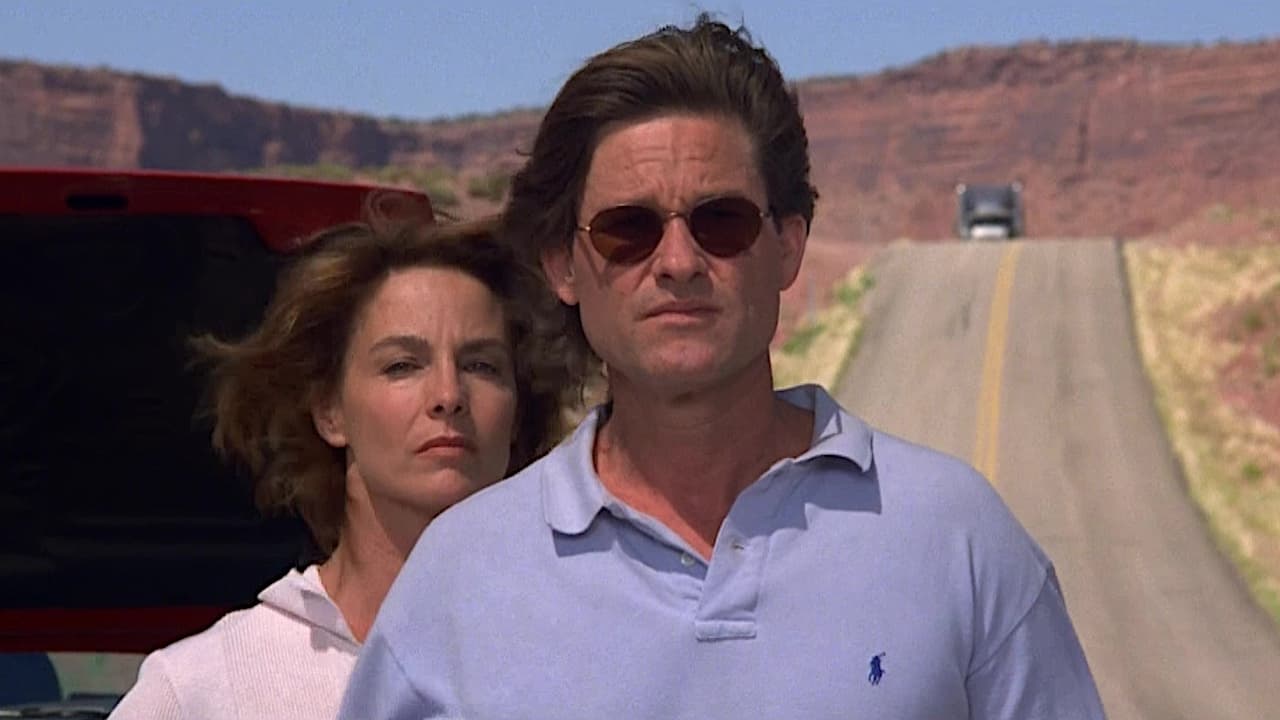
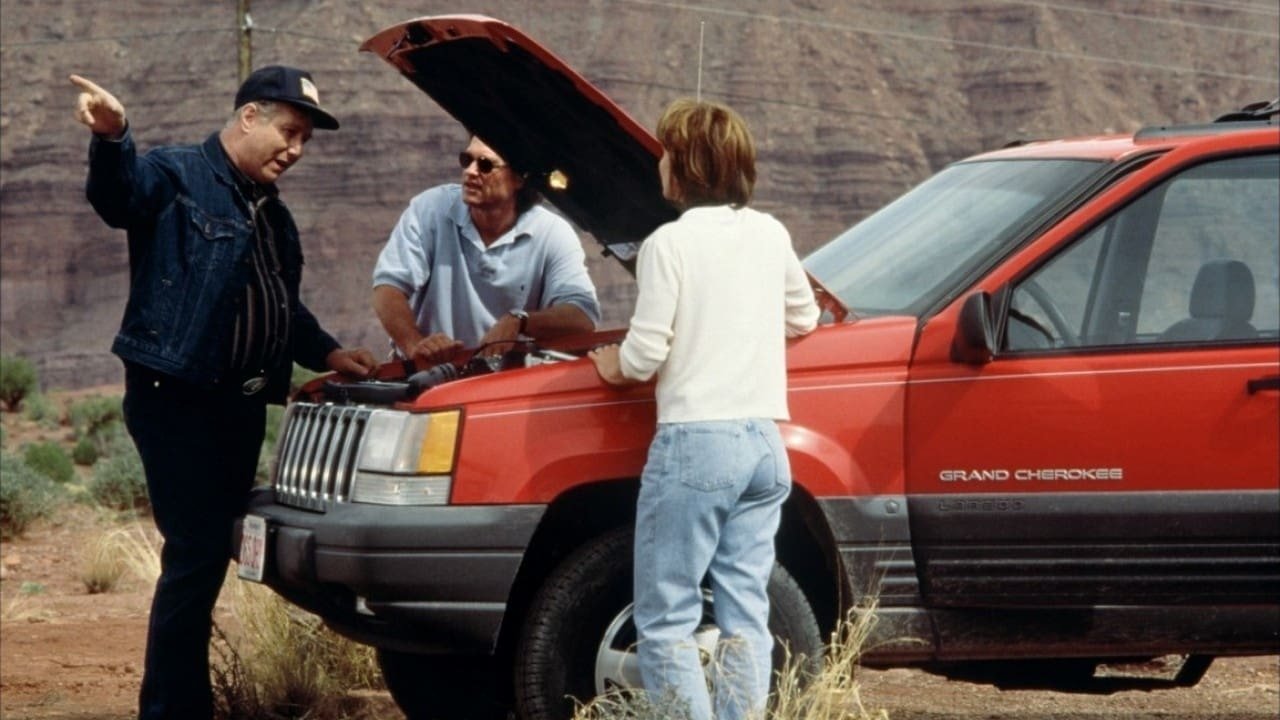
The setup is elegantly simple, almost primal. Jeff Taylor (Kurt Russell) and his wife Amy (Kathleen Quinlan) are driving their shiny new Jeep Grand Cherokee cross-country, heading for San Diego. When the Jeep inexplicably dies on a remote desert highway, a seemingly helpful trucker named Red Barr (J.T. Walsh) offers Amy a ride to a nearby diner to call for help. Jeff stays with the car, fixes a suspiciously simple problem (disconnected battery cables – alarm bells, anyone?), and drives to the diner... only to find Amy isn't there. No one has seen her. Red Barr, when Jeff flags him down again, claims he's never seen Jeff or his wife before in his life. The desert swallows Amy whole, and Jeff's frantic search begins, plunging him into a sun-baked nightmare where every friendly face might mask a predator.
What makes Breakdown so effective, especially viewed through the lens of 90s thrillers, is its suffocating sense of plausibility. Forget supernatural monsters or elaborate conspiracies; the horror here is devastatingly human. Mostow, who would later helm the solid Terminator 3: Rise of the Machines (2003), crafts a narrative engine built on escalating panic and the chilling indifference of the vast landscape. The cinematography emphasizes the isolation, dwarfing Jeff and his predicament against the empty, hostile beauty of the American Southwest (filmed largely in Utah and Nevada). You feel the heat, the dust, the sheer emptiness.
An Everyman's Nightmare, A Villain's Masterclass
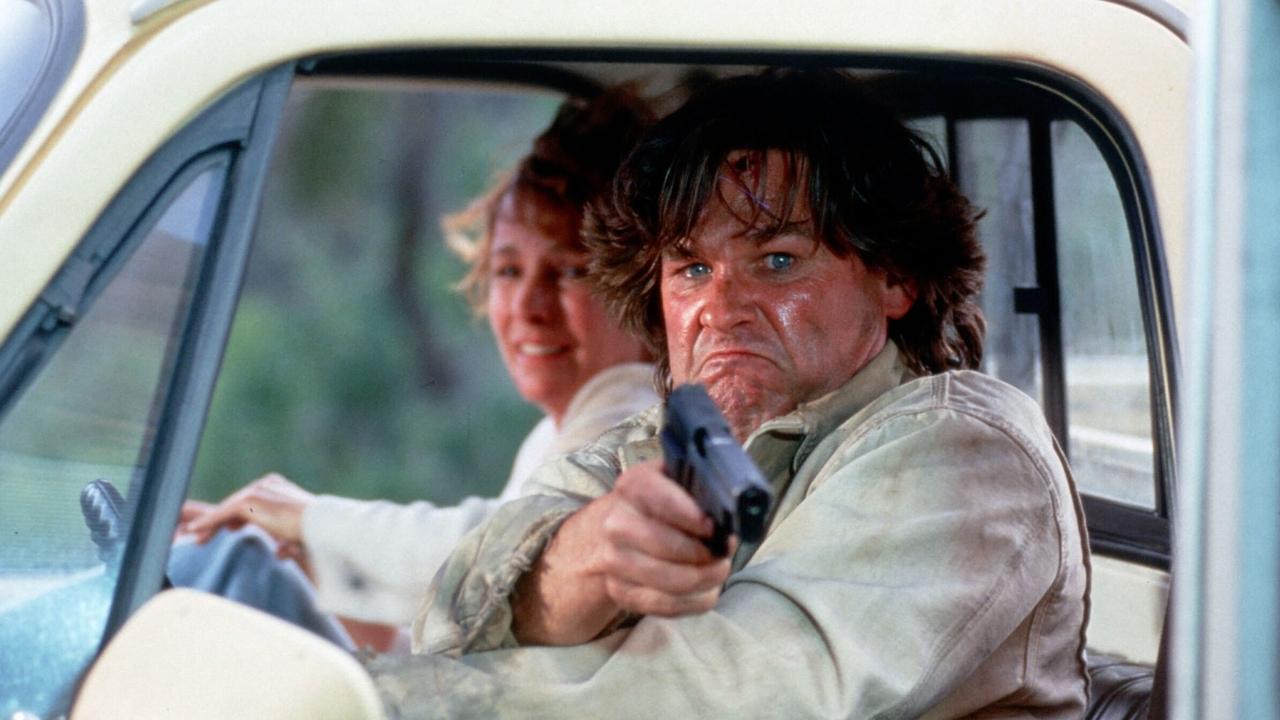
Kurt Russell, an action staple but always believable as a grounded character (think Escape from New York's Snake Plissken vs. Big Trouble in Little China's Jack Burton), is perfect as Jeff. He’s not a superhero; he’s just a guy. We watch him unravel, his civilized veneer stripped away layer by painful layer as frustration turns to fear, then to rage, and finally to grim determination. His reactions feel authentic – the disbelief, the pleading, the eventual dawning horror that he's completely on his own. It's a performance that anchors the film's terrifying "what if?" scenario.
But let's be honest, the shadow that looms largest over Breakdown belongs to the late, great J.T. Walsh. As Red Barr, Walsh delivers an all-time masterclass in understated villainy. There’s no mustache-twirling, no scenery-chewing. Just a calm, unnervingly polite demeanor that masks pure, calculated evil. His gaslighting of Jeff in their initial roadside confrontation is bone-chilling precisely because it’s so calmly delivered. Walsh had a gift for playing these kinds of insidious characters (think Sling Blade or A Few Good Men), but Red Barr feels like his magnum opus of menace. His performance becomes even more poignant knowing he tragically passed away less than a year after the film's release, robbing us of decades more brilliant work. Doesn't that quiet confidence he projects still feel uniquely unsettling?
Grounded Thrills and Retro Fun Facts
Unlike the often over-the-top action flicks of the era, Breakdown's set pieces feel visceral and grounded. The tension isn't just in the chases, but in the agonizing silences and the dawning realizations. Remember that agonizing sequence where Jeff is hiding under the truck bed? Pure Hitchcockian suspense. And the climactic confrontation involving multiple trucks on a bridge? It’s a masterstroke of practical stunt work that feels genuinely dangerous. Reportedly, coordinating those massive rigs for the sequence required immense precision and nerves of steel from the stunt team, pushing the boundaries of what could be safely filmed practically. It's the kind of tangible, weighty action that CGI often struggles to replicate.
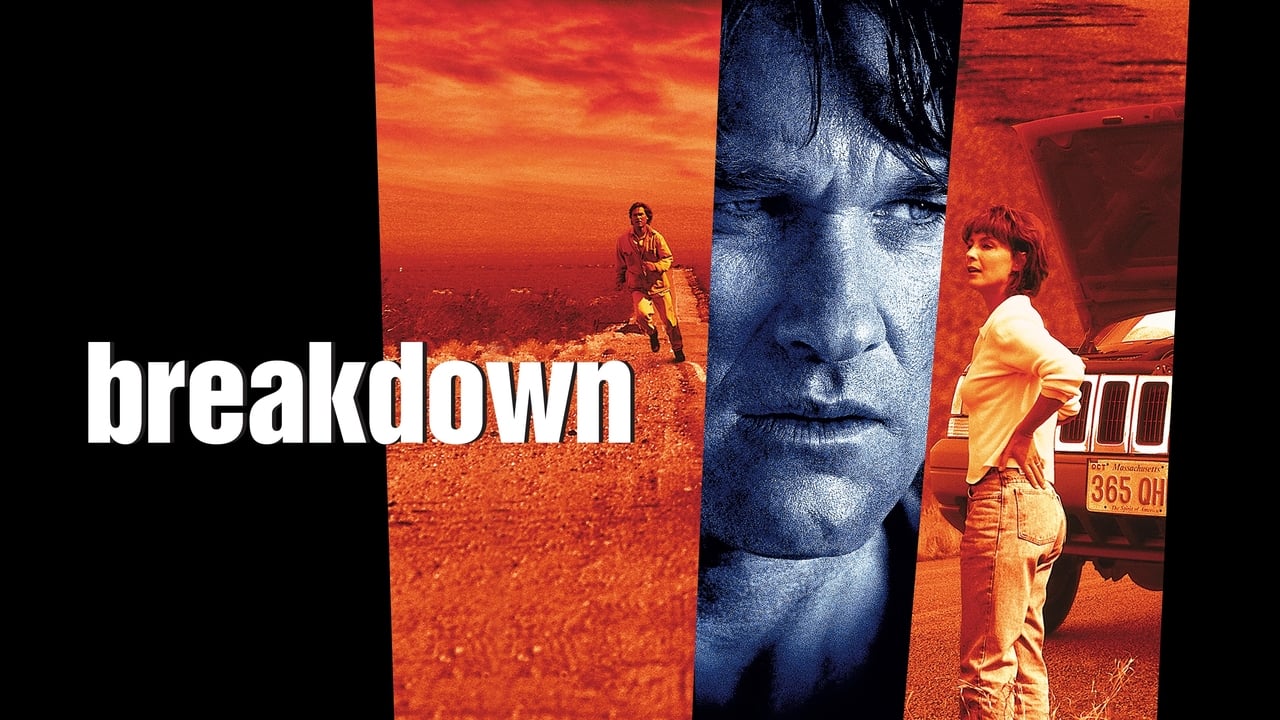
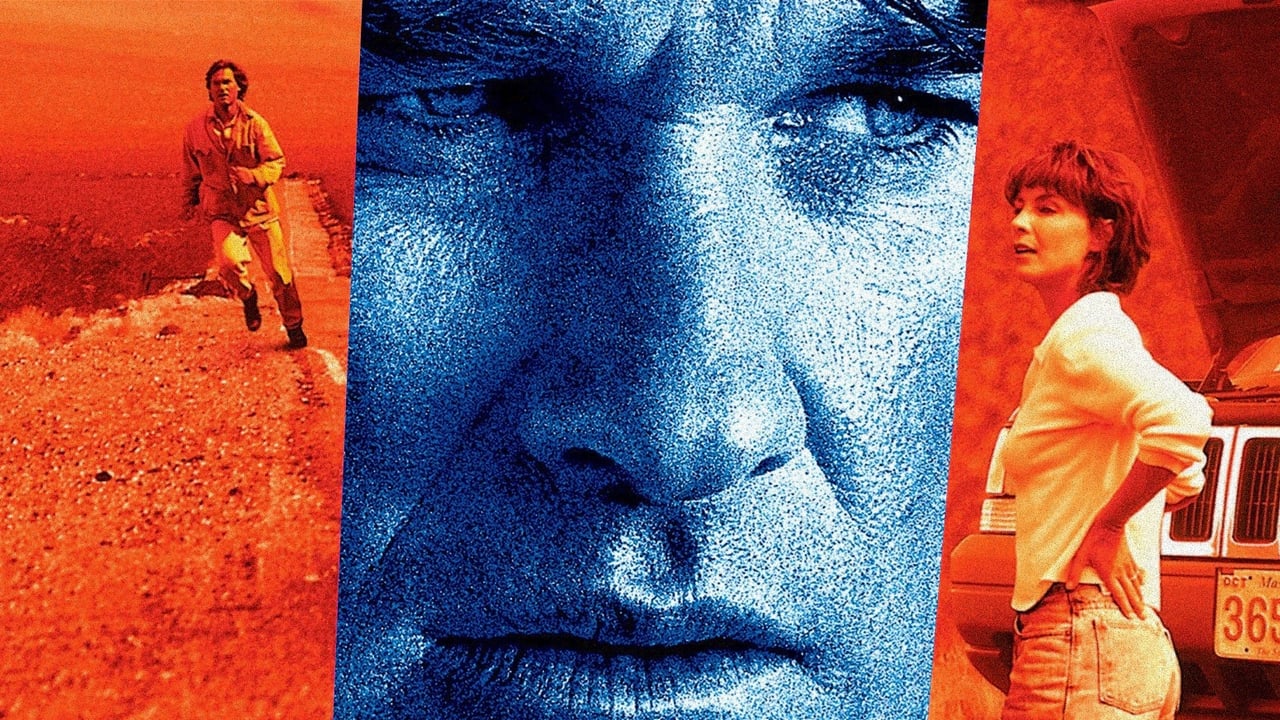
It's also fascinating how the film weaponizes everyday elements – a friendly wave, a shared meal at a diner, the CB radio chatter – turning them into instruments of paranoia. Was Breakdown maybe tapping into a specific late-90s anxiety about the erosion of trust in small-town America, or the fear of the unknown lurking beneath placid surfaces? It certainly felt that way when I first rented that Paramount VHS tape, the stark cover art promising exactly the kind of lean, mean thriller it delivered. Made on a relatively lean $36 million budget, its $50 million domestic gross proved there was still a healthy appetite for well-crafted, adult-oriented suspense.
The Verdict
Breakdown remains a ruthlessly effective piece of suspense filmmaking. It’s lean (a tight 93 minutes), mean, and anchored by career-best work from Russell and especially Walsh. It doesn't waste a frame, ratcheting up the tension with methodical precision towards a genuinely thrilling climax. While rooted in its 90s origins, the core fear it exploits – isolation, vulnerability, the stranger who isn't what they seem – is timeless. Some of the tech might look dated (payphones!), but the raw, nerve-shredding suspense absolutely holds up.
Rating: 9/10
This rating reflects the film's masterful suspense-building, J.T. Walsh's iconic performance, Kurt Russell's relatable journey into desperation, and its status as a top-tier example of the 90s paranoia thriller. It's a simple premise executed with brutal perfection. Breakdown is a stark reminder that sometimes the most terrifying monsters are the ones driving trucks down lonely highways, offering a seemingly helpful smile. It's a film that gets under your skin and stays there, long after the credits roll and the hum of the VCR fades.