Okay, settle in, maybe pop that well-worn tape into the VCR one more time in your mind. Remember the specific click and whirr? Let's talk about a film that tapped into a very specific mid-90s anxiety, a low hum beneath the screech of the dial-up modem: Irwin Winkler’s 1995 thriller, The Net. It wasn't just a movie; for many of us first venturing online, it felt like a chilling postcard from a possible, terrifying future.
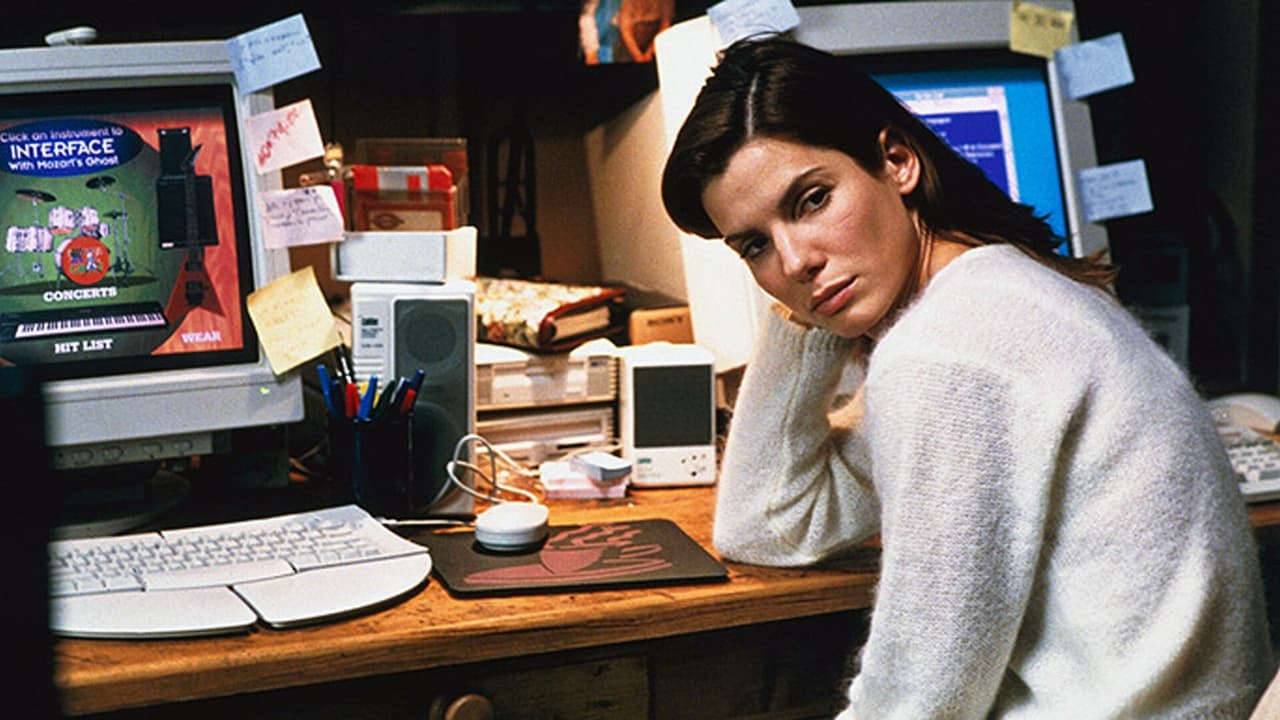
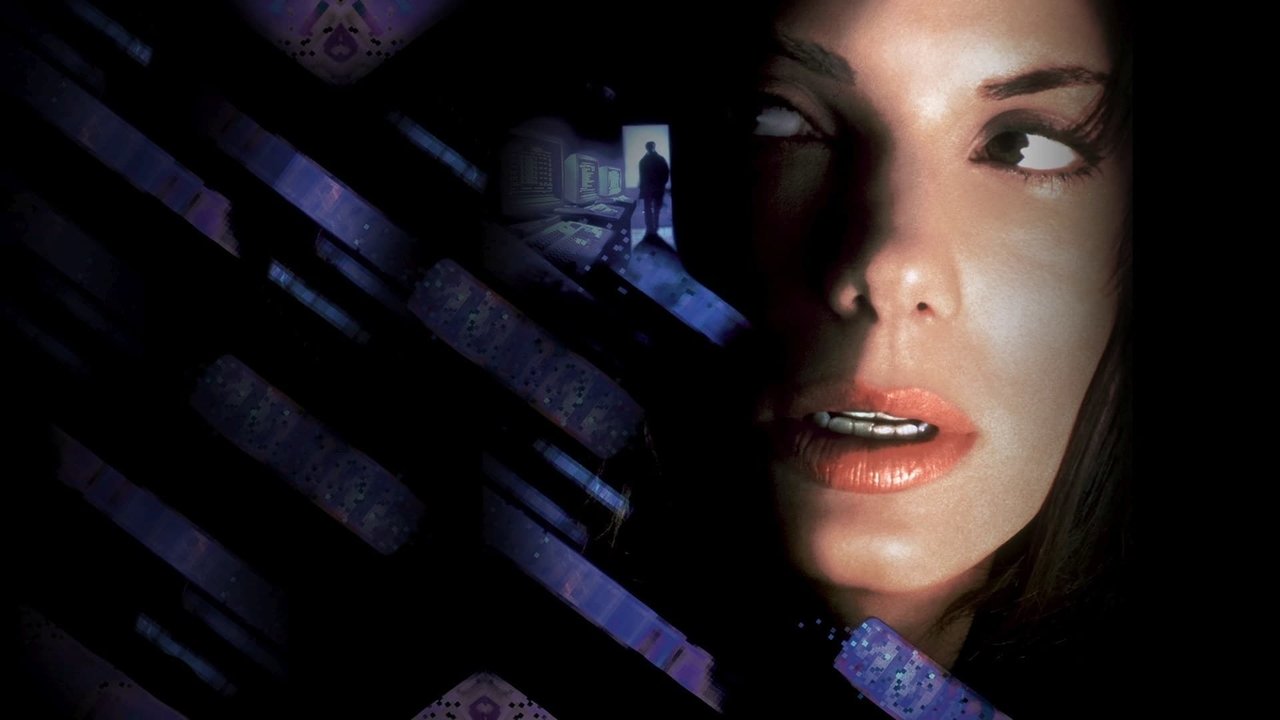
What strikes me most, revisiting it now, isn't just the charmingly clunky hardware – those beige towers, the floppy disks treated like precious artifacts – but the potent atmosphere of isolation it conjures. Sandra Bullock, fresh off the massive success of Speed (1994) and solidifying her place as America's sweetheart-next-door, plays Angela Bennett, a freelance software analyst who works entirely from home. Her life is the screen, her interactions mediated through chat rooms and email. It’s a setup that felt novel then, a niche existence. Today? It’s startlingly familiar, isn't it? The film accidentally sketched a blueprint for a loneliness many would come to know intimately, decades later.
Erased with a Keystroke
The premise itself was pure techno-paranoia, perfectly timed for an era when the “information superhighway” was this vast, mysterious territory few truly understood. Bennett stumbles upon a conspiracy hidden within a piece of software – a backdoor giving a shadowy group, the Praetorians, access to supposedly secure systems. Before she can fully grasp the implications, her identity is systematically erased and replaced. Suddenly, Angela Bennett doesn't exist. Records vanish, credit cards are cancelled, her house is sold, and she’s assigned a new identity – complete with a criminal record.
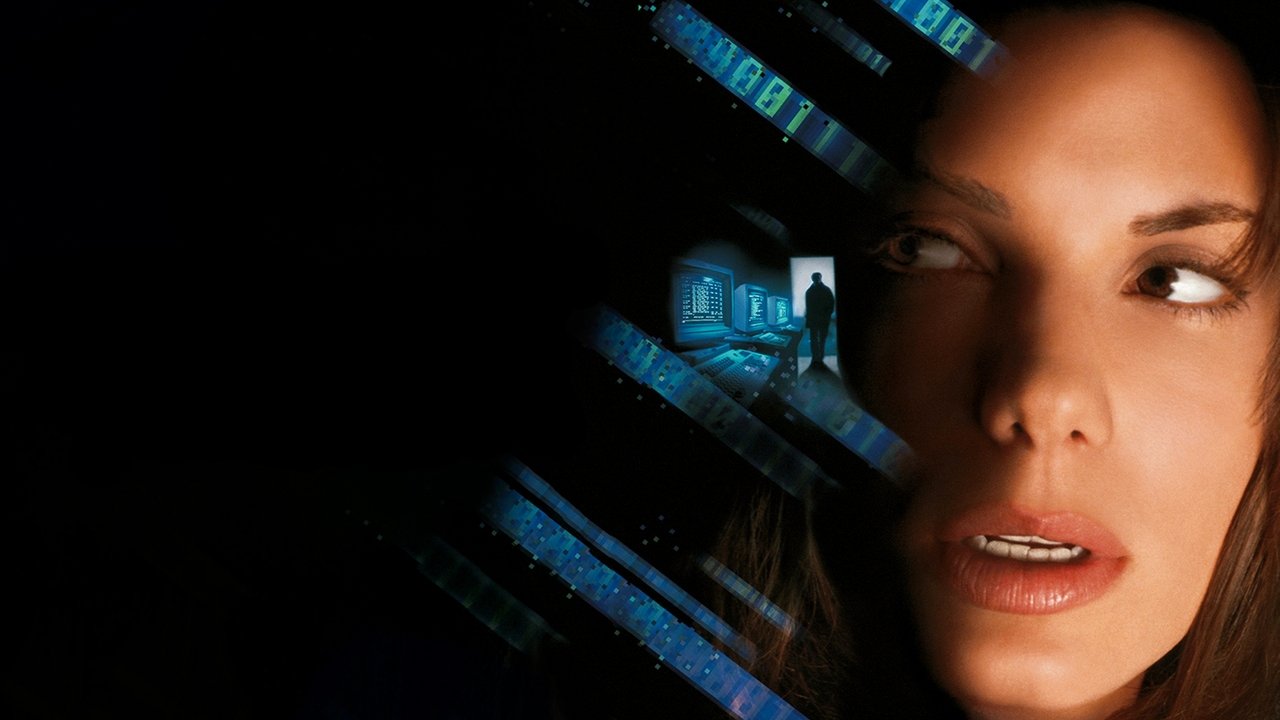
It’s a nightmare scenario that plays on a primal fear: what if everything that defines you could simply be... deleted? Writers John Brancato and Michael Ferris (who would later pen Terminator 3: Rise of the Machines) tapped into something potent here. While the specific methods depicted might seem laughably simplistic now (ordering pizza through a fake website, "Pizza.net," which Columbia Pictures actually registered and ran for a while!), the underlying concept of digital vulnerability remains terrifyingly relevant. If anything, the stakes feel even higher today.
Bullock Carries the Load
This film rests squarely on Sandra Bullock's shoulders, and she delivers a performance that is crucial to its success. She makes Angela relatable – intelligent but socially awkward, capable but overwhelmed. Her panic feels genuine, her desperation palpable. Watching her navigate a world that suddenly refuses to acknowledge her existence is the core tension of the film. We believe her plight because Bullock grounds it in authentic fear and confusion. It wasn't just her Speed momentum; The Net proved she could carry a thriller largely on her own, showcasing a vulnerability that made her eventual fightback all the more compelling.
Opposite her, Jeremy Northam oozes menace as Jack Devlin, the charming cyber-assassin who initially seduces Bennett before revealing his deadly intentions. He’s smooth, handsome, and utterly ruthless – a classic thriller archetype executed effectively. And then there's Dennis Miller as Bennett's psychiatrist ex-boyfriend, Dr. Alan Champion. His role is relatively small, but he provides a crucial anchor to Angela's previous life and serves as one of the few people who might believe her. Miller, known more for his sardonic stand-up, plays it relatively straight here, adding a touch of gravitas.
Dial-Up Pacing, Prescient Fears
Directed by veteran producer/director Irwin Winkler (known for producing classics like Rocky and Goodfellas), The Net moves with a deliberate, sometimes almost dial-up, pace compared to modern thrillers. Yet, this allows the paranoia to build steadily. The scenes where Angela desperately tries to prove her identity, only to be met with digital brick walls, are genuinely unnerving. Remember that tense sequence at the Moscone Center during the Macworld exposition? Or the chilling carousel chase? Winkler crafts effective suspense sequences, even if the overall visual style is fairly standard for a mid-90s studio picture.
The film was a solid box office success, earning over $110 million worldwide against a $22 million budget, proving audiences were receptive to these burgeoning cyber-fears. Interestingly, the realism of the technology was debated even back then. While some aspects were exaggerated for dramatic effect (like the ease of completely rewriting someone's identity overnight), consultants were used to add a veneer of authenticity to the hacking concepts and the portrayal of online communities. They even used early versions of screen-capture software to make the computer interactions look more believable than simply filming monitors, a common technique at the time.
One fascinating bit of trivia: the "π" symbol used by the Praetorians as their digital mark was deliberately chosen because it relates to circles, referencing the idea of being caught in "the net" or a loop. It’s a small touch, but indicative of the thought put into crafting this specific brand of digital dread.
The Ghost in the Machine
Revisiting The Net now is a unique experience. It’s undeniably dated in its technological specifics – those graphics, the sheer novelty of email attachments, the sight of someone explaining what a modem is. Yet, the core anxiety it explores – the fragility of identity in a digitally mediated world, the potential for unseen forces to manipulate information, the profound isolation that can accompany online life – feels startlingly prescient. It captured a moment of transition, the dawn of the internet age, tinged with both excitement and a creeping unease. It makes you think, doesn't it? How much more of our lives are now entrusted to systems we don't fully understand?
The film spawned a short-lived TV series (1998-1999) and a largely forgotten direct-to-video sequel (The Net 2.0 in 2006), none of which recaptured the specific zeitgeist of the original. The 1995 film remains a fascinating time capsule, a thriller that, despite its age, still manages to get under your skin.
Rating: 7/10
This score reflects The Net's effectiveness as a tight, engaging 90s thriller, anchored by a strong central performance from Sandra Bullock at a key moment in her career. Its prescient themes about digital identity and vulnerability elevate it beyond mere nostalgia, even if the technology depicted is now firmly retro. It successfully tapped into the anxieties of its time and delivered a memorable slice of techno-paranoia that still resonates, reminding us just how much we staked on those flickering screens back then.
What lingers most is that feeling of digital helplessness, a fear that, ironically, has only grown more complex and pervasive since Angela Bennett first double-clicked the wrong file.