It's a performance that sears itself into your memory, isn't it? Watching Jessica Lange embody Frances Farmer in Graeme Clifford's 1982 film Frances feels less like watching an actor and more like witnessing a raw, unvarnished explosion of talent, frustration, and pain. This wasn't your typical glossy Hollywood biopic, even back then. Renting this tape from the local video store, maybe nestled between the latest action flicks and comedies, felt like discovering something heavier, something more challenging. It promised a glimpse into the dark side of the dream factory, and boy, did it deliver.
### The Uncompromising Spirit
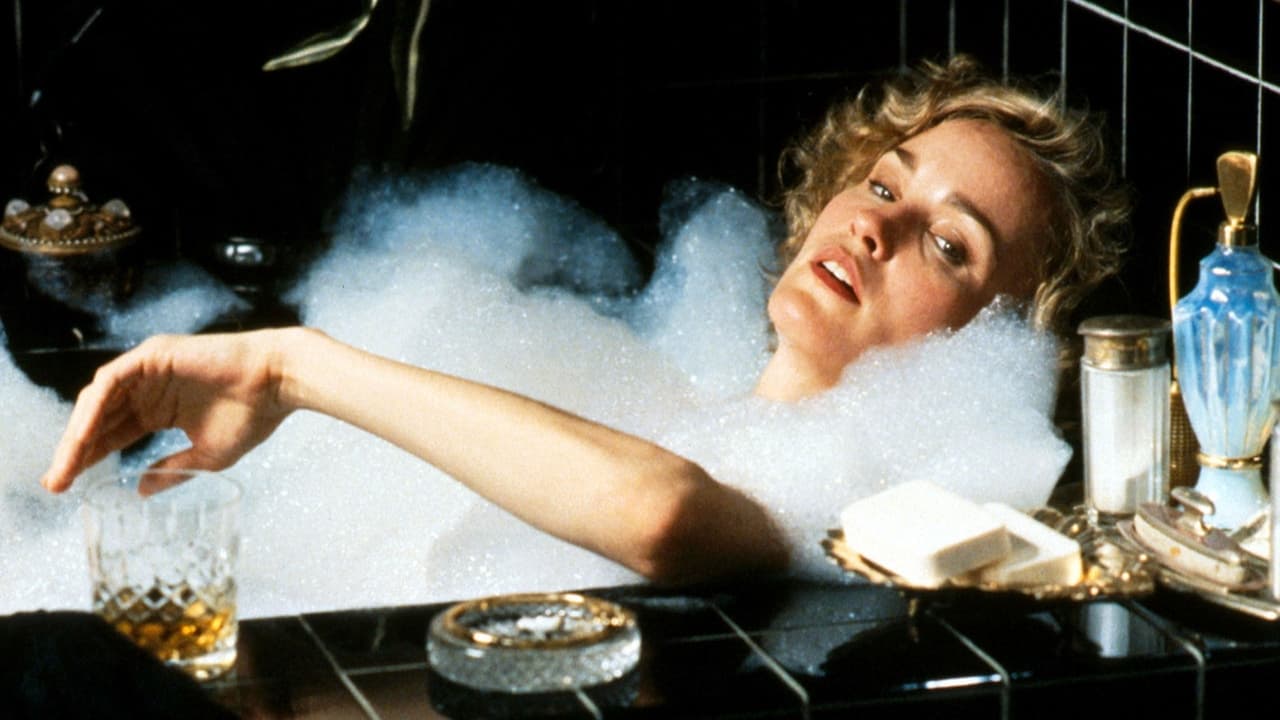
The film charts the turbulent life of Frances Farmer, a fiercely intelligent and rebellious actress who rose to fame in the 1930s but chafed against the studio system's attempts to mold her. She was outspoken, politically active (a dangerous game in that era), and unwilling to play the docile starlet. Frances captures this defiant spirit early on, showing a woman brimming with potential but increasingly hemmed in by external pressures and, perhaps, internal struggles. What does it mean when a system designed to create stars simultaneously seeks to extinguish the very fire that makes them unique? The film forces us to confront this uncomfortable paradox.
Lange, fresh off her comedic turn in Tootsie (released the same year, showcasing an incredible range), is nothing short of phenomenal. She doesn't just mimic Farmer; she seems to channel her rage, her vulnerability, her fierce intelligence, and her heartbreaking descent. There’s a commitment here that goes beyond technique. Reportedly, Lange immersed herself deeply in Farmer's life, reading her letters and writings, striving for an authentic portrayal of Farmer's complex psyche. You see it in the defiant tilt of her head, the flash of fury in her eyes, the devastating emptiness that washes over her in the film's later stages. It's a performance that earned her a deserved Academy Award nomination for Best Actress (alongside a Supporting Actress win for Tootsie – a rare feat).
### A Mother's Shadow, A System's Grip
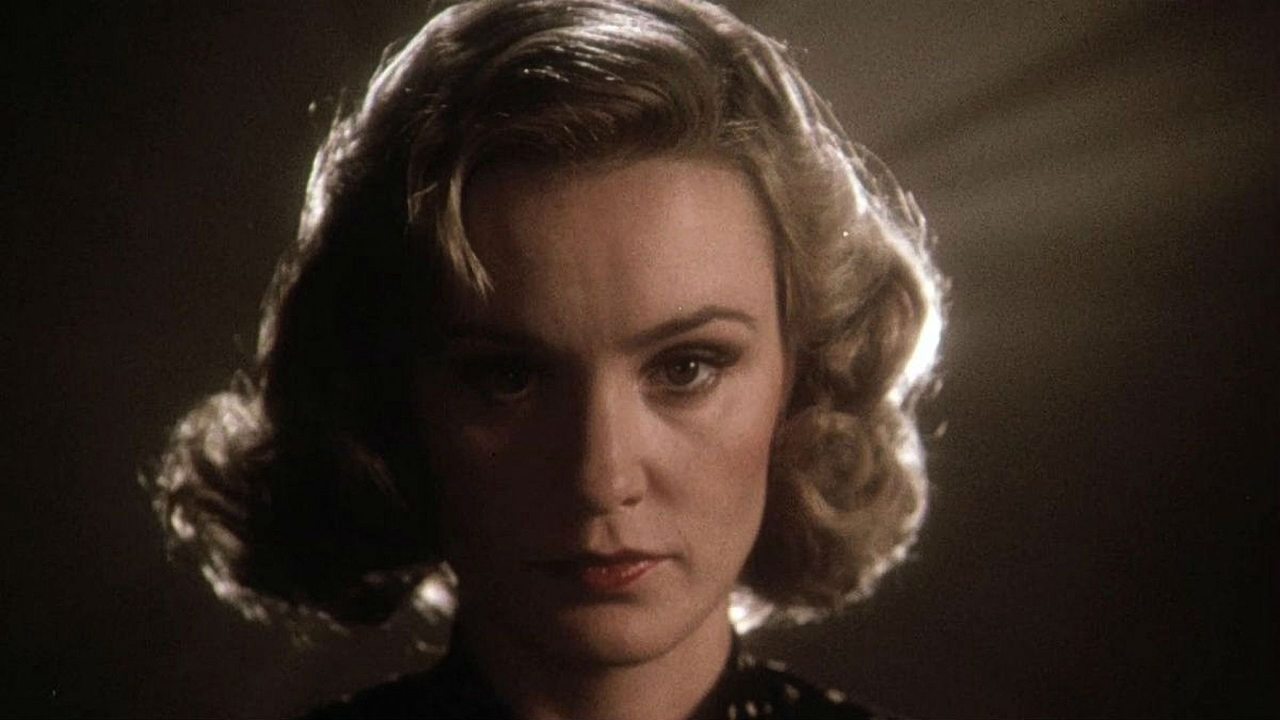
Crucial to the narrative is the intense, suffocating relationship between Frances and her mother, Lillian, played with terrifying conviction by the legendary Kim Stanley in what would sadly be her final film role. Stanley, also Oscar-nominated, crafts a portrait of maternal love twisted into possessiveness and misguided ambition. Lillian pushes Frances towards stardom but also becomes an instrument of her control and eventual institutionalization. Their scenes together crackle with unresolved tension and a deep, painful codependency. Does a parent's dream ever justify sacrificing their child's well-being? It's a question that hangs heavy throughout the film.
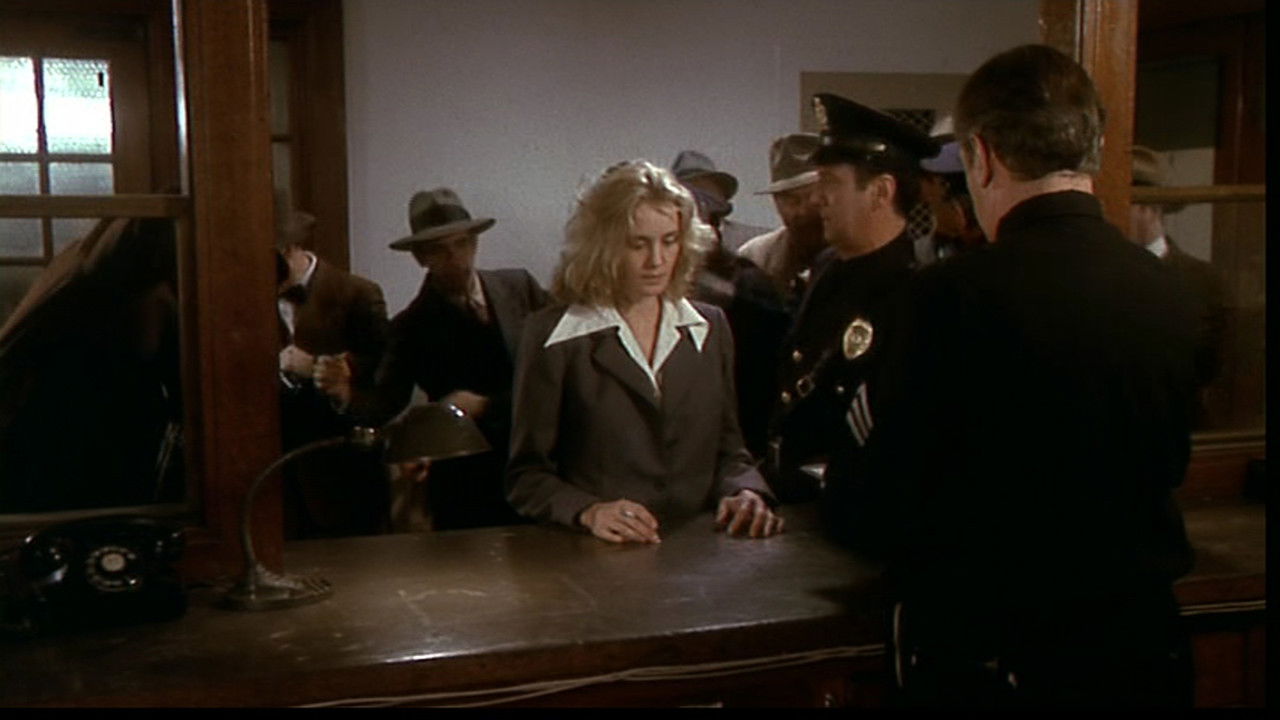
Director Graeme Clifford, making his directorial debut after a notable career as an editor on films like Don't Look Now (1973) and The Man Who Fell to Earth (1976), brings a certain atmospheric dread to the proceedings. The editing background perhaps informs the film's sometimes jarring transitions and its focus on intense, claustrophobic moments. He doesn't shy away from the brutality of Farmer's experiences, particularly during her time in psychiatric hospitals. The depiction of the treatments she endured is harrowing and deeply unsettling, serving as a stark indictment of mental health care practices of the time (and raising questions about how far we've truly come). Sam Shepard also adds a soulful presence as Harry York, a composite character representing a sympathetic figure from Farmer's past, offering brief moments of warmth amidst the turmoil.

### Truth, Fiction, and Lingering Shadows
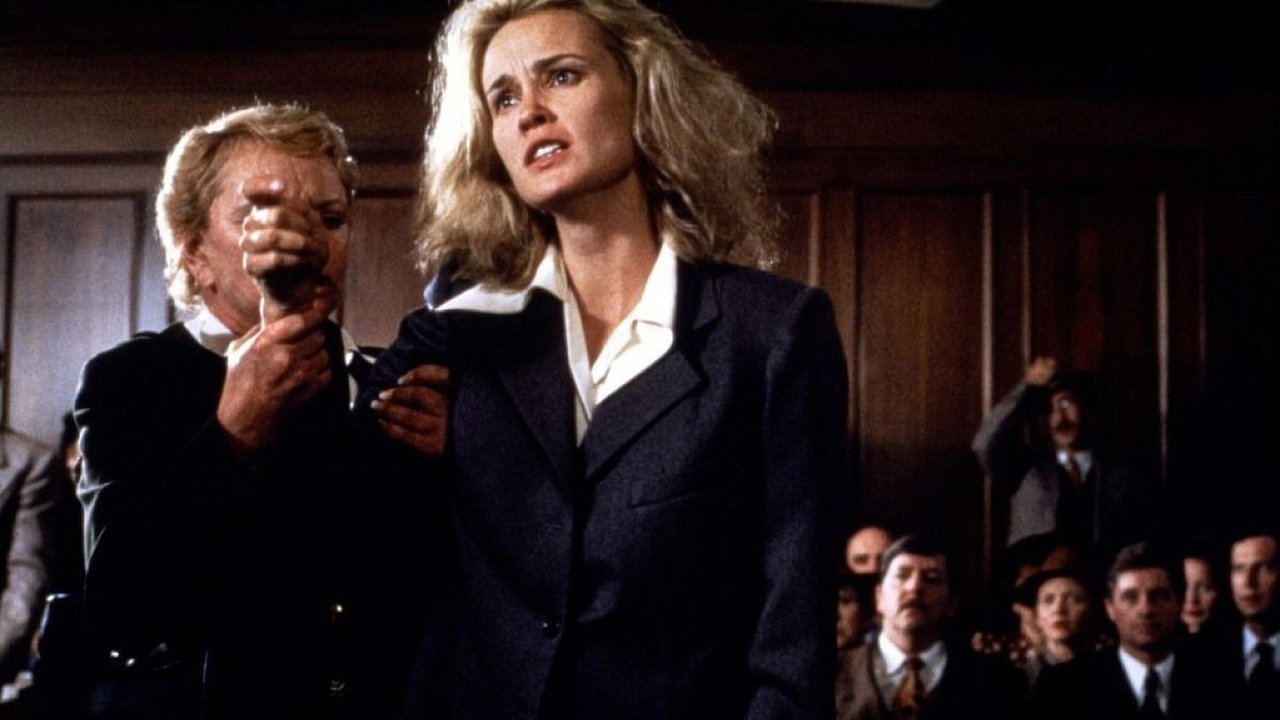
It's impossible to discuss Frances without acknowledging the controversy surrounding its historical accuracy. The film strongly implies, particularly in a harrowing sequence, that Farmer underwent a transorbital lobotomy. However, subsequent biographies and investigations have largely debunked this claim, suggesting it was a dramatic invention for the film, possibly stemming from William Arnold's questionable biography Shadowland, on which the film partly drew inspiration (though the credited writers are Eric Bergren, Christopher De Vore, and Nicholas Kazan). While this historical liberty undeniably heightens the film's tragedy and serves its narrative about institutional victimisation, it does cast a shadow. Does amplifying the horror, even inaccurately, serve a greater truth about Farmer's suffering, or does it ultimately do her memory a disservice? It's a complex ethical knot that viewers are left to untangle.
Despite these factual disputes, the film's power remains undeniable. It struck a chord, particularly within counter-culture circles – Kurt Cobain of Nirvana was famously fascinated by Farmer's story, referencing her in song and even naming his daughter Frances. The film captured something potent about rebellion against conformity, the price of artistic integrity, and the ways society can punish those who refuse to fit neatly into prescribed boxes. Watching it on VHS, with its grainy image and muffled sound, somehow felt appropriate – a slightly distorted window into a troubled past.
Rating: 8/10
This score reflects the sheer force of Jessica Lange's and Kim Stanley's performances, which remain utterly compelling decades later. The film's atmosphere is potent, and its exploration of challenging themes – nonconformity, mental health, parental influence, the dark side of fame – is unflinching and thought-provoking. While the historical inaccuracies regarding the lobotomy require acknowledgement and temper the film's claim to biographical truth, Frances succeeds powerfully as a harrowing dramatic interpretation of a life tragically derailed. It’s a film that stays with you, demanding reflection long after the tape clicks off.
What endures most strongly isn't just the tragedy, but the lingering image of that fierce, untameable spirit fighting against the dying of her own light.