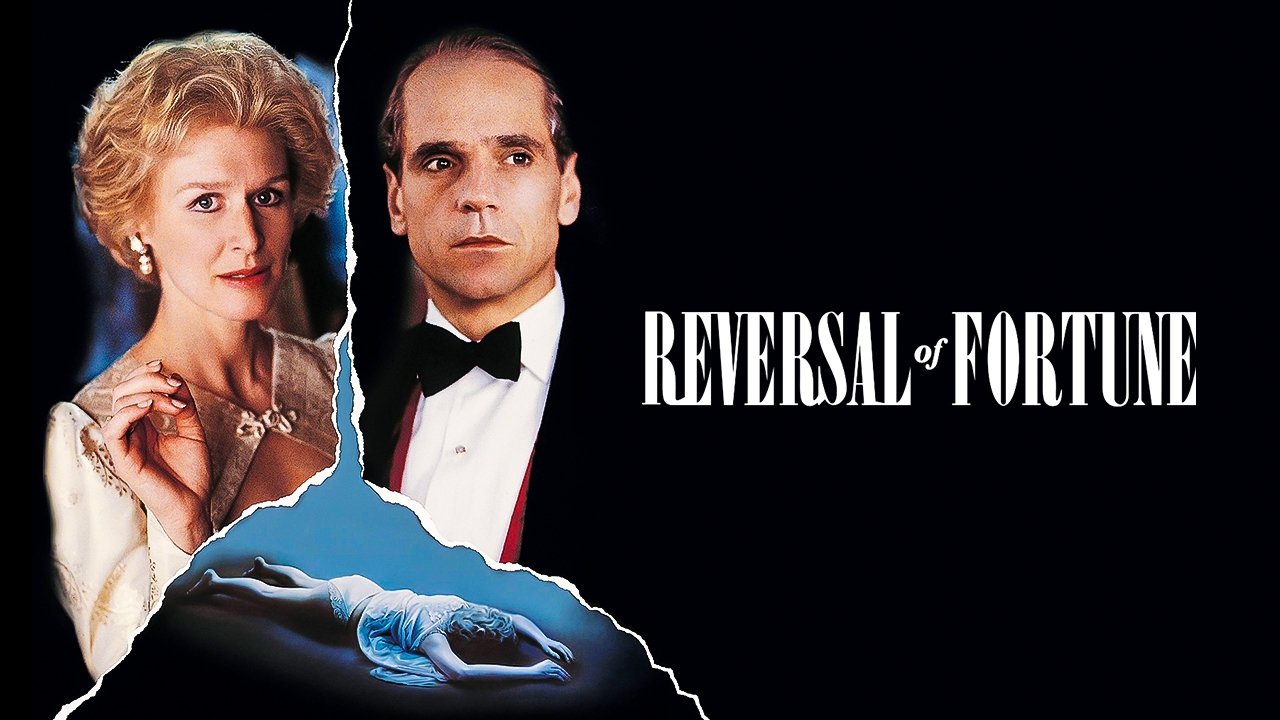
Some court cases fade, others etch themselves into the public consciousness, less for the legal maneuvering and more for the unsettling questions they leave hanging in the air. The Claus von Bülow affair was certainly one of the latter, a saga of immense wealth, alleged attempted murder, and a chilling ambiguity that captivated the public imagination in the 80s. Barbet Schroeder’s 1990 film, Reversal of Fortune, isn't just a recounting of events; it's a deep dive into that ambiguity, a sophisticated character study wrapped in the guise of a legal drama, and a film that lingers precisely because it refuses easy answers.
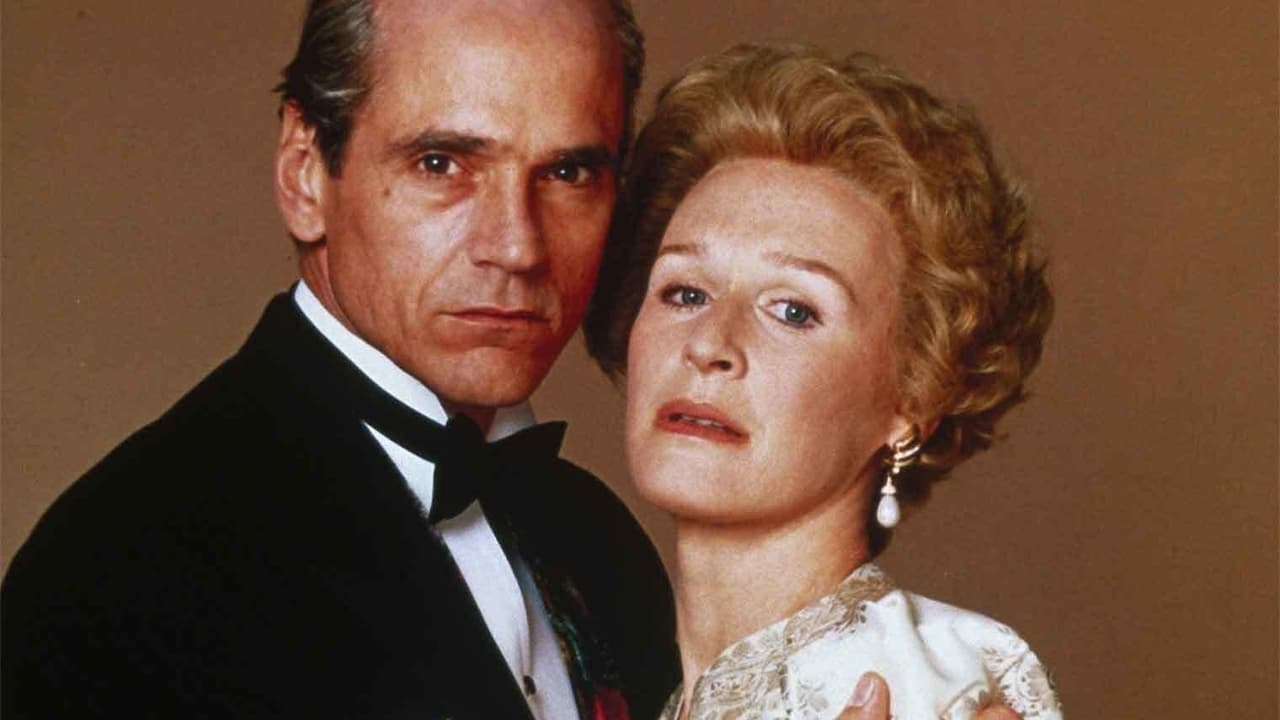
Watching it again now, decades removed from the tabloid frenzy surrounding the real-life case, the film feels less like a ripped-from-the-headlines docudrama and more like a meticulously crafted exploration of perception, performance, and the unsettling nature of truth when filtered through privilege and power. It eschews the typical courtroom theatrics for something far more intricate and intellectually stimulating.
### The Enigma Variations
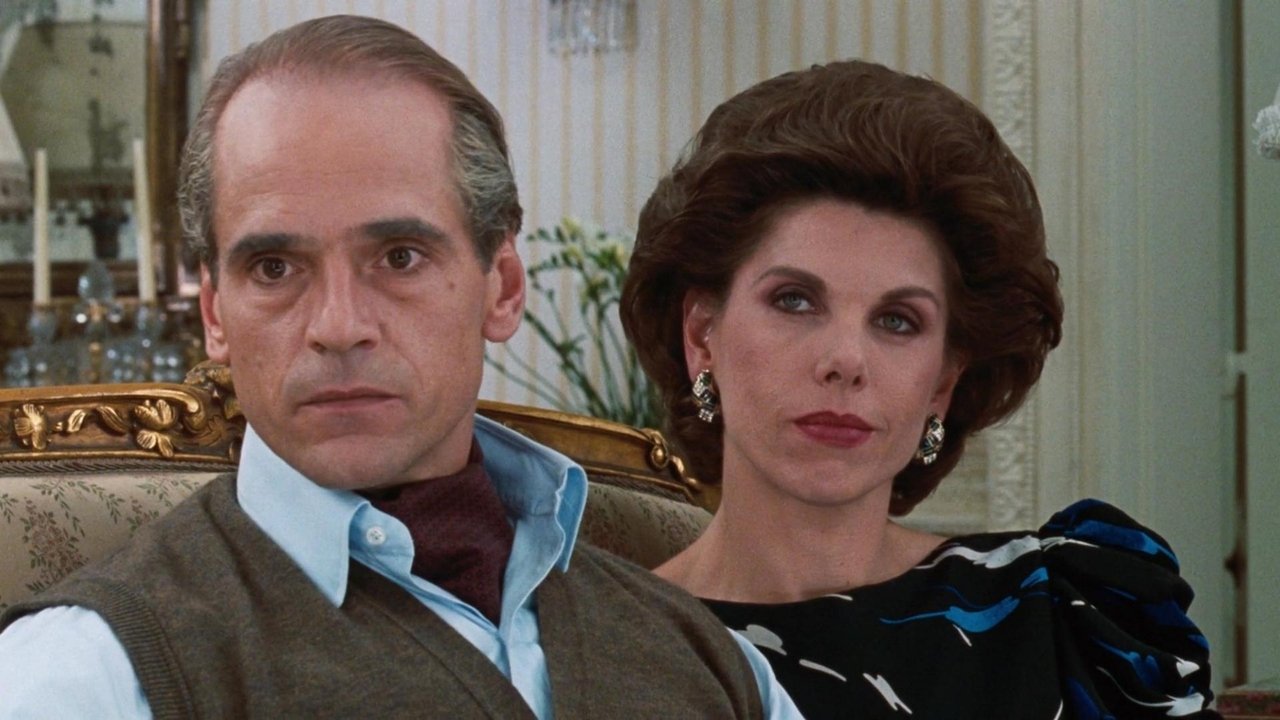
At the heart of the film lies the truly unforgettable, Oscar-winning performance by Jeremy Irons as Claus von Bülow. Irons doesn't just play Claus; he inhabits him, crafting a figure of almost reptilian charm, icy detachment, and calculated affectation. Is he an innocent man railroaded by circumstance and his stepchildren, or a monstrously clever sociopath who nearly got away with murder? Irons masterfully walks this tightrope, never tipping his hand. His Claus is witty, urbane, maddeningly opaque, and utterly fascinating. It's a performance built on nuance – the slight curl of the lip, the carefully modulated tones, the unnerving stillness. Apparently, Irons deliberately avoided meeting the real Claus von Bülow, preferring to build his portrayal from Nicholas Kazan's sharp, Oscar-nominated script and news footage, believing that maintaining the character's ambiguity was paramount. It was a choice that paid off brilliantly.
### The Determined Advocate and the Silent Witness
Contrasting sharply with Irons' controlled chill is Ron Silver as the determined, rumpled Harvard law professor Alan Dershowitz. Silver brings a restless energy, portraying Dershowitz not as a white knight, but as a complex figure driven by intellectual challenge, a belief in the legal process (even for the potentially guilty), and perhaps a touch of ego. The dynamic between Dershowitz and his team of eager law students provides much of the film's procedural drive, grounding the narrative as they dissect the prosecution's case. It's fascinating to watch them grapple not just with the evidence, but with the ethical quandary of defending a man many believe to be guilty. What does justice mean in such a context? The film forces us to consider this without offering a simple resolution.
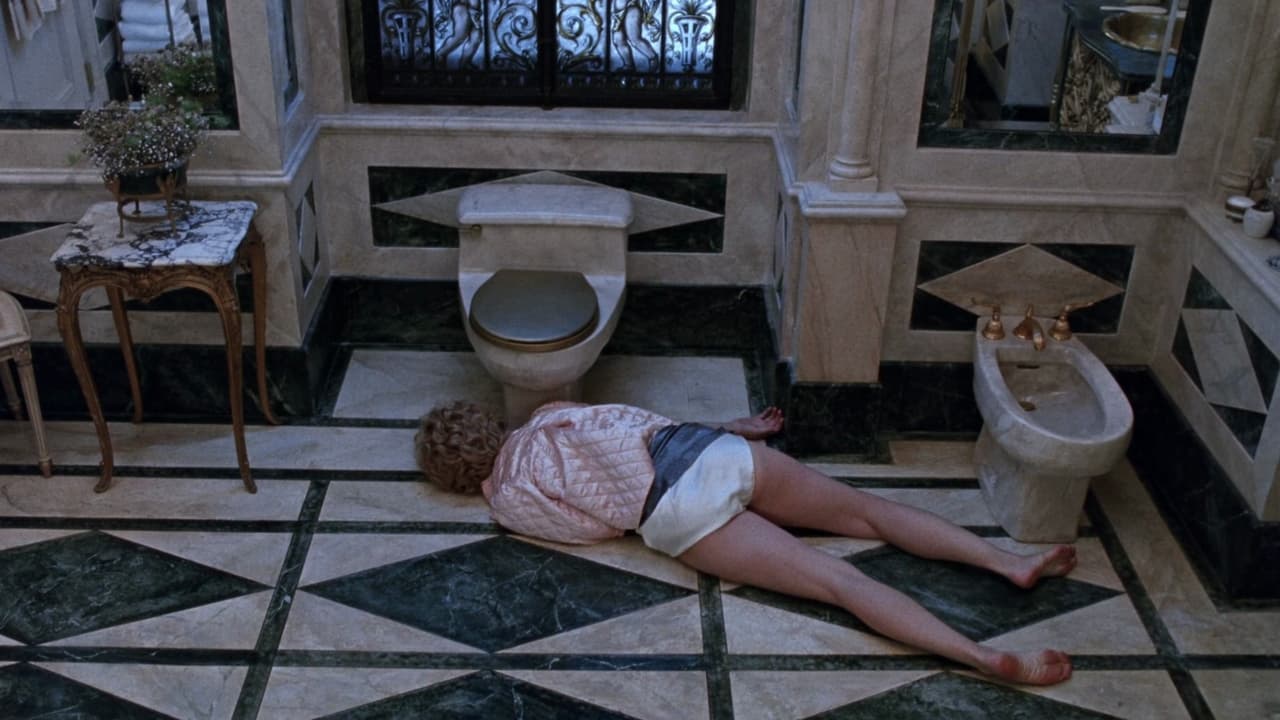
And then there's Glenn Close as Sunny von Bülow. Confined mostly to voiceover narration from her irreversible coma, Close delivers a performance that is haunting and strangely powerful. This narrative device, seemingly risky on paper, works remarkably well. Sunny becomes the spectral observer, offering ironic commentary and glimpses into the gilded cage of her marriage. Close reportedly visited the real Sunny von Bülow in her comatose state, an experience that clearly informed the poignancy and ethereal quality she brings to the role, even through narration alone. It adds a layer of tragic intimacy to the cold legal facts.
### Crafting Cold Opulence
Director Barbet Schroeder, known for his unflinching character studies like Barfly (1987), brings a certain European sensibility to the material. There's a coolness, an observational distance that mirrors Claus's own detachment. Schroeder and cinematographer Luciano Tovoli masterfully capture the world of the super-rich – the cavernous Newport mansions, the ostentatious displays of wealth – but imbue it with a sense of decay and moral emptiness. These aren't just luxurious settings; they are isolating, almost suffocating spaces where dark secrets might fester. Using actual locations in Rhode Island undoubtedly added to this chilling authenticity. The film wasn't a massive box office smash, earning around $15 million domestically against a $20 million budget, but its critical reception, particularly the praise for Irons and Kazan, cemented its place as a standout drama of the era.
### Truth in the Eye of the Beholder
What makes Reversal of Fortune endure, beyond the powerhouse performances and slick direction, is its commitment to ambiguity. Based on Dershowitz's own book about the case, the film naturally leans towards his perspective on the legal battle, yet it never definitively proclaims Claus's innocence. Kazan's script cleverly presents conflicting evidence and interpretations, allowing the audience to sift through the details alongside Dershowitz's team. We see the compelling arguments for reasonable doubt, but the unsettling aura surrounding Claus never fully dissipates. Did he do it? The film’s power lies in forcing us to confront the fact that we might never truly know, and perhaps, in the eyes of the law, that’s precisely the point. It’s a reminder that the legal system seeks proof beyond a reasonable doubt, not absolute certainty – a distinction that feels particularly relevant even today.
This wasn't your standard popcorn fare back on the video store shelves; it demanded attention and thought. It felt grown-up, complex, asking questions that didn't have easy answers, perfectly capturing that early 90s fascination with high-profile legal battles but elevating it beyond mere spectacle.
---
Rating: 9/10
Justification: Reversal of Fortune is a masterclass in nuanced storytelling and performance. Jeremy Irons delivers an iconic, career-defining portrayal, perfectly capturing the chilling ambiguity of Claus von Bülow. Supported by strong turns from Ron Silver and Glenn Close, Barbet Schroeder's intelligent direction and Nicholas Kazan's sharp script create a compelling legal drama that transcends the genre, forcing viewers to grapple with complex questions about truth, justice, and perception. Its refusal to offer easy answers is its greatest strength, making it a film that sticks with you long after the credits roll.
Final Thought: A film less about guilt or innocence, and more about the intricate, often unsettling dance between evidence, personality, and the very concept of truth in the rarified air of extreme wealth. It remains a fascinating, chilling watch.