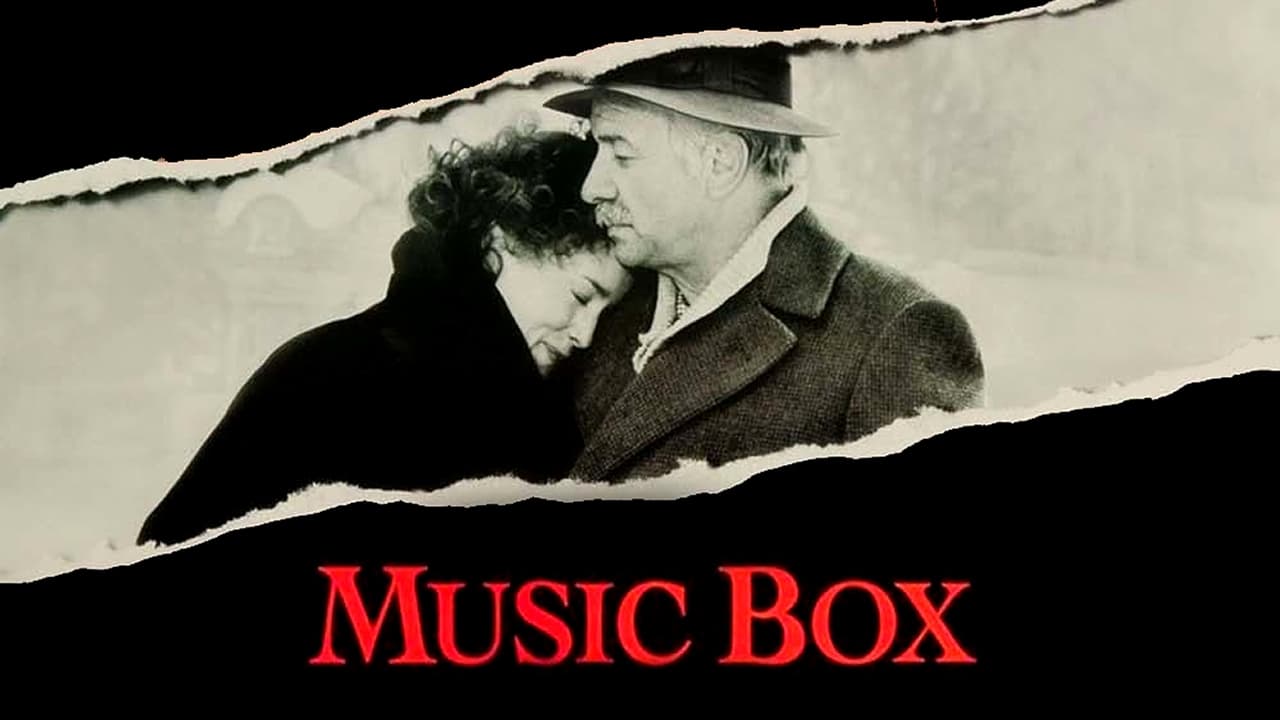
Okay, pull up a chair, maybe pour yourself something quiet. Tonight, we're not digging into the neon-drenched action or the laugh-track comedies that often define our beloved era. Instead, we're gently pulling a different kind of tape from the shelf at VHS Heaven. It’s one with a starker cover, perhaps a little worn from fewer, but more intense, viewings. We're talking about Costa-Gavras's quietly devastating 1989 drama, Music Box. This isn't a film you put on for background noise; it demands your attention, your empathy, and maybe even a piece of your certainty.
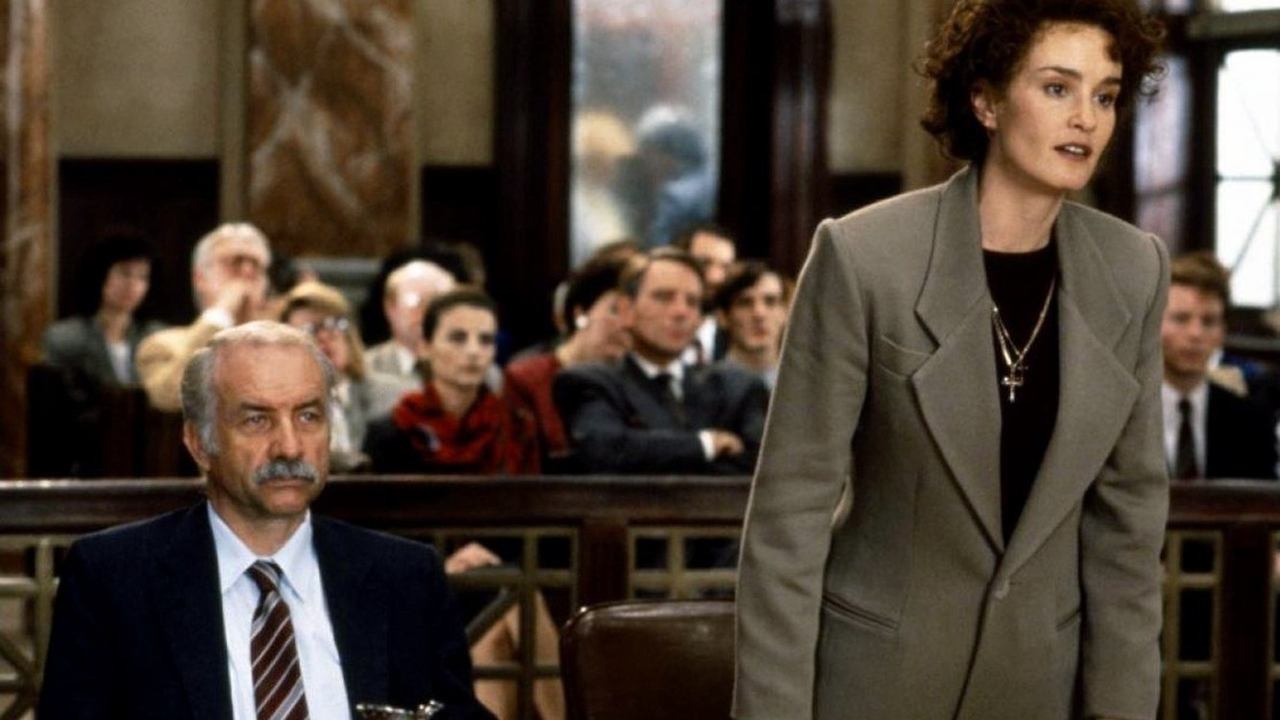
What happens when the bedrock of your life, the person you admire most, might be a monster? That's the terrifying question coiled at the heart of Music Box. It doesn't announce itself with explosions or dramatic reveals in the first act. Instead, it unfolds with a chilling, almost procedural calm that makes the eventual emotional reckoning all the more powerful.
### The Unthinkable Accusation
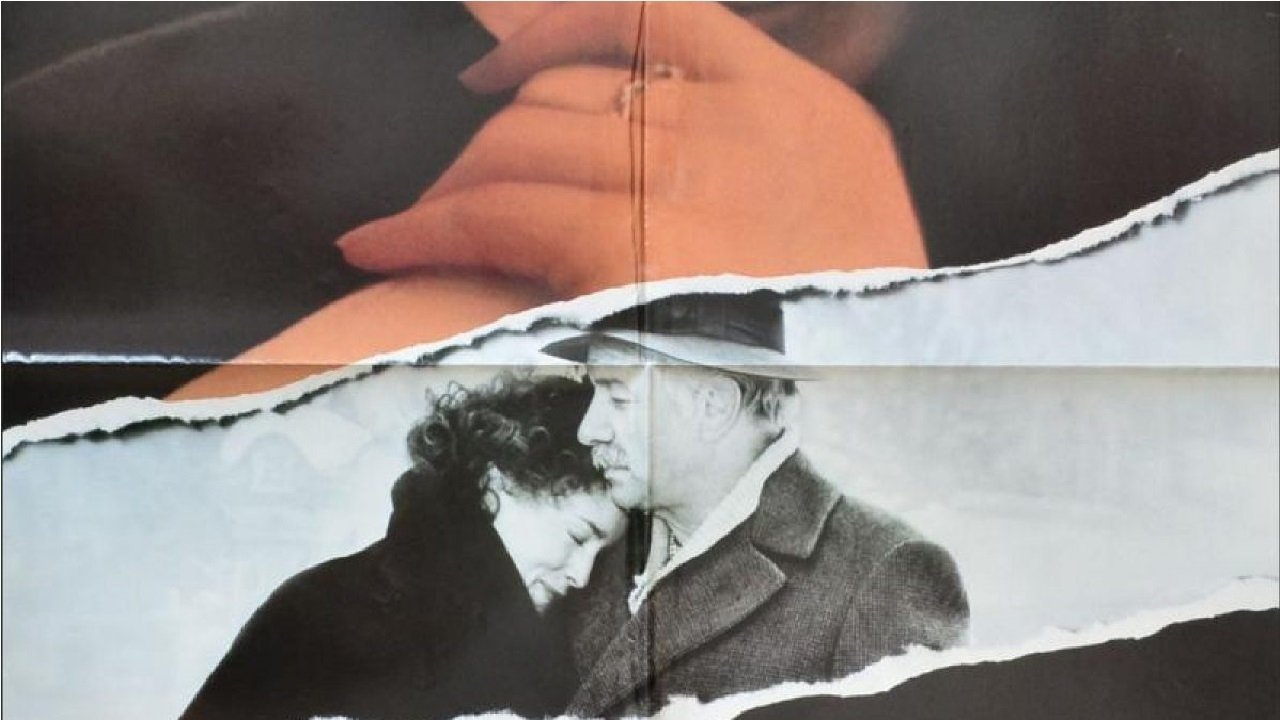
We meet Ann Talbot (Jessica Lange), a successful Chicago defense attorney, fiercely devoted to her Hungarian immigrant father, Mike Laszlo (Armin Mueller-Stahl). He's portrayed as a pillar of the community, a loving patriarch, seemingly the embodiment of the American dream realized after escaping Old World turmoil. This comfortable reality shatters when the U.S. Department of Justice targets Laszlo, accusing him of hiding a monstrous past: membership in a brutal pro-Nazi death squad during World War II in Hungary. Ann, convinced of his innocence and outraged by the allegations, takes on his defense. The stage is set not just for a courtroom battle, but for an agonizing internal war within Ann herself.
### A Daughter's Defense, A Soul's Unraveling
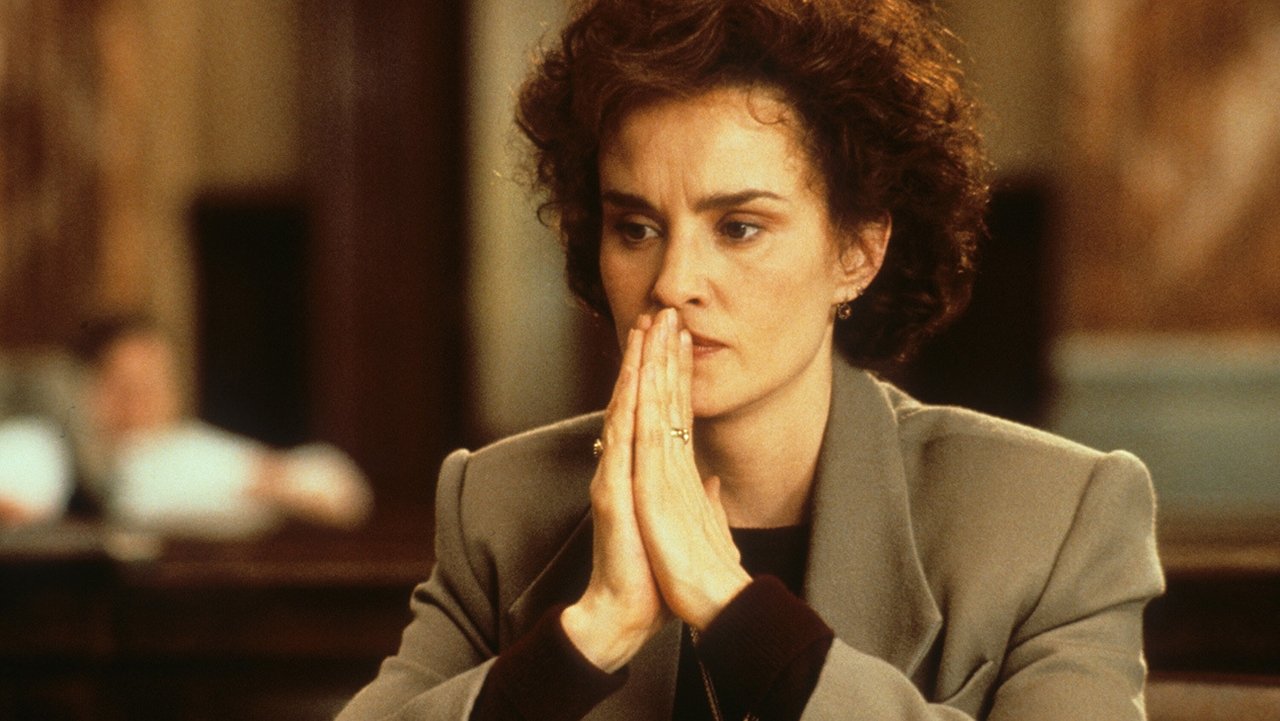
Jessica Lange delivers a performance here that feels less like acting and more like bearing witness. She doesn't just play Ann; she inhabits her skin, conveying the fierce protective instincts of a daughter, the sharp intellect of a lawyer, and, crucially, the dawning, sickening horror as cracks appear in her father's story. Her journey from unwavering conviction to fractured doubt is the film's emotional core, and Lange navigates it with breathtaking authenticity. There are no histrionics, just a gradual, devastating erosion of certainty mirrored in her eyes, her posture, the subtle tremors in her voice. It’s a masterclass in contained intensity, rightfully earning her an Academy Award nomination.
Equally mesmerizing is Armin Mueller-Stahl as Mike Laszlo. Is he a wronged victim of mistaken identity and political persecution, or a charming sociopath capable of unimaginable evil? Mueller-Stahl plays this ambiguity to perfection. His Laszlo is warm, folksy, sometimes righteously indignant, sometimes tragically frail. He never tips his hand, forcing both Ann and the audience to constantly question what lies beneath the avuncular surface. The dynamic between Lange and Mueller-Stahl is electric, charged with decades of assumed love and the terrible possibility of profound betrayal. Their scenes together are studies in subtext and unspoken tension.
### Costa-Gavras and the Weight of Truth
Director Costa-Gavras, already renowned for politically charged thrillers like Z and Missing, brings his signature blend of procedural detail and moral urgency to Music Box. He avoids sensationalism, focusing instead on the methodical nature of the investigation and the trial. The courtroom scenes are gripping not because of shouting matches, but because of the meticulous presentation of evidence – faded photographs, chilling testimonies, bureaucratic documents that suddenly carry the weight of genocide. Costa-Gavras understands that sometimes the most horrifying truths are revealed not in screams, but in quiet, undeniable facts laid bare under fluorescent lights. The film’s deliberate pacing allows the gravity of the situation to sink in, mirroring Ann’s own slow, painful realization.
### Retro Fun Facts
- A Personal Connection: The script, penned by Joe Eszterhas (later known for much different fare like Basic Instinct), drew heavily from his own life. Eszterhas discovered years after immigrating to the US that his own father, István Eszterhas, had written anti-Semitic propaganda in Hungary during the war. This personal history imbues the script with a raw, unsettling authenticity that elevates it beyond a standard courtroom drama. It wasn't just a story; for Eszterhas, it was grappling with a potential family legacy of horror.
- Location Authenticity: While much of the film is set in Chicago, the crucial third act shifts to Budapest, Hungary. Filming there shortly after the fall of the Berlin Wall added another layer of resonance, capturing a city still grappling with its complex 20th-century history. Seeing Lange navigate those streets, searching for answers amidst the ghosts of the past, feels incredibly potent.
- Award Recognition: Beyond the Oscar nominations for Lange and Mueller-Stahl, Music Box won the prestigious Golden Bear at the 40th Berlin International Film Festival, a testament to its powerful impact on the international stage. It wasn't just a Hollywood drama; it was recognized as a significant piece of filmmaking tackling profound moral questions.
### The Lingering Resonance
Watching Music Box today, perhaps on a quiet evening reminiscent of when you might have first encountered it on a rented tape, its power hasn't diminished. If anything, its themes feel disturbingly relevant. How do societies, and individuals within them, reckon with historical atrocities? How easily can evil hide behind a mask of normalcy and affection? The film doesn't offer easy answers. It leaves you contemplating the fragility of identity, the burden of the past, and the devastating cost of uncovering truths we desperately wish weren't real.
The "music box" itself, a seemingly innocent object, becomes a potent symbol – a container of memory, potentially holding both beauty and darkness. Its eventual significance (Spoiler Alert! though subtly handled) delivers one of the most quietly gut-wrenching moments in 80s cinema. It's a testament to the film's construction that this revelation feels earned and utterly heartbreaking, not manipulative.
This isn't the kind of film you forget easily. It settles in your bones, prompting reflection long after the credits roll. It’s a reminder that some of the most compelling dramas of the VHS era weren't afraid to tackle difficult subjects with intelligence and profound emotional honesty.
***
Rating Justification:

Score: 8.5/10
Music Box earns a strong 8.5 primarily due to the towering, nuanced performances from Jessica Lange and Armin Mueller-Stahl, which form the film's unshakable core. Costa-Gavras directs with a steady, intelligent hand, effectively building suspense and moral weight through procedural detail rather than melodrama. The screenplay, particularly given Joe Eszterhas's personal connection, carries genuine thematic depth and explores its difficult subject matter with sensitivity. The film successfully balances courtroom tension with intimate character study, creating a truly involving and thought-provoking experience. It narrowly misses a higher score perhaps due to a slightly conventional structure in parts and a pacing that, while deliberate and effective for the story, might feel slow to some modern viewers accustomed to faster cuts. However, its emotional impact, anchored by the acting and the gravity of its themes, is undeniable and resonant.
Final Thought: Music Box is a somber, impeccably acted investigation into the dark corners of family history and collective memory, leaving you with the unsettling question: How well can we ever truly know the ones we love?