What happens when the world outside your door suddenly vanishes, replaced by darkness, shouted dogma, and the suffocating confines of a closet? That jarring disorientation is where Paul Schrader’s 1988 film Patty Hearst begins, plunging us immediately into the bewildering terror experienced by the titular heiress. It's a film that resists easy categorization, much like the infamous true story it portrays, leaving you contemplating the murky depths of identity and survival long after the tape has rewound.

Into the Blindfold
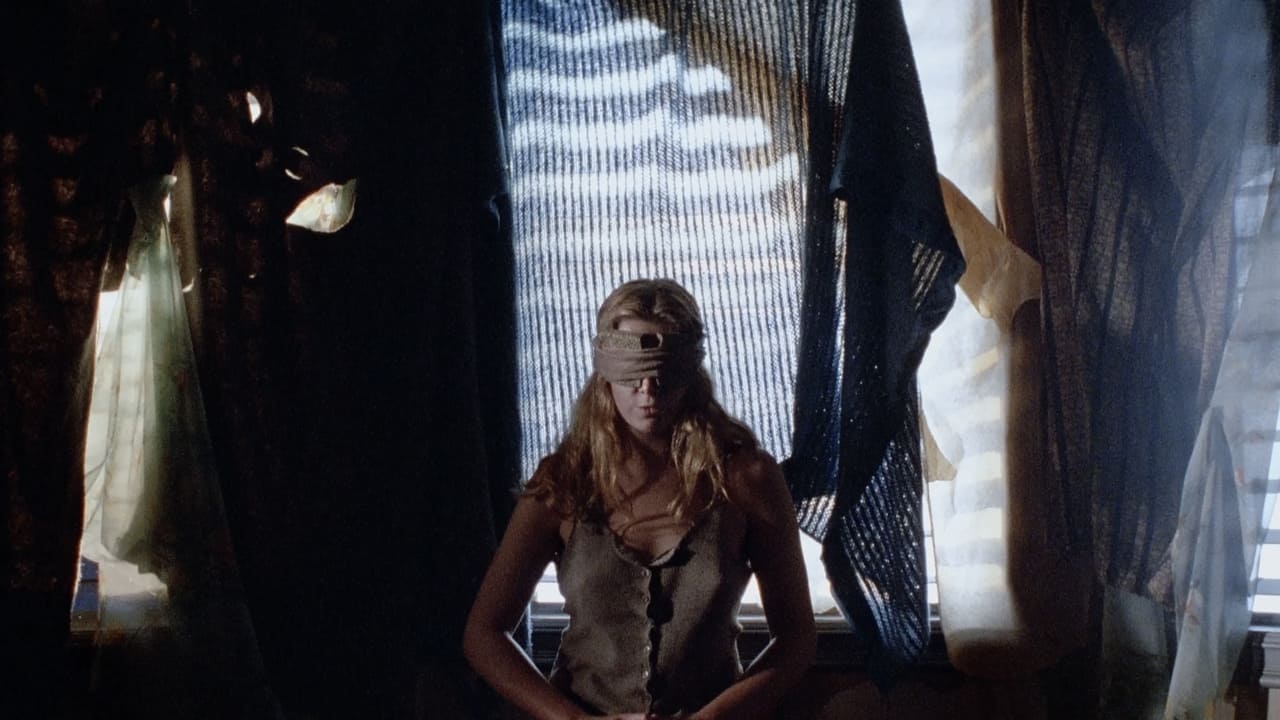
Unlike more conventional biopics, Schrader, known for his unflinching explorations of alienation in films like Taxi Driver (which he wrote) and American Gigolo (which he directed), isn't interested in a sprawling overview of Patricia Hearst's life. Instead, he adopts a fiercely subjective approach, confining us almost entirely to Patty's perspective, particularly during her initial captivity by the Symbionese Liberation Army (SLA). Based on Hearst's own memoir Every Secret Thing (adapted by Nicholas Kazan, son of the legendary Elia Kazan), the film forces us to experience the sensory deprivation, the ideological bombardment, and the sheer terror alongside her. The screen is often dark, mirroring her blindfolded state, the sound design dominated by the muffled voices and pronouncements of her captors. It’s a bold choice, one that fosters empathy but also intentionally limits our understanding, mirroring the confusion and isolation Patty herself must have felt. Remember watching this on a flickering CRT, the darkness of those early scenes feeling almost absolute? It amplified that sense of claustrophobia tenfold.
A Star is Born in Trauma
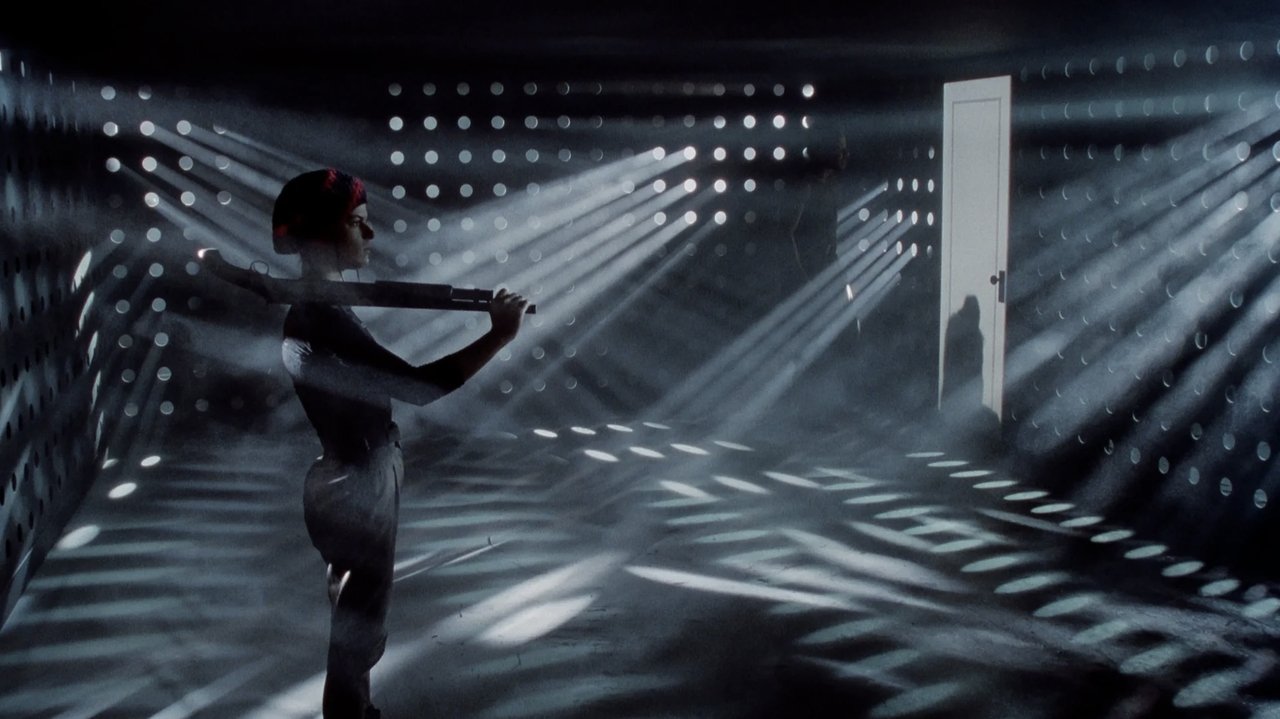
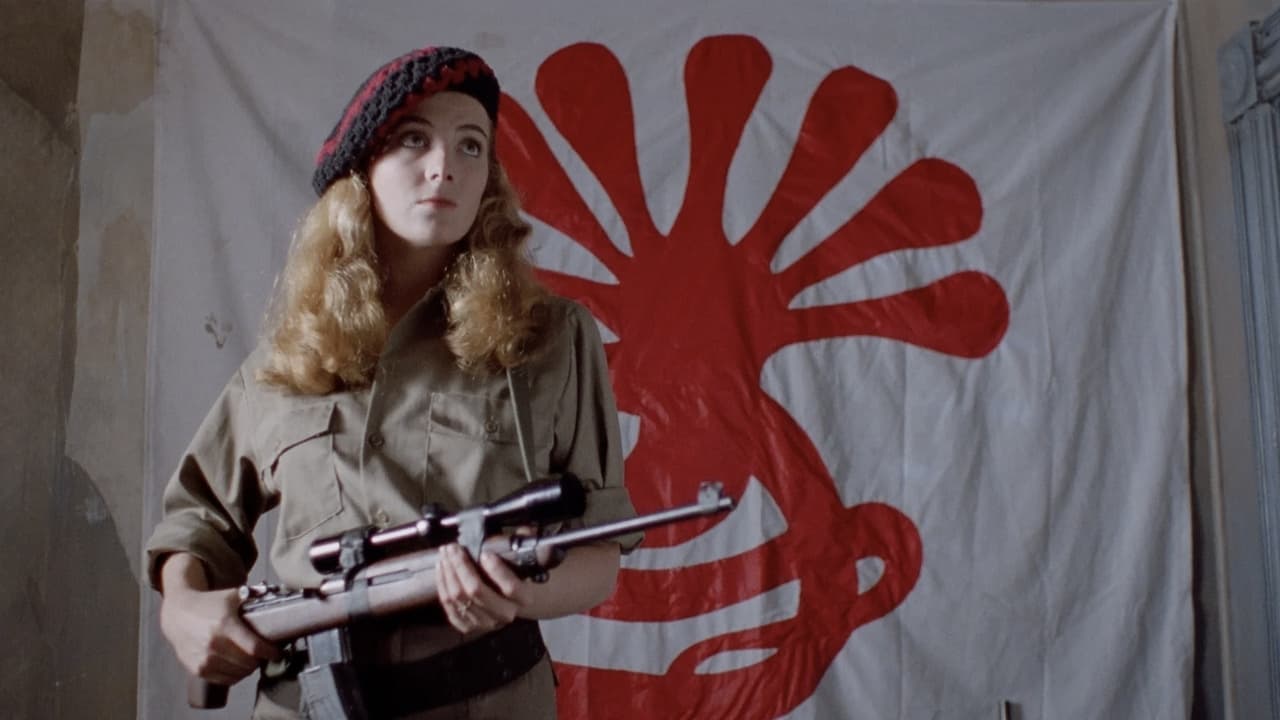
Central to the film's power is the absolutely riveting performance by Natasha Richardson in what was truly her breakout role. It's a demanding part, requiring her to convey a vast spectrum of emotions – stark terror, defiance, numb compliance, and eventually, a chilling transformation – often with minimal dialogue, especially in the film's first act. Richardson is mesmerizing. We see the initial shock drain the life from her eyes, replaced by a watchful stillness born of survival. Her physical transformation, from privileged debutante to the gun-toting urban guerrilla "Tania," feels disturbingly gradual and psychologically convincing within the film's compressed narrative. She embodies the central enigma: Is this Stockholm Syndrome, a calculated survival strategy, or a genuine, albeit coerced, conversion? Richardson offers no easy answers, allowing ambiguity to linger, making her portrayal all the more haunting. Tragically, Richardson's immense talent was lost to us far too soon, making performances like this feel even more precious.
The Revolutionaries Next Door
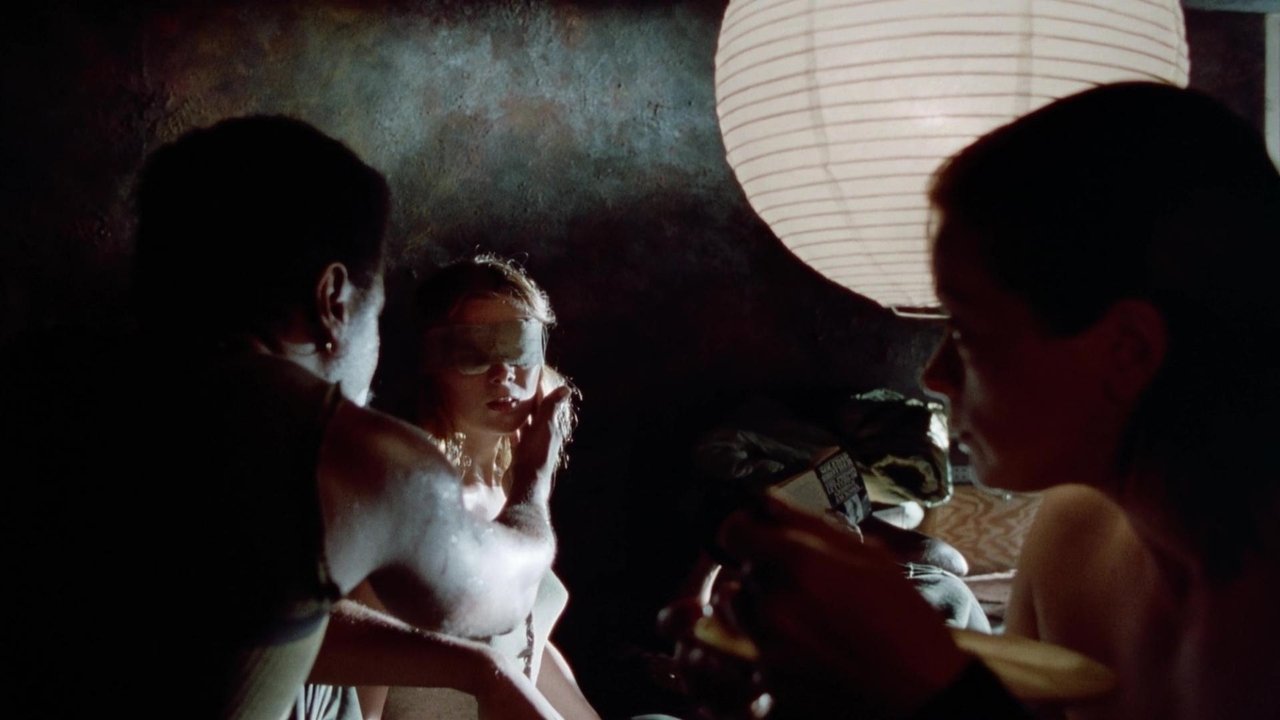
The members of the SLA, led by Cinque (Ving Rhames, intense even in this early role) and Teko (William Forsythe, radiating volatile energy), are portrayed not as monstrous caricatures but as fervent, often inept, ideologues caught up in their own revolutionary theatre. Schrader presents their rhetoric without overt judgment, letting the inherent contradictions and chilling pronouncements speak for themselves. Their low-tech, almost mundane existence contrasts sharply with the extraordinary events unfolding. They argue, they make mistakes, they are dangerously committed – a portrayal that feels grounded even amidst the bizarre circumstances. It’s a reminder that seismic historical events are often carried out by flawed, complex individuals. Seeing Ving Rhames here, years before his iconic turn in Pulp Fiction (1994), is a fascinating glimpse of his early power.
Schrader's Calculated Cool
Schrader’s direction is deliberate, almost clinically detached at times, which might frustrate viewers seeking heightened melodrama. Yet, this coolness feels intentional, preventing the film from becoming sensationalist exploitation. He employs distinct visual strategies – the aforementioned claustrophobic framing early on gives way to a wider perspective as Patty integrates (or appears to integrate) with the group. There’s a fascinating detail regarding the film's aspect ratio; Schrader reportedly used different ratios for different phases of her experience, subtly altering our perception. This wasn't just a straightforward retelling; it was a considered piece of filmmaking aiming for psychological immersion.
One particularly interesting production tidbit is that Patty Hearst herself has a small cameo near the end of the film, playing a society woman at a dog show. It's a surreal meta-moment, the subject of the story appearing briefly within its cinematic interpretation, adding another layer to the film's complex relationship with reality and representation. The film itself, made for a modest $6 million, wasn't a box office smash, perhaps because its challenging, ambiguous nature didn't align with typical blockbuster fare, but it certainly found its audience on home video – a staple of the “Drama” section in many a rental store.
The Lingering Question
Does Patty Hearst ultimately solve the mystery of its subject? No, and that’s arguably its greatest strength. It doesn't offer simple answers about guilt, innocence, or the precise nature of Patty’s transformation. Instead, it presents a compelling, disturbing scenario and invites us to contemplate the terrifying power of ideology, the fragility of identity under duress, and the impossibility of truly knowing another's mind, especially under such extreme circumstances. What does it mean to survive when survival requires becoming unrecognizable, even to oneself? The film doesn't flinch from these difficult questions.
Rating: 8/10
Patty Hearst earns its 8 for its unflinching focus, Natasha Richardson's tour-de-force performance, and Paul Schrader's controlled, atmospheric direction. It successfully immerses the viewer in a specific, terrifying psychological space. While its deliberate pace and ambiguity might not satisfy everyone, its commitment to exploring the subjective experience of trauma and coercion makes it a powerful and thought-provoking piece of 80s cinema. It avoids easy sensationalism, instead offering a chilling study that resonates long after viewing.
It's a film that sticks with you, less for the headlines it depicts and more for the profound unease it evokes about the lines we draw between victim and participant, self and survival.