It's more than just the voice, isn't it? With Patsy Cline, the ache, the knowing vulnerability that poured out of those speakers felt like a direct line to the soul. Capturing that lightning in a bottle, translating not just the sound but the feeling of an icon onto film, is a monumental task. Karel Reisz’s 1985 biopic Sweet Dreams doesn’t shy away from the challenge, anchored by a performance from Jessica Lange that feels less like an imitation and more like a haunting embodiment. Watching it again now, decades after pulling that distinctive TriStar Pictures VHS box off the rental shelf, the film’s raw emotional honesty still lands with surprising force.
Beyond the Spotlight, Into the Fire
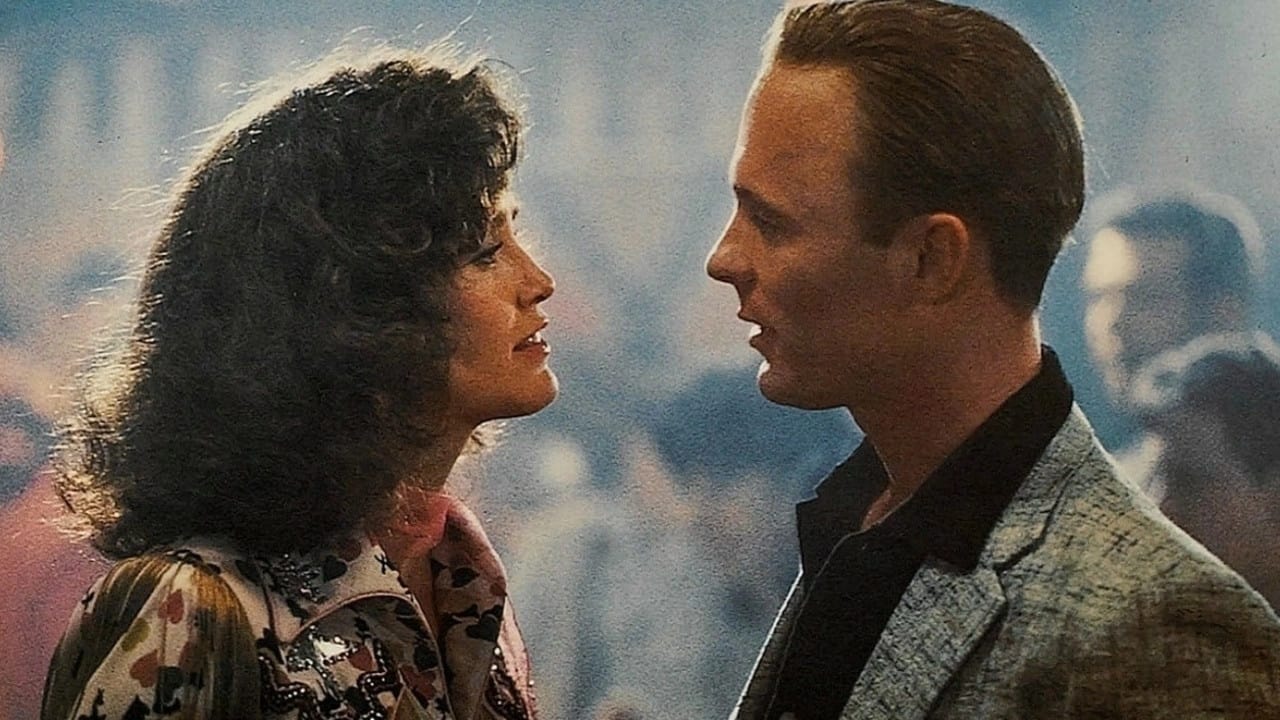
Unlike some musical biopics that chart a steady rise to fame, Sweet Dreams, penned by Robert Getchell (who previously explored complex female characters in Alice Doesn't Live Here Anymore), chooses a different, perhaps more intimate, path. It focuses intensely on the turbulent, passionate, and often painful relationship between Patsy Cline and her second husband, Charlie Dick, portrayed with a volatile charisma by Ed Harris. This isn't just a story about a singer; it's a deep dive into a marriage that burned incredibly bright and, at times, threatened to consume everything around it. The film doesn't sand down the rough edges – Charlie’s charm is undeniable, but so is his temper and infidelity; Patsy’s ambition and strength are clear, but so are her vulnerabilities and reactions to his volatility. It makes for uncomfortable viewing sometimes, doesn't it? That refusal to present a simplified, sanitized version of their lives is precisely what gives the film its lasting power.
A Star Inhabited, Not Just Impersonated
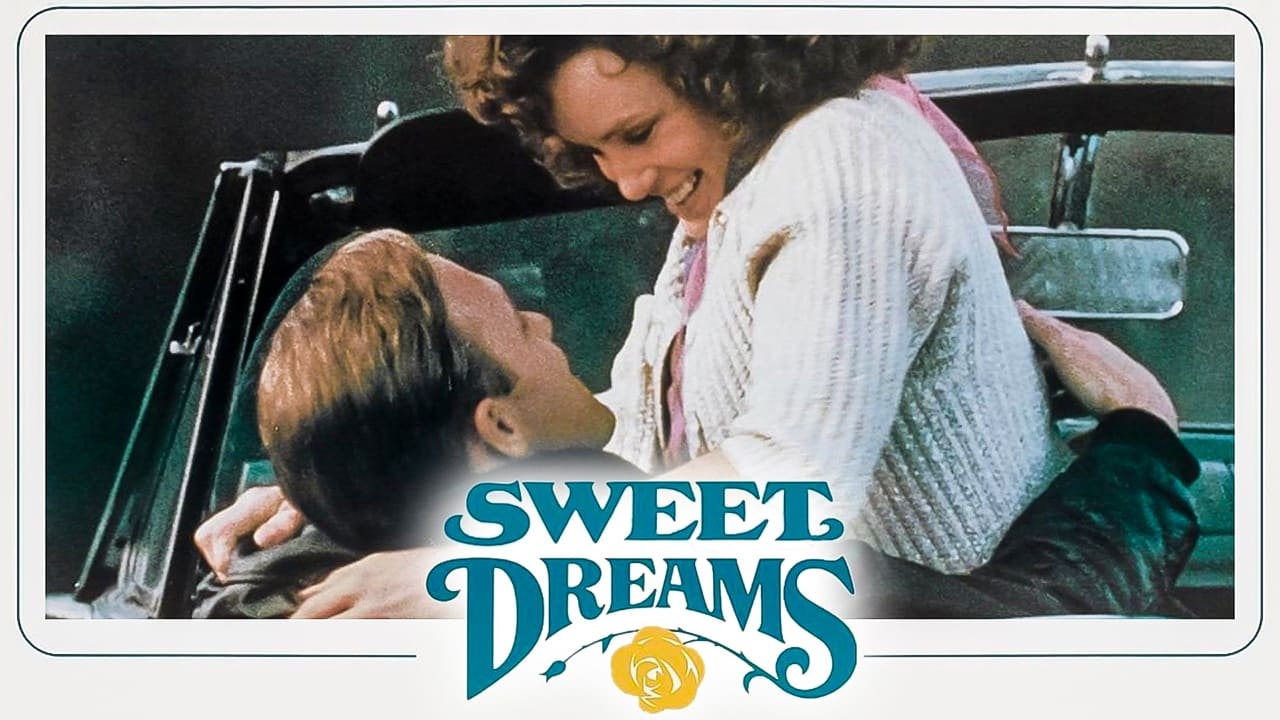
Let's talk about Jessica Lange. Coming off her Oscar win for Tootsie (1982) and acclaimed dramatic work, Lange faced the daunting task of playing one of country music's most beloved figures. What makes her performance so staggering isn't just the physical resemblance or the period mannerisms; it's the way she channels Cline's spirit – the resilience, the humor, the heartbreak. A fascinating bit of trivia often discussed among fans is how Lange, unlike Sissy Spacek in the equally brilliant Coal Miner's Daughter (1980), lip-syncs to Cline's original recordings. Initially, this might seem like a shortcut, but in Karel Reisz's hands, it becomes a stroke of genius. Hearing Cline's actual voice – that unmistakable, emotion-laden instrument – fused with Lange's utterly committed physical and emotional performance creates a unique, almost spectral effect. It allows the raw power of the music to remain untouched while Lange concentrates on embodying the woman behind the voice. Reportedly, Meryl Streep was offered the role but turned it down; it's hard now to imagine anyone but Lange capturing that specific blend of earthiness and star power. Her Academy Award nomination for Best Actress was thoroughly deserved.
The Charmer and The Rock
Playing opposite Lange, Ed Harris delivers a performance that is equally crucial and complex. His Charlie Dick is a whirlwind – handsome, magnetic, funny, and deeply flawed. Harris never plays him as a simple villain; you understand Patsy's attraction, the pull of his energy, even as you witness the pain he inflicts. It’s a testament to Harris, already known for roles like John Glenn in The Right Stuff (1983), that he makes Charlie both infuriating and somehow sympathetic. Their scenes together crackle with an authenticity that feels lived-in, capturing the dizzying highs and devastating lows of a love that defied easy categorization. And let’s not forget Ann Wedgeworth as Patsy’s mother, Hilda Hensley. She provides a grounded, stabilizing presence, her quiet strength and maternal concern earning her an Oscar nomination for Best Supporting Actress. She’s the anchor in Patsy’s often-stormy world.
Capturing an Era, Facing the Truth
Filmed partly on location in Nashville and Martinsburg, West Virginia (near Cline's hometown of Winchester, Virginia), Sweet Dreams possesses a tangible sense of time and place. Reisz, known for character studies like The French Lieutenant's Woman (1981), uses a direct, unfussy style that keeps the focus squarely on the characters and their emotional landscape. The film doesn't shy away from the tragic car accident that nearly killed Cline or the foreshadowing of the plane crash that ultimately took her life at just 30. Interestingly, Charlie Dick himself served as a consultant on the film, which likely influenced the nuanced, if still critical, portrayal of his character. While it made a respectable $29 million at the box office against its $9 million budget, its impact felt more critical than commercial, perhaps because it dared to present its beloved subject with such unvarnished honesty.
Does the film take liberties? Certainly. Biopics almost always condense timelines and composite characters for dramatic effect. But the emotional truth at its core feels undeniable. It explores the complexities of love, ambition, fame, and the sacrifices often demanded by all three. What stays with you isn't just the incredible music, but the image of Lange as Patsy – laughing, crying, singing her heart out, living life with a ferocious intensity that leaps off the screen.
Rating: 8.5/10
This rating reflects the film's towering central performance by Jessica Lange, the compelling and complex work from Ed Harris, and the brave emotional honesty of the script and direction. Using Cline's original recordings proves a masterstroke, lending unparalleled authenticity. While perhaps less comprehensive career-wise than some biopics, its focused exploration of the central relationship provides a raw, powerful, and unforgettable portrait. It doesn't just tell you about Patsy Cline; it makes you feel her spirit.
Sweet Dreams remains a standout from the 80s biopic wave, a film that reminds us how potent screen acting can be when fused with an iconic voice and an unflinching look at the human heart. It’s a tape that definitely earned its rewind wear back in the day, leaving you haunted by both the music and the woman who made it.