## The Unexpected Grace of the Everyday
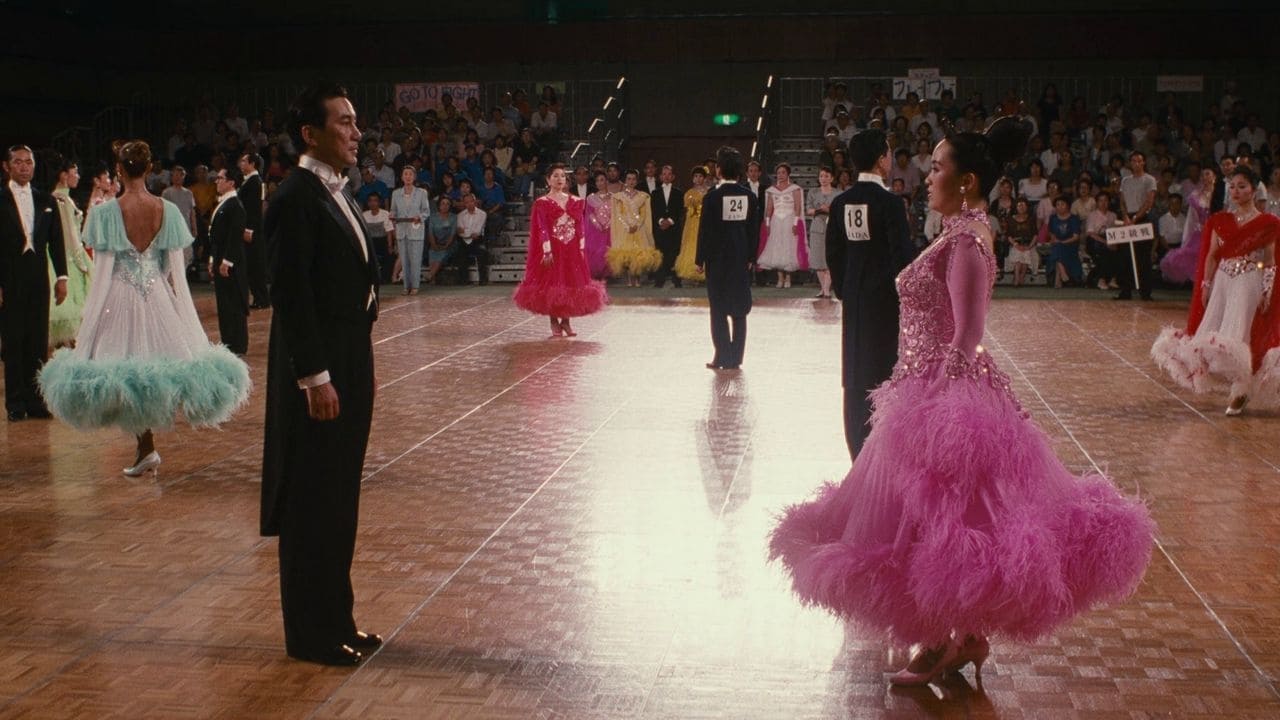
There's a certain quiet desperation captured perfectly in the opening moments of Masayuki Suo's Shall We Dance? (1996). It’s not loud or dramatic, but the kind you see etched on the face of a man staring blankly out of a commuter train window, day after repetitive day. That man is Shohei Sugiyama, played with impeccable restraint by Kōji Yakusho, and his malaise feels instantly familiar – the successful job, the loving family, the comfortable house, yet an aching void where joy used to be. What could possibly fill it? The answer, glimpsed through the window of a dilapidated building, is as surprising to him as it is enchanting to us: the solitary, elegant figure of a woman in a dance studio.
A Tentative First Step
Sugiyama's life, like that of many Japanese salarymen depicted in the era, is one of routine and quiet conformity. His decision to secretly enroll in ballroom dancing lessons isn't just a whim; it feels like a minor act of rebellion against the crushing predictability of his existence. Suo, who also wrote the screenplay, paints this world with subtle strokes – the unspoken pressures, the importance of maintaining appearances. Ballroom dancing, we learn, carries a slight stigma, often perceived as vaguely embarrassing or frivolous, certainly not something a respectable businessman readily admits to. This cultural context is key; Sugiyama’s secrecy isn’t just plot convenience, it reflects a genuine societal nuance that adds depth to his journey. I remember finding this gem tucked away in the 'World Cinema' section of my local video store, a stark contrast to the usual action fare I gravitated towards, and feeling immediately drawn into its gentle, human story.
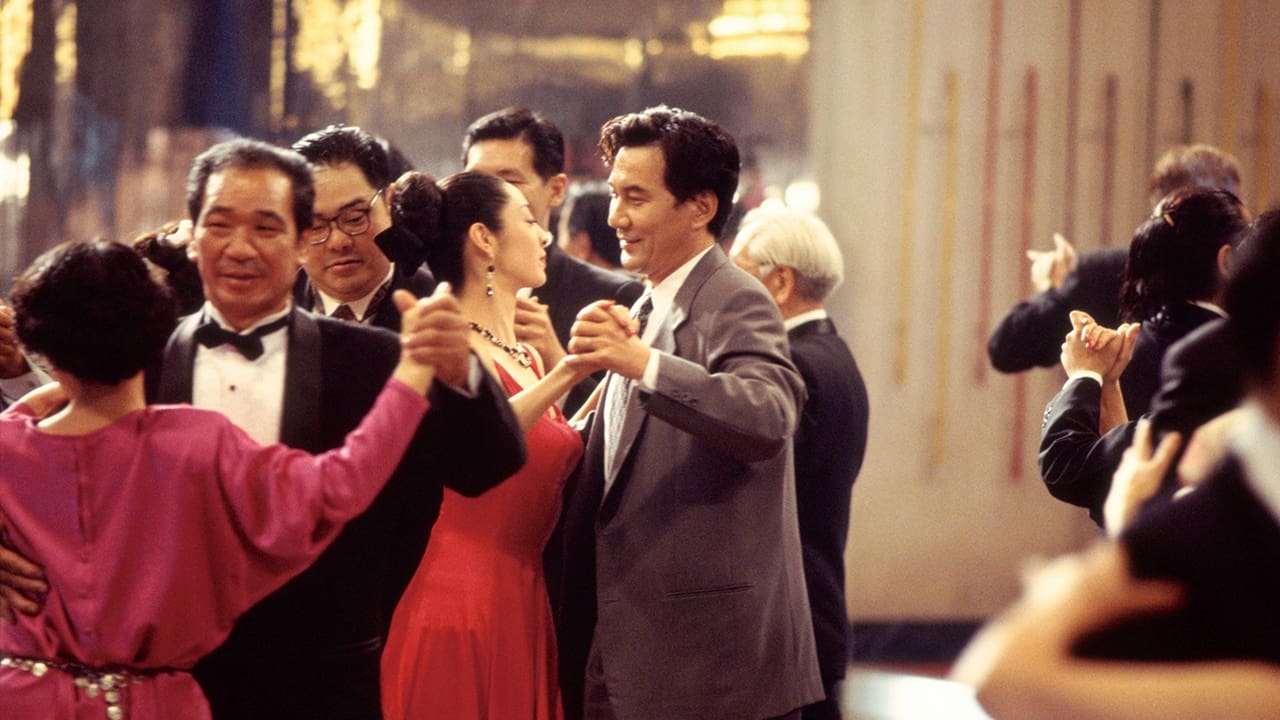
The dance studio itself becomes a haven, populated by a charmingly awkward group of fellow beginners and the enigmatic instructor, Mai Kishikawa (Tamiyo Kusakari). Mai, initially aloof and nursing her own past disappointments in the competitive dance world, becomes the catalyst for Sugiyama’s transformation, though not in the way a typical Hollywood film might portray it. Their connection is built on shared glances, hesitant smiles, and the unspoken language of dance, rather than overt romance. Kusakari, herself a trained ballet dancer, brings an effortless grace to Mai, but it’s the subtle hints of melancholy beneath the surface that make her performance captivating.
Finding Rhythm Beyond the Steps
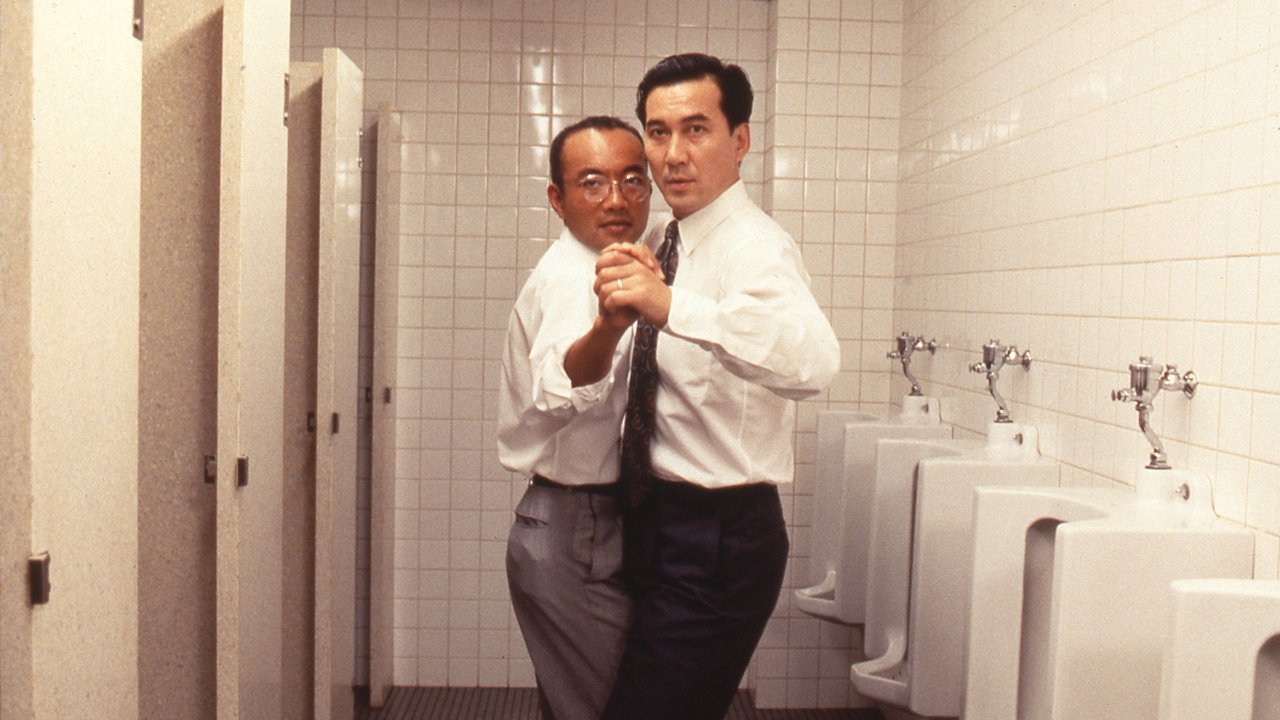
While Sugiyama's journey is central, Shall We Dance? truly shines through its ensemble cast. Naoto Takenaka is an absolute scene-stealer as Tomio Aoki, a colleague of Sugiyama’s who secretly transforms into a flamboyant Latin dance enthusiast, complete with a ridiculous wig, outside of work hours. His comedic energy provides levity, but also underscores the film's theme: the hidden passions people nurture beneath their conventional exteriors. Aoki isn't just comic relief; he represents the joy of uninhibited self-expression, something Sugiyama is slowly, tentatively learning.

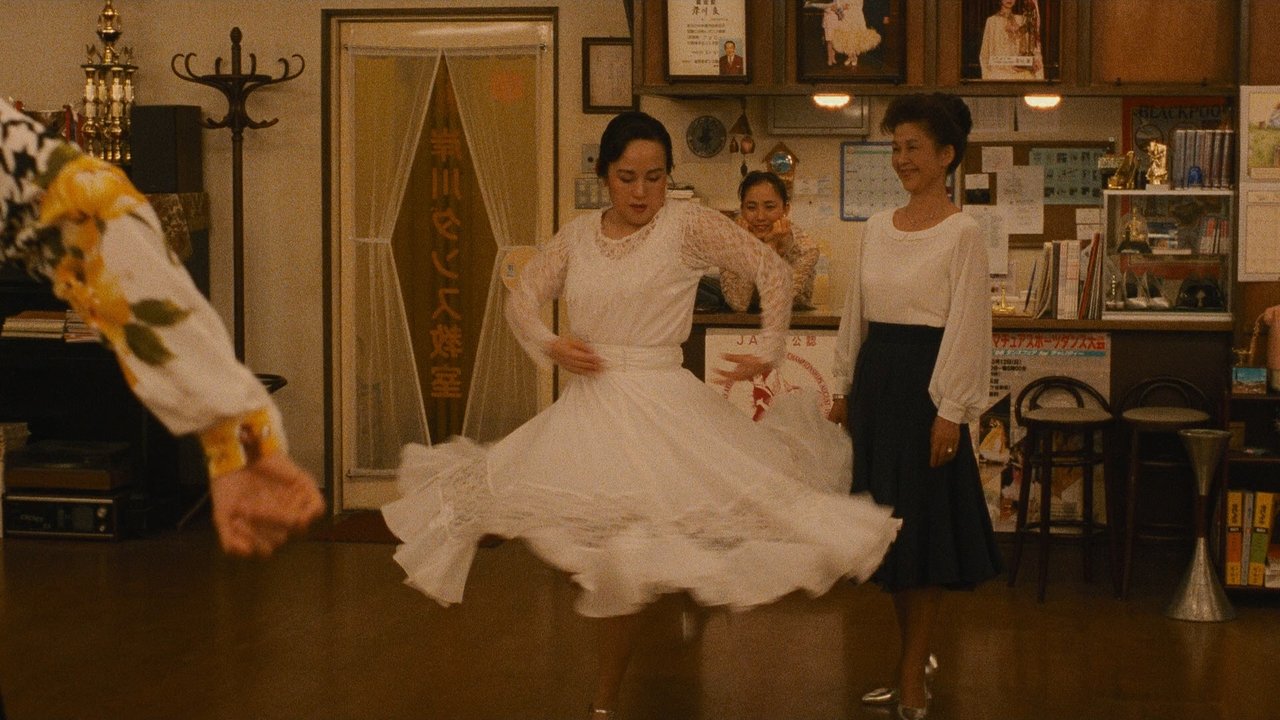
Suo's direction is patient and observant. He allows moments to breathe, trusting his actors to convey emotion through subtle shifts in expression or posture. There are no flashy montages simplifying the learning process; we see the fumbles, the awkwardness, the sheer effort involved in mastering the steps. This commitment to realism makes Sugiyama’s eventual progress, and the burgeoning camaraderie within the dance class, feel earned and genuinely heartwarming. It's fascinating to note that the film's title itself is a nod to the song from the classic Rodgers and Hammerstein musical The King and I, hinting at a similar theme of cultural encounter and personal transformation through dance.
Retro Fun Facts: An Unexpected Global Hit
Despite its uniquely Japanese setting and cultural specificities, Shall We Dance? struck a universal chord. Made on a modest budget, its gentle charm and relatable story propelled it to surprising international success. It became one of the highest-grossing foreign-language films in the US market at the time, earning over $9.5 million – a remarkable feat in the mid-90s, demonstrating that audiences worldwide could connect with Sugiyama's quiet quest for fulfillment. Its success inevitably led to the 2004 American remake starring Richard Gere and Jennifer Lopez, which, while competent, arguably smoothed over some of the original's cultural nuances and delicate charm. Kōji Yakusho, already a respected actor in Japan, gained significant international recognition thanks to this role, paving the way for appearances in films like Memoirs of a Geisha (2005) and Babel (2006).
The Lingering Melody
What stays with you after watching Shall We Dance? isn't necessarily the intricate dance sequences, but the feeling of quiet hope it inspires. It’s a film about the courage it takes to step outside your comfort zone, to seek joy even when society seems to discourage it, and to find connection in the most unexpected of places. Yakusho’s performance is a masterclass in understated emotion, capturing the profound shift from weary resignation to tentative rediscovery. It asks us, gently, what hidden passions we might be neglecting in our own lives. Doesn't that search for something more, beyond the daily grind, resonate regardless of culture or era?
The film beautifully captures the awkwardness and eventual joy of learning something new, the tentative friendships formed over shared struggles, and the quiet bravery of pursuing personal happiness against the grain. It’s a reminder that sometimes, the most profound changes begin with a single, hesitant step onto an unfamiliar dance floor.
Rating: 9/10
This score reflects the film's masterful blend of gentle humor, heartfelt emotion, and insightful cultural observation. Kōji Yakusho's performance is superb, the direction is sensitive and nuanced, and the story resonates on a deeply human level. It's a near-perfect execution of a simple premise, elevated by its authenticity and warmth, making it a standout gem from the 90s world cinema scene readily available on VHS back in the day.
Final Thought: Long after the credits roll, the image lingers: a man finding his rhythm, not just in dance, but in life itself. A truly lovely film.