Alright, fellow tapeheads, dim the lights, maybe crack open a Jolt Cola if you can still find one, and let’s talk about a true artifact of the early 90s. Slide that worn-out rental copy – you know the one, maybe with the slightly chewed corners – into the VCR. We're diving headfirst into the neon-drenched, nonsensical, yet strangely unforgettable world of Vanilla Ice’s cinematic magnum opus (?), 1991’s Cool as Ice.
### Neon Nights and Questionable Rhymes
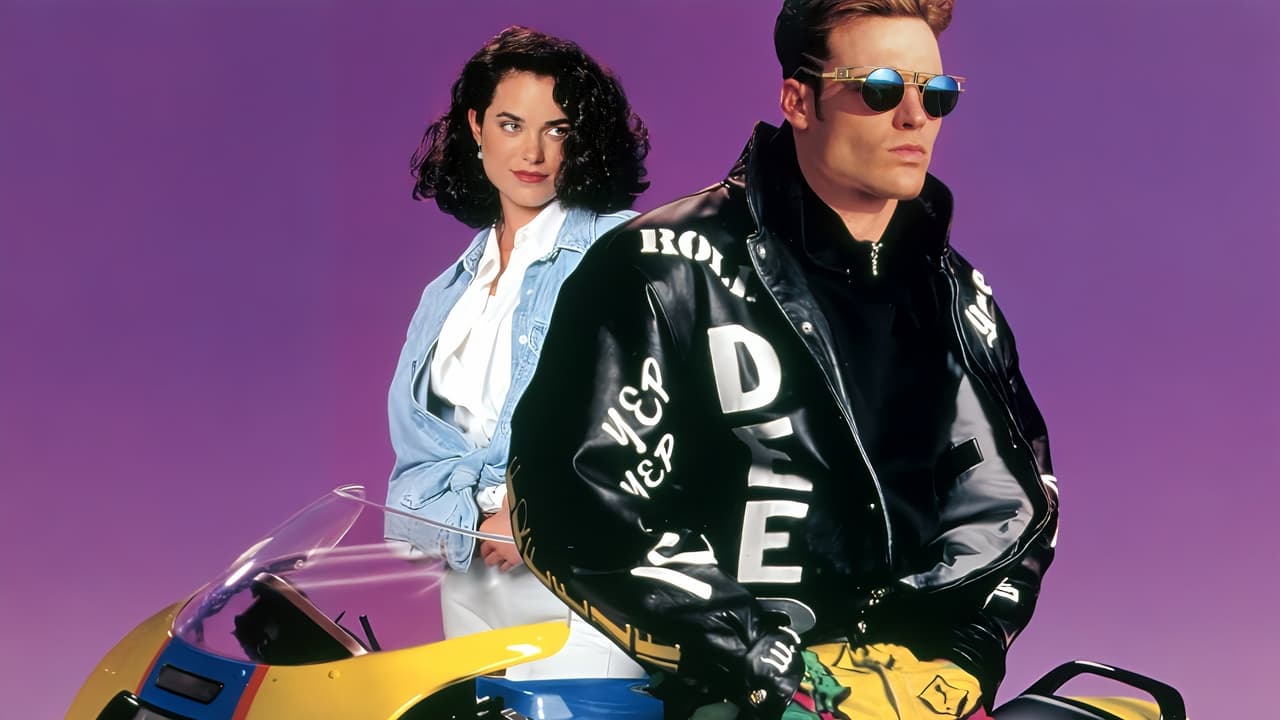
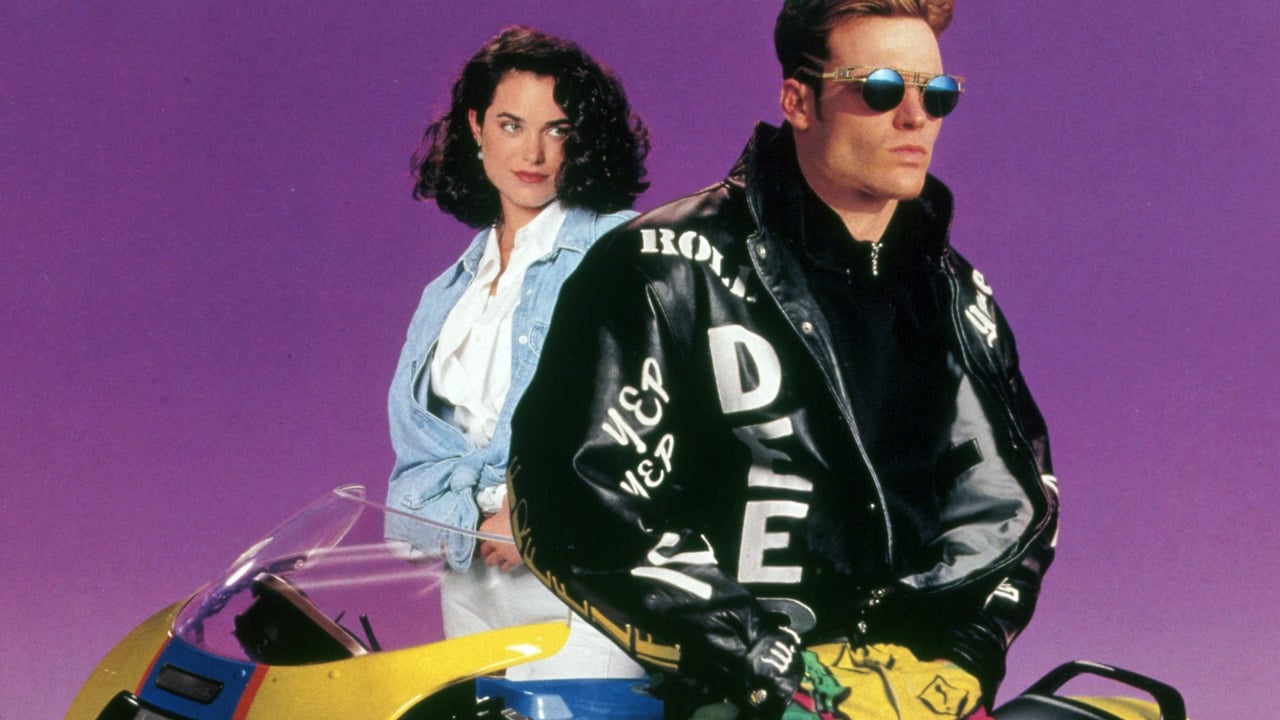
Forget plot logic; Cool as Ice operates on pure, unadulterated early 90s music video energy. Vanilla Ice (billed under his stage name, naturally) plays Johnny Van Owen, a free-spirited rapper cruising the country with his posse on brightly coloured motorcycles. When one of the bikes breaks down in a sleepy, picturesque small town, Johnny spots the smart, equestrian-loving Kathy (Kristin Minter) and decides, with the kind of instant obsession only found in movies like this, that she's the one. Never mind her steady boyfriend or her decidedly unimpressed father, played with surprising commitment by Michael Gross (yes, Dad from Family Ties, hilariously playing against type). What follows is less a coherent story and more a series of loosely connected scenes showcasing Johnny’s rapping, dancing, questionable flirting techniques, and, most importantly, his extensive and truly baffling wardrobe.
### Style Over Substance? More Like Style Instead Of Substance
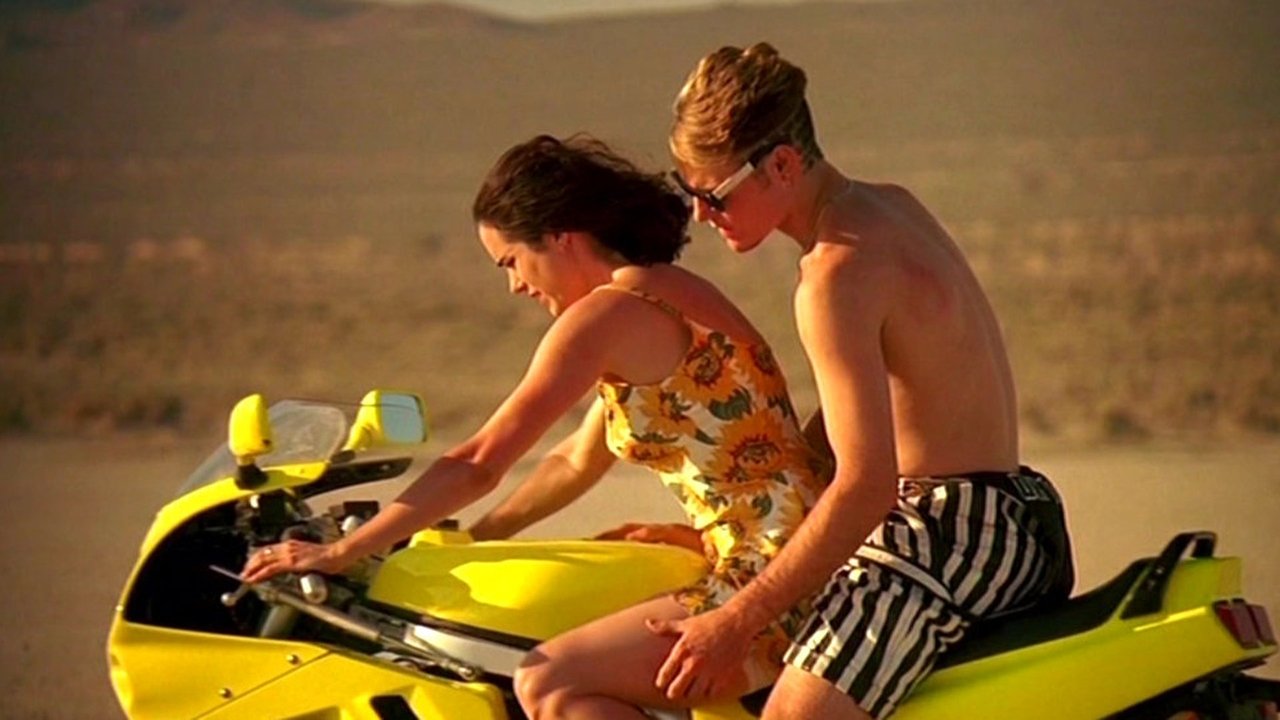
This film feels less directed and more assembled by David Kellogg, a director primarily known at the time for his flashy commercials and music videos (including some for Ice himself). And boy, does it show. Every shot seems designed to look "cool" – dutch angles, dramatic lighting, slow-motion motorcycle maneuvers, characters posing moodily against graffiti-covered walls. It’s pure aesthetic overload, prioritizing visuals above narrative coherence, character development, or common sense. Honestly, that’s part of its bizarre charm.
Retro Fun Fact: The film was rushed into production to capitalize on Vanilla Ice's meteoric, and ultimately brief, chart success with "Ice Ice Baby". Universal Pictures reportedly greenlit the project quickly, perhaps sensing the fleeting nature of his fame. The initial script, believe it or not, was apparently conceived as a darker, more serious biker film before being heavily rewritten into the star vehicle we know today.
### Those Practical Stunts (and Questionable Choices)
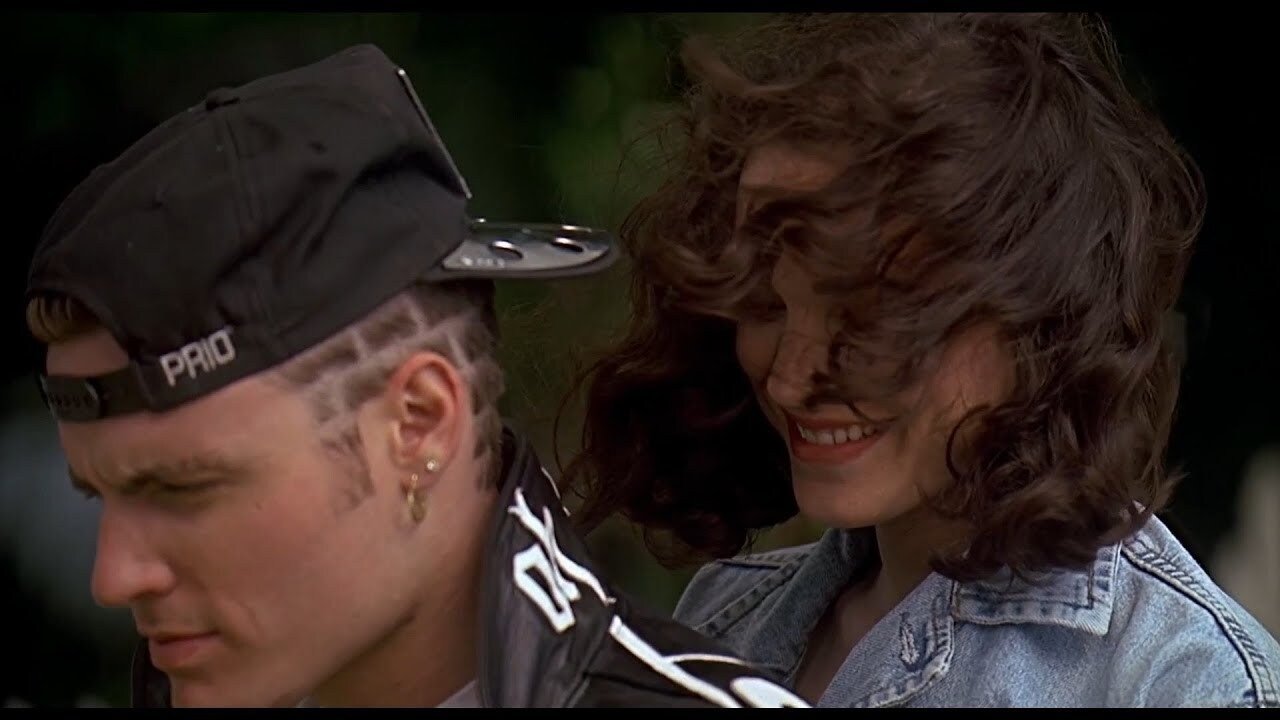
While the story might be paper-thin, you have to give credit where it's due: the motorcycle stunts often feel surprisingly real because, well, they were. Remember Johnny’s dramatic jump over a fence on his Suzuki? That wasn't CGI, folks. That was a real stunt performer risking life and limb for our baffled amusement. In an era before computers could smooth over every rough edge, there's a certain gritty tangibility to the action sequences, however brief or illogical they might seem. They feel grounded in a way that even multi-million dollar modern blockbusters sometimes lack. It's a reminder of a time when "action scene" often meant someone actually doing something dangerous on camera. Was that motorcycle chase through the construction site necessary? Absolutely not. Was it peak early 90s visual noise? You betcha.
Another Retro Fun Fact: The budget was estimated around $6 million, which wasn't insignificant for 1991, especially for a pop star vanity project. Unfortunately, it famously tanked at the box office, pulling in just over $1 million, cementing its status as a legendary flop almost immediately.
### So Bad It's... Something
Let's be honest: Vanilla Ice is not a classically trained actor. His performance as Johnny swings wildly between wooden line readings and moments of hyperactive posturing that feel less like character choices and more like someone trying really, really hard to look cool. Yet, there's an undeniable sincerity to his awkwardness that makes it strangely compelling viewing. Kristin Minter does her best with a thankless role, managing to inject some semblance of humanity into the proceedings, while Michael Gross seems to be having a bizarre kind of fun playing the perpetually stressed-out dad dealing with this neon-clad force of nature disrupting his quiet suburban life.
The film was savaged by critics upon release (earning Vanilla Ice a Golden Raspberry Award for Worst New Star), and for good reason. The dialogue is often clunky ("Drop that zero and get with the hero!"), the plot makes seismic leaps in logic, and the attempts at emotional depth land with a thud. I distinctly remember renting this from Blockbuster back in the day, drawn in by the Ice craze, and feeling... confused. It wasn't good, but it wasn't boring either.
### The Verdict
Cool as Ice is a fascinating time capsule. It’s a monument to a specific, fleeting moment in pop culture, captured on celluloid with maximum style and minimum narrative sense. It’s packed with unintentional humour, baffling fashion choices (so much neon!), and a star persona that imploded almost as quickly as it exploded. Watching it today evokes a potent wave of nostalgia, not necessarily for the film itself, but for the era it represents – the music, the fashion, the sheer audacity of thinking this movie was a good idea.

Rating: 3/10
Justification: Look, it's objectively a bad movie by almost any traditional metric – script, acting, plot coherence. But its value lies elsewhere. It gets points for being an incredible artifact of its time, for the committed (if misguided) visual style, the genuinely practical stunts, and its legendary status as a "so bad it's good" cult classic. It's a film you watch because it's ridiculous, not despite it.
Final Thought: For sheer, unadulterated early 90s cheese preserved on magnetic tape, few films deliver the baffling goods quite like Cool as Ice. It's cinematic junk food – terrible for you, but sometimes, you just crave that specific, artificial flavour. Stop, collaborate, and listen... maybe just once, for old time's sake.