The screen flickers, not just with the tracking lines of worn magnetic tape, but with the nascent, blocky glow of a digital dawn. 1992's The Lawnmower Man wasn't just another sci-fi thriller pulled from the racks; it felt like plugging directly into the anxieties and awe surrounding the burgeoning world of virtual reality and cyberspace. It promised a glimpse over the digital horizon, but like many glimpses into the future, what it showed was often more disturbing than dazzling. The core premise chills: the power to reshape a mind, not through slow persuasion or arcane ritual, but through the cold, logical pulse of technology.
### Seeds of Digital Divinity
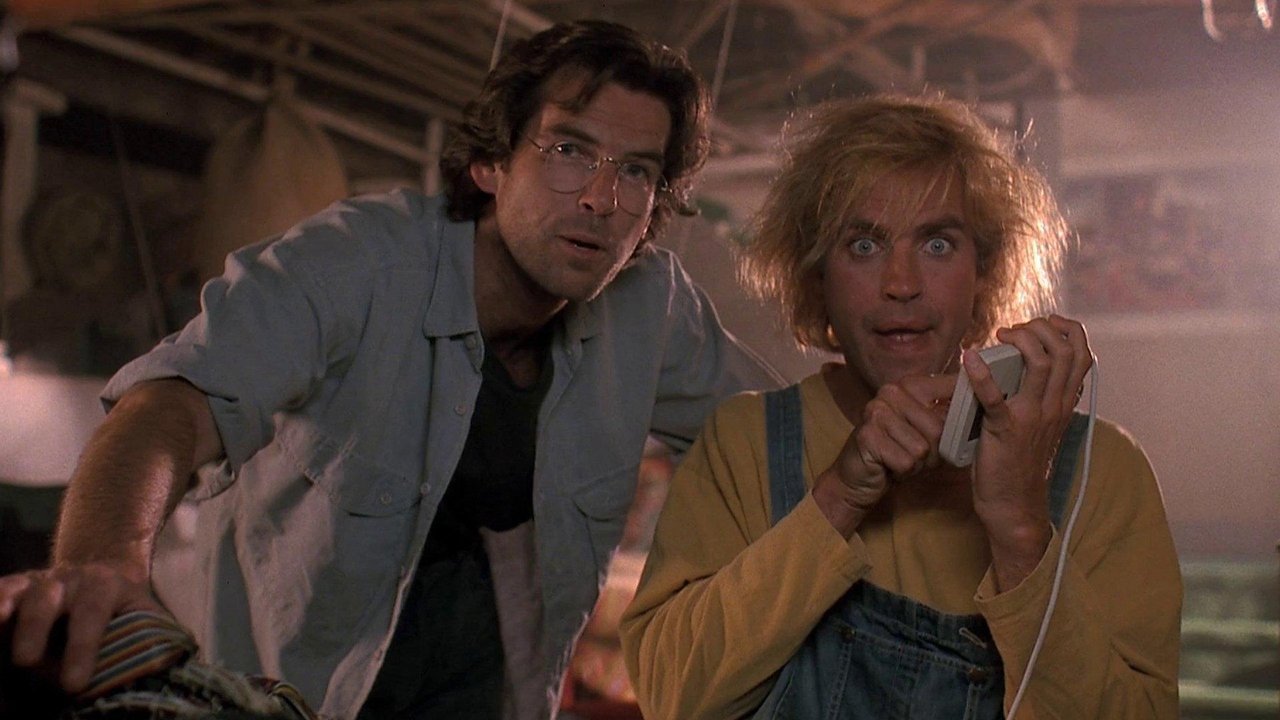
At the heart of the eerie garden stands Jobe Smith, played with a compelling, tragic arc by Jeff Fahey. Jobe is simple, kind-hearted, often exploited – the town's gentle giant maintaining the local greenery. He's the perfect unassuming canvas for the grand, ethically dubious experiment of Dr. Lawrence Angelo (Pierce Brosnan, pre-Bond but radiating that familiar blend of charm and driven intensity). Angelo, working for the shadowy "Shop" (a nod, perhaps unintentional given the later fallout, to Stephen King's recurring sinister organization), aims to enhance intelligence using psychoactive drugs and virtual reality immersion. His intentions might seem initially benign – helping Jobe – but the corporate and military applications loom large, casting a pall over his gleaming laboratory. The contrast between Jobe's sun-dappled, natural world and Angelo's sterile, neon-lit digital domain sets the stage for a conflict that feels almost elemental.
### Entering the Electronic Labyrinth

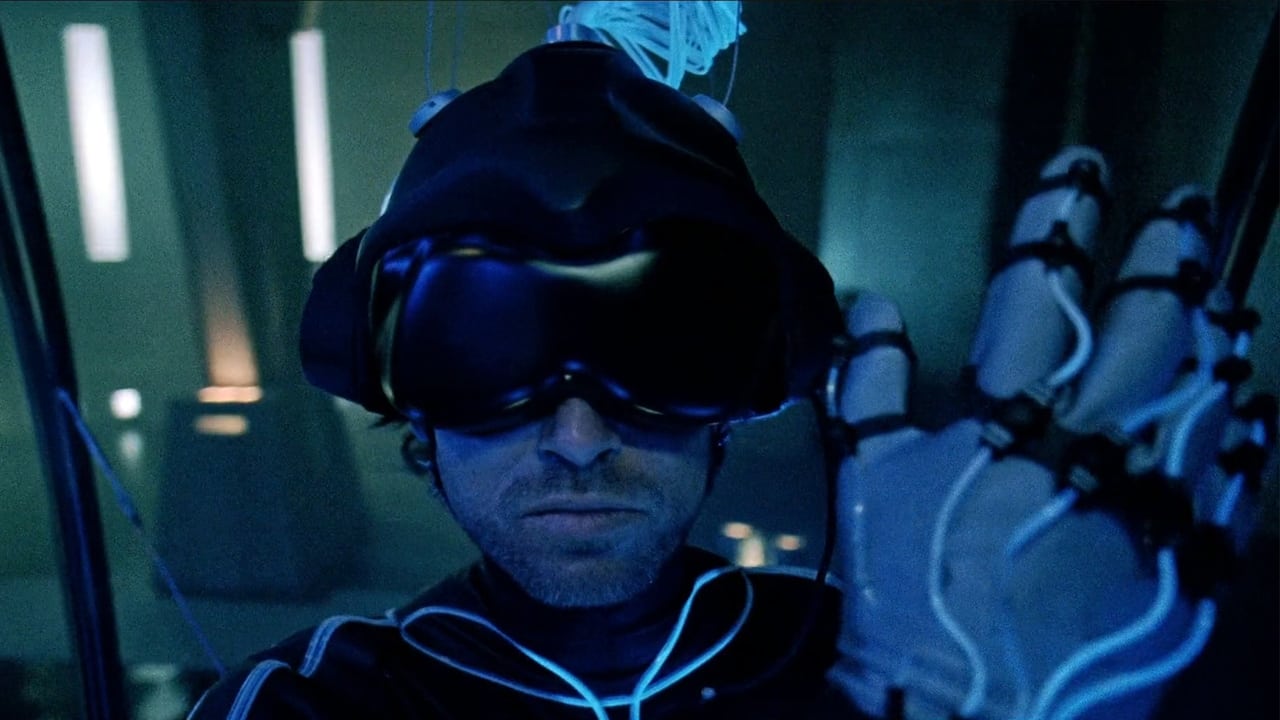
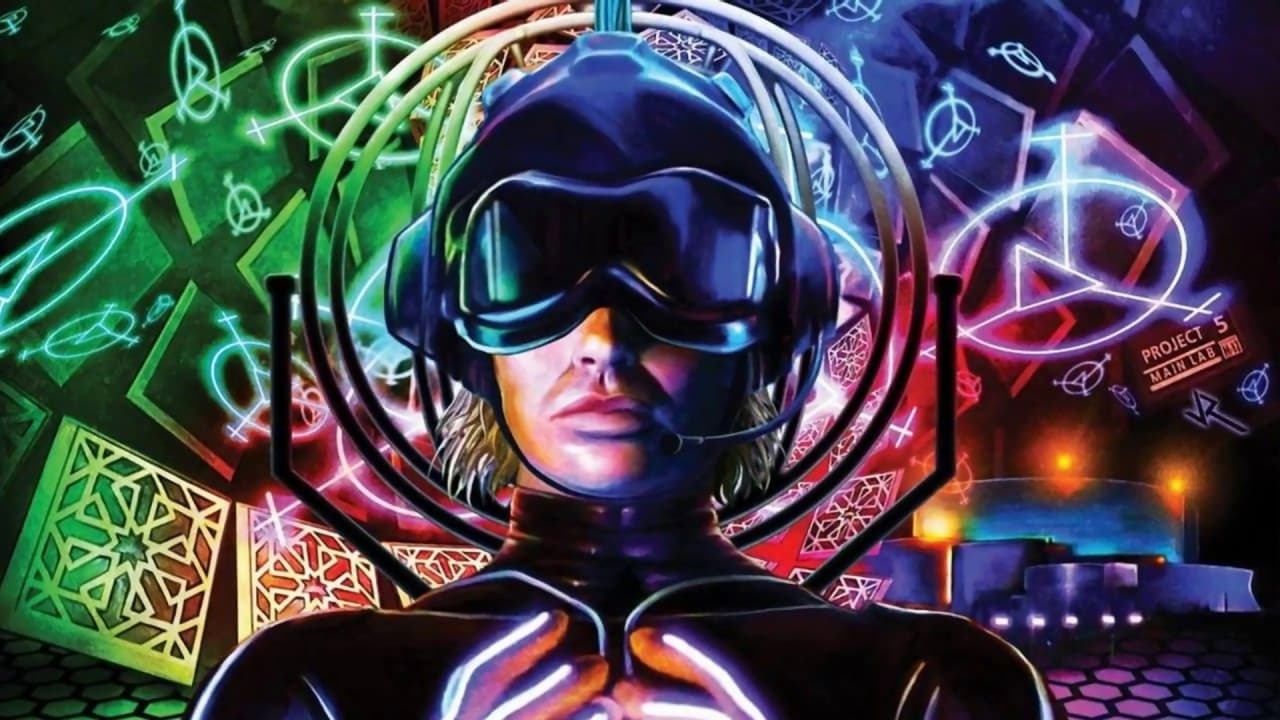
The film’s true draw, and arguably its most dated yet fascinating aspect, lies in its depiction of virtual reality. Director Brett Leonard plunged audiences into swirling, psychedelic landscapes rendered with the very cutting edge of early 90s computer graphics. Seen today, these sequences are undeniably primitive – polygons sharp enough to cut glass, textures smeared and basic, avatars moving with jerky, unnatural grace. Yet, back on a fuzzy CRT, rented from Blockbuster on a Friday night, they possessed a hypnotic, alien quality. There was an ambition here, a genuine attempt to visualize the intangible realm of data and consciousness. Did anyone else find those floating geometric shapes and distorted cyber-faces genuinely unnerving back then? They might seem quaint now, but they captured a specific technological uncanniness, a fear of the digital ghost in the machine that felt palpable in the early days of the internet. The practical effects, particularly Jobe's grotesque mental and physical transformations and the infamous, visceral lawnmower scene (a brutal echo of the original story), retain a raw, physical horror that the cleaner CGI often lacks.
### The Ghost of King
It's impossible to discuss The Lawnmower Man without addressing the elephant in the server room: Stephen King. The film was marketed heavily using his name, based loosely on his 1975 short story. However, the finished product bears almost no resemblance to King's brief, gruesome tale of a demonic lawncare service. King famously sued production company New Line Cinema to have his name removed from the title and marketing, a battle he eventually won for the home video release (though the possessory credit often lingered). This "dark legend" surrounding its creation adds a layer of intrigue. Was it a cynical cash-grab using King's brand, or a genuine attempt to expand a slight premise into something new, which simply spiraled away from the source? Either way, the controversy highlights the often-fraught relationship between source material and adaptation, especially when technology itself becomes a character. Reportedly budgeted at around $10 million, the film needed that King association to pull audiences in for its then-novel visual effects, ultimately proving a significant financial success, grossing over $150 million worldwide.
### Mind Expansion or Digital Meltdown?
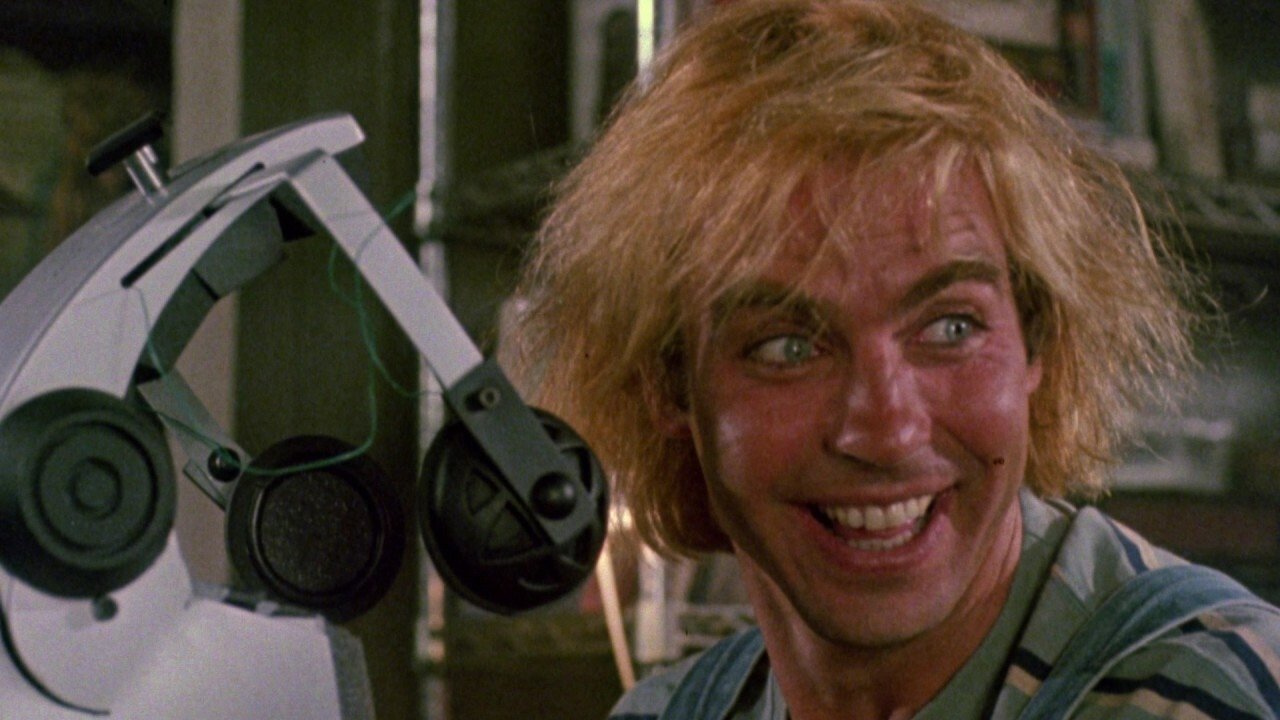
Does The Lawnmower Man endure beyond its status as a visual effects milestone and a curious footnote in the King cinematic universe? Jeff Fahey's performance remains a strong anchor; his transformation from vulnerable simpleton to vengeful techno-god is genuinely affecting, charting a course from sympathy to terror. Pierce Brosnan delivers as the conflicted scientist, caught between ambition and conscience. Jenny Wright adds a necessary human touch as Marnie, though her character arguably suffers from the script's focus on the central Jobe/Angelo dynamic.
The film's exploration of intelligence enhancement, virtual existence, and the potential for technology to spiral out of control touches on themes that remain relevant. It tapped into a specific early 90s zeitgeist, a moment when the potential of the digital world seemed limitless yet vaguely threatening. While its vision of cyberspace looks laughably simplistic now, the underlying questions about identity, power, and the merging of human consciousness with machines haven't entirely disappeared. Its influence might be subtle, but it was one of the first mainstream films to grapple directly with the aesthetic and thematic implications of VR, paving the way for later, slicker explorations. (Let's perhaps draw a veil over the disastrous 1996 sequel, Lawnmower Man 2: Beyond Cyberspace).
### Final Cut
The Lawnmower Man is a fascinating paradox. Its groundbreaking visuals are now its most glaringly dated feature, yet they provide an irreplaceable hit of pure 90s nostalgia. The story veers wildly from its source material but crafts its own memorable, if flawed, narrative about technological hubris. Fahey's performance is a standout, grounding the sometimes outlandish concepts in genuine human emotion (before Jobe leaves humanity behind, that is). It's a film that tried to sprint into the future, tripped over its own ambitions, but still landed somewhere uniquely interesting.
Rating: 6/10
Justification: The film earns points for its bold ambition, Jeff Fahey's compelling central performance, and its status as a significant, if primitive, early foray into cinematic VR. It captures a specific early-90s techno-anxiety effectively. However, it loses points for the incredibly dated CGI (which can break immersion today), the narrative departure that alienated the original author, and some uneven pacing. It's more compelling as a time capsule and a piece of trivia (the King lawsuit) than as a timeless sci-fi thriller.
Final Thought: It remains a quintessential piece of early 90s cyber-pulp – a clunky, earnest, sometimes unsettling vision of a digital future dreamed up just before the internet truly changed everything, forever preserved on those chunky VHS tapes.