It often feels like some stories are too vast, too deeply etched into our cultural consciousness, to be contained by a single adaptation. Victor Hugo's monumental novel is certainly one of them. Yet, sometimes, a version comes along that doesn't just retell the story, but seems to scrape away layers of familiarity to reveal something raw and intensely human beneath. That's the lingering feeling after revisiting Robert Hossein's 1982 film adaptation of Les Misérables, a version carried by the immense, grounded presence of Lino Ventura as Jean Valjean. Forget the soaring scores and stage spectacle; this is Hugo rendered with the weight of stone and the grit of the Parisian streets.
### The Weight of a Soul
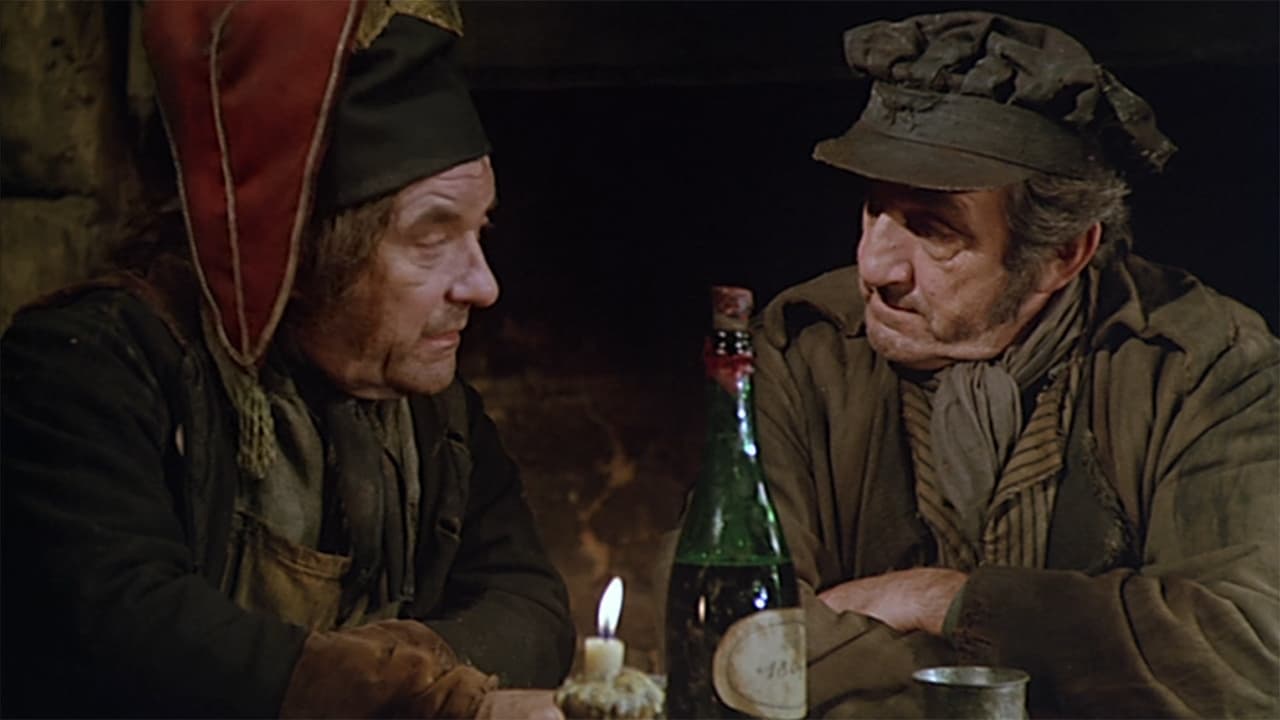
What immediately sets this Les Mis apart is Ventura. Primarily known for his tough, often stoic roles in French crime thrillers (like Claude Sautet's Classe tous risques), his casting as Valjean might initially seem counterintuitive. There’s no immediate saintliness here. Instead, Ventura brings a palpable sense of burden, a lifetime of hardship etched into his face and posture. His Valjean is a man forged in suffering, whose redemption feels less like a sudden epiphany and more like a grueling, lifelong climb. When the Bishop Myriel shows him mercy, the transformation isn't instantaneous radiance; it's the slow, almost painful dawn of understanding in a man who has known only brutality. It’s this very earthiness, this lack of overt sentimentality, that makes his journey so profoundly moving. You believe in his strength, both physical and moral, because it feels earned, tested, and scarred.
### A Director's Vision: History, Not Musical
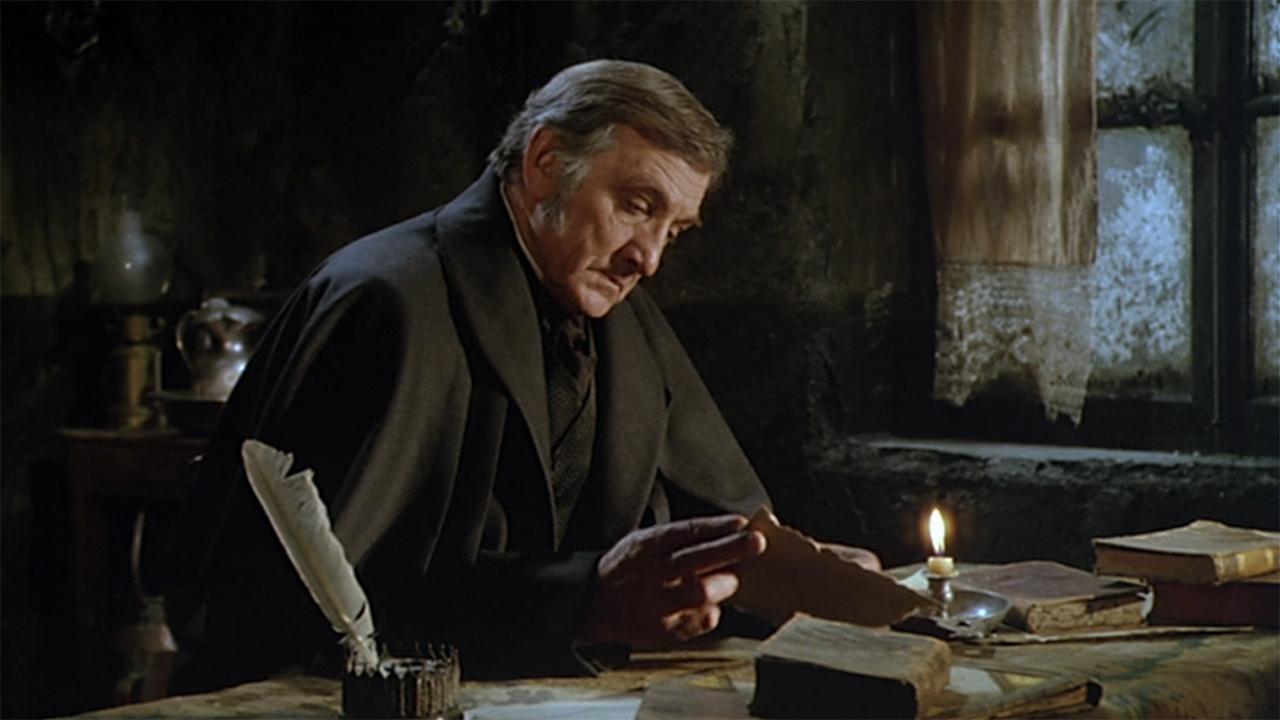
Robert Hossein, already famed in France for his ambitious historical stage spectacles, brings a similar sense of scale but channels it into a surprisingly intimate, almost documentary-like realism here. Working with screenwriter Alain Decaux, Hossein strips away melodrama in favour of a stark portrayal of poverty, injustice, and revolution. The Paris depicted isn't romanticized; it's a character in itself – claustrophobic, desperate, and dangerous. The cinematography often feels observational, favouring natural light and deep shadows, immersing the viewer in the grime and struggle of the era. This isn't the heightened reality we often associate with 80s cinema; it's deliberately deglamorized, forcing us to confront the harshness of the characters' world. It’s a choice that resonates powerfully, making the moments of grace and sacrifice shine brighter against the bleak backdrop.
Retro Fun Fact: This was a colossal undertaking for French cinema at the time. With a budget reportedly around 70 million Francs (a significant sum then, roughly equivalent to over €30 million today adjusted for inflation), it was a gamble on a non-musical, relatively faithful adaptation. Hossein's reputation for handling epic historical narratives likely secured the backing needed for such a large-scale production, involving thousands of extras for the barricade scenes.
### Javert's Unbending Shadow
Opposite Ventura's textured Valjean is Michel Bouquet as Inspector Javert. Bouquet delivers a performance of chilling conviction. His Javert isn't a moustache-twirling villain but a man utterly consumed by his rigid adherence to the law, unable to comprehend a world where mercy might supersede justice. There’s a terrifying certainty in his eyes, a belief in his own righteousness that makes him pitiable even as he is relentless. The scenes between Ventura and Bouquet crackle with ideological tension – two opposing forces locked in a struggle that defines the soul of the narrative. Their dynamic feels less like hunter and hunted, and more like two sides of an unresolvable philosophical coin.
More Behind the Scenes: While Lino Ventura was a major star, his casting wasn't without discussion. Some apparently felt his established screen persona was too tough, potentially overshadowing Valjean's vulnerability. However, Hossein championed him, believing Ventura's inherent gravitas and world-weariness would bring a crucial authenticity to the role – a gamble that paid off magnificently and arguably defined this version. It's also worth noting this adaptation won the César Award (France's Oscar equivalent) for Best Adaptation, cementing its critical success domestically.
### Echoes of Injustice
Watching this film again, decades after its release, what strikes hardest is its enduring relevance. The chasm between the privileged and the destitute, the systemic failures of justice, the desperation that drives ordinary people to extraordinary acts – these themes feel unsettlingly contemporary. Hossein doesn’t shy away from the brutality inherent in Hugo's work. Fantine's decline is agonizingly portrayed, the student revolutionaries' idealism clashes starkly with the violence they face, and the sheer unfairness of Javert's lifelong pursuit feels suffocating. There's a quiet anger simmering beneath the surface, a deep empathy for the downtrodden that transcends its historical setting. Wasn't this ability to connect grand historical narratives with intimate human struggles always Hugo's genius?
Finding this film back in the day, perhaps nestled in the 'World Cinema' aisle of a well-stocked video rental store, felt like unearthing a hidden gem. It lacked the marketing muscle of Hollywood epics, but its power was undeniable. It demanded patience, offering a dense, almost four-hour experience (in its original French TV miniseries cut, often edited for theatrical/VHS release) that rewarded viewers with profound emotional depth rather than easy spectacle. This wasn't a film you casually threw on; it was an event, something you settled in for, ready to be immersed.
Final Production Nugget: The film's score, composed by Michel Magne (who also scored Hossein's Angélique series), is notable for its restraint. It supports the drama without overwhelming it, often using melancholic strings and somber themes to underscore the emotional weight, contrasting sharply with the more operatic scores of later adaptations.
***
Rating Justification:
9/10
This adaptation earns a high score for its exceptional lead performance, its grounded and unflinching directorial vision, and its faithful yet cinematic translation of Hugo's complex themes. Lino Ventura delivers a career-defining portrayal of Valjean, bringing a unique weight and authenticity that anchors the sprawling narrative. Robert Hossein's commitment to realism over sentimentality creates a powerful, immersive experience that highlights the source material's enduring social commentary. While its length and deliberate pacing might test some viewers accustomed to faster narratives, its artistic integrity, powerful performances (especially Michel Bouquet's Javert), and refusal to compromise on the story's grit make it a standout interpretation. It loses a point perhaps only because its sheer density and less 'accessible' style might not resonate universally compared to more musically-driven versions, but as a piece of powerful, dramatic filmmaking, it's practically flawless.
Final Thought: More than just another retelling, Hossein's Les Misérables feels like a historical document infused with profound empathy, a stark reminder captured on film of the enduring struggles for justice and redemption that echo long after the tape stops rolling.