There's a certain weight some films leave you with, a residue that clings long after the VCR whirs to a stop and the screen fades to static blue. Camille Claudel, the sweeping 1988 biopic directed by Bruno Nuytten, is one such film. It doesn’t just tell a story; it immerses you in the ferocious, consuming fire of artistic creation and the devastating collision between genius, passion, and a society unready for female ambition. Watching it again now, decades removed from its initial release, its power feels undiminished, perhaps even sharpened by the passage of time.

The Sculptor's Gaze
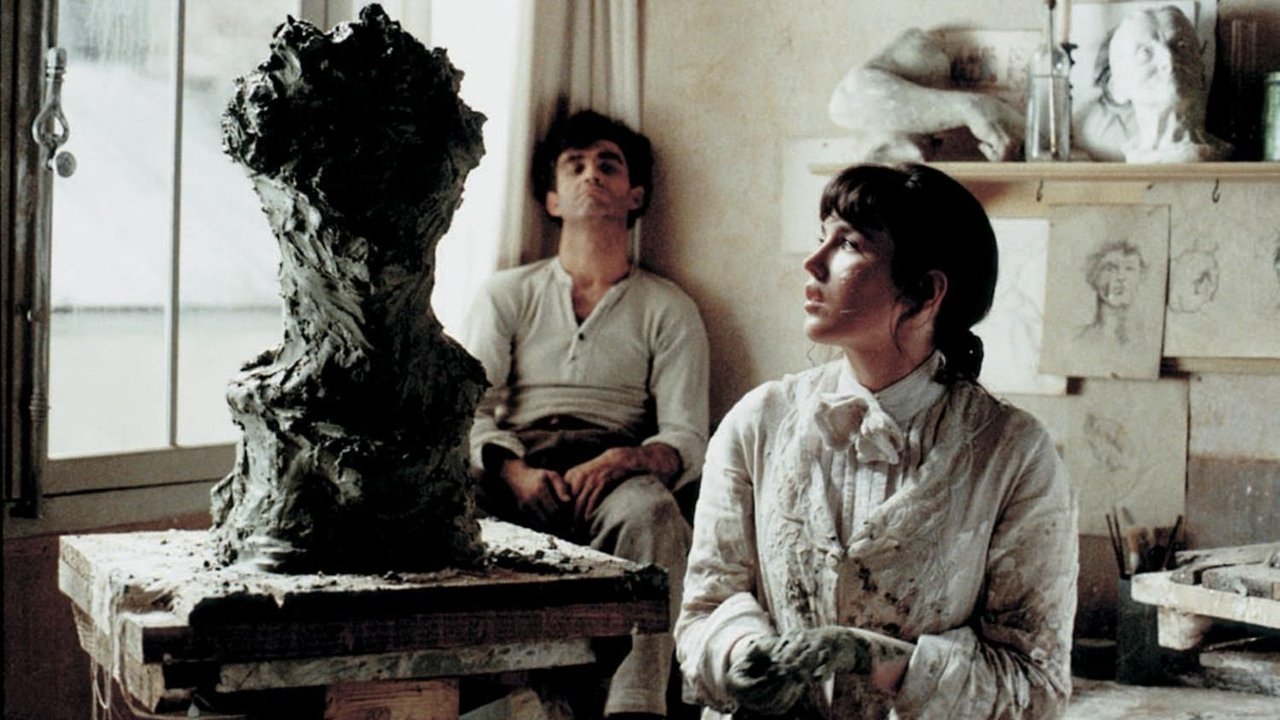
What strikes you immediately is how the film looks. Nuytten, making his directorial debut here, was already a celebrated cinematographer – lensing films like Manon des Sources (1986) – and it shows. His camera doesn't just observe; it participates. We feel the chill of the Parisian ateliers, the grit of clay under fingernails, the cold weight of marble yet unshaped. There's an intimacy to the way he captures the act of sculpting, focusing on hands, tools, the intense concentration etched on faces. It's a visceral experience, grounding the soaring emotions in tangible reality. This visual approach feels particularly potent remembering the film on VHS; the slightly softer resolution somehow amplified the textures, making the stone dust almost palpable through the screen.
A Fury Named Camille
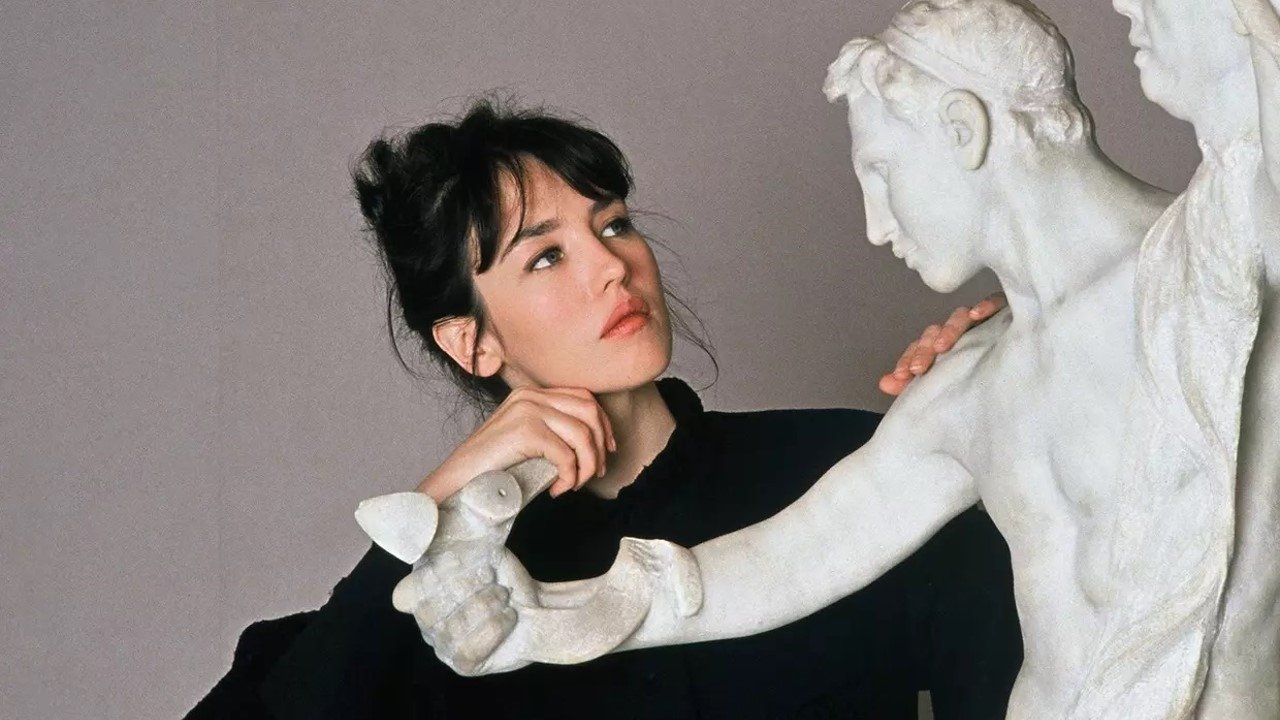
At the heart of this maelstrom is Isabelle Adjani as Camille Claudel. It’s less a performance and more an act of possession. Adjani, who famously championed the project and served as a co-producer, pours every ounce of her renowned intensity into the role. We see Camille’s fierce determination, her burgeoning talent blossoming under the tutelage (and shadow) of the great Auguste Rodin, and her incandescent passion – both for her art and for the man himself. But Adjani doesn't shy away from the harrowing descent, the paranoia fueled by artistic frustration, perceived betrayals, and the suffocating constraints placed upon a woman daring to compete in a man's world. Her eyes, wide and luminous, chart a course from defiant hope to a chilling, fractured isolation. It’s a portrayal raw with vulnerability and terrifying in its conviction, justly earning her an Oscar nomination and a César Award. Watching her, you understand this wasn't just another role; it felt like a mission for Adjani, stemming from her deep fascination with Claudel's tragic story long before the film was conceived.
Rodin: Master and Monument
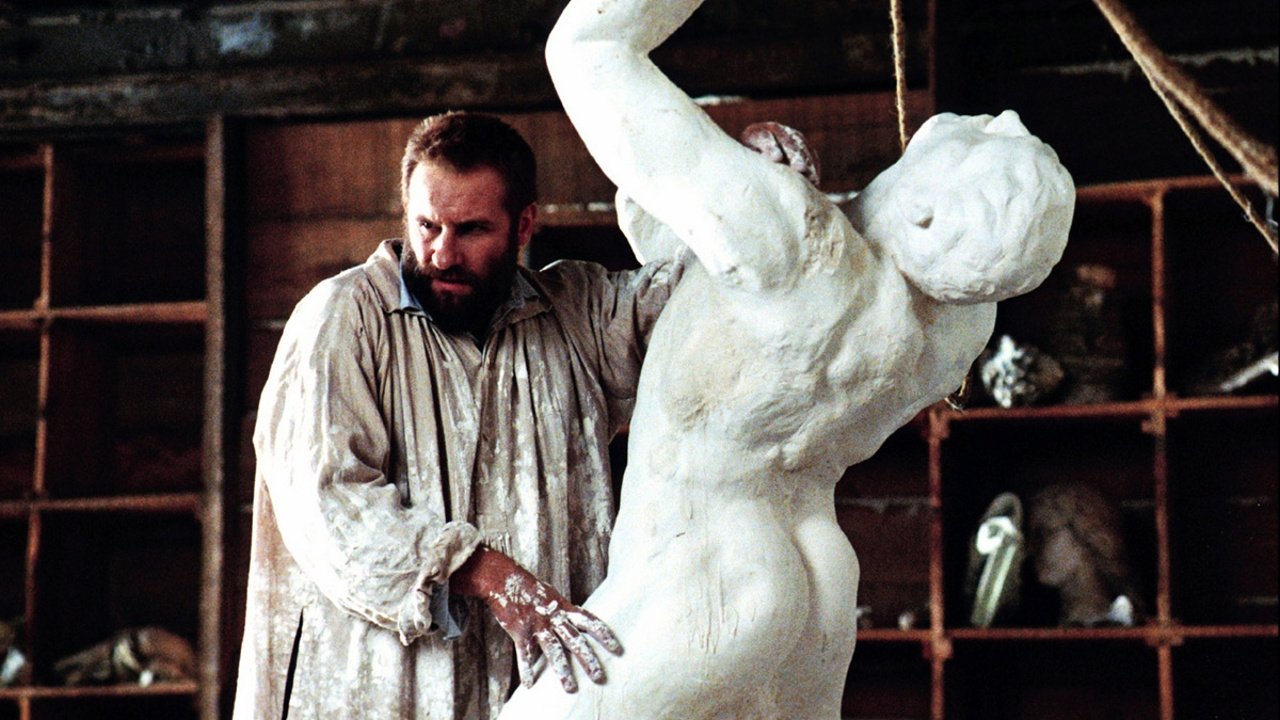
Opposite Adjani stands Gérard Depardieu as Auguste Rodin. Depardieu, already a titan of French cinema, embodies the established master – charismatic, powerful, undeniably brilliant, but also deeply flawed. His Rodin is captivated by Camille's talent and spirit, yet ultimately unwilling or unable to fully acknowledge her genius as equal to his own. He’s both mentor and lover, collaborator and rival. Depardieu brings a necessary weight and complexity to the role, preventing Rodin from becoming a simple villain. There’s a weariness in his portrayal, the burden of fame mixed with a patriarchal ego that cannot quite comprehend the storm he has unleashed in Camille. Their scenes together crackle with an energy that is simultaneously creative, erotic, and destructive. It’s a testament to both actors that this central relationship feels so utterly consuming and, ultimately, so devastatingly real.
Art, Love, and the Abyss
Based on the biography by Claudel's own grand-niece, Reine-Marie Paris, the film doesn't offer easy answers. It plunges into the messy complexities of the artistic temperament. Is madness the price of genius? Or was Camille's breakdown a consequence of professional frustration, heartbreak, and a society that confined women who dared to step outside prescribed roles? Nuytten, co-writing with Marilyn Goldin, explores these questions without judgment, allowing the tragedy to unfold with a sense of inevitability. The nearly three-hour runtime, a bold choice even then, allows space for these themes to breathe, immersing the viewer in Camille’s world, both the vibrant artistic circles and the eventual, crushing silence of the asylum where she spent her final decades.
The production itself was a significant undertaking for French cinema at the time, with a reported budget around $16 million USD, a substantial sum reflecting the ambition of the project. It paid off critically, sweeping the Césars (France's Oscars) with wins for Best Film, Best Actress, Best Cinematography, and more, solidifying its place as a major cinematic event. For many of us discovering European cinema through the local video store, Camille Claudel felt different – a profound, challenging drama nestled amongst the action and horror staples.
A Weight That Lingers
Camille Claudel isn't light viewing. It's an emotionally taxing journey that wrestles with profound questions about art, sacrifice, gender, and sanity. Adjani's performance is a towering achievement, a raw nerve exposed for the camera. Nuytten’s direction provides a visually rich and deeply empathetic framework for her story. While the pacing is deliberate, reflecting the slow burn of Camille's passion and subsequent decline, the film's emotional honesty and artistic integrity are undeniable. It’s a powerful reminder of a brilliant talent nearly erased by history and the societal forces that contributed to her tragic end.
Rating: 9/10
This score reflects the film's exceptional artistic merit, particularly Adjani's monumental performance and Nuytten's masterful direction. The film successfully immerses the viewer in Claudel's world, tackling complex themes with depth and sensitivity. While its length and emotional intensity might not be for everyone, its power and craftsmanship are undeniable. It's a haunting, essential biopic that earns its place among the great portraits of artistic struggle.
What lingers most is the quiet tragedy – not just of Camille's confinement, but of the sculptures unmade, the potential unrealized. It leaves you contemplating the true cost of creation, and the echoes of those silenced voices still waiting to be heard.