Okay, settle in, grab a brew – or maybe something stronger if you're feeling the Scottish chill – because we're pulling a slightly different kind of tape off the shelf today. Forget the explosions and high-speed chases for a moment. Remember occasionally reaching past the lurid action covers at the video store, perhaps prompted by a parent or a flicker of curiosity, and finding something... quieter? Something that promised history, maybe even stuffiness, but delivered an unexpected jolt of human truth? That’s the space Mrs. Brown (1997) occupies, a film that arrived with little fanfare but left a surprisingly deep impression.

### A Queen in Shadow, A Highlander's Light
The film opens not with grand pageantry, but with the oppressive weight of grief. Queen Victoria, played with staggering, almost unnerving conviction by Judi Dench, is adrift in widowhood following the death of Prince Albert. Her court walks on eggshells, the corridors of power hushed and draped in mourning. Into this suffocating stillness strides John Brown (Billy Connolly), a plain-speaking ghillie from Balmoral, summoned south in a desperate attempt by the royal household to coax the Queen back towards life. What unfolds is less a conventional romance and more a fascinating study in human connection across seemingly unbridgeable divides – class, custom, and crushing sorrow. It’s a premise that, on paper, might sound like dry historical fodder, but on screen, it becomes utterly compelling.
### The Power of Unvarnished Truth
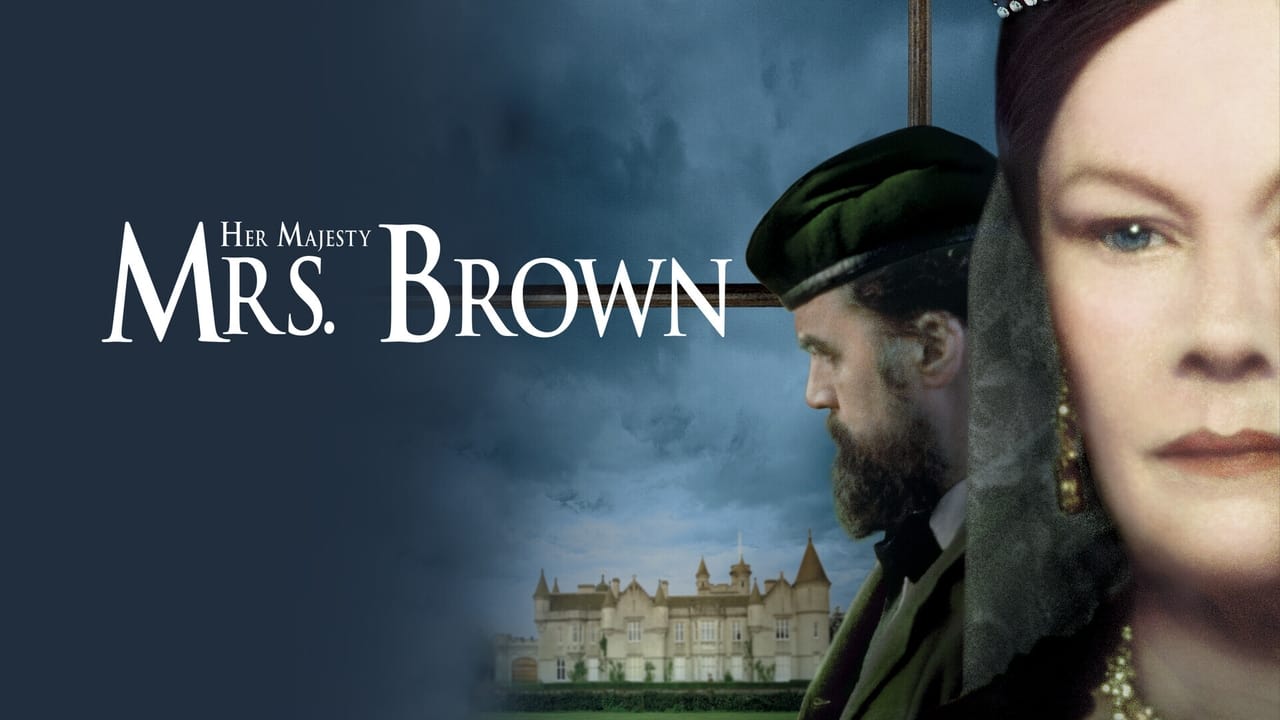
The absolute core of Mrs. Brown's enduring power lies in its two central performances. Judi Dench, who many international audiences perhaps knew better from her brief but impactful appearances as M in the Bond films starting with GoldenEye (1995), delivers a masterclass here. Her Victoria isn't just a figurehead; she's a woman hollowed out by loss, clinging to rigid formality as a shield. Dench conveys reservoirs of pain and vulnerability beneath the stern facade, often with just a glance or a tremor in her voice. It’s a performance of immense control and quiet devastation, one that rightly earned her an Academy Award nomination. I remember watching it back then and being struck by how real her grief felt, a stark contrast to the often heightened emotions of 90s cinema.
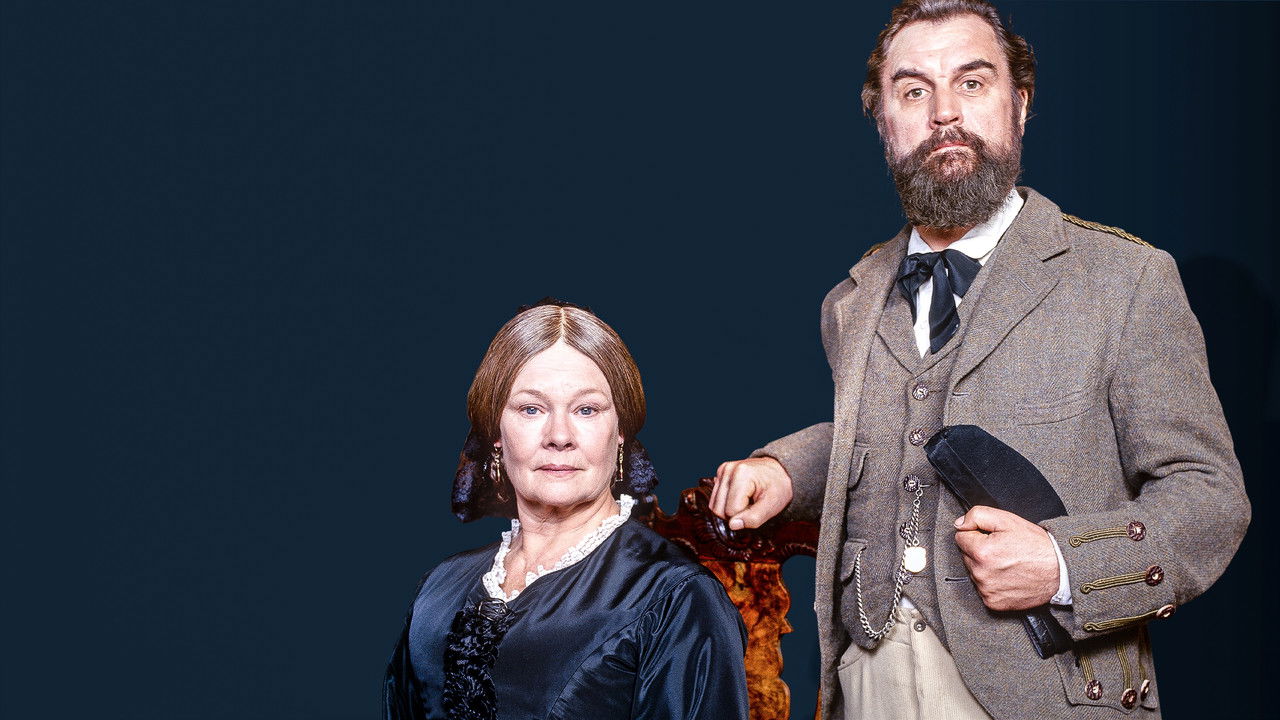
And then there's Billy Connolly. Known primarily, certainly to us kids of the 80s and 90s, as a whirlwind of Glaswegian comedy, his casting as the gruff, fiercely loyal John Brown felt like a curveball. Yet, it's inspired. Connolly doesn't shed his natural charisma, but channels it into Brown's earthy directness. He refuses to kowtow, addressing the Queen with a bluntness that scandalizes the court (personified brilliantly by the perpetually exasperated Geoffrey Palmer as Sir Henry Ponsonby and the calculating Antony Sher as Prime Minister Disraeli) but somehow pierces Victoria's isolation. His loyalty isn't fawning; it's fierce, protective, and utterly devoid of pretense. There’s a scene involving a pony ride that perfectly encapsulates their dynamic – his practical insistence, her tentative yielding. It's the chemistry between Dench's contained sorrow and Connolly's unvarnished vitality that ignites the film.
### From Small Screen Ambition to Cinematic Gem
It’s fascinating to remember that Mrs. Brown wasn't initially destined for the big screen. It began life as a television film co-produced by the BBC and WGBH Boston. However, the strength of the performances and the confident direction by John Madden (who would, off the back of this success, direct the Oscar-winning Shakespeare in Love the following year) propelled it into cinemas. This smaller-scale origin perhaps explains its intimate focus and lack of sweeping historical spectacle. The budget was modest (around $8 million), but Madden uses it effectively, focusing on character interaction and allowing the stark beauty of the Scottish Highlands and the opulent confinement of the royal residences to underscore the emotional landscape. The attention to period detail feels authentic, grounding the human drama without overwhelming it. There wasn't a reliance on grand CGI vistas here; the power came from the faces, the words, the loaded silences.
### More Than Just History
Watching Mrs. Brown again now, what resonates is its exploration of themes that feel timeless. It’s about the profound impact of grief and the difficulty of navigating loss, particularly under the suffocating weight of public duty. But it's also about the surprising places we find solace and understanding. The relationship between Victoria and Brown raises questions about intimacy, loyalty, and the rigid structures society imposes. Could such a connection, platonic or otherwise, truly breach the chasm of Victorian class? The film doesn't offer easy answers, letting the ambiguity linger, much like the whispered rumours that earned Victoria the scandalous nickname "Mrs. Brown." Doesn't that tension, the friction between personal need and public perception, still echo in different ways today?
This wasn't the kind of film you rented for explosive action or easy laughs. It was the sort of tape you might have picked up hoping for solid drama and discovered something richer, more nuanced. It demanded patience, rewarding it with performances that burrowed under your skin and a story that lingered long after the VCR clicked off.
Rating: 8/10
Justification: While perhaps not a typical high-octane "VHS Heaven" staple, Mrs. Brown earns its high rating through the sheer force of its central performances, particularly Judi Dench's definitive portrayal. Billy Connolly's casting against type is a triumph, and John Madden's sensitive direction creates a compelling, intimate historical drama that transcends its potentially dry subject matter. Its journey from TV movie to acclaimed theatrical release speaks volumes about its quality. It loses a couple of points perhaps for a pacing that might test those solely seeking thrills, but its emotional depth and superb acting make it a standout 90s drama.
Final Thought: Mrs. Brown is a potent reminder that sometimes the most powerful stories aren't shouted, but whispered, revealed in the quiet spaces between protocol and the human heart – a true gem hiding on that video store shelf.