There's a certain weight to some memories, isn't there? Not heavy, exactly, but substantial. Like holding a well-loved book or, yes, the satisfying heft of a double-tape VHS clamshell case. Sydney Pollack's Out of Africa (1985) feels like that kind of memory – expansive, beautifully rendered, and imbued with a profound sense of longing. It wasn't the typical adrenaline rush many of us sought at the video store on a Friday night, nestled between action flicks and sci-fi adventures. Instead, it offered something else: a slow immersion into a specific time, place, and a complex human heart.
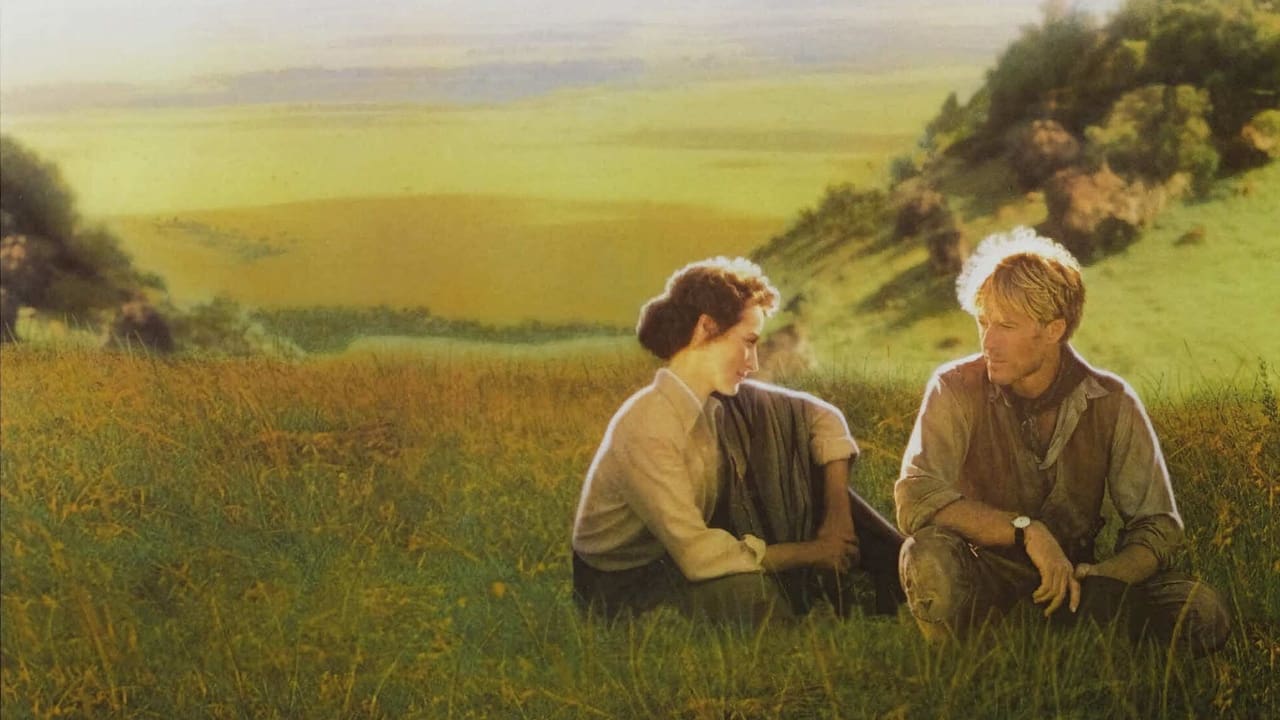
Based on the memoirs of Karen Blixen (writing under the pseudonym Isak Dinesen), the film invites us into early 20th-century Kenya, seen through the eyes of a Danish baroness seeking purpose and perhaps, escape. What unfolds is less a conventional plot and more a tapestry woven from experiences: a marriage of convenience to the charmingly unreliable Baron Bror von Blixen-Finecke (Klaus Maria Brandauer, radiating a complicated charisma), the daunting task of running a coffee plantation, and the magnetic pull towards the enigmatic hunter and adventurer, Denys Finch Hatton (Robert Redford).
A Landscape That Breathes
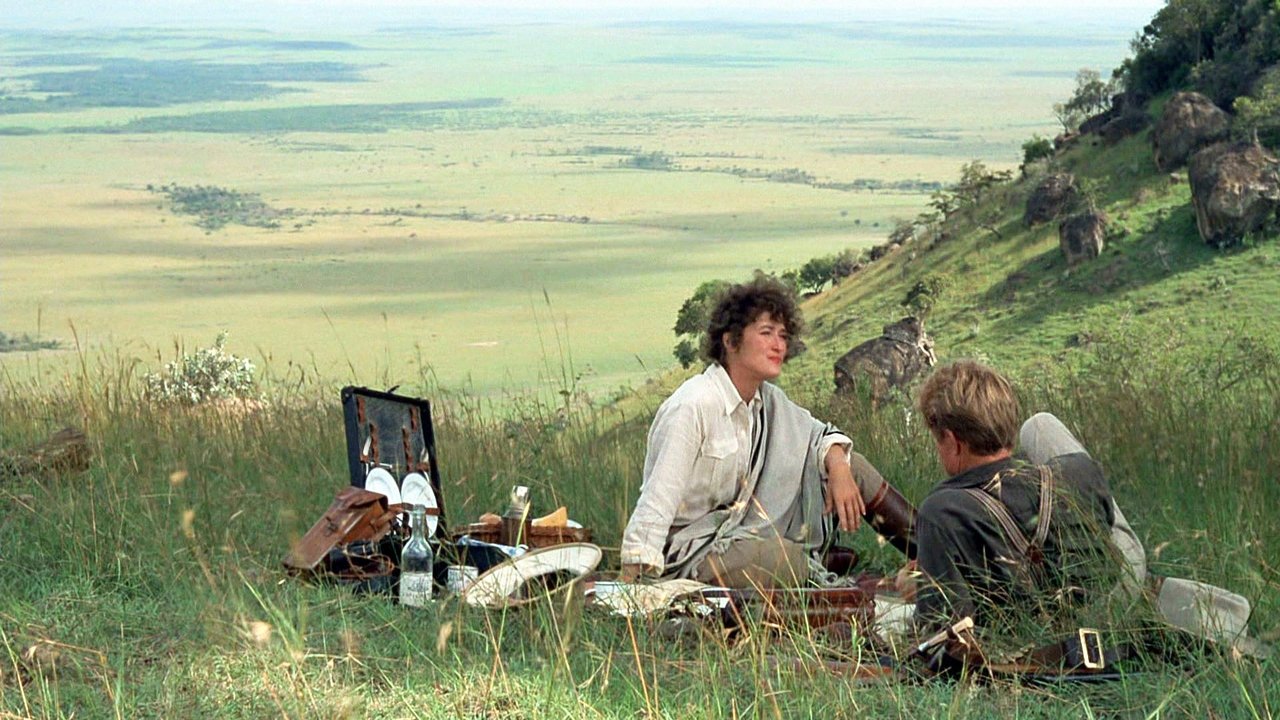
More than just a backdrop, the Kenyan landscape is a character here. Director Sydney Pollack (who gave us thrillers like Three Days of the Condor and later the sharp comedy Tootsie) uses the vast plains, the rolling hills, and the incredible wildlife not merely for spectacle, but to reflect the internal landscape of Karen Blixen, played with astonishing depth by Meryl Streep. The cinematography by David Watkin (who deservedly won an Oscar) is simply breathtaking. Watching this on VHS, even on a fuzzy CRT, you felt the scale. You could almost smell the rain-soaked earth, feel the heat rising from the savanna. It was transportive in a way few films manage. Pollack often allows the camera to linger, letting moments breathe, mirroring the unhurried pace of life Blixen gradually adopts. This patient approach allows the film's emotional power to build organically, culminating in moments of quiet devastation and soaring beauty. And let's not forget John Barry's score – instantly iconic, sweeping, and melancholic, it became synonymous with epic romance and is arguably one of the greatest film scores of the decade.
Echoes of Independence
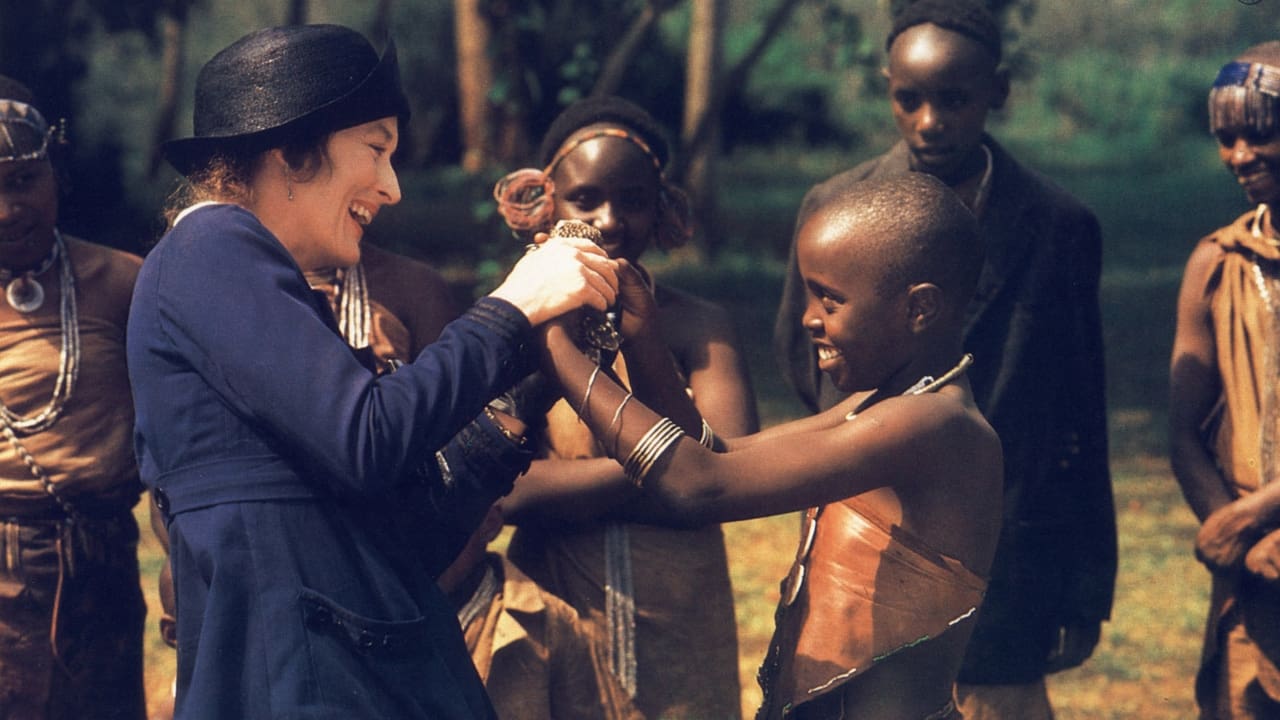
At its heart, Out of Africa is about Karen's journey towards independence, mirrored by the land she comes to love. Streep embodies this transformation with incredible nuance. We see her initial naivety give way to resilience, her European sensibilities adapting to the rhythms of Africa. Her command of Blixen's unique Danish-inflected English accent was, even then, a hallmark of her meticulous craft – though getting it just right reportedly involved listening to recordings of Blixen herself. She fights for her farm, earns the respect (and sometimes challenges the traditions) of the Kikuyu people working there, and navigates complex relationships with a fierce intelligence and vulnerability. It’s a performance that anchors the film's sprawling narrative, making Karen's joys and heartbreaks intensely relatable.
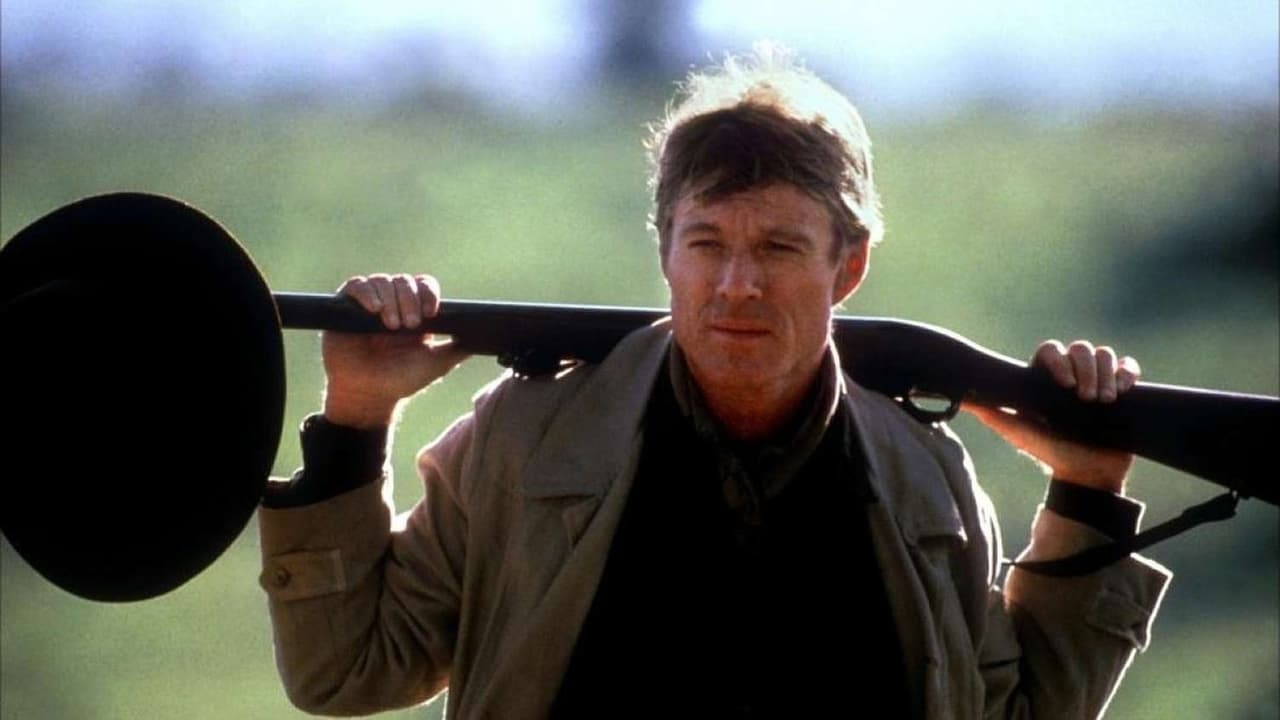
The casting of Robert Redford as the free-spirited Denys Finch Hatton was apparently a point Sydney Pollack had to fight for; the studio reportedly wanted a British actor. While Redford perhaps lacks the specific English aristocratic air Blixen described in her writings, he brings his undeniable star power and a quiet intensity that works. His Finch Hatton is captivating precisely because he remains slightly unknowable, a man deeply connected to the wildness of Africa, embodying the freedom Karen both admires and finds frustrating. Their relationship is the film's emotional core – a love story defined by mutual respect but also by fundamentally different desires for connection and commitment. One of the most famous scenes, the simple act of Denys washing Karen's hair by the river, speaks volumes about their intimacy, achieved with minimal dialogue and maximum atmosphere.
The Weight of Authenticity (and Awards)
Bringing Blixen's world to life was a monumental undertaking. Filming extensively on location in Kenya presented immense logistical challenges – from wrangling unpredictable wildlife (real lions were used, albeit trained ones!) to recreating early 20th-century Nairobi. The production cost roughly $28 million, a significant sum in the mid-80s, but the investment paid off both critically and commercially. The film became a global phenomenon, grossing over $227 million worldwide and sweeping the Academy Awards with seven wins, including Best Picture, Best Director for Pollack, Best Adapted Screenplay for Kurt Luedtke, Best Cinematography, and Best Score. It cemented its place as a prestige picture, the kind you perhaps rented when you wanted something 'important' to watch.
Yet, for all its grandeur and accolades, the film retains an intimate, almost elegiac quality. It’s a story steeped in loss – the loss of love, the loss of a way of life, the eventual loss of Africa itself for Karen. Brandauer's portrayal of Bror is crucial here; he's not simply a villain, but a flawed man whose actions have profound consequences, adding another layer of complexity to Karen's journey.
Reflection in the Rearview Mirror
Does Out of Africa hold up? Absolutely. Its deliberate pacing might test the patience of some viewers accustomed to modern editing rhythms, but it’s precisely this unhurried quality that allows its beauty and emotional depth to resonate. It’s a film that asks us to consider what it means to belong, the price of independence, and the indelible mark a place and its people can leave on one's soul. Watching it again evokes that feeling of settling in for something significant, a journey rather than just a movie. It requires attention, but the rewards – the stunning visuals, the powerful performances, the lingering sense of bittersweet memory – are immense. It’s a testament to a time when epic storytelling could be both grand and deeply personal.

Rating: 9/10
Justification: While its length and pace might feel slightly indulgent by today's standards, Out of Africa remains a towering achievement in epic filmmaking. Streep's central performance is masterful, the cinematography and score are all-time greats, and Pollack balances the sweeping scale with intimate human drama beautifully. It captures a specific mood and feeling – nostalgic, romantic, melancholic – with profound effectiveness. The sheer craft on display, bringing this historical period and Blixen's world so vividly to life, earns it a near-perfect score.
Final Thought: It leaves you with the scent of woodsmoke on the evening air and the haunting echo of a love affair with both a person and a continent – a grand, bittersweet ache that lingers long after the credits roll.