The air in the Yildiz Palace hangs thick, heavy with perfume, secrets, and the palpable weight of a dying empire. It's the turn of the 20th century, and within the ornate, suffocating walls of Sultan Abdülhamid II's harem, a world of intricate power plays, whispered desires, and carefully constructed facades unfolds. This is the setting for Ferzan Özpetek's 1999 drama Harem Suare (released in some territories, likely including the video store shelves many of us haunted, as Last Harem), a film that feels less like a grand historical epic and more like an intimate, melancholic chamber piece set against a backdrop of fading grandeur.

Inside the Gilded Cage
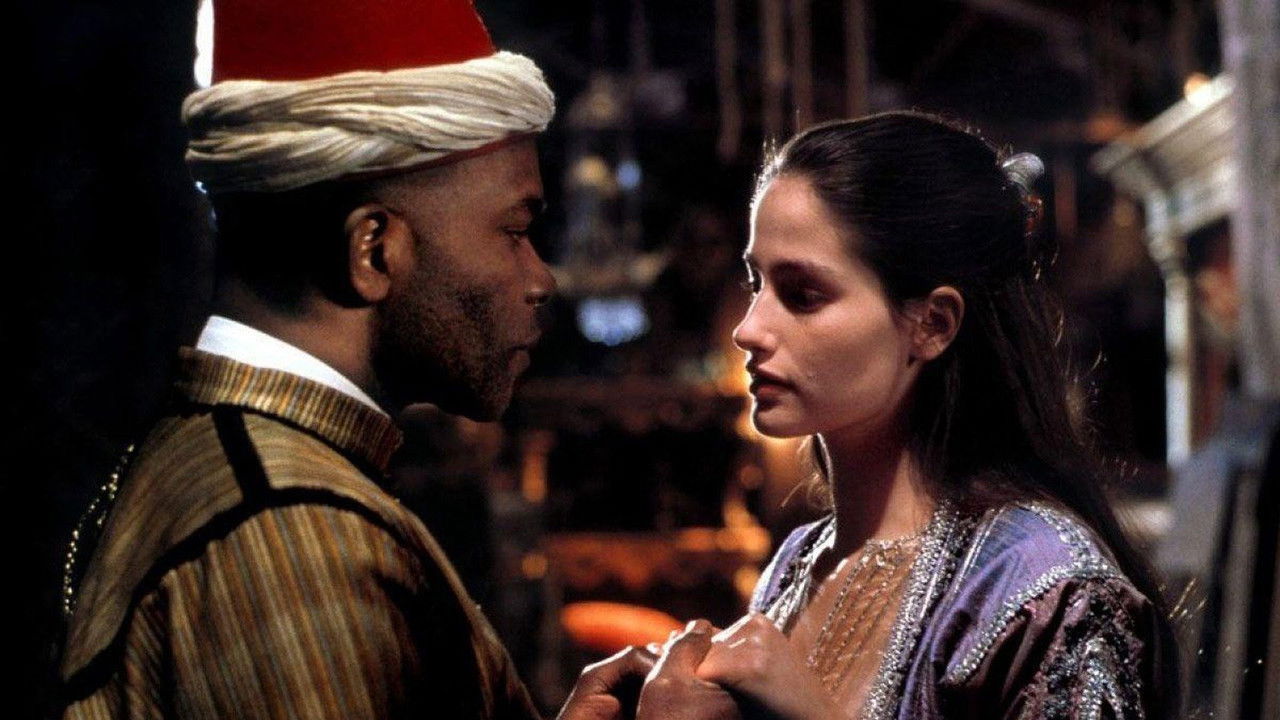
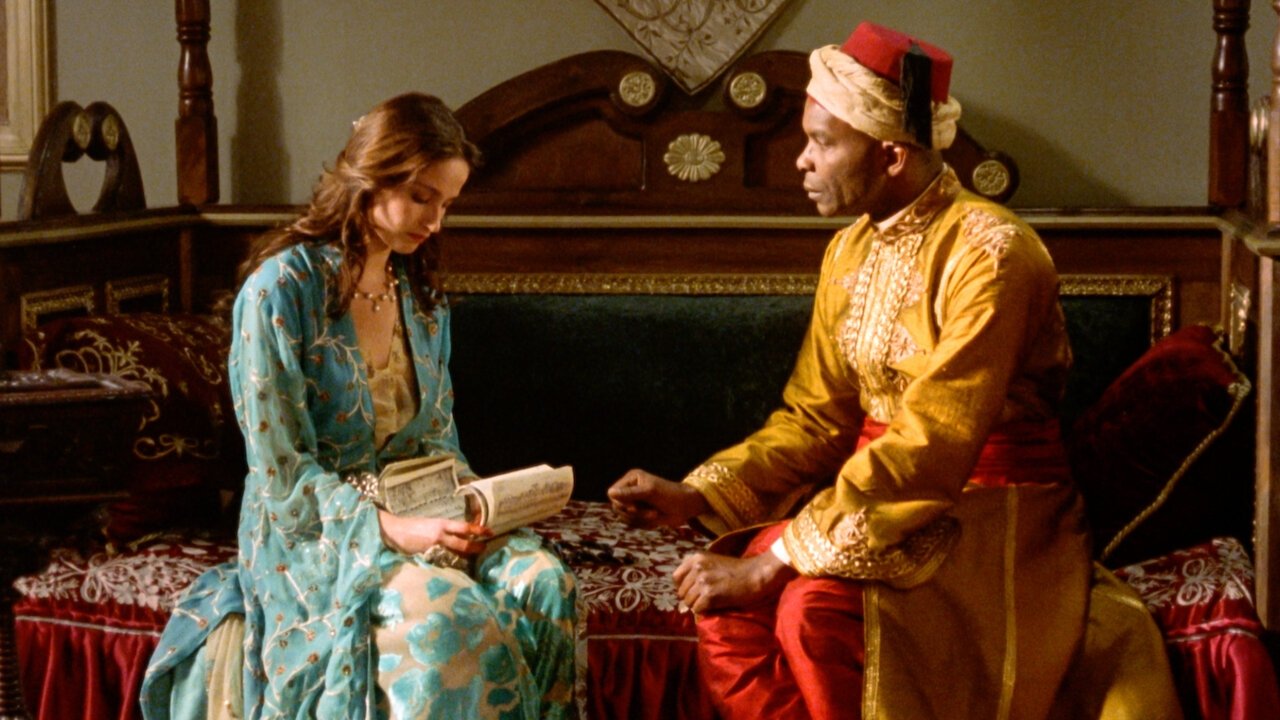
We experience this claustrophobic world primarily through the eyes of Safiye (Marie Gillain), a young Italian woman sold into the Sultan's harem. Initially naive but fiercely ambitious, she quickly learns the complex rules of survival and advancement. Her goal isn't just comfort, but influence, culminating in a desire to bear the Sultan a child and secure her position. Central to her plans, and indeed to the functioning of the harem itself, is Nadir (Alex Descas), the Chief Black Eunuch. He is a figure of immense, albeit complicated, authority – confidante, gatekeeper, and manipulator, bound by loyalty yet possessing his own hidden depths and motivations. Their relationship, a delicate dance of dependency, strategy, and unspoken emotions, forms the film's core.
What immediately sets Harem Suare apart is its perspective. Co-written and directed by Ferzan Özpetek, a Turkish-Italian filmmaker known for later works like Facing Windows (2003) and Loose Cannons (2010), the film approaches its subject with a nuance often missing from Western depictions of the harem. There's a distinct lack of sensationalism; instead, Özpetek focuses on the internal politics, the emotional undercurrents, and the humanity within this highly ritualized environment. It feels personal, and perhaps that’s because, according to Özpetek himself, his own grandfather served the last Sultan, providing a familial link, however distant, to this vanishing world. This connection imbues the film with a sense of lived-in detail, even amidst the undeniable drama.
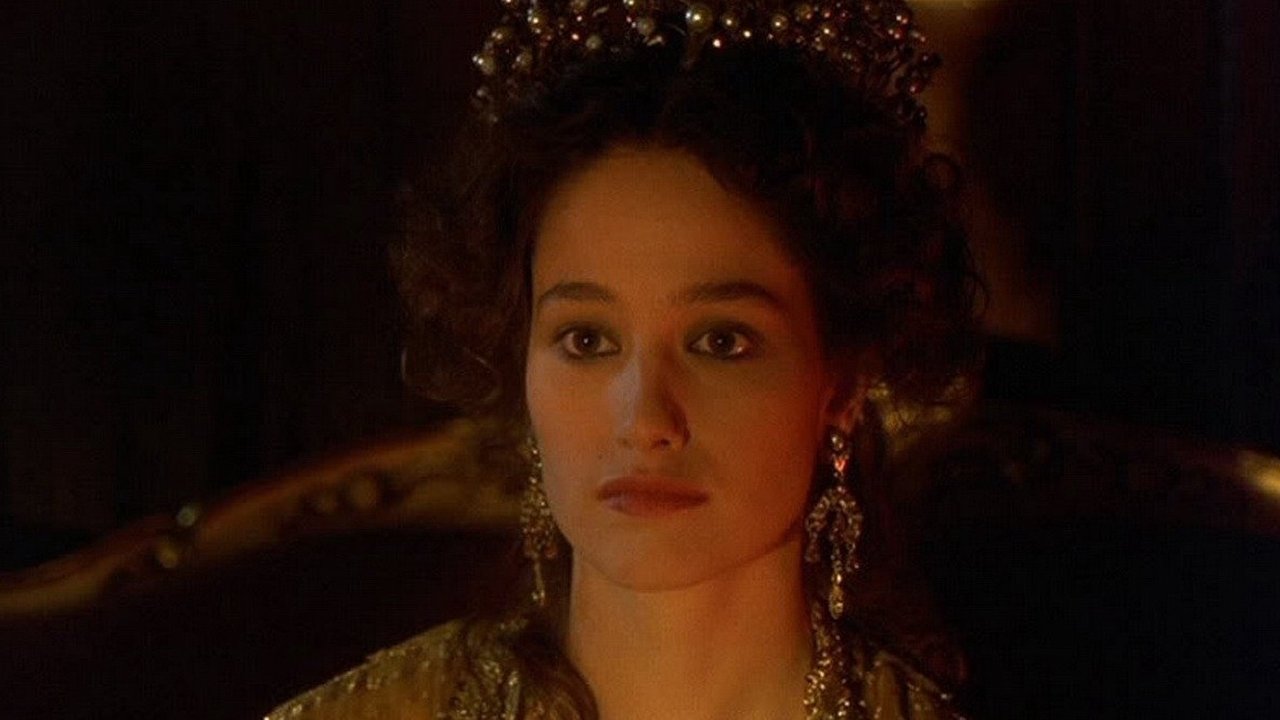
Whispers and Shadows: Performances that Resonate
The film rests heavily on the shoulders of its leads, and they deliver with remarkable subtlety. Marie Gillain is captivating as Safiye. She charts the character's transformation convincingly, from wide-eyed vulnerability to calculated determination. We see the flicker of ambition ignite in her eyes, the hardening of her resolve as she navigates treacherous alliances and betrayals. It's a performance that avoids easy categorization; Safiye is neither pure victim nor simple villain, but a complex individual striving for agency within extreme limitations. Doesn't her journey raise questions about the lengths one might go to for power, even when that power is confined within golden bars?
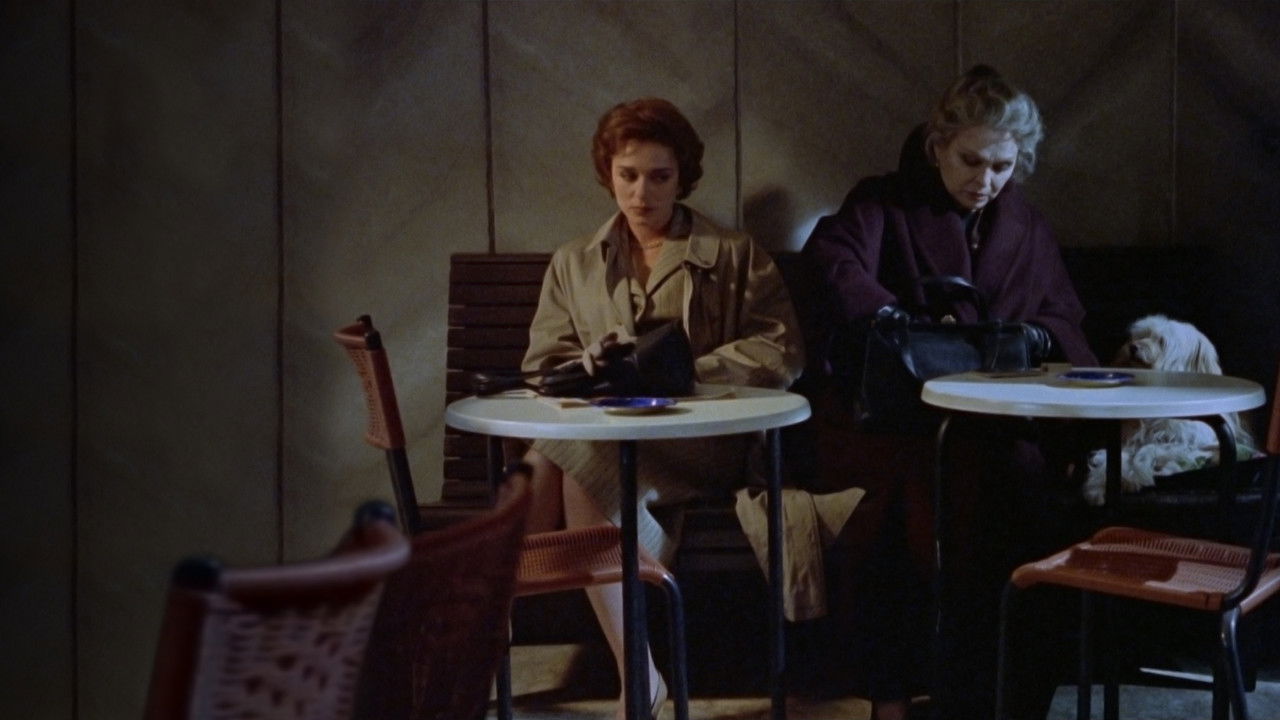
Equally compelling is Alex Descas as Nadir. His performance is a masterclass in controlled stillness. Nadir holds immense power within the harem's hierarchy, yet he remains an outsider, his authority derived from his position, not inherent freedom. Descas conveys volumes through subtle shifts in expression, a carefully measured gaze, or the precise economy of his movements. The complex bond between Nadir and Safiye, fraught with unspoken tensions and a strange, poignant intimacy, is rendered beautifully by both actors. Adding another layer is the presence of Italian screen legend Lucia Bosé as the elder Safiye, whose narration frames the story, lending it a wistful, reflective quality.
A Turkish-Italian Tapestry
Shot partially in Istanbul and utilizing the famed Cinecittà studios in Rome, Harem Suare boasts impressive production design. The opulence of the palace interiors feels authentic, yet there's an underlying sense of decay, mirroring the decline of the Ottoman Empire itself. The cinematography often emphasizes shadows and enclosed spaces, reinforcing the feeling of confinement and intrigue. This wasn't your typical late-90s blockbuster rental; finding a gem like Harem Suare on the VHS shelf, perhaps nestled in the "Foreign Films" or "Drama" section, felt like unearthing something special – a visually rich, thoughtfully crafted European co-production (Turkey, Italy, France) that offered a different kind of cinematic experience. Premiering in the Un Certain Regard section at the 1999 Cannes Film Festival certainly signaled its artistic ambitions.
The film isn't without its challenges for some viewers. Its pace is deliberate, favouring atmosphere and character study over overt action. The narrative unfolds through observation and implication rather than explicit exposition. It requires patience, inviting the viewer to sink into its world and piece together the intricate relationships and motivations. But for those willing to engage, the reward is a deeply atmospheric and emotionally resonant film that lingers long after the credits roll. It avoids Orientalist clichés, offering instead a more human, albeit melancholic, portrait of lives lived within extraordinary circumstances.
Rating: 8/10
Harem Suare (or Last Harem, as many of us might remember it) stands as a compelling and beautifully realised historical drama from the tail end of the VHS era. Its strength lies in its atmospheric depth, Özpetek's sensitive direction informed by personal connection, and particularly the nuanced performances from Marie Gillain and Alex Descas. It successfully transports the viewer to a specific time and place, not through spectacle, but through quiet observation and emotional truth. The 8 rating reflects a film that achieves its artistic goals with grace and intelligence, offering a mature, thought-provoking alternative to more bombastic historical fare.
What endures most is the film's pervasive sense of melancholy – the quiet tragedy of lives constrained by circumstance, playing out against the inevitable twilight of an empire. It's a poignant reminder of the intricate human dramas hidden behind history's grand narratives.