Okay, pull up a metaphorical beanbag chair, maybe grab a slightly dusty can of something caffeinated from the back of the fridge. Let's talk about a film that landed right at the cusp of the new millennium, feeling perhaps like the grand, slightly melancholic encore to the lavish historical dramas we sometimes binged on tape in the 90s: Roland Joffé's Vatel (2000). It’s one of those films that feels both magnificent and strangely intimate, a portrait etched in candlelight and crushing expectation.
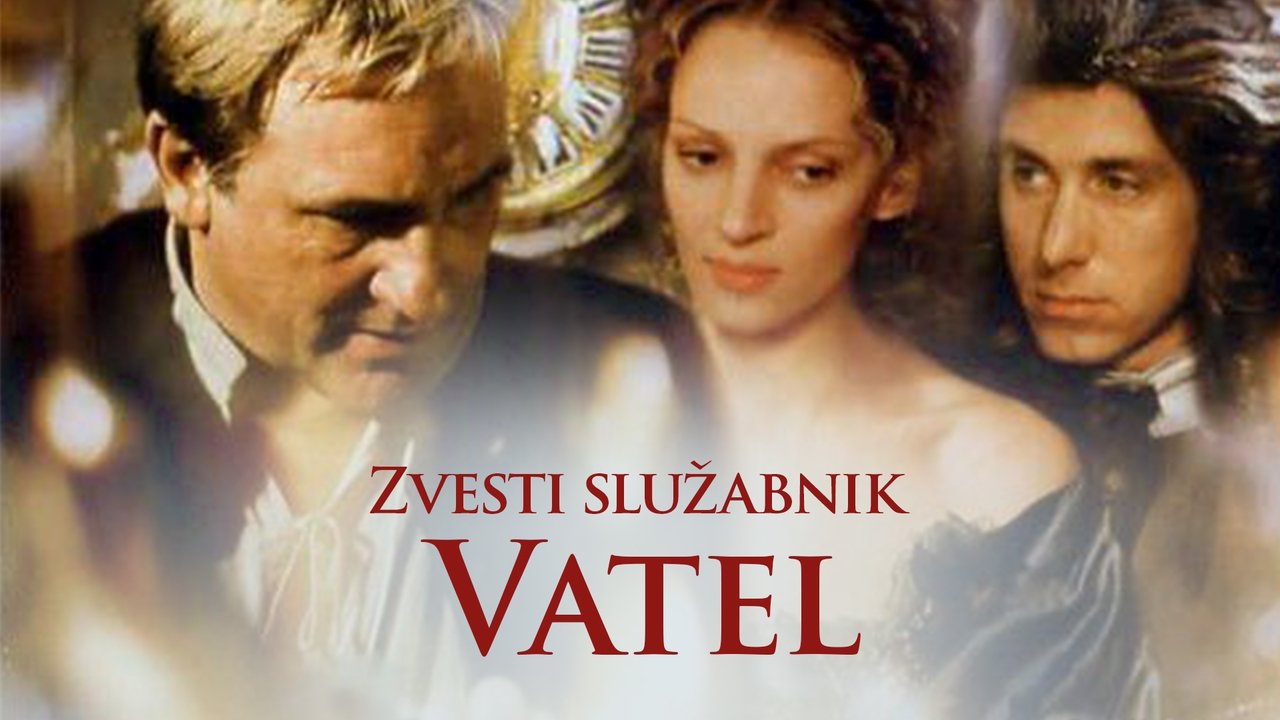
Remember those sweeping epics? Vatel fits right in, yet carries a particular weight. It doesn't open with a battle or a coronation, but with the almost unbearable tension of preparation. We're dropped into the Château de Chantilly in 1671, where the Prince de Condé (Julian Glover) is betting his entire future on a three-day visit from King Louis XIV (Julian Sands). The man tasked with orchestrating a spectacle grand enough to save his master from ruin? François Vatel (Gérard Depardieu), the Steward, a culinary artist burdened by the weight of logistics, politics, and the capricious demands of nobility.
A Symphony of Stress and Splendor
Right away, the film establishes its core conflict not as swords and shields, but as soufflés and seating charts. Roland Joffé, no stranger to historical weight after The Mission (1986) and The Killing Fields (1984), crafts a world of breathtaking opulence. You can almost smell the roasting meats and the expensive perfume. The sheer scale is impressive; filmed at the actual Château de Chantilly, where the real Vatel served, the production reportedly carried a hefty $33 million price tag – a significant sum for a European production at the time. The effort shows. The costumes, the sets, the meticulously recreated feasts – it’s a visual banquet that earned the film an Academy Award nomination for Best Art Direction. It’s the kind of dedicated practical craft that feels increasingly rare, something we cherished in the pre-digital age.
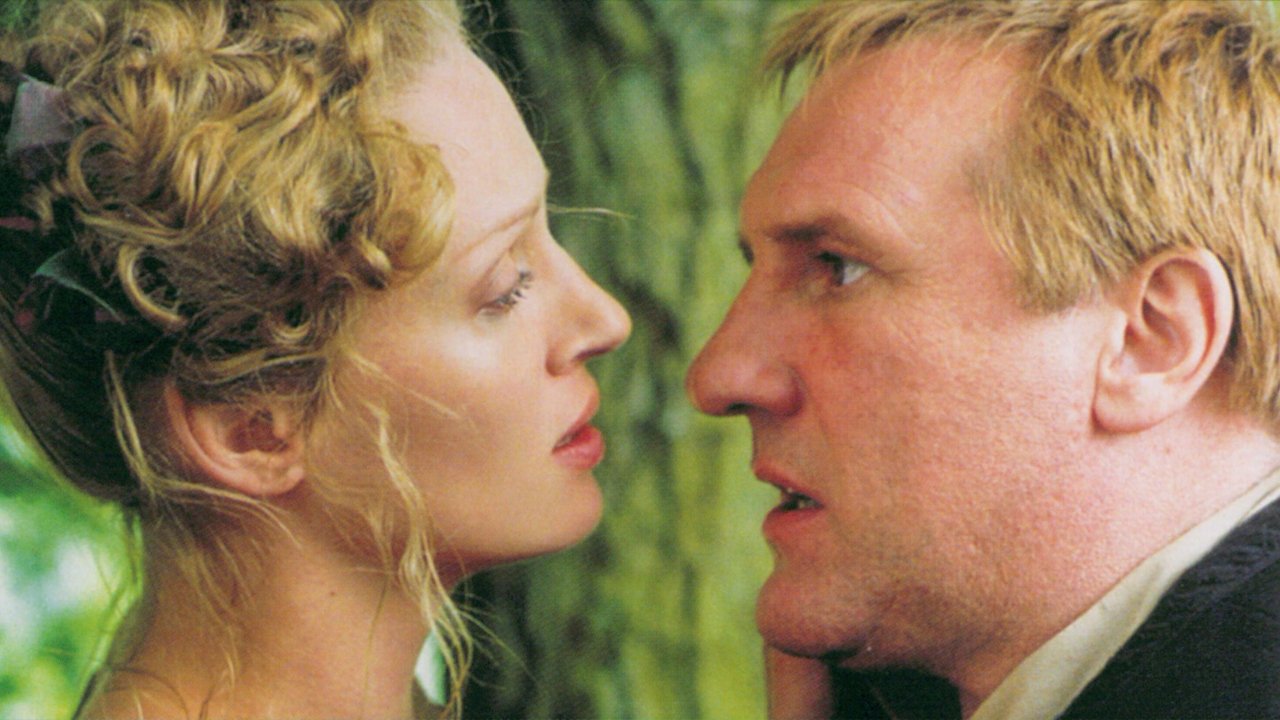
But beneath the glittering surface, Joffé cultivates an atmosphere thick with anxiety. Every frantic kitchen scene, every urgent whispered conversation, reminds us that this isn't just a party; it's a high-wire act with potentially fatal consequences for Condé and, perhaps more profoundly, for Vatel's own sense of integrity. The camera often lingers on faces, capturing the flicker of ambition, desperation, or disdain that belies the polite smiles.
The Weight of Genius
At the heart of it all stands Gérard Depardieu. Vatel isn't just a caterer; he's presented as a maestro, an artist whose medium happens to be food, fireworks, and flawless hospitality. Depardieu embodies him with a profound weariness, a quiet dignity constantly strained by the immense pressure. His Vatel is a man of deep loyalty and artistic pride, trapped in a system that views him as merely a functionary, albeit a highly skilled one. You see the calculations behind his eyes, the flicker of pain when his creations are dismissed or his staff mistreated, the simmering resentment at being essentially owned by his aristocratic master. It’s a performance less about grand pronouncements and more about the crushing weight carried in his posture, the exhaustion in his gaze. He makes Vatel’s internal struggle palpable – the clash between his dedication to his craft and the dehumanizing demands placed upon him. It's a grounding performance amidst the potentially overwhelming spectacle.
Courtly Games and Fleeting Connections
The supporting cast orbits Vatel's intense focus. Uma Thurman, fresh off her Pulp Fiction (1994) resurgence and lending significant Hollywood star power, plays Anne de Montausier, a lady-in-waiting who catches the King's eye but finds herself drawn to Vatel's quiet integrity. Their connection provides a thread of warmth and potential escape, though it feels perhaps a touch underdeveloped amidst the larger drama. Does it fully convince? Maybe not entirely, but Thurman brings a necessary grace and humanity to the gilded cage of court life. Then there’s Tim Roth, known for his edgy intensity in films like Reservoir Dogs (1992), here almost gleefully portraying the sly, opportunistic Marquis de Lauzun. Roth seems to relish playing against type, embodying the cynical maneuvering and casual cruelty of the aristocracy that Vatel finds so suffocating.
The script, co-written by the brilliant Tom Stoppard (of Rosencrantz & Guildenstern Are Dead and later Shakespeare in Love (1998) fame), subtly weaves themes of art versus commerce, honor, and the crushing nature of absolute power. Vatel's meticulous planning is constantly undermined by the whims of the powerful. A delayed fish delivery, a sudden change in the King's schedule – these aren't mere inconveniences; they are existential threats to his carefully constructed world and, ultimately, his sense of self. What is the value of perfection when it serves masters who barely recognize the soul poured into it?
A Feast Fading at Dawn
Vatel arrived just as DVDs were becoming the dominant format, perhaps causing it to be somewhat overlooked. It didn't quite explode at the box office despite its pedigree and visual richness. Watching it now, it feels like a poignant farewell to a certain kind of historical filmmaking – grand, detailed, reliant on performance and tangible craft over digital wizardry. It’s a film that asks us to consider the cost of creating beauty, the pressure of expectation, and the point at which dedication curdles into obsession or despair.
Is it a perfect film? Perhaps not. The pacing can feel stately, occasionally bordering on slow, and some of the courtly intrigue might feel less compelling than Vatel’s personal drama. But its strengths are considerable: the visual artistry is undeniable, Depardieu's central performance is deeply affecting, and the tragic core of the story resonates with a quiet power.
Rating: 7/10
This rating reflects the film's stunning visual achievements, Depardieu's masterful portrayal of burdened genius, and its thoughtful exploration of artistry under pressure. It’s docked slightly for pacing that sometimes lags and a romantic subplot that doesn't quite achieve the depth of the central tragedy. Still, Vatel offers a rich, immersive experience that feels both historically distant and emotionally relevant.
It leaves you contemplating the ephemeral nature of even the grandest spectacles, and the enduring weight of a single man's principles against the indifference of power. What remains when the feast is over and the guests have departed? For Vatel, and for the viewer, it’s a question that lingers long after the credits roll.