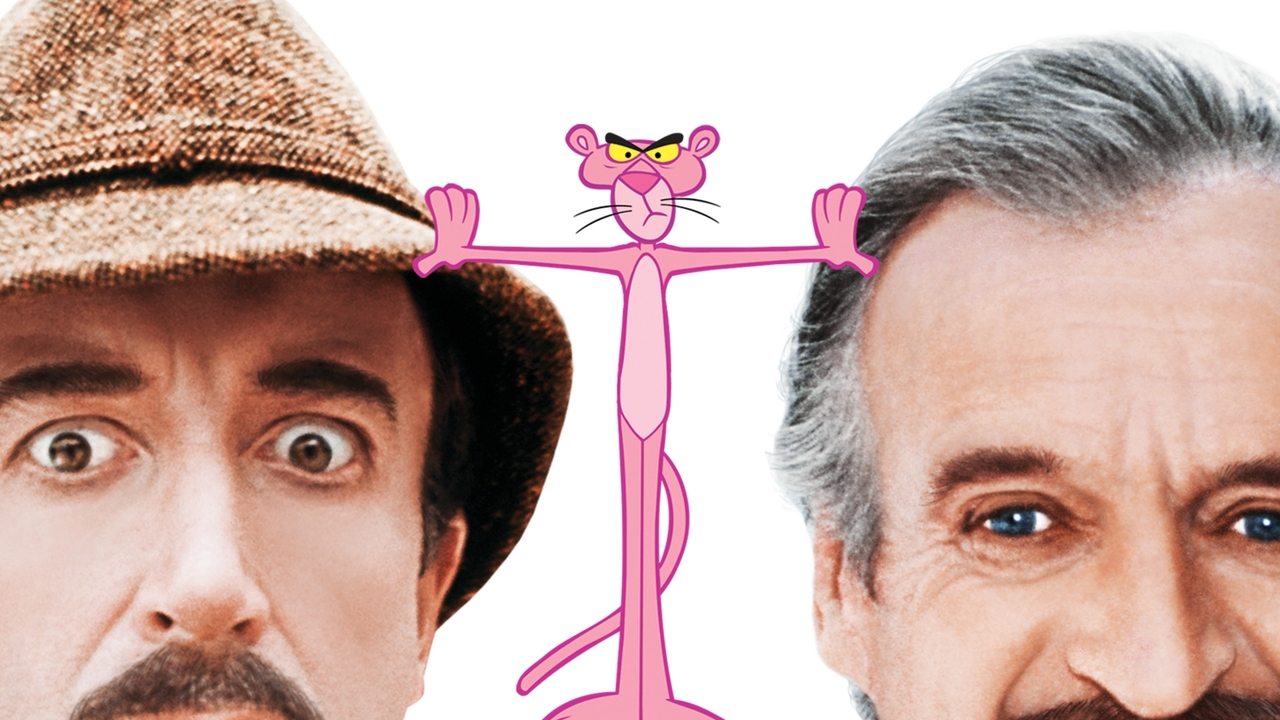
Alright fellow tapeheads, dim the lights, maybe adjust the tracking just so, and let's talk about a truly peculiar entry in the annals of VHS history: Trail of the Pink Panther, released in 1982. Finding this box on the rental shelf back in the day often came with a moment of genuine confusion. Wasn't the great Peter Sellers… gone? He had indeed passed away in 1980, making this film less a sequel and more a cinematic séance, a Frankenstein's monster stitched together from the cutting room floor. It’s an oddity, a tribute, and frankly, a bit of a cash-grab, all rolled into one tape.
### A Ghost in the Machine
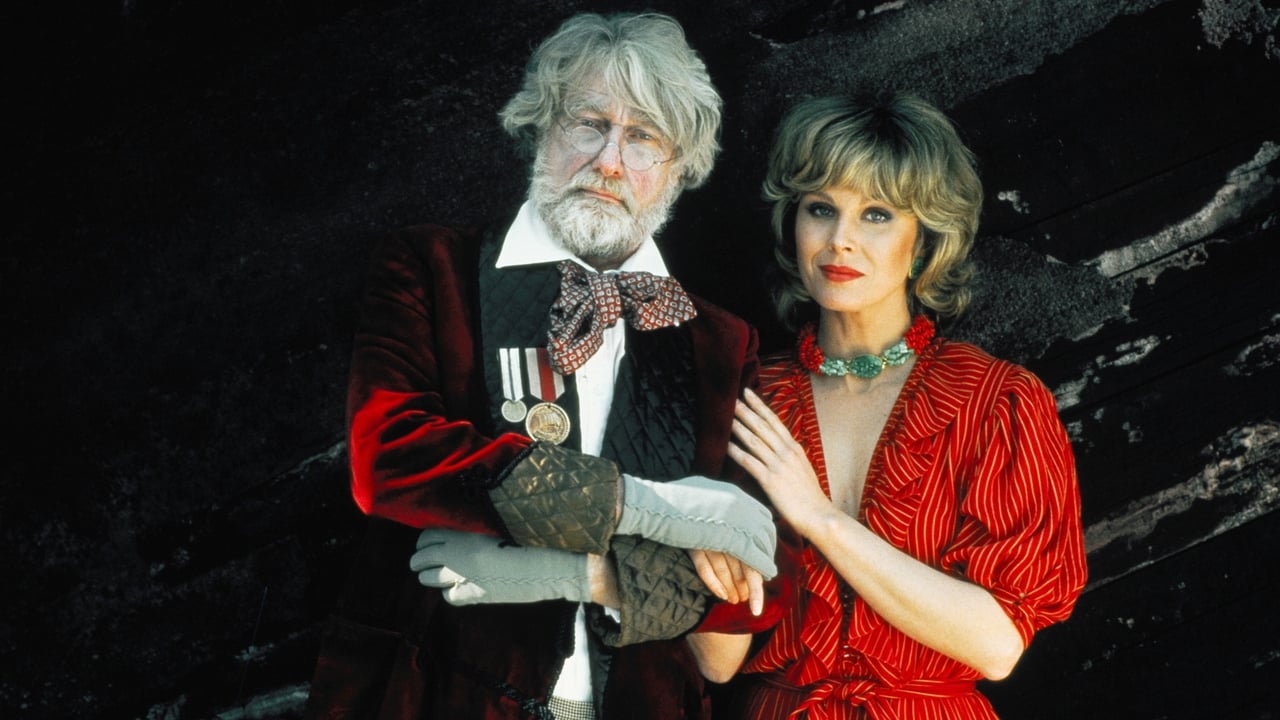
The premise itself feels engineered around the available material. Inspector Clouseau vanishes while tracking the stolen Pink Panther diamond (again). French television reporter Marie Jouvet (played by Joanna Lumley, post-New Avengers but pre-Absolutely Fabulous) investigates his disappearance, interviewing characters from his past. This structure allows director Blake Edwards, who co-wrote with Frank Waldman, Tom Waldman, and Geoffrey Edwards (his son), to cleverly (or perhaps cynically) recycle deleted scenes and alternate takes, primarily from 1976's The Pink Panther Strikes Again.
Seeing Sellers back on screen as Clouseau is undeniably bittersweet. The flashes of comedic brilliance are still there – the physical comedy, the mangled pronunciations, the sheer oblivious confidence that made the character iconic. These moments, rescued from the archives, remind you just how irreplaceable he was. One story goes that Edwards had around 30 minutes of unused Sellers footage from Strikes Again and felt compelled to use it. It’s a testament to Sellers' genius that even his outtakes are funnier than many comedians' entire acts.
### Mining the Vault for Clouseau Gold
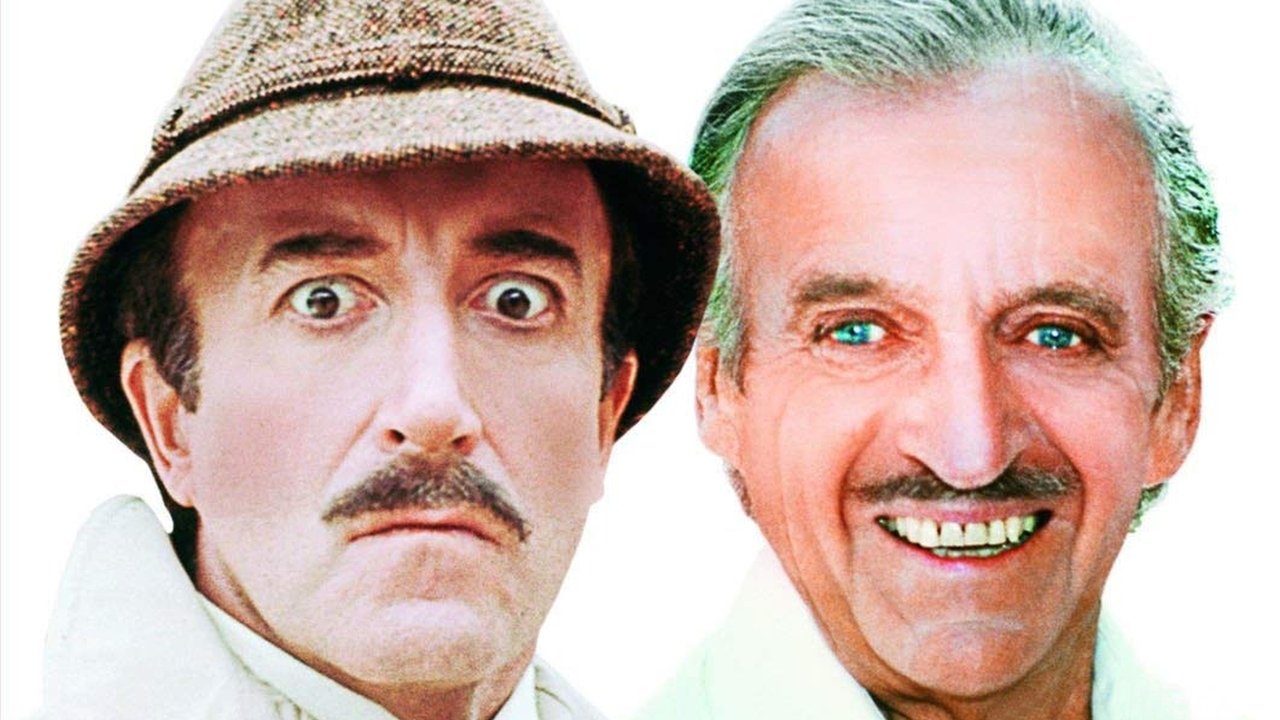
The recycled scenes are the film's raison d'être. We get extended sequences like Clouseau testing ridiculous disguises (remember the Toulouse-Lautrec bit?), causing havoc in a hotel room, or bumbling through interactions with familiar faces. For fans, seeing "new" Sellers material, even cobbled together like this, was a strange draw. It felt like finding a lost B-side from your favorite band. The effect is jarring, though. You can often feel the seams where old footage meets newly shot framing sequences. The lighting doesn't quite match, the film stock looks different – it's like watching ghosts interact with the living.
The production even employed stunt doubles and stand-ins, often seen from behind or obscured, for brief transitional shots meant to bridge the gaps. One such double was John Taylor, who had doubled for Sellers previously. It’s a valiant effort, but it highlights the central absence rather than disguising it.
### The Familiar Faces Return
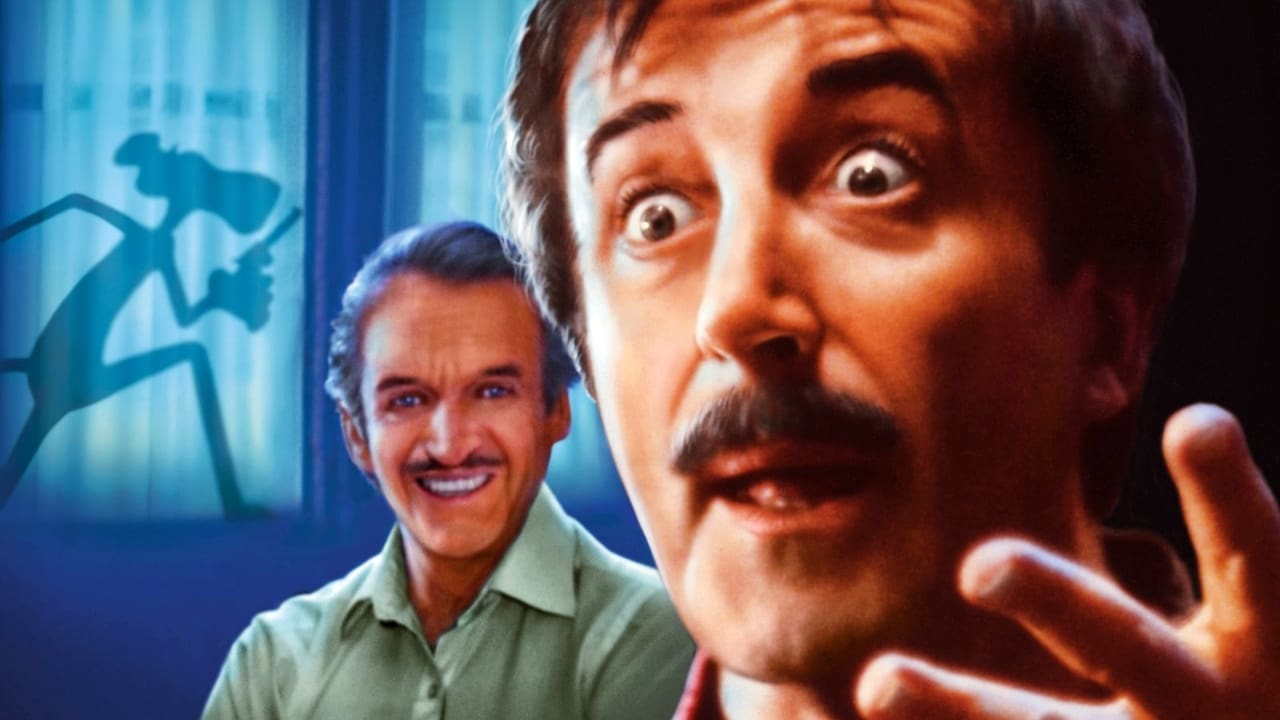
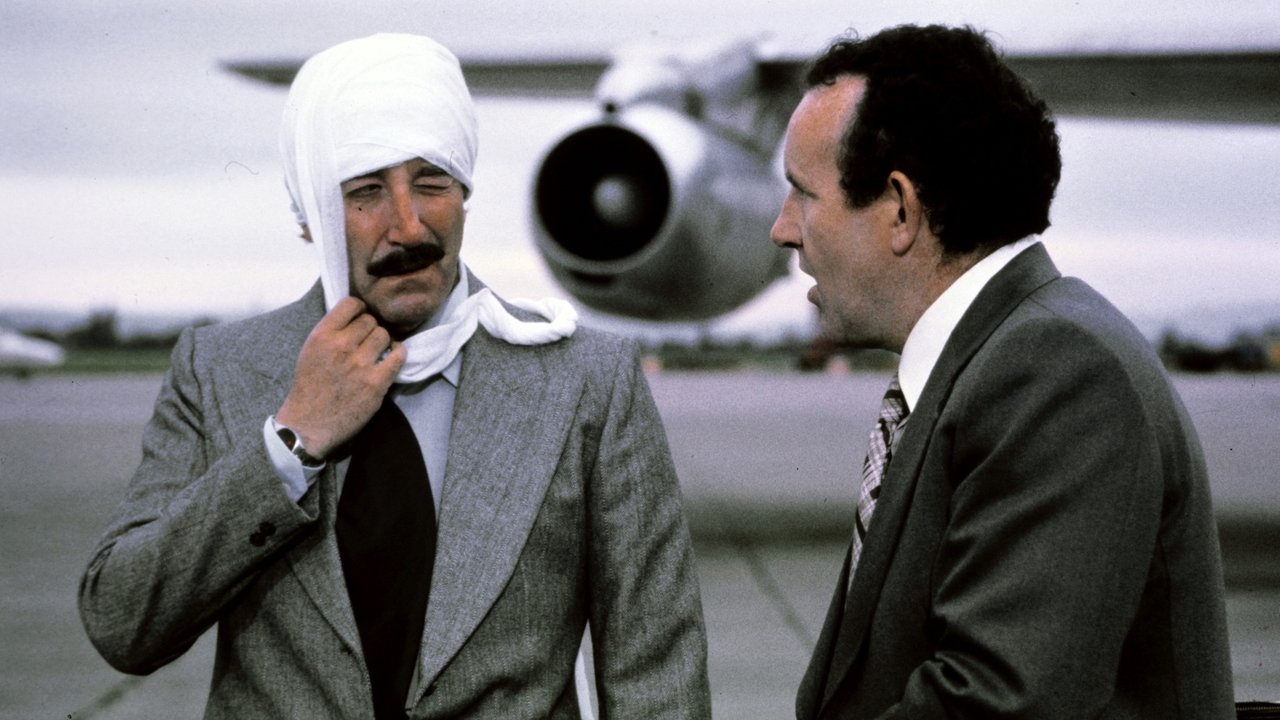
To flesh out the runtime and provide interview subjects for Lumley's character, Edwards brought back series stalwarts. Herbert Lom is reliably apoplectic as Chief Inspector Dreyfus, his facial tics seemingly worsening with every mention of Clouseau's name – even in absentia. It's always a joy to see Lom chew the scenery as the increasingly unhinged Dreyfus. We also get returns from Burt Kwouk as the ever-attacking Cato and Graham Stark as Hercule Lajoy.
Perhaps most poignantly, Trail features the final film appearance of the legendary David Niven, reprising his role as Sir Charles Litton from the original 1963 Pink Panther. Niven was seriously ill during filming, battling ALS, and his voice was so weak it had to be dubbed post-production by impressionist Rich Little. Knowing this casts a melancholy shadow over his scenes; it’s the farewell of another screen giant, embedded within a tribute to a departed colleague. Capucine also returns as Simone Clouseau (formerly Litton), adding another layer of Panther history.
### A Troubled Trail and Mixed Reception
Unsurprisingly, the film was controversial. Peter Sellers' widow, Lynne Frederick, successfully sued the filmmakers for tarnishing her late husband's memory, reportedly winning over $1 million in damages. Critics were largely unkind, pointing out the recycled nature of the material and the ghoulish aspect of constructing a film around a deceased star. Audiences were perhaps curious, but the film wasn't a huge hit, barely recouping its estimated $6 million budget with a $9 million US gross. It felt less like a celebration and more like an obligation, or perhaps Edwards genuinely grieving his friend and collaborator in the only way he knew how.
Despite the ethical debates and narrative patchwork, there's a strange charm to Trail. It functions almost like a highlight reel curated by the director himself, reminding us of Clouseau's chaotic brilliance. The score by Henry Mancini is, as always, superb, providing that essential slinky, jazzy Panther vibe. The new footage, featuring actors like Robert Loggia and Harvey Korman, tries its best to fit in, but it's Sellers' spectral presence that dominates.
### Legacy in Rewind
Trail of the Pink Panther ends on a cliffhanger, directly setting up the next film, Curse of the Pink Panther (1983), which attempted (disastrously) to introduce a new Clouseau-like detective played by Ted Wass. Trail remains a fascinating curio, a product of its time when perhaps studios felt a franchise had to continue, even without its star. It’s a flawed, ethically questionable, but ultimately watchable piece of nostalgia, especially if viewed as a scrapbook of Sellers' genius rather than a coherent movie.
Rating: 4/10
The Score Explained: The rating reflects the film's fundamental flaws – its reliance on recycled footage, the slightly uncomfortable premise, and the narrative incoherence. However, it avoids a lower score because the salvaged Peter Sellers moments are genuinely funny, Herbert Lom and the returning cast provide some joy, and its status as a unique, if troubled, cinematic artifact gives it undeniable curiosity value for Panther fans and VHS collectors. It’s a historical footnote more than a standalone success.
Final Take: Watching Trail of the Pink Panther today feels like flipping through an old photo album where some pictures are missing and others are taped in awkwardly. It's a strange beast from the VHS era, valuable mostly as a reminder of Sellers' brilliance and a case study in how not to continue a franchise after losing your star. A bizarre but essential part of the Panther puzzle.