Okay, grab your oversizedMembers Only jacket and settle in. Remember that particular thrill of finding a sequel to a movie you genuinely loved sitting there on the shelf at Blockbuster? Sometimes it paid off big time, other times… well, it was Fletch Lives. Popping this tape in the VCR back in '89 (or maybe a few years later on a well-worn rental copy) felt like catching up with an old, slightly chaotic friend. The question was, did the magic stick four years after the original investigative reporter charmed his way onto our screens?
### Southern Discomfort and Disguises Galore
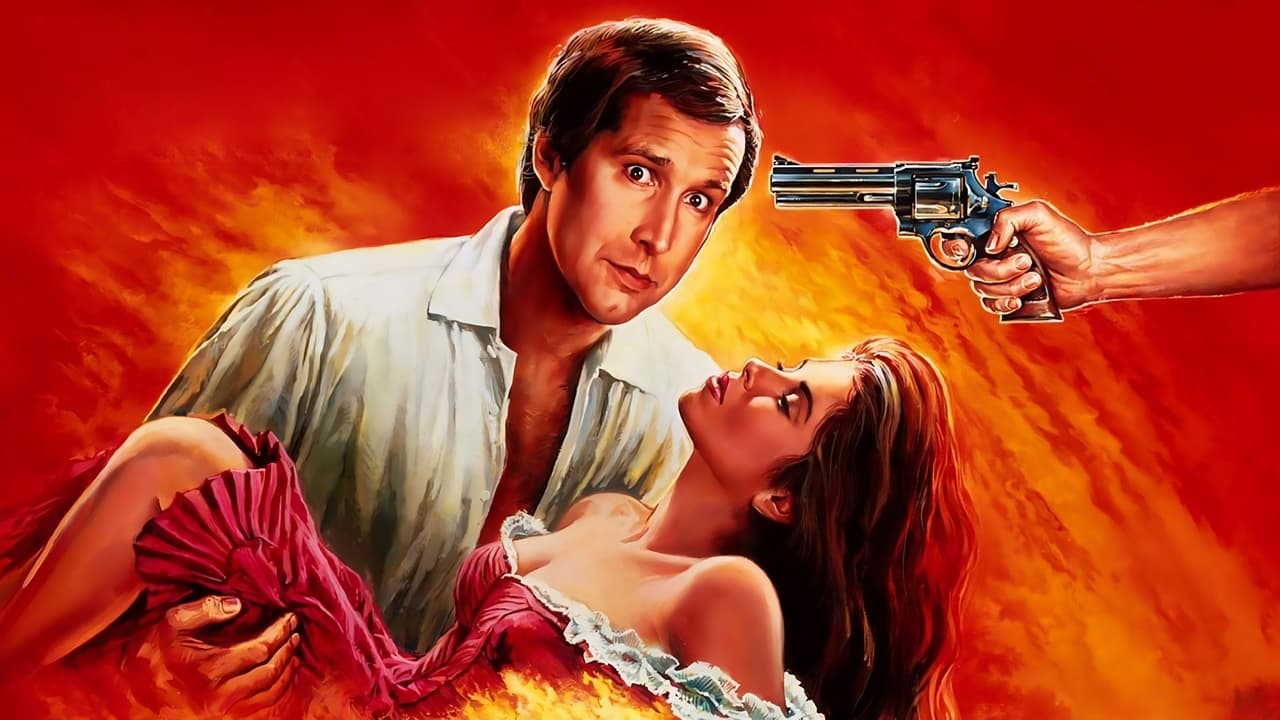
Right off the bat, Fletch Lives throws Irwin M. Fletcher, our favourite alias-dropping journalist played with peak laid-back absurdity by Chevy Chase, into a completely different environment. Forget the LA beaches; Fletch inherits a sprawling, dilapidated Louisiana plantation named Belle Isle from an aunt he never knew existed. This fish-out-of-water setup is the engine driving the sequel, shifting the tone from the tighter neo-noir parody of the original Fletch (1985) towards something broader, sillier, and deeply, deeply Southern-fried 80s.
The plot kicks off almost immediately with the mysterious death of the lawyer handling the inheritance, plunging Fletch into a conspiracy involving toxic waste dumping, a suspiciously popular televangelist, and maybe even the Ku Klux Klan. It’s… a lot. And honestly, the mystery itself feels a bit secondary to giving Chevy Chase ample room to cycle through a Rolodex of increasingly ridiculous personas. From Harley-Davidson biker "Claude-Henry Smmoot" to faith healer "Henry Himler," Chase is clearly having a blast. Whether you find it as consistently funny as the first time around might depend on your tolerance for his particular brand of smug charm, which is cranked up considerably here.
### That Late-80s Comedy Sheen
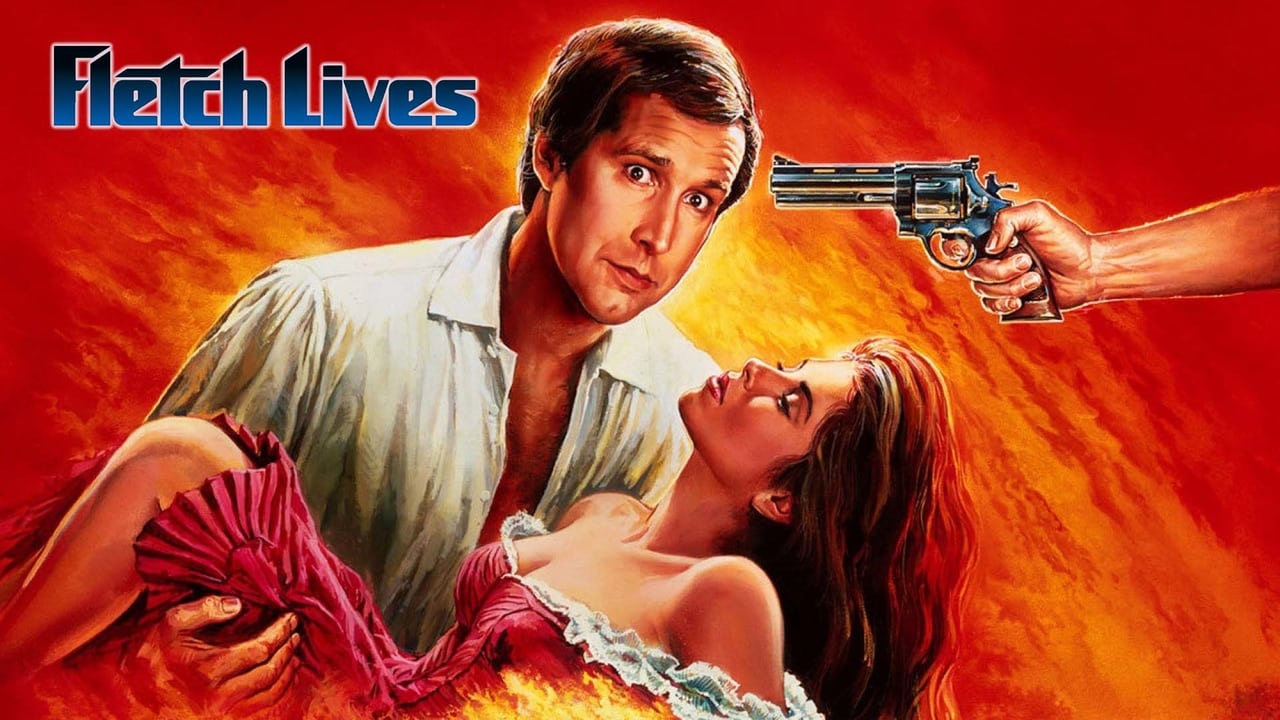
Michael Ritchie, who also helmed the original Fletch and classics like The Bad News Bears (1976), returns to direct. However, the sharper edge feels slightly dulled this time. The screenplay, penned by Leon Capetanos based on Gregory Mcdonald's characters (though reportedly Mcdonald, the novelist, intensely disliked this sequel's direction), leans heavily into situational comedy and Chase's ad-libs. Some land perfectly – Fletch’s deadpan reactions to the absurdity surrounding him remain a highlight. Others… well, let's just say some of the humour feels very much "of its time," occasionally veering into territory that might make a modern audience wince slightly.
It's fascinating to note that the author of the original Fletch novels, Gregory Mcdonald, apparently felt this film strayed too far from his creation, a sentiment some fans of the books shared. It definitely plays less like a Mcdonald mystery and more like a Chevy Chase vehicle set in the Fletch universe. Filmed largely on location in Louisiana, specifically around Thibodaux and Houma, the movie does capture a certain humid, slightly bizarre Southern Gothic atmosphere, albeit one filtered through a very Hollywood lens. The production reportedly cost around $8 million, eventually pulling in about $35 million domestically – respectable, but perhaps indicating the character didn't quite have the same box office lightning strike twice.
### Supporting Cast and That Infamous Dream Sequence
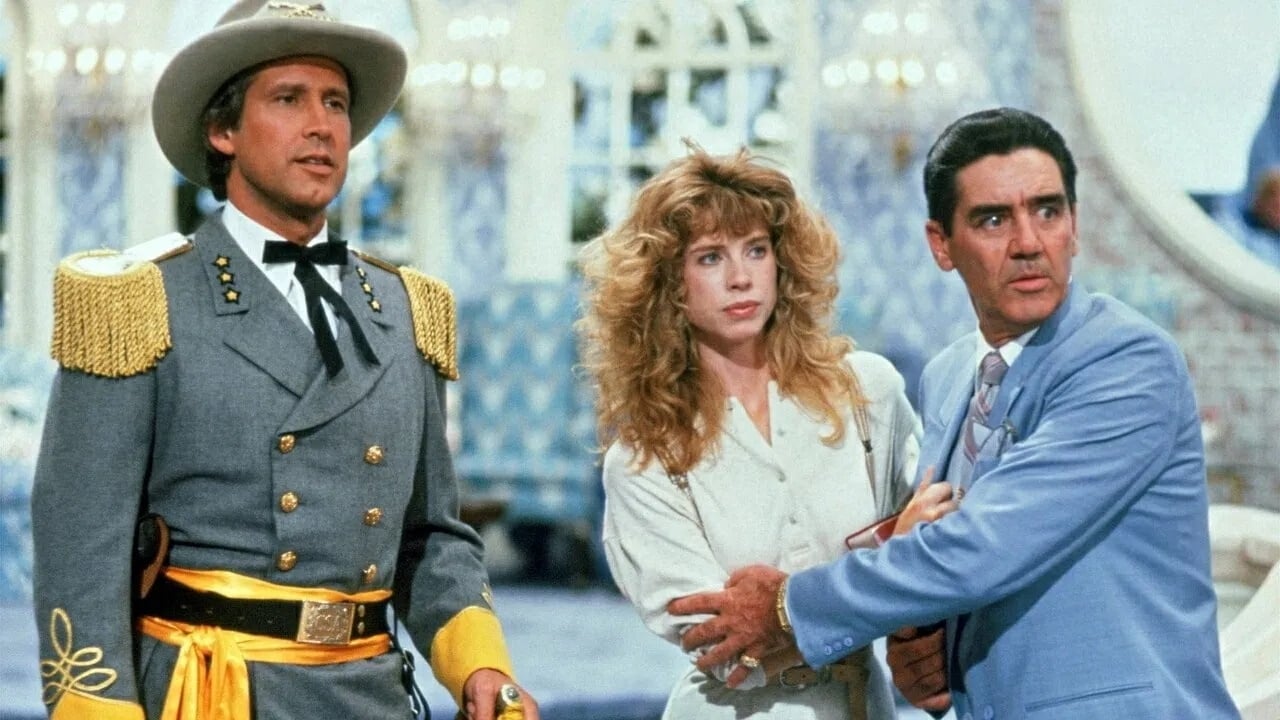
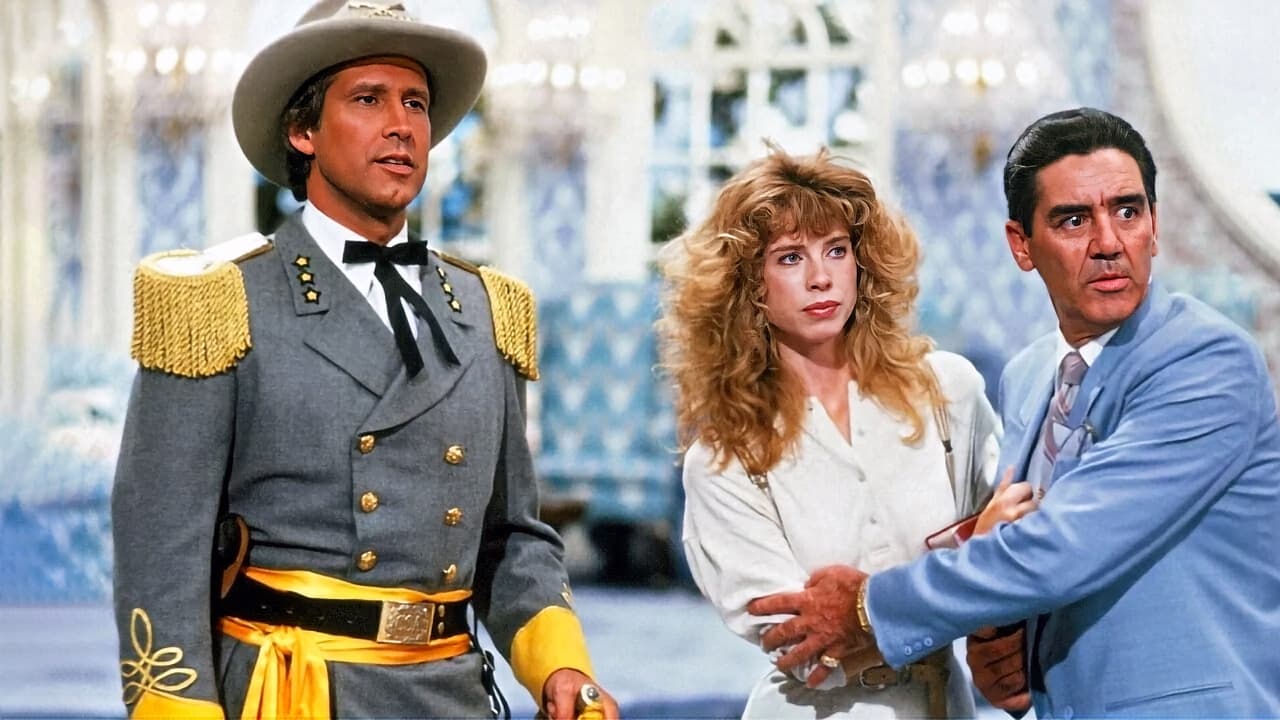
While Chase dominates, Hal Holbrook brings his usual gravitas (or perhaps bemused tolerance) as Hamilton "Ham" Johnson, a local figure trying to make sense of Fletch's antics. Julianne Phillips steps in as Becky Culpepper, the requisite romantic interest and potential key to the mystery, playing the part with a certain late-80s earnestness. But let's be honest, everyone is mostly reacting to whatever bizarre tangent Fletch is currently on.
And then there's that dream sequence. You know the one. Fletch, delirious after an encounter, hallucinates a full-blown, Technicolor musical number set to… "Zip-a-Dee-Doo-Dah" from Disney's controversial Song of the South (1946). Complete with animated bluebirds and Fletch in plantation attire, it's a moment so jaw-droppingly weird and culturally tone-deaf (even then, let alone now) that it has become legendary for all the wrong reasons. It's a swing-for-the-fences comedic bit that flies spectacularly off the rails, a true WTF moment permanently etched in the minds of anyone who rented this tape. Was it daring? Baffling? Both? It certainly gets points for sheer audacity, if nothing else.
### Still Worth a Rewind?
Fletch Lives isn't the tightly plotted, witty gem that its predecessor was. The mystery feels less engaging, the humour is broader and more hit-or-miss, and it lacks some of the original's effortless cool. However, watching it now through the VHS Heaven lens evokes a powerful sense of late-80s comedy filmmaking. It’s Chevy Chase unleashed, for better or worse, mugging his way through Louisiana with a smirk and a fake name. There's a certain goofy charm to its ramshackle plot and dated sensibilities. You remember watching it, maybe chuckling at Fletch’s interactions with the overly enthusiastic televangelist Jimmy Lee Farnsworth (a character clearly poking fun at prominent figures of the era), or just enjoying Chase doing his thing.
Rating: 6/10
Justification: While it doesn't recapture the magic or sharp wit of the original Fletch, Fletch Lives delivers enough Chevy Chase antics and pure, unadulterated 80s weirdness (hello, dream sequence!) to be an entertaining nostalgia trip. The plot is thin and the humour uneven, preventing a higher score, but Chase’s commitment to the bit and the sheer oddity of the Southern setting make it a memorable, if flawed, entry in the VHS comedy canon.
Final Thought: Less undercover investigation, more over-the-top vacation – Fletch Lives is the cinematic equivalent of that second slice of pizza you didn't really need, but hey, you enjoyed it anyway back in the day. Just maybe fast-forward through the singing bluebirds.