Some detectives announce themselves with sirens and kicked-down doors. Others, like Inspector Jean Lavardin, arrive with a quiet intensity, a piercing gaze that misses nothing, and an appetite for both fine food and uncomfortable truths. Watching Claude Chabrol's Inspector Lavardin (1986) again after all these years feels less like revisiting a simple crime procedural and more like stepping back into a specific, unsettling slice of French provincial life, meticulously dissected by a master filmmaker. It’s the kind of film that might have sat modestly on the shelf in the 'Foreign Language' section of the video store, easily overlooked but rewarding for those who took a chance.
### The Provincial Poison
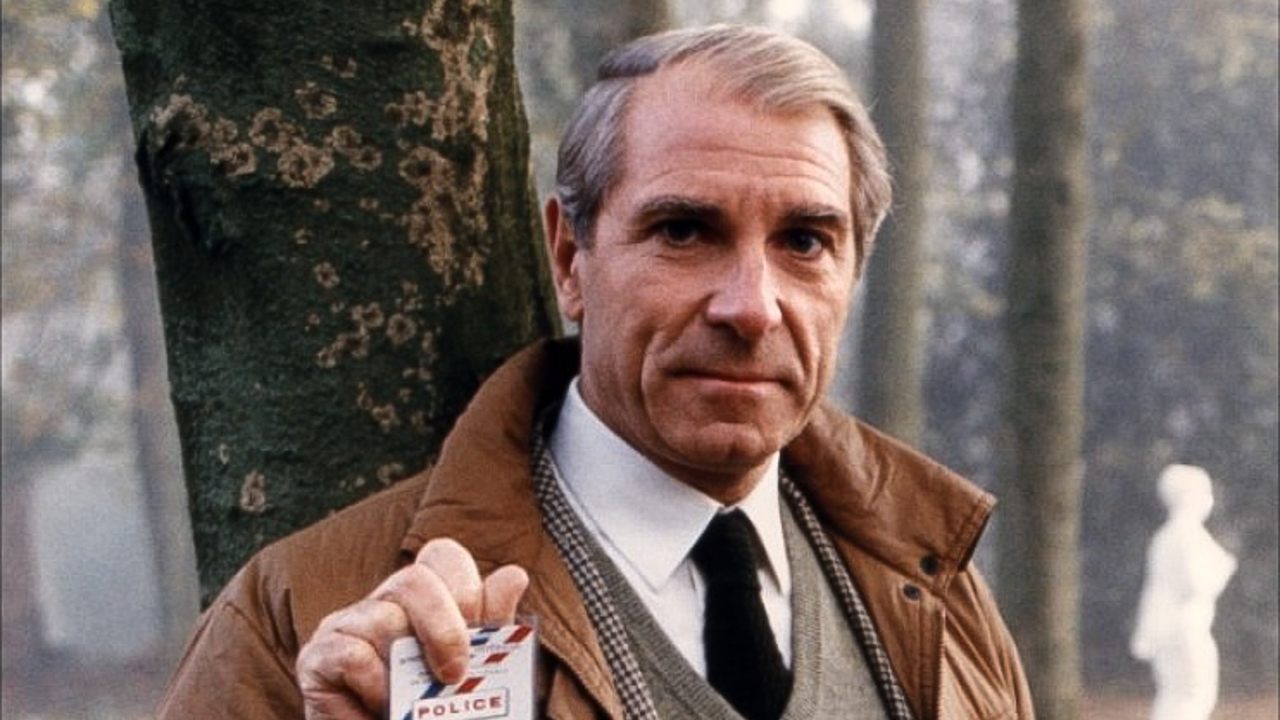
The setup is classic Chabrol: a wealthy, influential Catholic writer, Raoul Mons, is found murdered on the beach near his seaside home in Brittany. The local authorities are baffled, prompting the arrival of Inspector Lavardin, played with an unforgettable blend of cool detachment and simmering menace by the great Jean Poiret. Lavardin knew the victim's widow, Hélène (Bernadette Lafont, a Chabrol regular radiating bruised sensuality), years ago. As he delves into the seemingly respectable lives of the town's bourgeoisie – the corrupt notable Claude Alvarez (Jean-Claude Brialy, another Chabrol fixture, dripping insincerity), the victim's secretive family, and Hélène herself – Lavardin peels back layers of hypocrisy, hidden desires, and long-buried resentments. This isn't a whodunit focused on intricate clues; it's a 'whydunit' exploring the rot beneath the polished surface of polite society.
### The Enigmatic Inspector
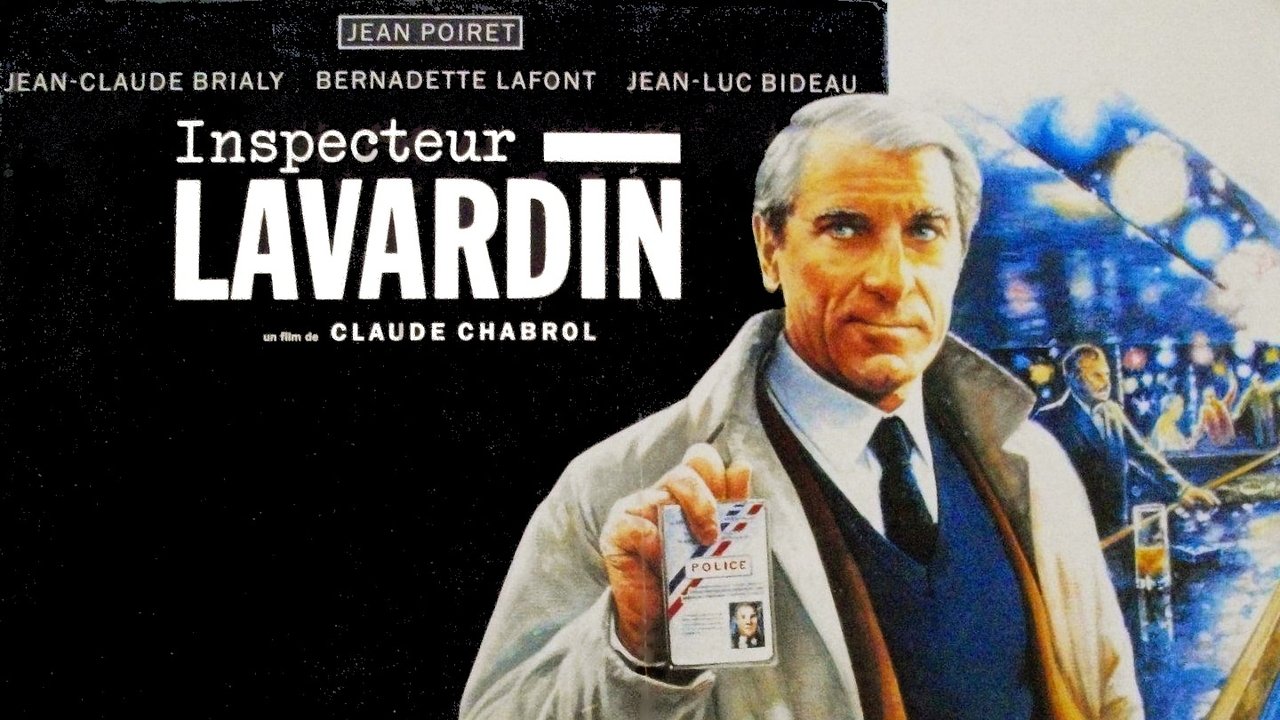
What truly elevates Inspector Lavardin is Jean Poiret's central performance. Reprising the role he originated in Chabrol's Cop au Vin (Poulet au vinaigre, 1985), Poiret embodies a fascinating contradiction. Lavardin is intelligent, observant, and oddly charming when he wants to be, often enjoying the local cuisine with relish. Yet, there's a chilling amorality to his methods. He lies, manipulates, plants evidence, and casually breaks the law, all seemingly in pursuit of his version of justice. He isn't driven by righteous fury, but by a cynical understanding of human weakness and a desire to expose the ugliness hidden behind closed doors. Poiret, perhaps better known internationally as the writer of the play La Cage aux Folles, delivers a performance of subtle power. His stillness speaks volumes, and a slight curl of the lip or narrowing of the eyes can convey more than pages of dialogue. Does his disdain for the corrupt justify his methods? Chabrol leaves that unsettling question hanging in the air.
### Chabrol's Skewering Eye
This film is pure Claude Chabrol, often dubbed the "French Hitchcock" but with a distinct focus on social critique rather than just suspense mechanics. He uses the provincial setting – beautifully filmed, capturing the moody atmosphere of the Brittany coast (much of it shot on location in Dinan and nearby areas) – not just as a backdrop, but as a character in itself. The town's secrets are as pervasive as the sea air. Chabrol's camera is often observational, calmly framing the characters within their opulent, yet suffocating, environments. He exposes the entitlement, the casual cruelty, and the moral compromises of the upper-middle class with a precision that feels both surgical and deeply cynical. There's little warmth here, but a compelling, almost anthropological fascination with the darkness people hide.
### Behind the Vinegar and Wine
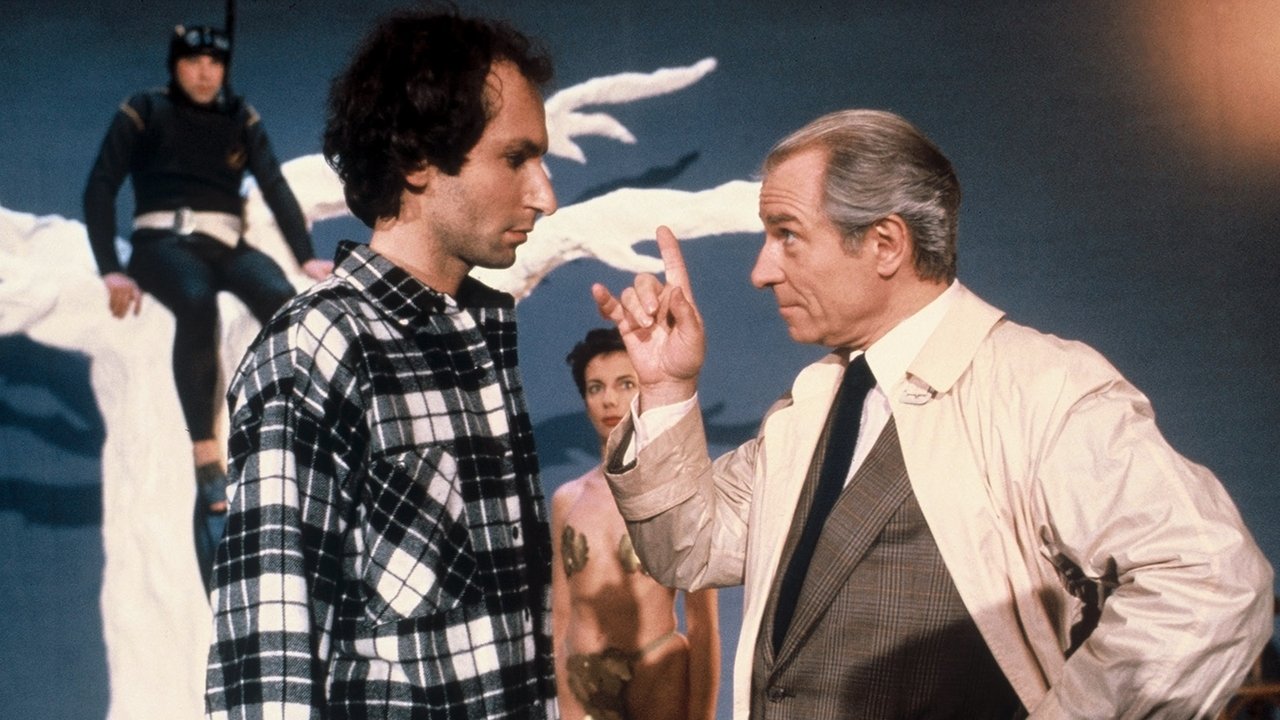
While Inspector Lavardin followed Cop au Vin, it stands firmly on its own, requiring no prior viewing to appreciate its moody charms. The continuity mostly serves to deepen our understanding of Lavardin's established character. Chabrol’s efficient, unfussy direction keeps the narrative moving, even when the focus is on character interaction rather than action. It's a reminder of a time when European crime films often prioritized psychological depth and social commentary over explosions and car chases, offering a different kind of thrill – the slow burn of revelation. The supporting cast, particularly stalwarts like Lafont and Brialy, inhabit their roles with the lived-in familiarity common in Chabrol's work; they feel less like actors performing and more like genuine specimens under his cinematic microscope. It's worth noting that despite its dark themes and ambiguous hero, the film performed respectably in France, suggesting audiences were receptive to Chabrol's specific brand of crime narrative.
### Lasting Impressions
Does Inspector Lavardin feel dated? Perhaps in its deliberate pacing compared to modern thrillers. But its core concerns – hypocrisy, hidden corruption, the ambiguity of justice – remain potent. Jean Poiret's performance is magnetic, creating a detective who is both repellent and utterly compelling. It’s a film that doesn’t offer easy answers or moral comfort. Instead, it invites you into its murky world, asks you to observe alongside its enigmatic protagonist, and leaves you pondering the often-unpleasant truths lurking beneath respectable facades. It's a perfect example of the kind of sophisticated, character-driven gem you could unearth during a dedicated browse through the video store aisles back in the day.
Rating: 8/10
This score reflects the film's masterful direction by Claude Chabrol, the unforgettable central performance by Jean Poiret, its sharp social critique, and its potent atmosphere. While its deliberate pace might not suit all modern tastes, its intelligence and cynical insight make it a standout example of 80s French crime cinema. It’s a film that lingers, much like the unsettling gaze of its titular inspector. What secrets, you wonder, are hiding just beneath the surface in your seemingly quiet town?