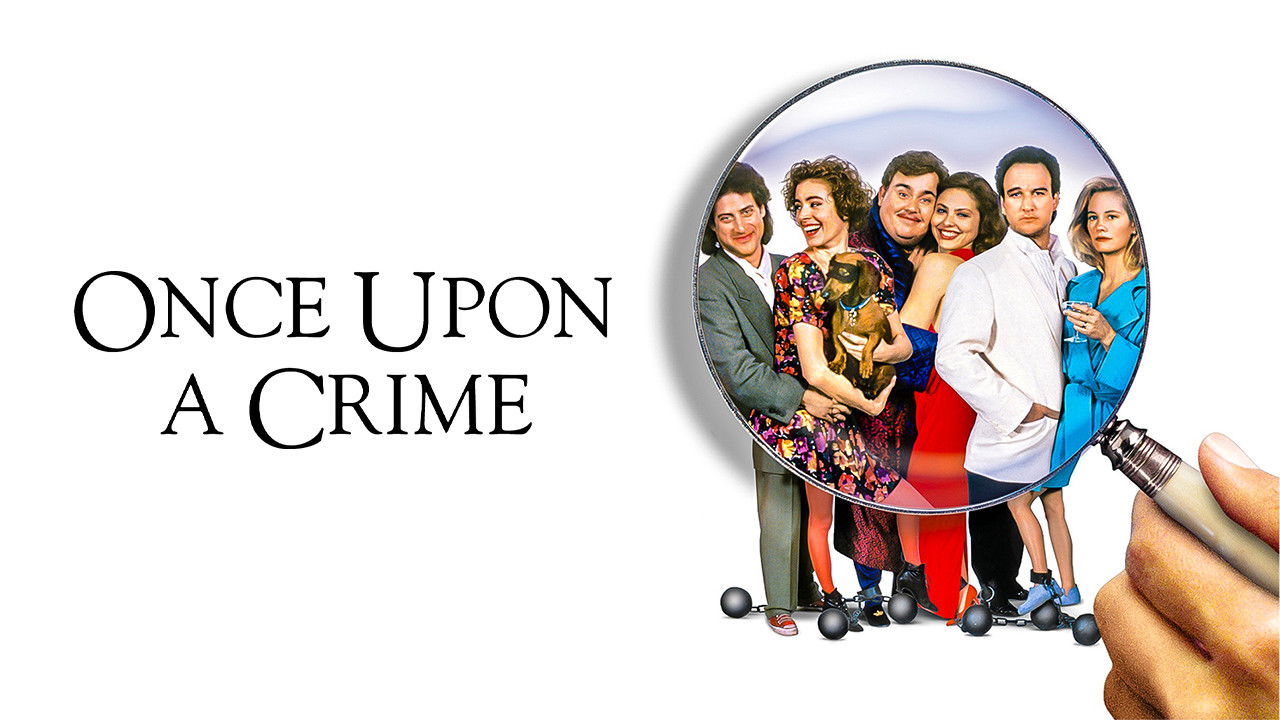
Alright, fellow tape travellers, dim the lights, maybe adjust the tracking just a bit, and let's rewind to a time when ensemble comedies felt like chaotic, star-studded parties spilling onto the screen. Today, we're pulling a slightly dusty, perhaps overlooked gem from the shelves: 1992's Once Upon a Crime. Maybe you snagged this one based purely on the glorious VHS box art promising European hijinks and familiar faces. If you did, you were in for a whirlwind of mistaken identities, misplaced pets, and murder most... well, comedic.
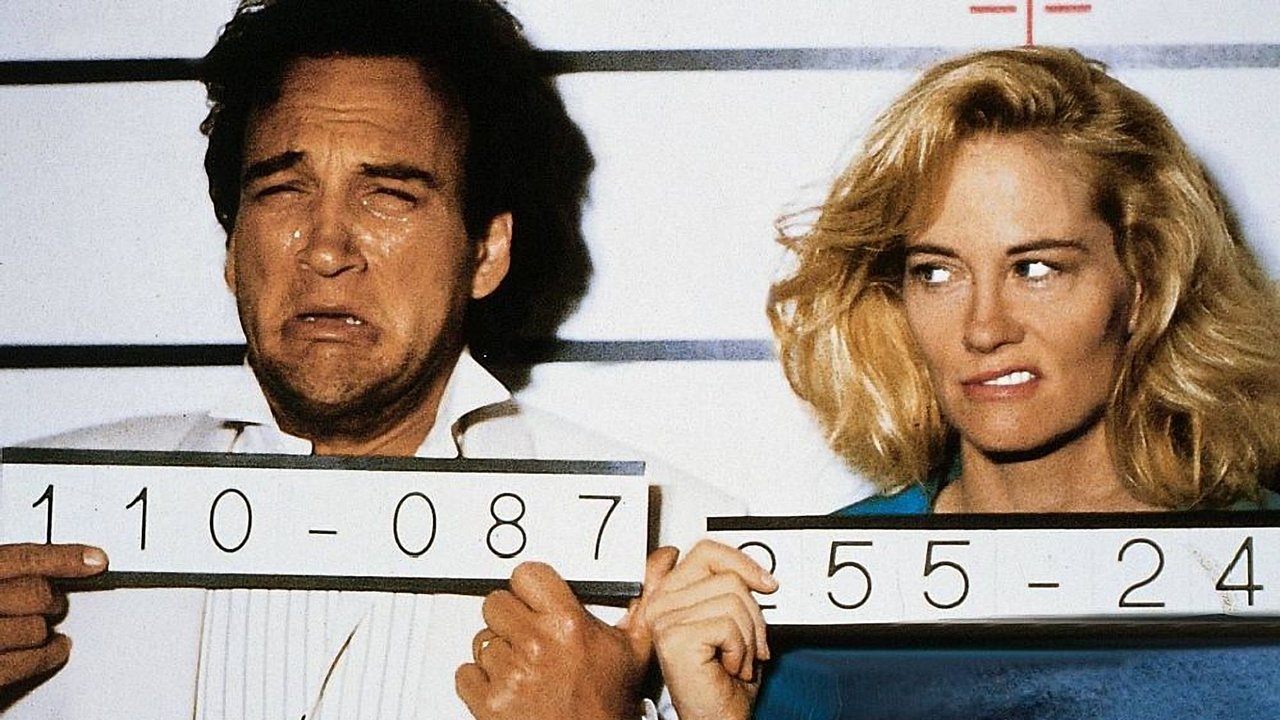
The premise itself feels ripped from a classic farce playbook: a flurry of mismatched American tourists descend upon Monte Carlo, their paths crossing thanks to a lost dachshund belonging to the fabulously wealthy Madame Van Dougen. When the dog's owner turns up dead, everyone becomes a suspect, interrogated by the hilariously unflappable Inspector Bonnard (Giancarlo Giannini, bringing effortless cool). It’s a setup ripe for misunderstandings and frantic scrambling, and the film mostly leans into the absurdity.
### A Cavalcade of Comic Chaos
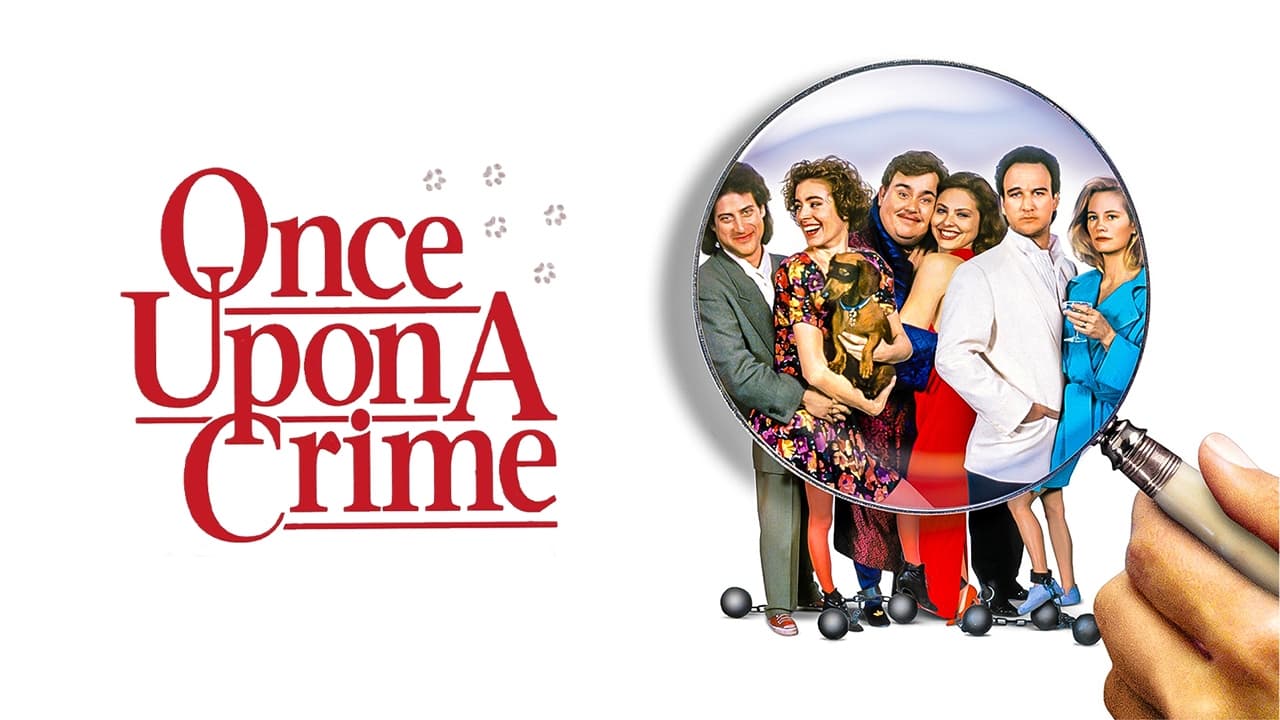
What truly makes Once Upon a Crime pop, especially watching it now, is the sheer wattage of its ensemble cast, a delightful snapshot of early 90s comedic talent. Leading the pack, we have the eternally lovable John Candy as Augie Morosco, a down-on-his-luck gambler whose attempts to return the lost dog spiral wildly out of control. Candy is paired wonderfully with James Belushi as Neil Schwary, a perpetually annoyed fellow American tourist dragged into the mess. Their dynamic is pure gold – Candy’s gentle giant persona bouncing off Belushi’s signature gruff exasperation. Remember how effortlessly Candy could make you root for the schnook? He does it again here, even when Augie is making monumentally poor decisions.
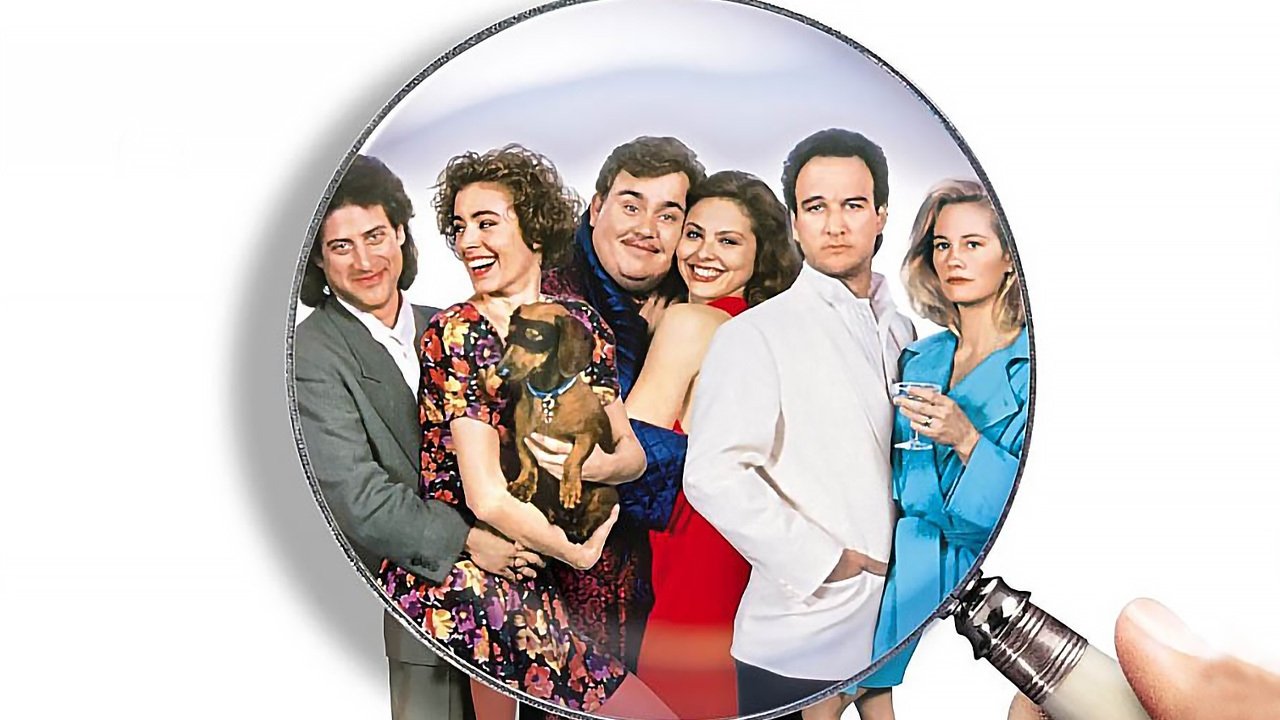
But the fun doesn't stop there. Cybill Shepherd (fresh off Moonlighting) swans in as Marilyn Schwary, Neil’s disillusioned wife, delivering icy wit, while Sean Young plays Phoebe, a woman whose initial discovery of the lost dog kicks off the entire plot. Adding to the neurotic energy is Richard Lewis as Julian Peters, perfectly cast as a perpetually stressed actor alongside the luminous Italian star Ornella Muti as Elena Morosco, Augie's exasperated spouse. And let’s not forget George Hamilton, practically playing himself as Alfonso de la Pena, dripping tanned charm and potential motive. It's a packed house, and watching these distinct comedic energies collide is a major part of the film's charm.
### Levy Behind the Lens, Europe on the Screen
Perhaps one of the most interesting retro fun facts about Once Upon a Crime is its director: none other than Eugene Levy! Yes, the SCTV legend and future Schitt's Creek patriarch stepped behind the camera for his feature directorial debut here. You can see hints of his comedic sensibility, particularly in the timing of some gags and the way he lets his former colleague Candy shine. It’s fascinating to see him flexing different creative muscles. Did you know Levy had only directed a TV movie (The Martin Short Concert for the North Americas) before tackling this international production? Talk about diving into the deep end!
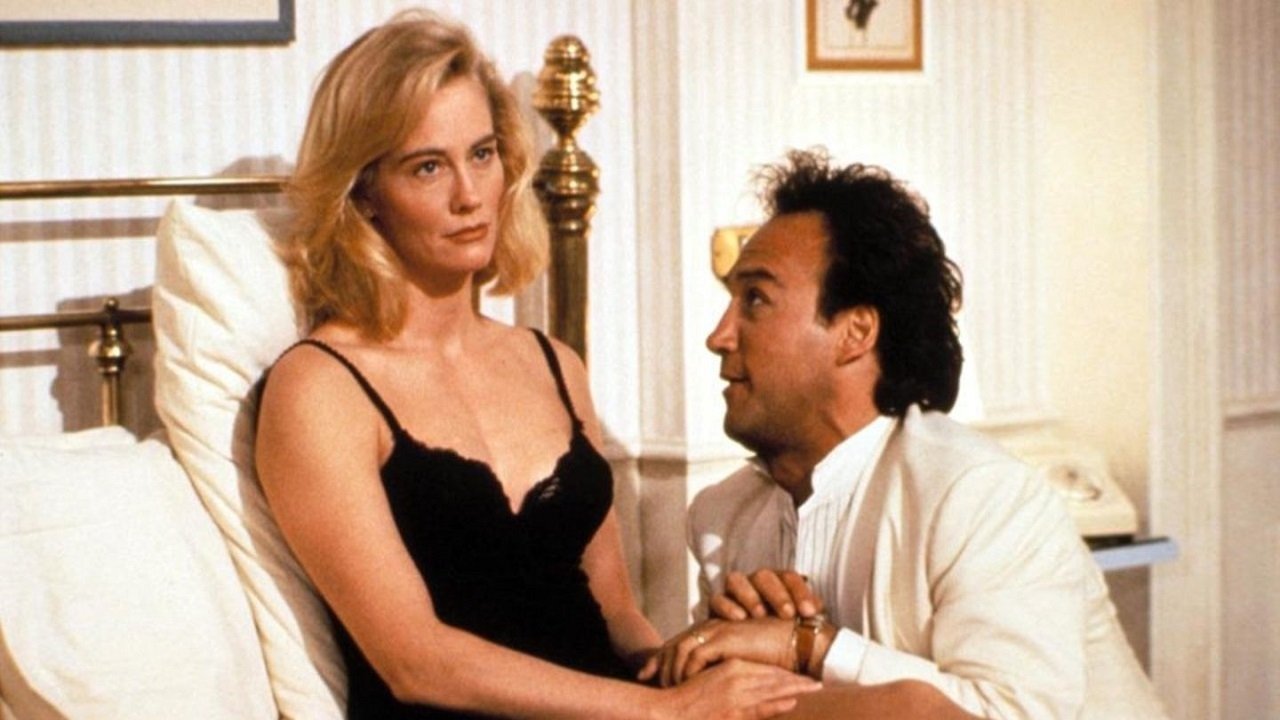
The film also benefits immensely from its gorgeous European locations. Shot primarily in Monte Carlo and Rome, the scenery provides a glamorous backdrop that contrasts amusingly with the characters' increasingly desperate, decidedly unglamorous situation. Those sun-drenched Monaco streets and opulent hotel interiors look fantastic, even through the nostalgic haze of standard-definition VHS. It gives the film a sense of scale that elevates it beyond a simple stage farce. This wasn't some cheap knock-off filmed on a backlot; they really went there, adding a layer of escapism that was pure catnip back in the video store days.
Interestingly, the film itself is a remake of a 1960 Italian comedy classic called Crimen (later remade again in 1971 as Io non vedo, tu non parli, lui non sente). While the American version amps up the star power and leans more into broad comedy, the intricate, almost mathematically plotted series of unfortunate events owes a debt to its European predecessor. The script, credited to Charles Shyer & Nancy Meyers (who gave us polished hits like Father of the Bride) alongside Steve Kluger, definitely feels like it's juggling a lot of plates – sometimes successfully, sometimes with a clatter.
### Does the Caper Still Charm?
Watching Once Upon a Crime today is an exercise in appreciating a certain style of early 90s comedy – slightly frantic, reliant on coincidences, and driven by recognisable character actors doing what they do best. Some of the jokes feel a bit dated, and the plot, while busy, can feel thin in places. It famously didn't set the box office alight back in '92, pulling in just over $1.2 million against a reported $14 million budget – a real shame given the talent involved. Critics were somewhat lukewarm too.
Yet, there’s an undeniable comfort-food quality here. It’s the kind of movie you’d happily stumble upon late at night on cable, or, yes, pick up impulsively at the video store based on that cast list alone. The energy is infectious, even when the script wobbles. Giannini's smooth Inspector is a constant delight, and the sheer commitment of Candy and Belushi to their bickering partnership carries large stretches of the film. It doesn't quite reach the heights of classic screwball, but it offers a pleasant, diverting ride. I remember renting this tape specifically because John Candy was on the cover, expecting laughs, and getting a surprisingly twisty (if silly) plot along with them.
Rating: 6/10
Justification: The film earns points for its killer ensemble cast, genuine European location shooting giving it visual flair, and its overall good-natured, if chaotic, energy. John Candy and James Belushi are a particular highlight. However, it loses points for a sometimes convoluted and thin plot, jokes that don't always land decades later, and a general feeling of being slightly disposable despite the talent involved. It’s charmingly flawed.
Final Take: Once Upon a Crime is like that forgotten vacation souvenir – maybe not high art, but it brings back fond memories of a specific time, place, and a whole bunch of familiar faces having a laugh. A pleasant, if lightweight, slice of early 90s ensemble silliness best enjoyed with lowered expectations and maybe a bowl of popcorn.