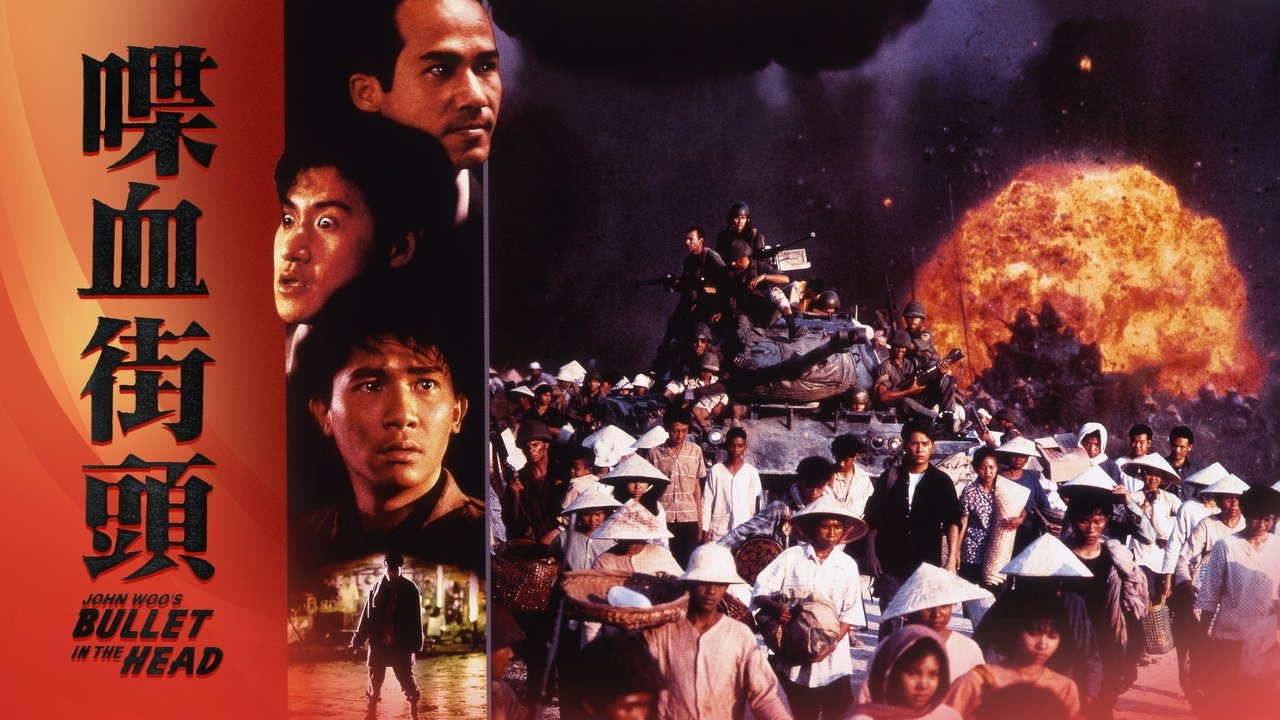
Some bonds, forged in the fire of youth, feel unbreakable. Until they meet a crucible hot enough to melt steel, faith, and loyalty itself. John Woo’s 1990 epic, Bullet in the Head, isn’t just an action film; it’s a descent into a particularly harrowing circle of hell, a story that takes the director's celebrated themes of brotherhood and honour, seen in classics like A Better Tomorrow, and subjects them to the most brutal stress test imaginable. Forget the stylized ballets of bullets found elsewhere in his work; this film offers something far more visceral, a scream echoing from the grimy streets of 1967 Hong Kong to the war-ravaged jungles of Vietnam.
From Rooftops to Rice Paddies
We begin with three friends: Ben (Tony Leung Chiu-wai, radiating stoic integrity even then), Frank (Jacky Cheung, in perhaps his most demanding role), and Paul (Waise Lee, perfectly cast as the ambitious, susceptible one). Living hardscrabble lives amidst the political turmoil of late 60s Hong Kong, an act of revenge forces them to flee the city. Their destination: Saigon, a place they believe holds the promise of quick riches, a chance to escape their past and build a future. What they find instead is a maelstrom of corruption, violence, and moral compromise, soundtracked by gunfire and the distant thud of bombs. Woo paints Saigon not as an exotic backdrop, but as a festering wound, a place where survival demands sacrifices that erode the soul.
The Cost of Survival
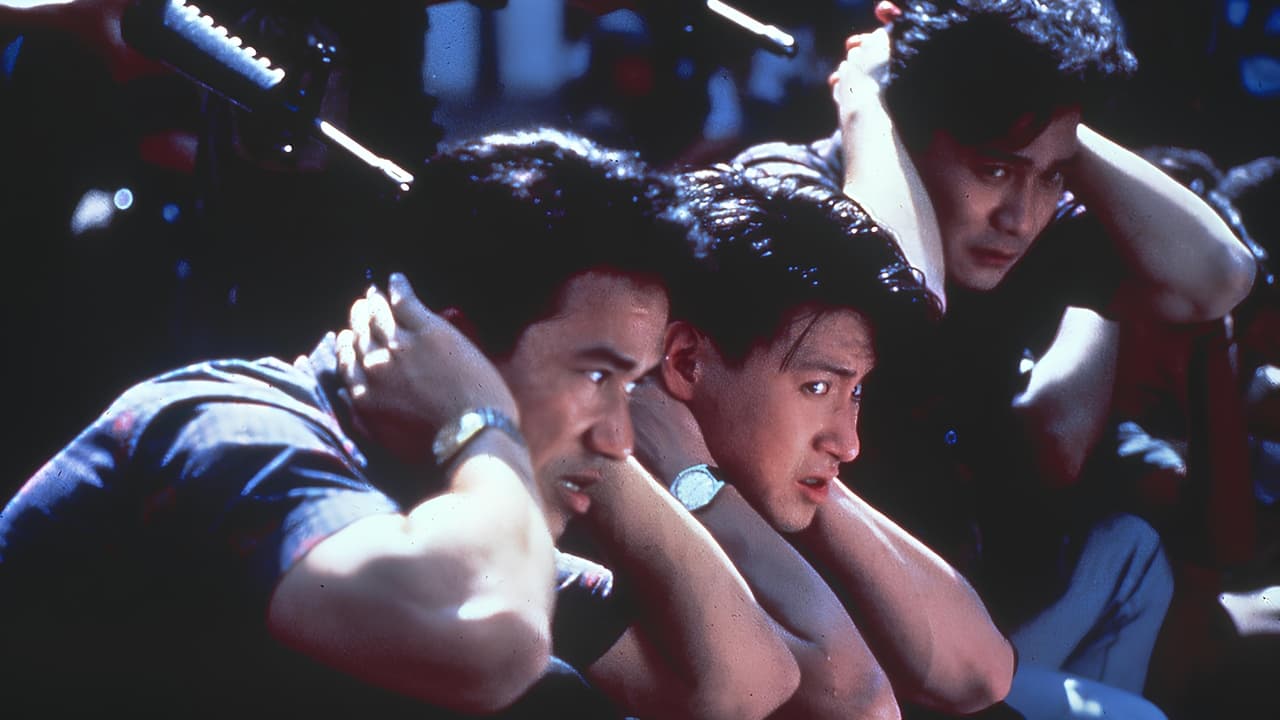
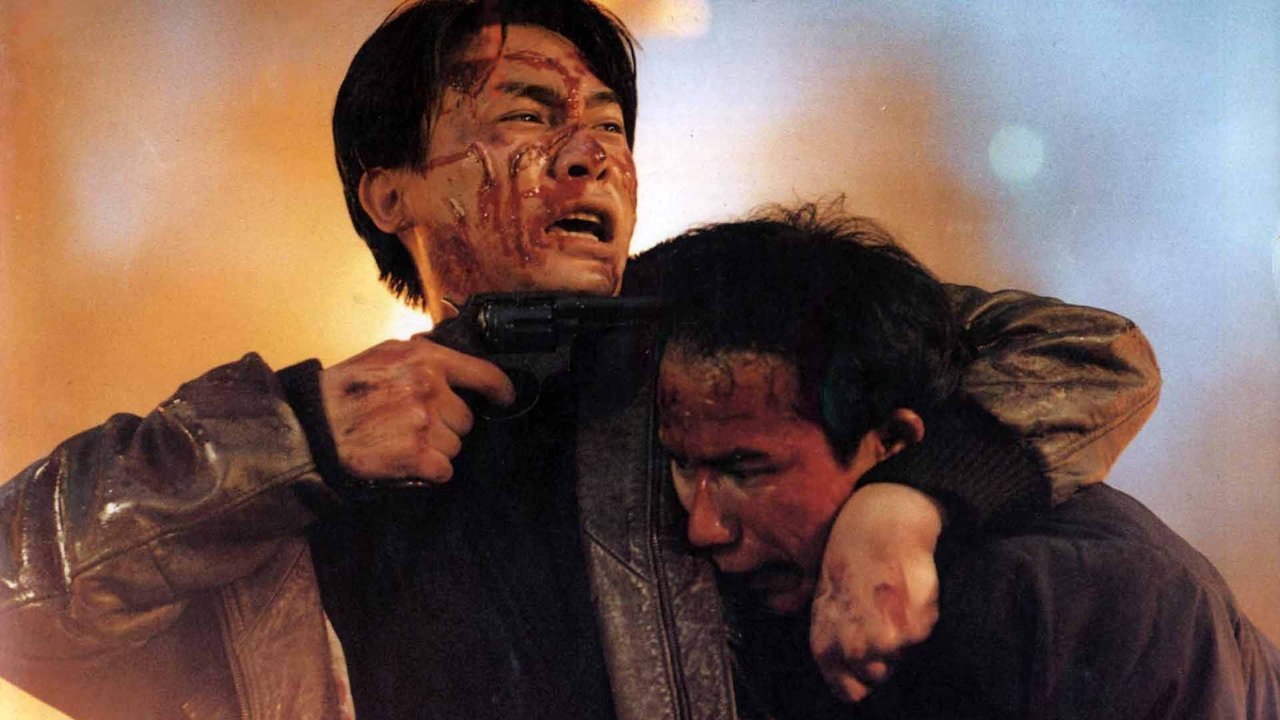
Bullet in the Head charts the disintegration of this central friendship with unflinching, often agonizing detail. The pressures of war, the allure of stolen gold, and the constant threat of death chip away at their bond. John Woo, known for his operatic action sequences, certainly delivers kinetic mayhem here, but it feels different. The violence is less heroic, more desperate and ugly. Gunfights erupt in cramped, chaotic spaces, and the consequences feel painfully real. There's a rawness, a lack of polish that makes the suffering palpable. This isn't about looking cool while firing two guns; it's about the sheer terror and desperation of staying alive when everything is falling apart.
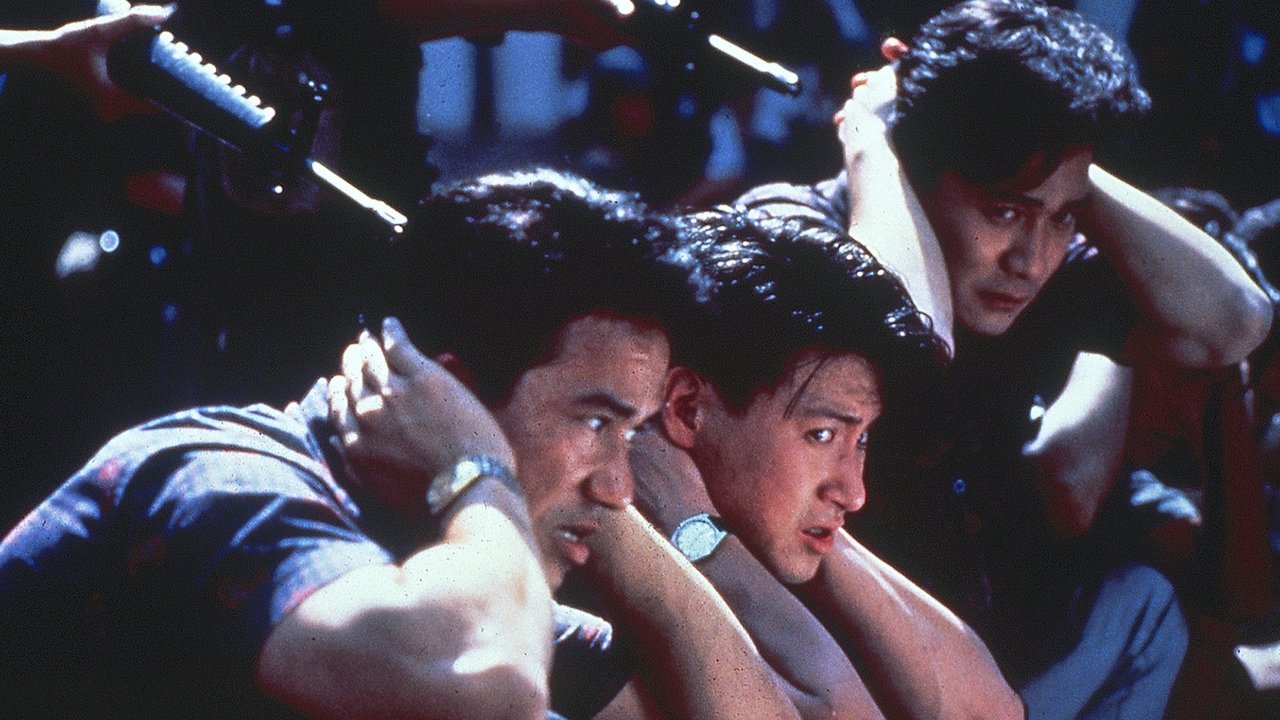
The emotional core rests heavily on the shoulders of the three leads, particularly Jacky Cheung. His character, Frank, endures unimaginable trauma, culminating in a sequence involving captured Viet Cong prisoners that remains one of the most disturbing scenes in Woo's filmography. It’s a moment of profound psychological breakage, and Cheung sells the horror with devastating conviction. Rumour has it that filming this scene was incredibly taxing for Cheung, requiring numerous takes and leaving the actor genuinely shaken – a testament to the intensity Woo was aiming for. It's a performance that haunts you long after the credits roll. Doesn't that kind of raw, emotional commitment elevate the film beyond simple action fare?
A Troubled Masterpiece
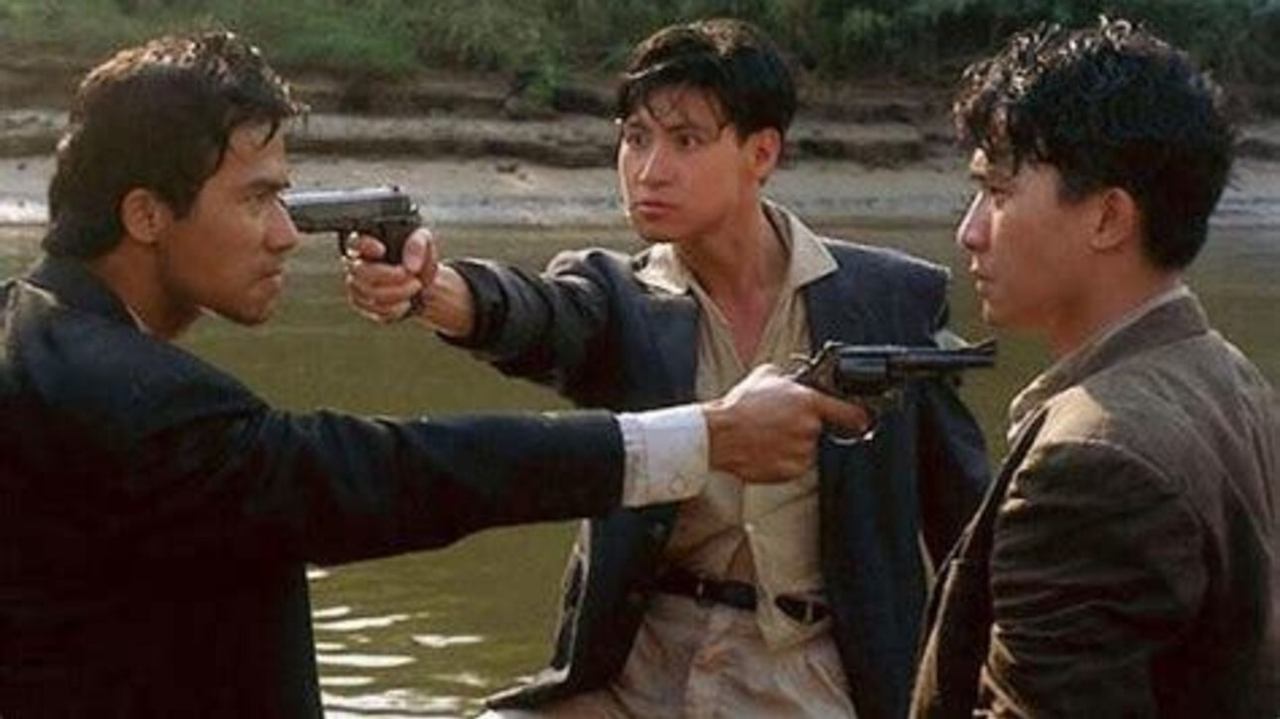
The film's journey to the screen was almost as tumultuous as the events it depicts. Bullet in the Head reportedly started life as a prequel concept for John Woo's breakout hit A Better Tomorrow, but creative differences with producer Tsui Hark (a frequent collaborator, though their relationship had its strains) led Woo to develop it independently. The production was plagued by difficulties, running significantly over budget and schedule, with much of the grueling Vietnam sequences filmed under challenging conditions in Thailand. Woo has often described it as his most personal film, drawing parallels between the shattered friendships on screen and his own experiences growing up.
This personal investment bleeds onto the screen, resulting in a film far bleaker than audiences might have expected from the director of The Killer. Its initial box office reception in Hong Kong was disappointing, overshadowed by lighter fare. Perhaps its unrelenting darkness and brutal violence – which led to cuts in several territories – were simply too much for mainstream audiences at the time. Yet, like many films initially overlooked, its reputation has grown immensely over the years, particularly among hardcore action aficionados and fans of Hong Kong cinema who appreciate its raw power and thematic depth. It stands as a unique, challenging entry in John Woo's filmography, a precursor in its gritty intensity to Hard Boiled, but with an emotional devastation all its own.
Enduring Scars
Watching Bullet in the Head on VHS back in the day felt like discovering something forbidden, something potent and dangerous. It lacked the comparatively cleaner lines of Woo’s later Hollywood efforts like Face/Off; this felt raw, immediate, and deeply unsettling. The practical effects, the squibs exploding with messy impact, the sheer panic etched on the actors' faces – it all contributed to an experience that felt leagues away from sanitized Western action films. It pushed boundaries, not just in terms of violence, but in its willingness to explore the darkest corners of human nature when loyalty fractures under extreme duress.
VHS Heaven Rating: 9/10
This rating reflects the film's raw power, its incredible performances (especially Jacky Cheung's), and its status as arguably John Woo's most emotionally devastating work. It's a brutal, uncompromising vision of friendship destroyed by war and greed, executed with visceral intensity. While its unrelenting bleakness and harrowing violence make it a difficult watch – certainly not a casual Friday night rental for everyone – its impact is undeniable. It loses a point only because its punishing nature might limit its appeal for broader audiences compared to Woo's more accessible heroic bloodshed classics.
Bullet in the Head is more than just an action movie; it's a war film, a crime saga, and a tragic drama rolled into one explosive, heart-wrenching package. It’s a reminder that sometimes, the deepest wounds aren't inflicted by bullets, but by betrayal. A true gem from the Hong Kong action boom, and a film that leaves scars.