The fluorescent lights of the video store flicker, casting long shadows across rows of plastic shells. You pull out a tape, the cover art promising grit, betrayal, and the neon-lit clash of East and West on American soil. That tape might well have been American Yakuza. It wasn't a blockbuster that everyone talked about, but it possessed a certain grim magnetism, a promise of brooding tension that felt right at home during a late-night watch, the world outside quiet and dark. There's an inherent dread baked into its premise: the lonely journey of an outsider burrowing into a world built on secrets, violence, and codes he can barely comprehend.
An Uneasy Alliance
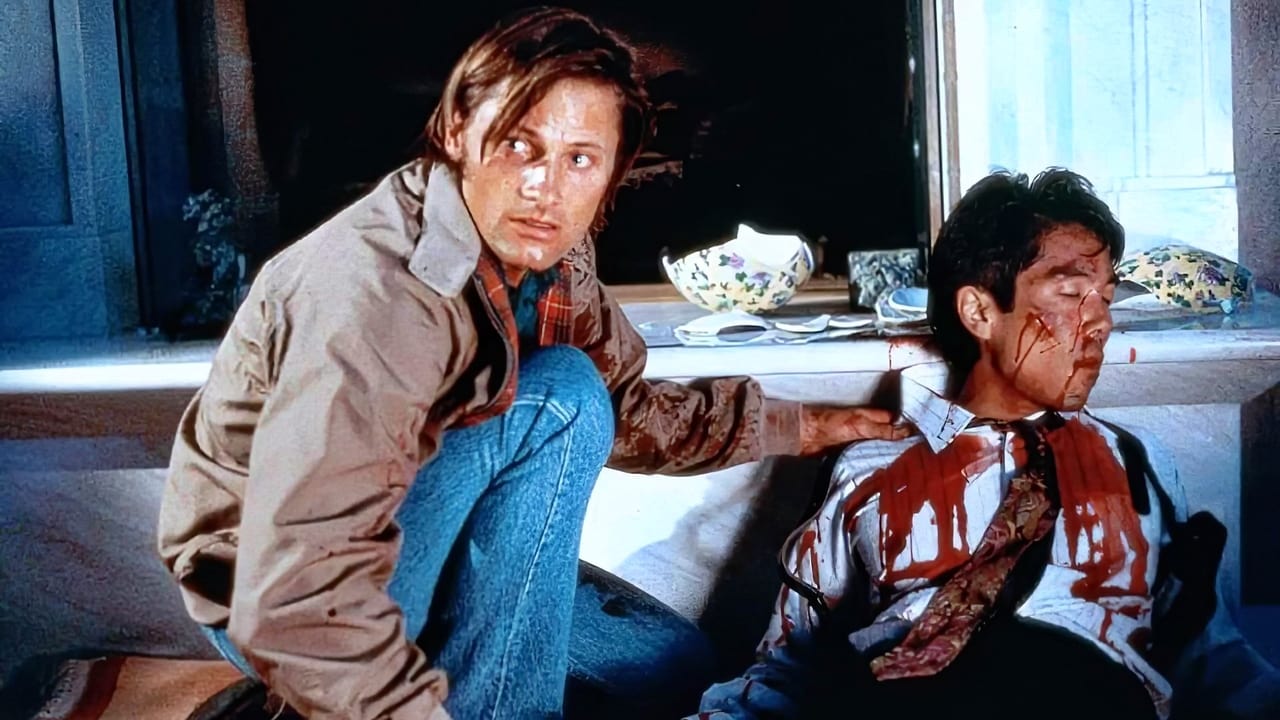
The setup is classic undercover fare, echoing countless thrillers but adding a distinct cultural friction. Viggo Mortensen, years before Aragorn but already radiating that quiet intensity, plays Nick Davis, an FBI agent tasked with infiltrating the Los Angeles Yakuza chapter led by the formidable Shuji Sawamoto (Ryo Ishibashi). The goal: prevent a bloody turf war with the Italian Mafia, headed by the ruthless Dino Campanela (Michael Nouri, reliably menacing). Davis, posing as a troubled ex-con named David Brandt, saves Sawamoto's life, earning him a perilous foothold within the organization. What follows isn't just about gathering intel; it's about the slow erosion of identity as loyalty lines blur under the immense pressure of honor, obligation (giri), and survival.
Shadows and Steel
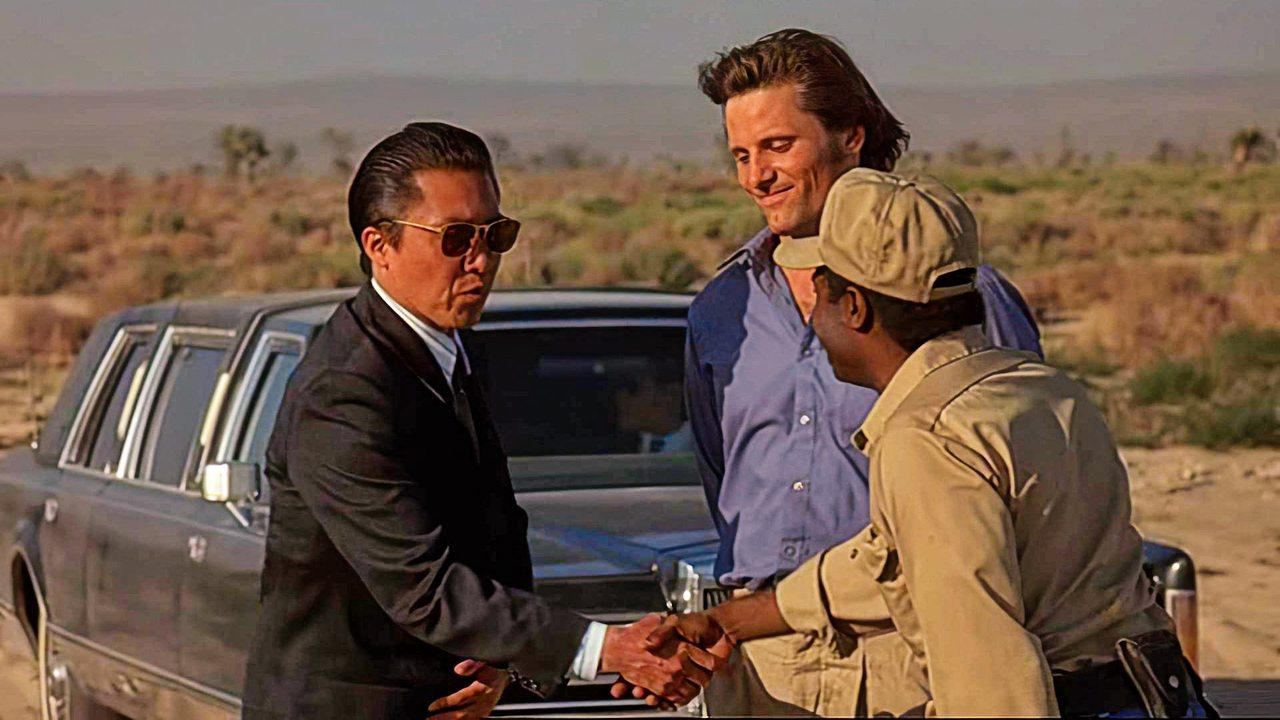
Director Frank A. Cappello, who would later pen the screenplay for Constantine, crafts a film steeped in shadow. While perhaps lacking the budget for truly expansive scope (reports suggest a modest $3 million budget, peanuts even back then), American Yakuza uses its limitations to create a claustrophobic atmosphere. The dockyards feel genuinely grim, the Yakuza headquarters suitably formal yet threatening, and the inevitable bursts of violence are sudden and brutal rather than overly stylized. It captures that early 90s thriller aesthetic – a touch of grit, a somber color palette, and a focus on simmering tension over explosive set pieces. The score often underscores this unease, a low thrumming that hints at the danger lurking beneath the surface pleasantries and rigid protocols. The film leans heavily on the inherent tension of its premise, letting the audience stew alongside Davis in his impossible situation. Doesn't that feeling of impending discovery, the constant threat of exposure, still make your palms sweat a little?
Mortensen's Brooding Intensity
This film is an essential early showcase for Viggo Mortensen. He carries the weight of the narrative effortlessly, his performance defined by subtle shifts in expression and a palpable sense of internal conflict. You see the FBI agent calculating risks, but also the man increasingly drawn to the strange sense of belonging and the warped code of honor he finds within the Yakuza ranks, particularly through his growing bond with Sawamoto. It’s a performance that hints strongly at the depth and commitment he'd bring to later, larger roles. Watching it now feels like uncovering a crucial stepping stone in his career path.
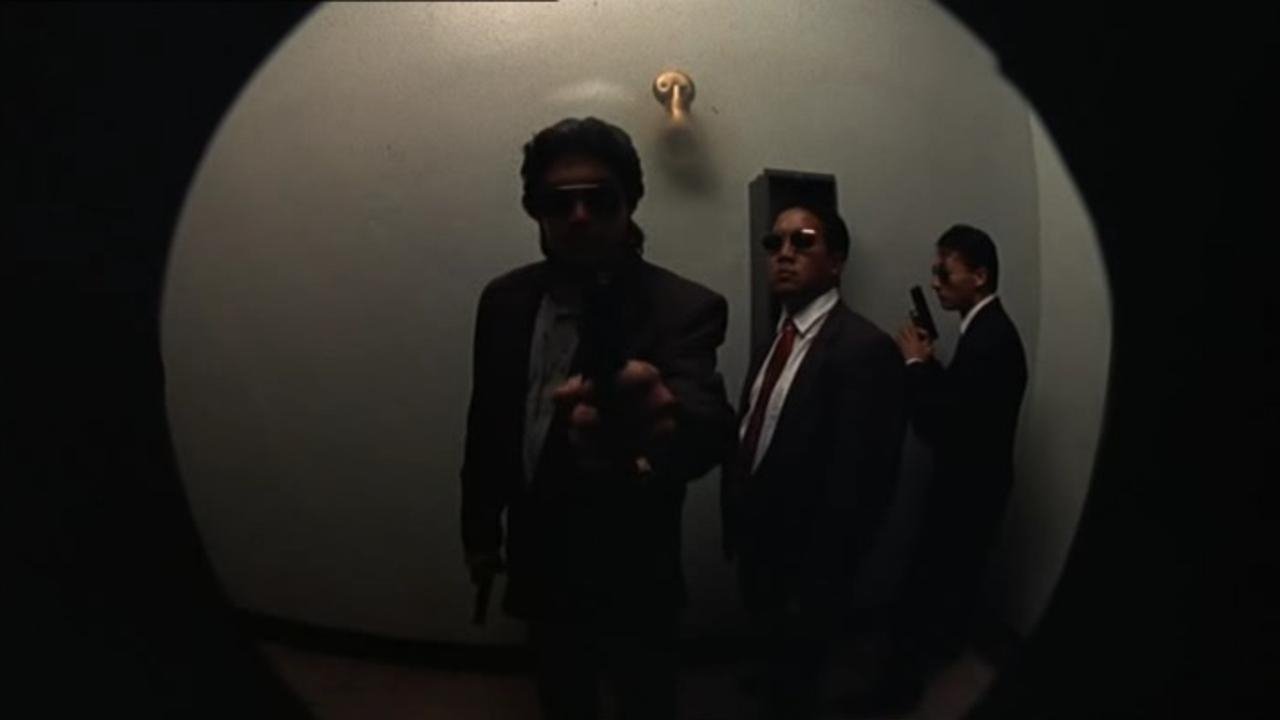
Opposite him, Ryo Ishibashi (a familiar face from films like Audition and Takashi Miike's work) is magnetic as Sawamoto. He avoids caricature, portraying the Yakuza boss with dignity, intelligence, and a quiet lethality. His interactions with Mortensen form the film's emotional core, a complex relationship built on respect forged in violence and circumstance. Their dynamic elevates the material beyond a simple cops-and-robbers story. Keep an eye out too for Yuji Okumoto, forever etched in our minds as Chozen from The Karate Kid Part II, in a supporting role as Kazuo.
Navigating the Underworld: Facts and Friction
Like many direct-to-video titles of the era, American Yakuza likely bypassed major theatrical runs in the US, finding its audience on those aforementioned video store shelves. While shot primarily in Los Angeles, it tries hard to evoke the necessary atmosphere, even if authenticity sometimes takes a backseat to genre conventions. The script itself went through a few hands, co-written by Max Strom, actor John Allen Nelson (yes, Dave from Killer Klowns from Outer Space!), and director Cappello. This collaborative process might explain some of the film's slightly uneven pacing, but the core concept remains strong.
One wonders how much research went into the portrayal of Yakuza rituals and codes. While elements like yubitsume (ritual finger-cutting) are depicted, the film occasionally feels like it's using the Yakuza more as an exotic backdrop for a familiar undercover story rather than a deep cultural dive. Yet, within its genre constraints, it works. The tension feels real, thanks largely to the central performances and the ever-present threat of betrayal from both sides of the law. There’s a certain bleakness to the narrative, an understanding that choices made in this world often lead only to more violence and loss.
Legacy on Tape
American Yakuza isn't a revolutionary film. It doesn't reinvent the crime thriller or the undercover cop genre. But what it does, it does with a surprising degree of effectiveness and moody conviction. It’s a solid, well-acted thriller that benefits immensely from Mortensen's committed performance and its atmospheric approach. It feels like a product of its time – gritty, straightforward, less concerned with flashy pyrotechnics and more interested in the psychological toll of its protagonist's journey. It never spawned sequels or became a widely recognized classic, but for fans digging through the crates of 90s DTV action and thriller fare, it’s a genuinely rewarding find. It captures that specific vibe of early 90s cinema trying to balance action thrills with something a little darker, a little more character-driven.
VHS Heaven Rating: 7/10
Justification: While hampered slightly by its budget and some genre clichés, American Yakuza rises above typical DTV fare thanks to its compelling central performances, particularly Mortensen's intense portrayal and his chemistry with Ishibashi. The dark, brooding atmosphere is effectively sustained, and the core conflict remains engaging throughout. It might not be perfect, but it’s a well-crafted and surprisingly resonant 90s thriller that delivers on its premise.
Final Thought: In the crowded landscape of 90s crime films, American Yakuza stands as a testament to how strong performances and a focused, atmospheric approach could elevate familiar material. It’s a perfect slice of serious-minded genre filmmaking from the VHS era, anchored by a star on the rise, and definitely worth tracking down for a dose of gritty, undercover tension.