A thick, almost palpable fog hangs heavy over nearly every frame of Woody Allen's 1991 curiosity, Shadows and Fog. It’s more than just weather; it's a visual manifestation of the confusion, dread, and existential absurdity that permeates this peculiar film. Renting this back in the day, perhaps nestled on the shelf between Allen’s contemporary comedies and dramas, felt like stumbling upon a secret transmission from another era entirely – a deliberate dive into the aesthetics of German Expressionism, leaving the familiar streets of Manhattan far behind.
Into the Expressionist Maze
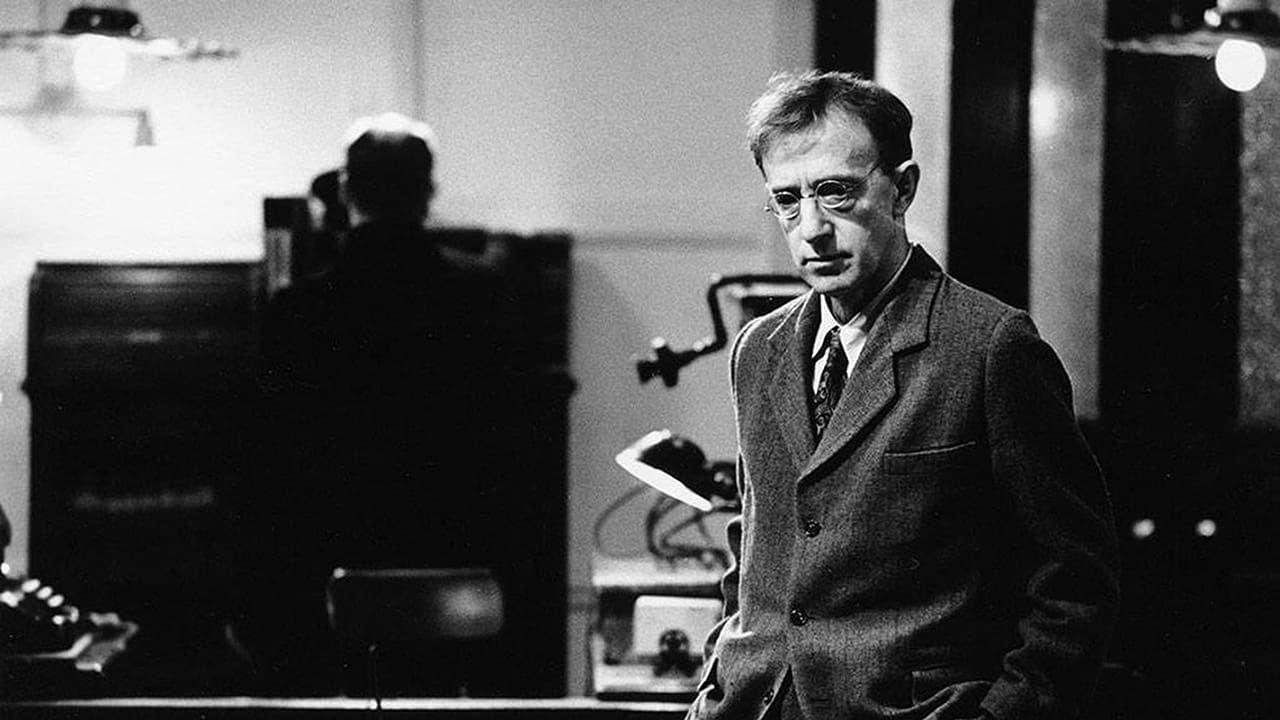
The setup is pure Kafka by way of Fritz Lang. Kleinman (Woody Allen, playing a variation of his familiar nebbish persona, albeit stripped of most overt jokes) is abruptly woken in the dead of night by neighbours demanding he join a vigilante group hunting a serial killer strangling people across their unnamed, perpetually nocturnal European city. The problem? Kleinman has no idea what he's supposed to do, who he's supposed to report to, or even what the killer looks like. He wanders through labyrinthine, fog-choked streets, encountering a bizarre cross-section of society – philosophers, prostitutes, police, and eventually, a runaway circus sword-swallower named Irmy (Mia Farrow).
The film is less a coherent narrative drive towards capturing the killer and more an atmospheric immersion. Cinematographer Carlo Di Palma, who shot many of Allen’s films including the vibrant Hannah and Her Sisters (1986), crafts a stunning black-and-white world here. The high-contrast lighting, exaggerated shadows, and distorted perspectives are a direct, loving homage to films like M (1931) or The Cabinet of Dr. Caligari (1920). Allen reportedly built enormous, elaborate sets on soundstages in Queens, New York, to achieve this specific, artificial European cityscape, a stark contrast to his usual location shooting. It's visually arresting, creating a dreamlike (or rather, nightmarish) quality that is arguably the film's greatest strength. Does this commitment to style sometimes overshadow substance? Perhaps, but the mood it conjures is undeniably potent.
A Cast of Thousands (Almost)
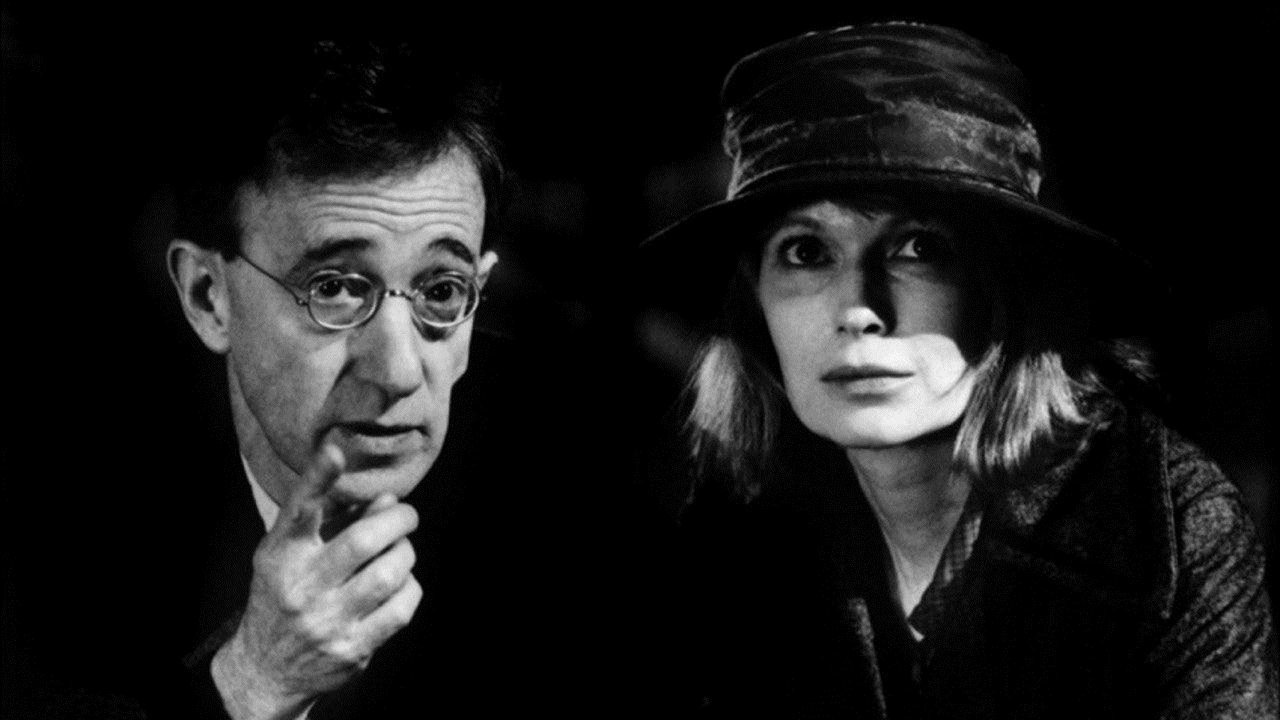
One of the most talked-about aspects of Shadows and Fog, both then and now, is its absolutely sprawling ensemble cast. Beyond Allen and Farrow, you’ll spot John Malkovich as a conflicted circus clown, John Cusack as a searching student, Jodie Foster and Kathy Bates among the women at a brothel, Donald Pleasence as a world-weary doctor, Lily Tomlin, Wallace Shawn, Fred Gwynne... even Madonna makes a brief appearance as a fellow circus performer. It feels like half of Hollywood wandered onto the fog-bound set. While it’s fun spotting familiar faces emerge from the gloom, this star-studded approach does contribute to a sense of diffusion. Few characters, beyond Kleinman and Irmy, get enough screen time to feel fully developed. They exist more as archetypes or brief philosophical mouthpieces within Allen's carefully constructed world. It makes you wonder if managing such a galaxy of stars presented its own unique challenges during production, perhaps pulling focus from the central narrative threads.
Interestingly, the film itself is an expansion of Allen's earlier one-act play, Death, written in 1975. Bringing this stage-born existential dread to the screen allowed him to fully realise the visual landscape he likely envisioned, channeling influences beyond theatre into a purely cinematic experience.
Finding Meaning in the Murk
So, what's it all about? Like Kleinman stumbling through the fog, the film seems less interested in definitive answers and more in posing questions about conformity, the search for meaning in a seemingly hostile universe, the thin veneer of civilization, and the arbitrary nature of fate. The killer becomes almost secondary to Kleinman's personal odyssey of trying to fit in, understand his purpose, and simply survive the night. Irmy's parallel story, finding temporary refuge and unexpected kindness within the bustling, messy life of the circus, offers a counterpoint – perhaps meaning isn't found in grand philosophical designs, but in community and acceptance, however unconventional.
The film wasn't exactly embraced upon release. It grossed a mere $2.7 million against a fairly substantial $19 million budget, making it one of Allen's bigger financial disappointments. Critics were divided; some lauded the stylistic bravura, while others found it a hollow exercise, lacking the wit or emotional depth of his best work. Looking back from the distance afforded by time and countless rentals rewound on VCRs, Shadows and Fog feels like a bold, if not entirely successful, experiment. It’s Allen stepping outside his comfort zone, indulging a passion for a specific cinematic history, and crafting something visually unique within his filmography. It doesn’t always cohere, and the humour (what little there is) feels intentionally muted, almost unsettling against the bleak backdrop.
Rating: 6/10
This score reflects the film's undeniable atmospheric power and visual artistry – it looks incredible and effectively channels its Expressionist influences. However, the somewhat thin narrative, underdeveloped supporting characters due to the sheer size of the cast, and a feeling that the style occasionally overwhelms the substance hold it back from greatness. It's a fascinating curio, a distinct detour in Allen's career that feels perfectly suited for a late-night viewing, letting its strange, foggy mood wash over you.
It might not be the Woody Allen film you revisit most often, but like a lingering dream image, the stark, shadow-drenched streets of Shadows and Fog have a way of staying with you long after the tape clicks off. What does linger most is that oppressive, beautifully rendered fog – a potent symbol for the uncertainties that cloud all our lives, perhaps?