It often starts with a song, doesn't it? A few chords drift from a car radio, maybe a needle drop in another film, and suddenly you're transported. For so many of us who came of age alongside its release, the opening bars of The Temptations or Marvin Gaye instantly conjure the bittersweet reunion at the heart of Lawrence Kasdan’s The Big Chill (1983). More than just a movie, it felt like an invitation – albeit one prompted by tragedy – to spend a weekend eavesdropping on a generation taking stock of itself, set to one of the greatest soundtracks ever compiled.
A Weekend of Reckoning
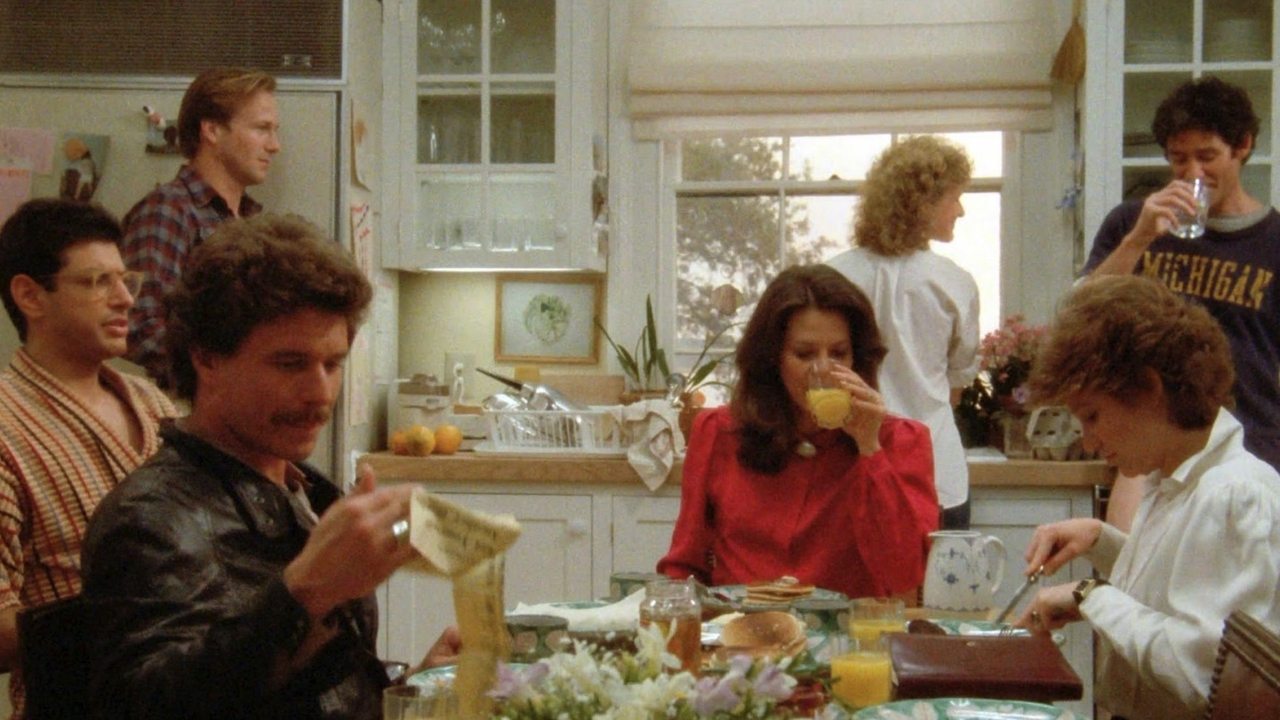
The premise is starkly simple: a group of former college friends, now navigating their thirties in the early 80s, gather for the funeral of one of their own, Alex, who died by suicide. The deceased, conspicuously unseen (more on that later), acts as the catalyst, forcing this once-tight circle – now scattered by careers, marriages, and geography – back into each other's orbits for a long weekend at the sprawling South Carolina home of Harold (Kevin Kline) and Sarah (Glenn Close). What unfolds isn't driven by plot machinations but by conversations, confrontations, shared meals, late-night confessions, and the palpable weight of unspoken history.
This isn't a film about what happens as much as what is felt and what is remembered. Kasdan, co-writing with Barbara Benedek, crafts dialogue that feels remarkably authentic, capturing the specific cadence of old friends who can slip back into familiar roles and shorthand, even as the years have etched new lines of worry and compromise onto their faces. We see the simmering tensions, the lingering attractions, the shared jokes that land only within their specific circle, and the painful awareness of roads not taken. It's a film steeped in the melancholy awareness that the fiery ideals forged in the late 60s have cooled, perhaps inevitably, into the more pragmatic, sometimes disillusioned, realities of adult life in the Reagan era.
An Ensemble For the Ages
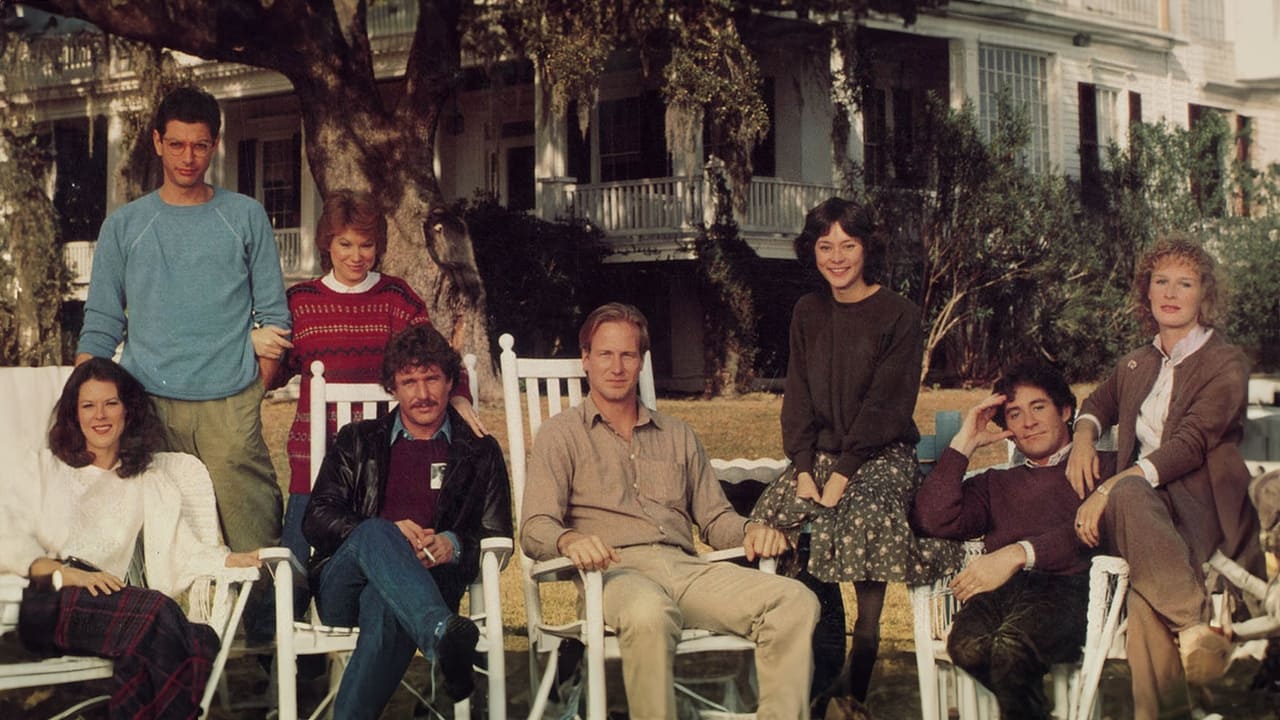
The magic of The Big Chill rests squarely on the shoulders of its extraordinary ensemble cast. This wasn't about star power in the traditional sense; many of these actors were on the cusp of bigger things but weren't yet household names. Kasdan famously had the core cast live together for several weeks before filming began, fostering a genuine camaraderie that translates effortlessly onto the screen. There's a lived-in quality to their interactions that feels utterly believable.
Glenn Close, fresh off The World According to Garp (1982) and earning an Oscar nomination here, is the maternal anchor Sarah, radiating warmth even as she nurses her own deep grief and complex history with the deceased. Kevin Kline provides the stable center as Harold, the successful running shoe entrepreneur whose pragmatism grounds the group. Tom Berenger captures the shallow allure and hidden vulnerability of Sam Weber, the handsome TV actor whose action-hero persona masks uncertainty. Jeff Goldblum, in a role that feels tailor-made for his particular brand of intellectual quirkiness, plays Michael Gold, the cynical journalist perpetually pitching questionable articles.
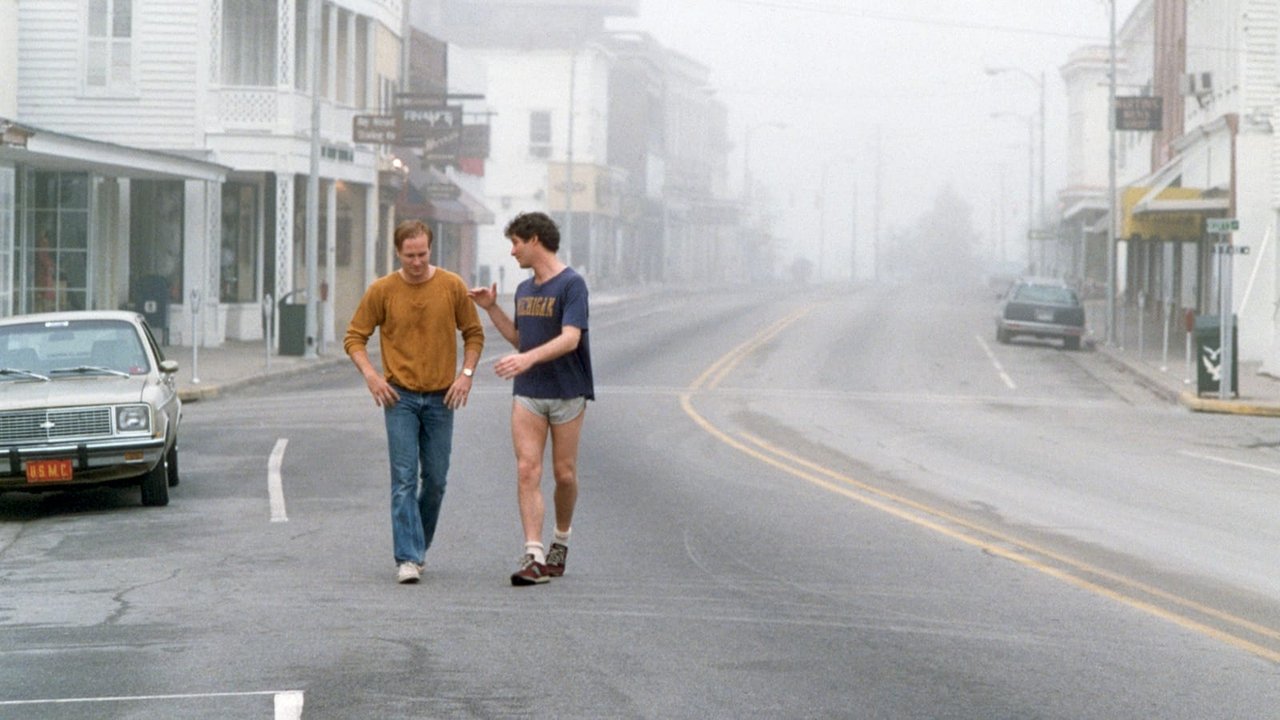
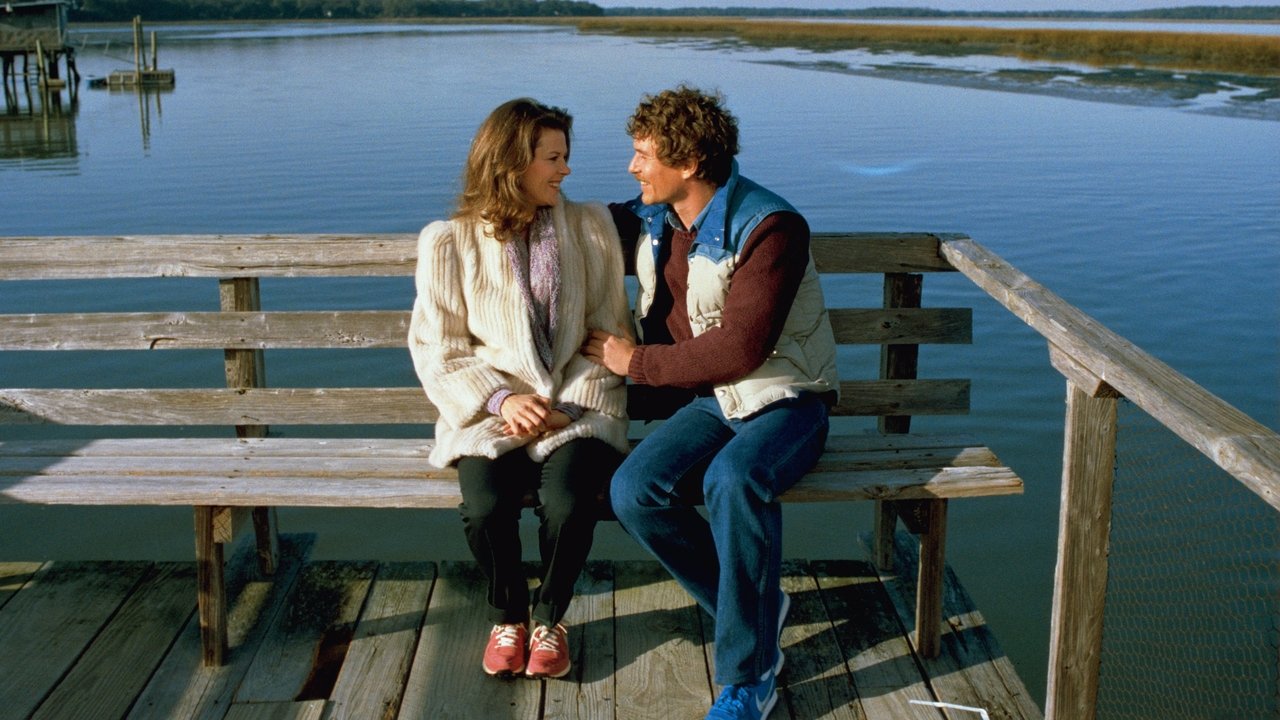
Then there's William Hurt as Nick Carlton, the Vietnam vet psychologist whose experiences have left him detached and drifting, dealing drugs and observing his friends with a wounded, ironic distance. Mary Kay Place gives Meg Jones, the successful lawyer who arrived hoping to ask one of her male friends to father a child, a poignant blend of determination and loneliness. And JoBeth Williams, perhaps best known then for Poltergeist (1982), embodies the quiet dissatisfaction of Karen Bowens, trapped in a stable but unfulfilling marriage and rekindling sparks with Sam. Each performance is a masterclass in nuance, revealing character through subtle glances, reactions, and the spaces between words.
Behind the Chill: Craft and Context
Kasdan, who had already proven his genre versatility writing screenplays for The Empire Strikes Back (1980) and Raiders of the Lost Ark (1981) and directing the neo-noir classic Body Heat (1981), wanted to make something more personal. The Big Chill emerged from that desire, reflecting the anxieties and reflections of the Baby Boomer generation as they entered middle age. Filmed primarily at the picturesque Tidalholm mansion in Beaufort, South Carolina (also the setting for The Great Santini from 1979), the location itself becomes a character – a beautiful, isolated container for the group's emotional unpacking.
The film's most legendary piece of trivia, of course, involves Kevin Costner. Cast as the deceased Alex, Costner filmed several flashback scenes intended to provide context for his character and his relationships with the others. Kasdan ultimately decided these flashbacks disrupted the film's present-tense intimacy and focus on the survivors grappling with the absence of Alex. All of Costner's scenes were cut, except for brief shots of his dressed corpse during the opening credits (where only his wrists and suited torso are visible). Kasdan reportedly promised Costner a role in his next picture to make amends, leading to his casting in the western Silverado (1985).
The soundtrack wasn't just background music; it was integral to the film's identity. Kasdan and Benedek curated the song list largely from their own college-era favorites, playing the Motown hits constantly on set to immerse the actors in the period mood these characters were reminiscing about. The resulting soundtrack album was a phenomenon, a multi-platinum smash that arguably overshadowed the film itself for a time and became a staple in countless households – mine included. I distinctly remember that cassette being played on repeat during family road trips, a tangible piece of the movie extending beyond the VCR. It perfectly captured that blend of upbeat energy and underlying wistfulness. Budgeted at a modest $8 million (around $24.5 million today), the film became a significant success, grossing over $56 million domestically (roughly $171 million adjusted for inflation) and earning critical acclaim, including those three Oscar nominations (Best Picture, Best Supporting Actress for Close, and Best Original Screenplay).
Enduring Resonance
Watching The Big Chill today, decades removed from its original context, is still a potent experience. While some might critique the characters' perceived self-absorption – a criticism often leveled at the generation it depicts – the film's core themes remain powerfully relevant. Who among us hasn't felt the sting of lost idealism? Haven't we all navigated the complexities of long-term friendships, the ways people change and the ways they stay fundamentally the same? Doesn't the passage of time force us all to reconcile the person we thought we'd be with the person we've become? The film doesn't offer easy answers, but it excels at asking the right questions, wrapping them in sharp dialogue, impeccable performances, and that killer soundtrack. It’s a time capsule, yes, but one whose contents still speak volumes.

Rating: 9/10
This score reflects the film's masterful ensemble acting, its intelligent and authentic script, Lawrence Kasdan's sensitive direction, and its iconic, perfectly integrated soundtrack. It captures a specific generational moment with remarkable insight and emotional honesty, crafting a character-driven piece that resonates far beyond its early 80s setting. While its deliberate pacing and focus on introspection might not appeal to everyone, its strengths are undeniable and its execution is superb.
The Big Chill remains a landmark of 80s filmmaking – a thoughtful, funny, and deeply felt exploration of friendship, loss, and the bittersweet process of growing up, even when you thought you already had. What lingers most isn't the plot, but the feeling – that complex cocktail of regret, affection, and shared history, all set to the rhythm of Motown.