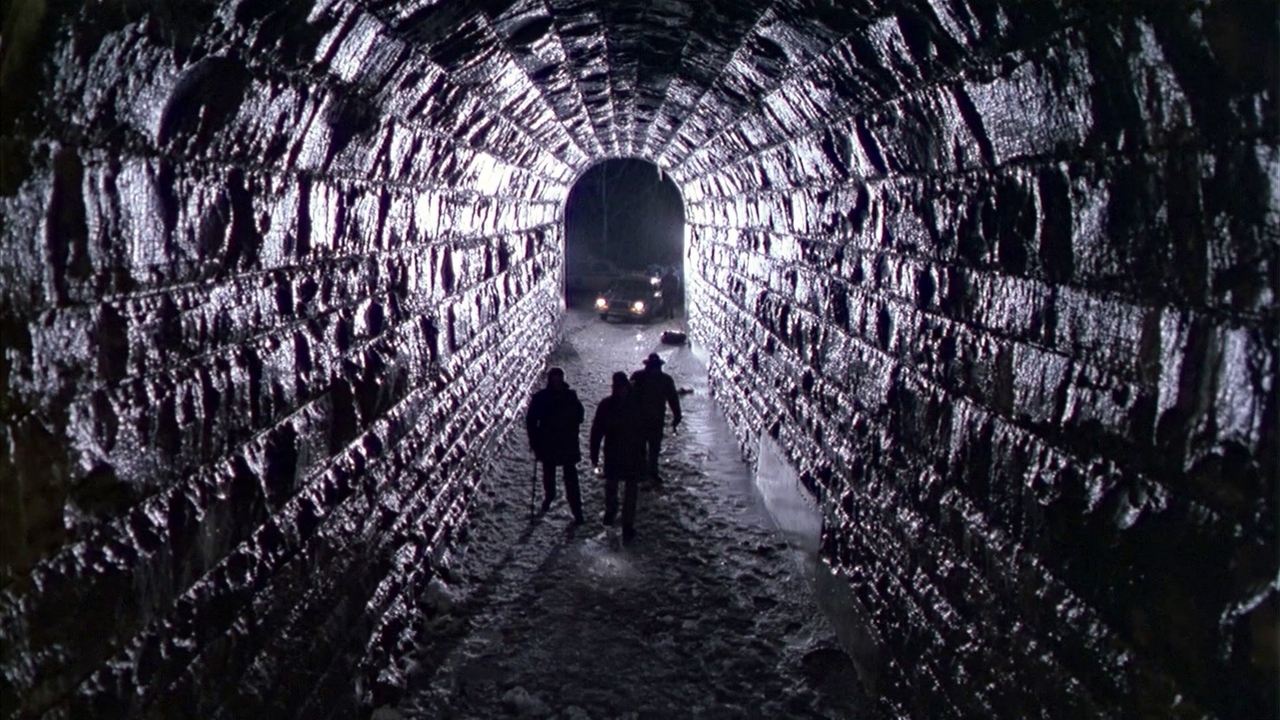
The touch is electric, unwanted. A jolt not of pleasure, but of terrifying clarity. Imagine seeing the worst moments – past, present, future – flash behind your eyes just from a simple handshake. This isn't a gift; it's a curse, a chilling burden carried with haunting resignation by Christopher Walken in David Cronenberg's masterful 1983 adaptation of Stephen King's novel, The Dead Zone. Forget capes and heroic poses; this is the psychic experience as a slow, encroaching dread, a film that settles under your skin like the persistent New England cold it so perfectly captures.
A Life Interrupted, A Future Imposed
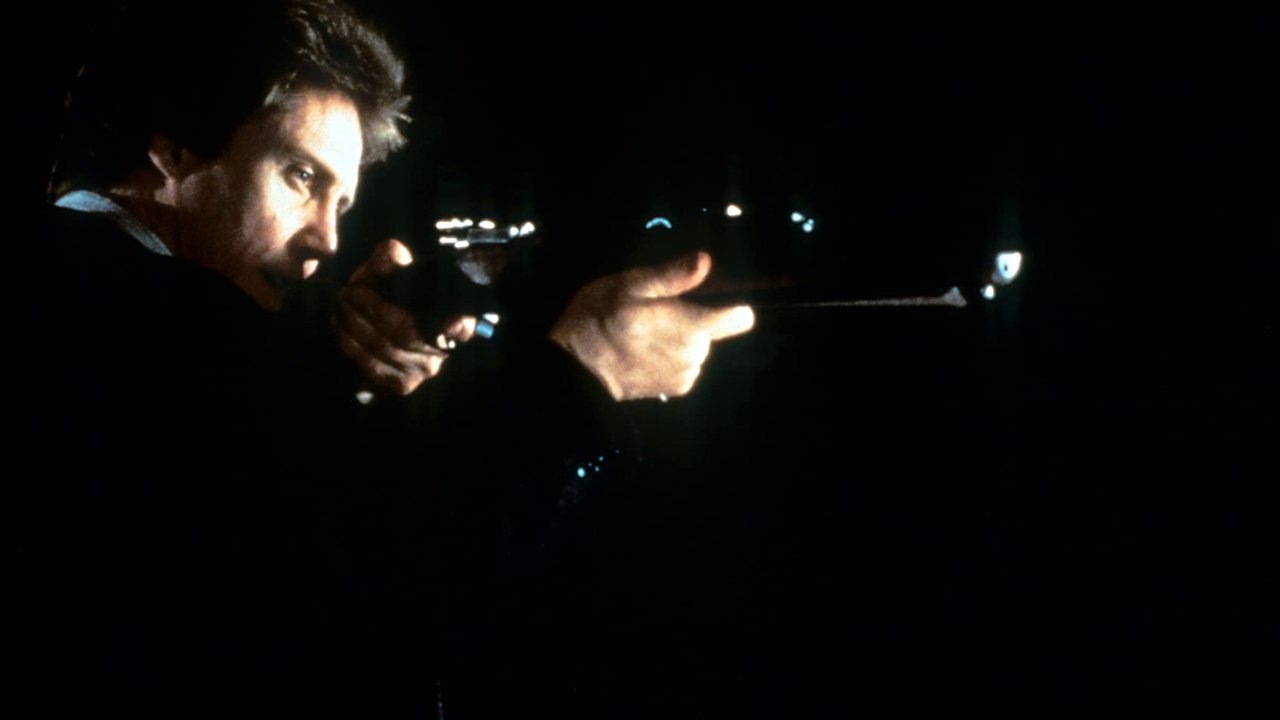
The premise is deceptively simple, yet pregnant with existential horror. Schoolteacher Johnny Smith (Walken) has it all: a job he loves, the affection of fellow teacher Sarah Bracknell (Brooke Adams), and a gentle demeanour. A horrific car crash plunges him into a five-year coma. When he awakens, the world has moved on – Sarah is married, his body is frail – but worse, he now possesses startling psychic abilities triggered by physical contact. He sees a nurse's child trapped in a fire, his doctor's long-lost mother still alive. These aren't triumphant revelations; they are painful, draining intrusions, visions delivered with Walken's signature haunted stillness, making the audience feel the weight of each unwanted glimpse into fate. It's a performance built on nuance, light years away from the flamboyant characters Walken would later embrace. Here, he's all exposed nerves and weary sorrow, a man grappling with a power he never asked for. It's said Walken found the key to Johnny's profound sadness by focusing on the character's intense physical and emotional isolation, often keeping to himself on set to maintain that aura – a dedication chillingly evident on screen.
Cronenberg's Icy Restraint
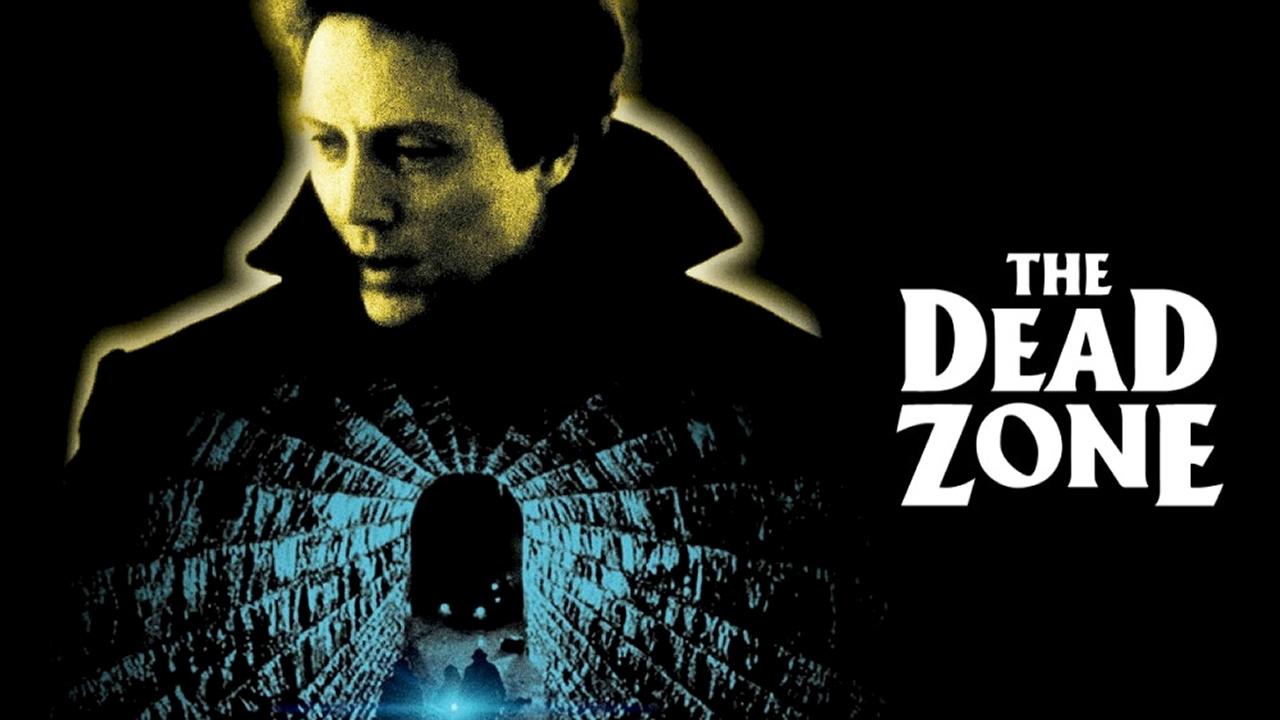
Coming from David Cronenberg, the Canadian maestro of body horror known for visceral works like Scanners (1981) and Videodrome (1983), The Dead Zone feels remarkably... restrained. Yet, the chill is palpable. Instead of outward mutation, the horror is internal, psychological. Cronenberg swaps gore for atmosphere, using the stark, snow-covered landscapes of Ontario (standing in for Maine) to mirror Johnny's profound isolation. The color palette is muted, cold; the pacing deliberate, allowing the dread to build organically. This wasn't the typical path for a King adaptation in the early 80s, often prone to more overt shocks. Cronenberg, working from a lean and effective script by Jeffrey Boam (who'd later pen Indiana Jones and the Last Crusade), focuses intently on the human cost of Johnny's "gift." Interestingly, Stephen King himself has often cited this as one of his favorite adaptations, appreciating how Cronenberg and Boam streamlined the novel's sprawling narrative into a focused, character-driven piece. It’s rumoured King initially envisioned someone like Stanley Kubrick directing, but Cronenberg's clinical yet empathetic approach proved uniquely suited to the material's melancholic core.
Visions That Scar
The psychic flashes themselves are handled brilliantly. They aren't prolonged special effects showcases but brief, jarring bursts of imagery – a burning room, icy water closing overhead, the chilling implications of a political rally. They feel like traumatic memories intruding on the present, conveying the shock and disorientation Johnny experiences without resorting to cheap scares. Michael Kamen's score complements this perfectly, often favouring mournful strings and unsettling dissonance over traditional horror stings. It underlines the tragedy, the sense of impending doom that hangs heavy over Johnny, especially as his path inevitably crosses with the folksy but dangerously ambitious politician Greg Stillson (Martin Sheen, radiating unsettling charisma). Doesn't Stillson’s particular brand of populist menace feel eerily prescient even today?
More Than Just a Thriller
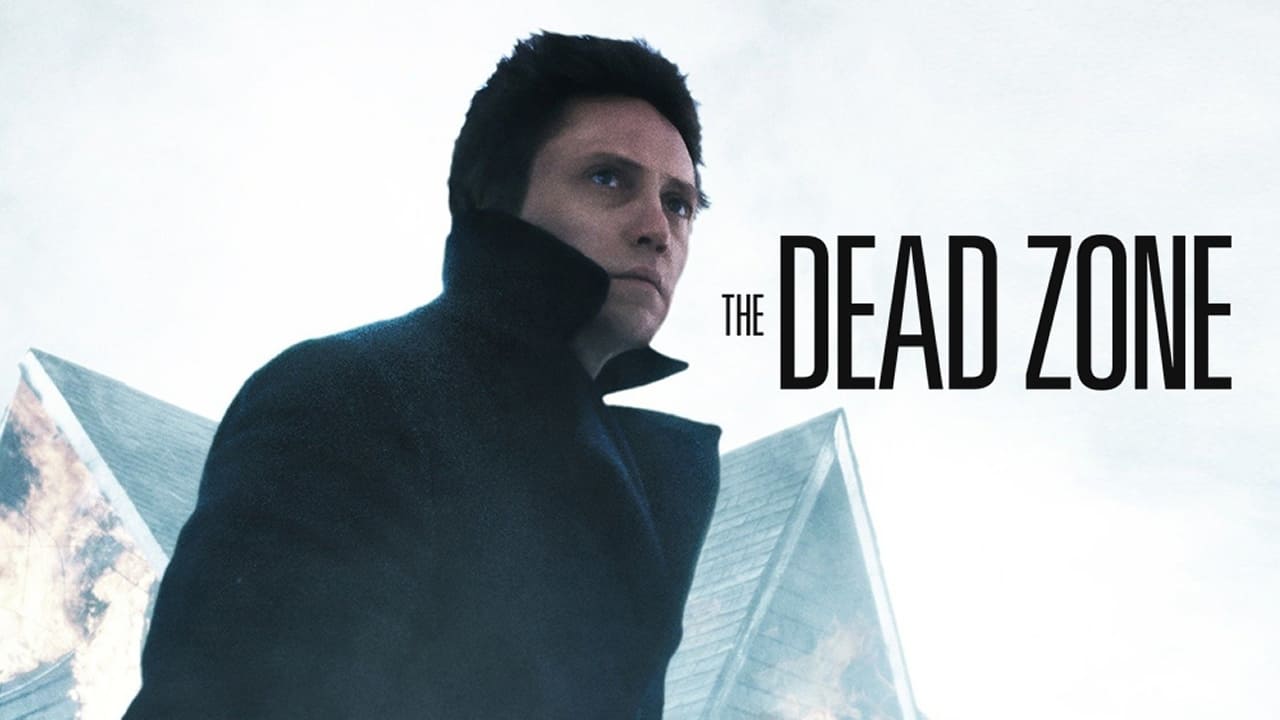
While the plot involves solving a local murder mystery (ably assisted by Tom Skerritt's sympathetic Sheriff Bannerman) and culminates in a confrontation with potential global consequences, The Dead Zone resonates most deeply as a character study. It's about loss, sacrifice, and the terrifying burden of knowledge. Could you live knowing the future, especially if it revealed unimaginable horror? Could you act on that knowledge, even at immense personal cost? These are the questions the film poses, anchored by Walken's career-defining performance. Reportedly, Bill Murray actively lobbied for the role of Johnny Smith, a fascinating "what if" considering the vastly different energy he would have brought. But it's impossible now to imagine anyone but Walken embodying that specific blend of fragility and unnerving intensity. The film’s quiet power might explain its solid, if not blockbuster, performance ($10 million budget turning into roughly $20.8 million box office – a respectable return for a darker studio picture then), earning it enduring respect rather than immediate overwhelming hype.
Legacy of Quiet Dread
The Dead Zone remains a standout not just in the vast catalogue of Stephen King adaptations, but within David Cronenberg's own formidable filmography. It demonstrated his versatility, proving he could craft deeply unsettling experiences without relying solely on visceral shocks. Its influence lies in its atmospheric tension, its prioritisation of character over spectacle, and its willingness to explore the darker, more tragic implications of supernatural abilities. It’s a film that lingers, much like the chilling visions Johnny couldn’t escape. Watching it again on a worn VHS tape somehow felt right – the slightly degraded image quality almost enhancing the bleak, wintry mood. It’s a quiet film, but its silence screams volumes.
VHS Heaven Rating: 9/10
This score reflects the film's masterful direction, Walken's unforgettable central performance, the pervasive and effective atmosphere of dread, and its status as a remarkably intelligent and restrained adaptation of its source material. It avoids genre clichés, focusing instead on profound melancholy and ethical horror, earning its place as a high point of 80s supernatural thrillers.
The Dead Zone doesn't just show you the future; it makes you feel the crushing weight of it, a chilling foresight delivered through the haunted eyes of one of cinema's most uniquely captivating actors. A true classic that proves horror can be heartbreakingly human.