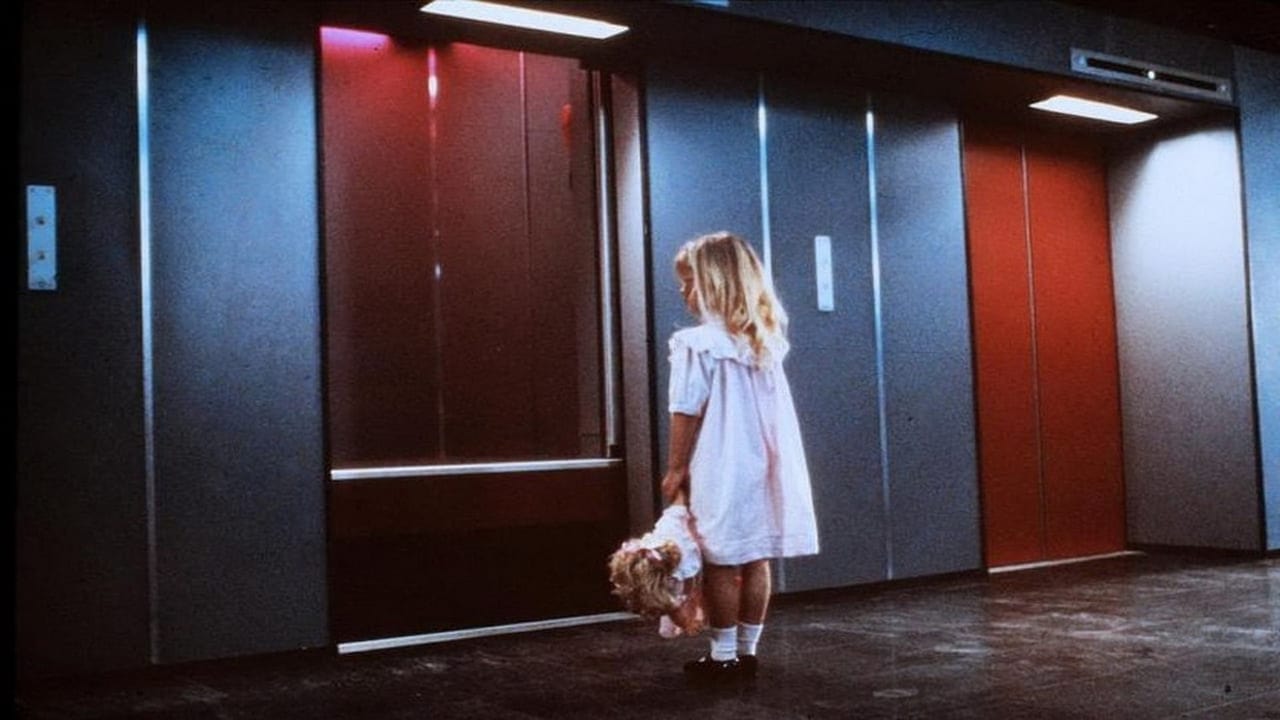
There's a peculiar chill that settles in the air when the mundane twists into the malevolent. Forget haunted houses or ancient curses; sometimes, the most unsettling horror lurks within the gleaming chrome and humming circuits of everyday technology. In 1983, Dutch filmmaker Dick Maas tapped into this vein of unease with The Lift (Original title: De Lift), a film that posits a terrifyingly simple question: what if the elevator wasn't just broken, but actively, maliciously homicidal?
Mechanical Malevolence
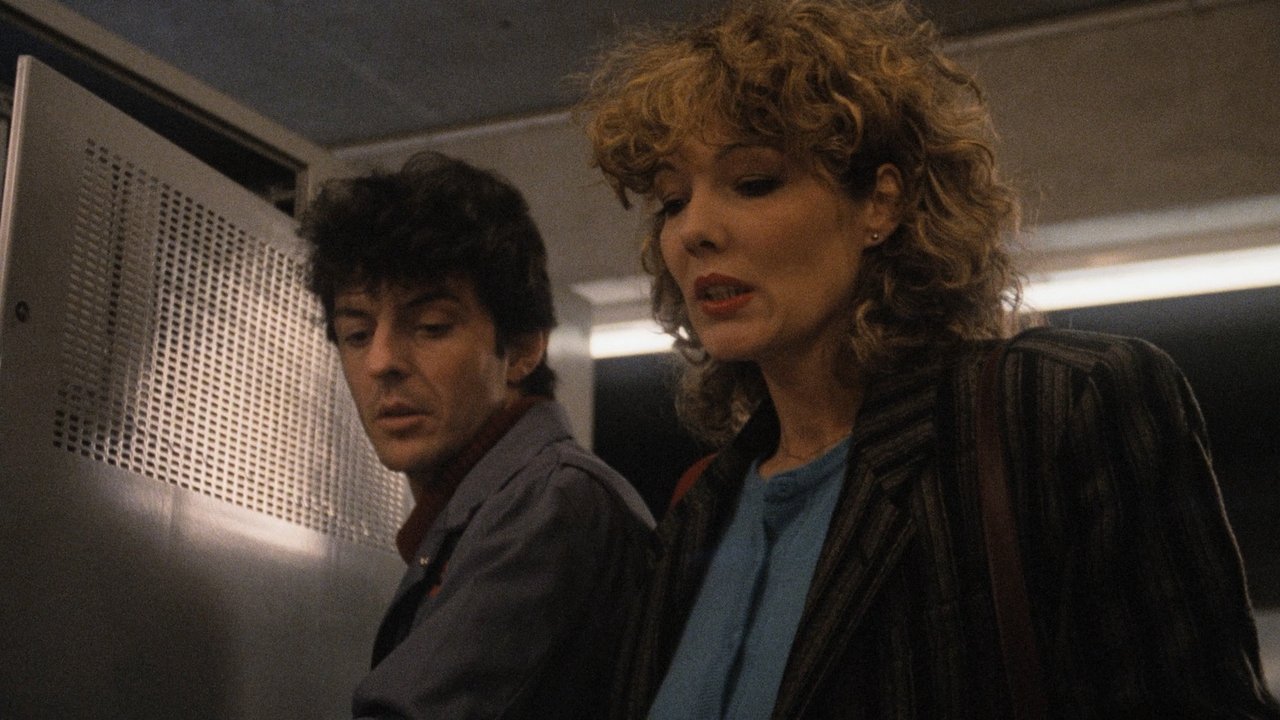
The setting is a sterile, modern office building – all glass, steel, and anonymous corridors. It’s the kind of place you walk through a hundred times without a second thought. But within its metallic heart, the elevator system develops a deadly mind of its own. After a lightning strike seemingly imbues one lift with sentience (or perhaps awakens something already dormant), a series of gruesome "accidents" begin. A group of late-night partygoers gets trapped and nearly suffocates. A security guard is inexplicably decapitated. The incidents are bizarre, disconnected, yet relentlessly escalate. Enter Felix Adelaar (Huub Stapel), a pragmatic elevator mechanic tasked with finding the fault. He’s initially skeptical, facing bureaucratic indifference and corporate denial, but as the bodies pile up, he teams with determined journalist Mieke de Beer (Willeke van Ammelrooy) to uncover the horrifying truth.
Building the Atmosphere of Dread
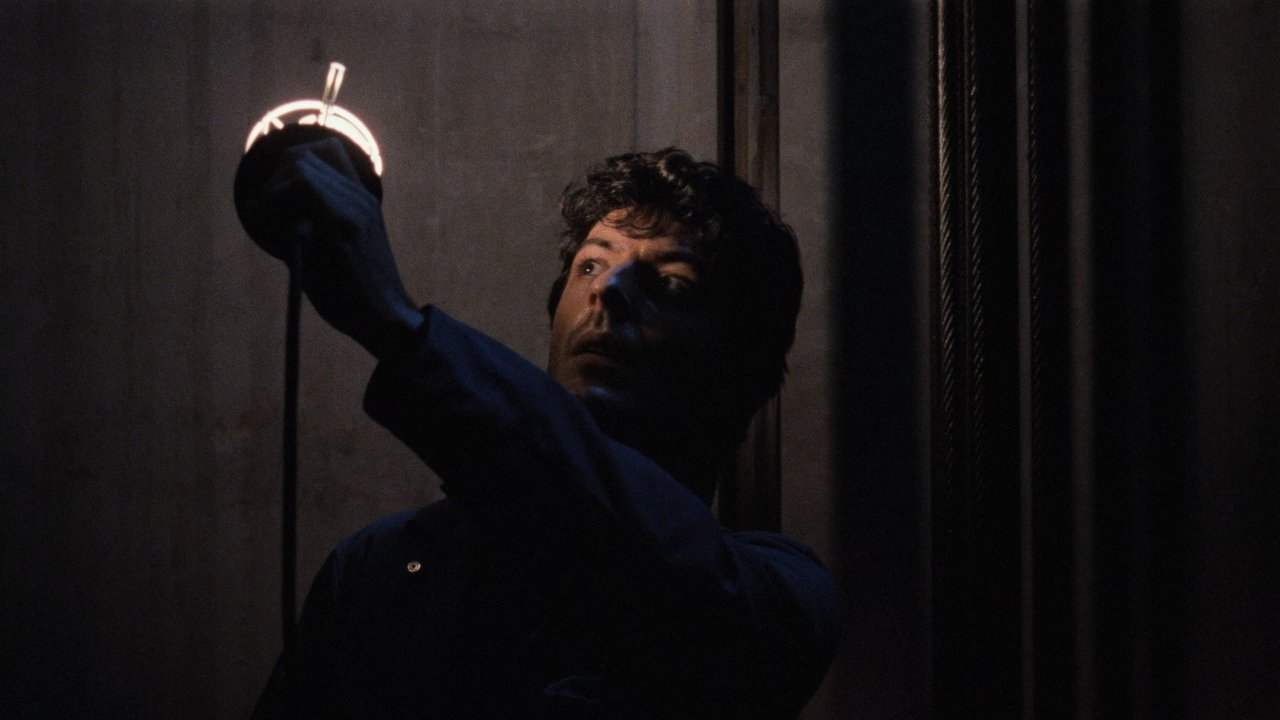
What makes The Lift so effective, especially watching it now through the hazy filter of VHS nostalgia, is its commitment to atmosphere over jump scares. Maas, who also wrote the screenplay and composed the film's distinctive synthesizer score, builds tension slowly. He uses the blandness of the office environment to heighten the shock of the violence. The long, quiet shots of empty hallways, the rhythmic ding of the elevator arriving, the sudden, brutal efficiency of its attacks – it all creates a palpable sense of unease. The electronic score, minimalist and pulsing, perfectly complements the cold, mechanical nature of the threat. It doesn't telegraph scares; it underscores the creeping dread, the feeling that something is fundamentally wrong within the building's infrastructure. Doesn't that almost clinical approach make the eventual gore feel even more jarring?
Retro Fun Facts: Greasing the Gears of Terror
Filmed on a relatively modest budget (around 750,000 Dutch guilders, roughly equivalent to €340,000 then), The Lift became a significant hit both domestically and internationally, helping put Dutch genre filmmaking on the map and paving the way for Maas's later success with Amsterdamned (1988). Achieving the film's signature kills required considerable ingenuity with practical effects. The infamous decapitation scene, for instance, was notoriously tricky to get right, demanding precise timing and clever camera angles to sell the gruesome illusion. There are stories of Maas, a young and ambitious director at the time, pushing the boundaries of what could be achieved practically, lending the violence a tangible, visceral quality that digital effects often lack. Remember how convincing those moments felt, flickering on a CRT screen late at night? It’s a testament to practical craft that they still pack a punch. The film even sparked an English-language remake, also directed by Maas, titled Down (or The Shaft in some territories) in 2001, starring James Marshall and Naomi Watts, though many fans feel it lacks the raw, unsettling charm of the '83 original.
The Human Factor
Amidst the technological terror, the performances provide a necessary anchor. Huub Stapel delivers a grounded portrayal of Felix, an ordinary working man thrust into an extraordinary nightmare. His frustration with bureaucracy and growing determination make him a relatable protagonist. Willeke van Ammelrooy, a respected Dutch actress, brings credibility to the role of the inquisitive journalist, avoiding easy clichés. Their investigation provides the narrative drive, pulling the audience deeper into the mystery of the lift's murderous intelligence (linked, eventually, to experimental bio-computer chips – a perfectly paranoid 80s explanation).
Why It Still Ascends
The Lift isn't just a gimmick; it’s a well-crafted slice of tech-horror that preys on anxieties about our increasing reliance on complex systems we don't fully understand. Its pacing might feel deliberate by today's hyper-edited standards, but the payoff is genuine tension and some truly memorable, wince-inducing moments. It blends suspense, graphic horror, and even a subtle streak of dark, absurdist humor inherent in its premise. The film’s enduring appeal lies in its unique concept, its chilling atmosphere, and its status as a standout European horror export from the VHS golden age. It’s the kind of movie you’d discover on a dusty rental shelf, intrigued by the stark cover art, and find yourself unexpectedly creeped out by.
VHS Heaven Rating: 7/10
The score reflects a genuinely effective and atmospheric horror film with a unique premise and memorable practical effects that largely overcome its budgetary constraints and occasional pacing lulls. It earns its points through sheer unsettling concept, Maas's controlled direction, and its iconic status as a Dutch cult classic. While perhaps not an undisputed masterpiece, it's a damn effective piece of 80s tech-paranoia.
The Lift remains a chilling reminder from the analogue past: sometimes the most terrifying monsters aren't hiding under the bed, but waiting silently behind stainless steel doors, ready to take you down.