The flickering static of a worn VHS tape sometimes hid secrets, didn't it? Like the strange, tangled lineage of a film like Mind Ripper. You slot it in, maybe late on a Friday night after trawling the dusty shelves of the local video store, and you expect a straightforward creature feature. What you get is something born from the shadow of a horror dynasty, a project initially conceived – believe it or not – as The Hills Have Eyes III before taking a sharp turn into its own peculiar brand of sci-fi dread. That knowledge alone adds a layer of curious frost to the viewing experience.
### Desert Experiments Gone Wrong
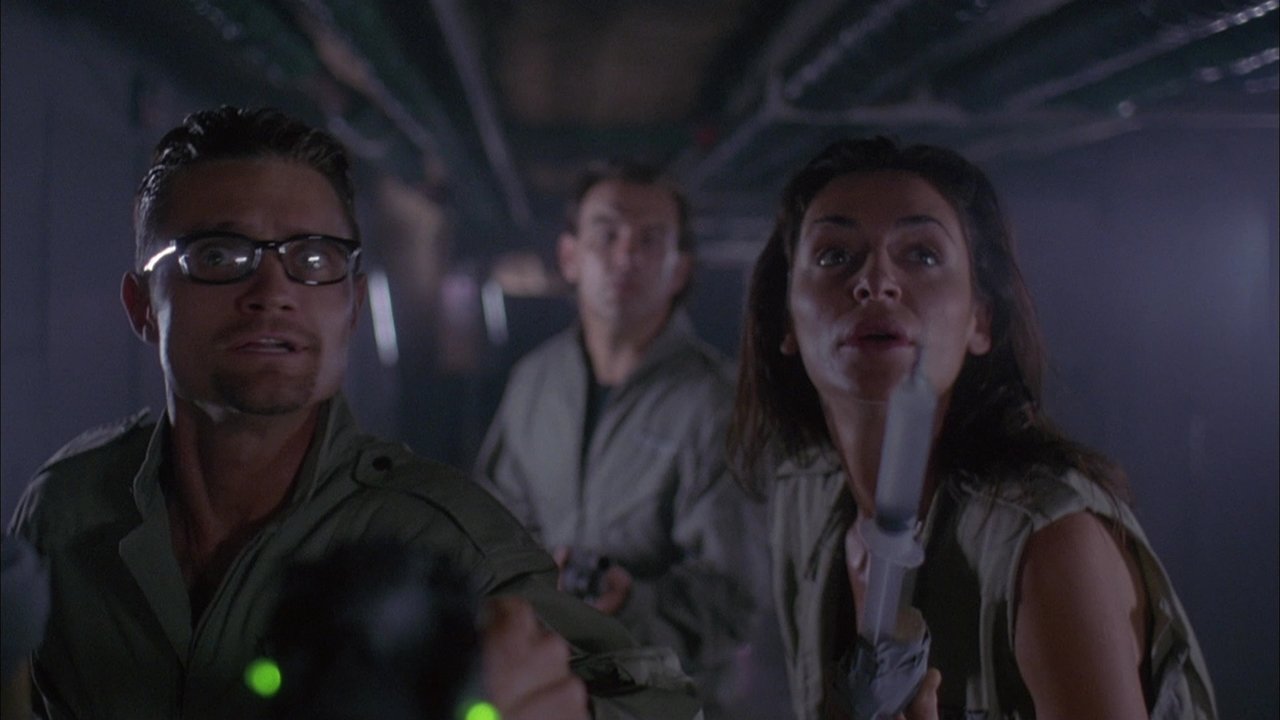
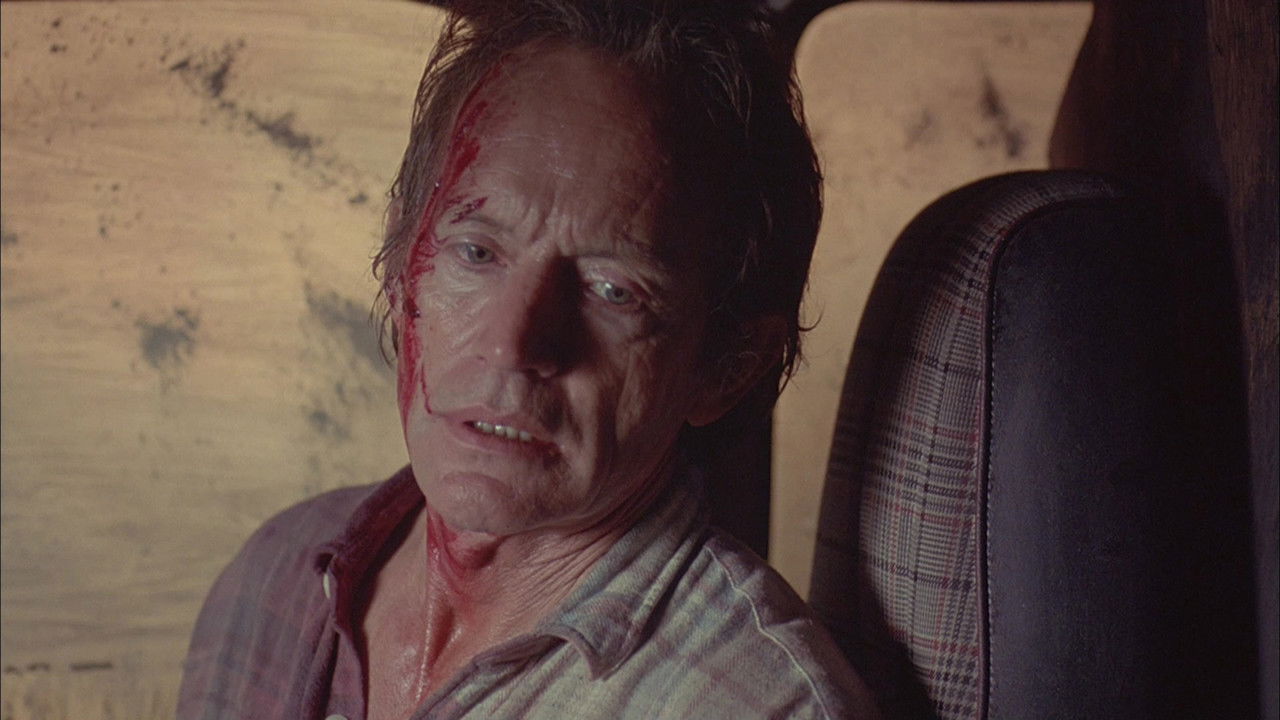
Forget the cannibalistic clans of the desert wastes; Mind Ripper trades sun-baked hills for the sterile, claustrophobic confines of a remote underground research facility. The setup is classic 90s direct-to-video fodder, steeped in the paranoia and bio-engineering anxieties of the time. A top-secret government experiment, designed to reanimate the dead and enhance human potential (because that always ends well), goes predictably haywire. The result? "Thor," a hulking, genetically augmented specimen with a penchant for cranial fluid and escaping containment. Trapped inside with this escalating nightmare are a handful of scientists and security personnel, including the project's disillusioned creator, Dr. Jim Stockton, played with weary gravitas by the one and only Lance Henriksen.
The atmosphere hangs heavy, thick with the hum of failing machinery and the oppressive silence of the surrounding desert. Director Joe Gayton, who also co-wrote the script with Jonathan Craven (yes, son of the legendary Wes Craven), leans into the isolation. The stark, metallic corridors of the lab become a character in themselves, a maze promising only dead ends and terrifying encounters. It's a setting that amplifies the tension – that feeling of being boxed in with something unnatural, something hungry, is palpable, echoing the best kind of late-night cable chillers.
### Henriksen Holds the Line
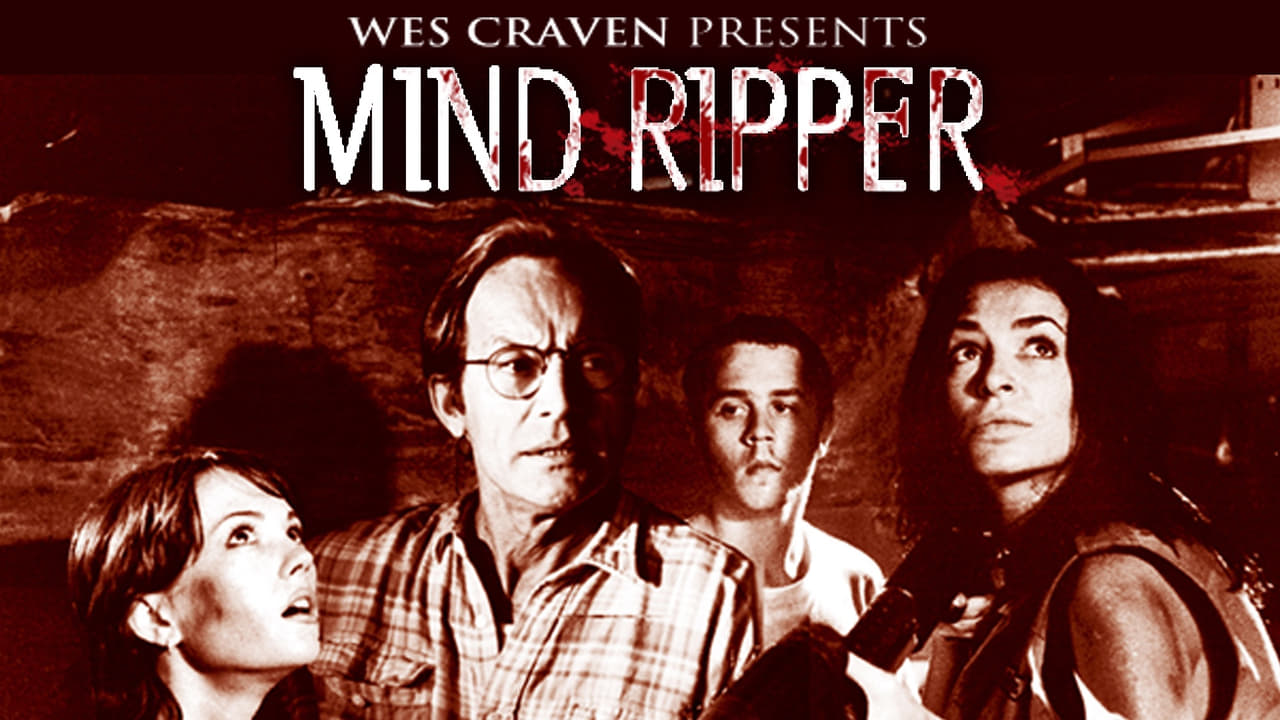
Let's be honest: Lance Henriksen elevates any material he touches. Fresh off memorable roles in films like Aliens (1986) and Near Dark (1987), his presence lends Mind Ripper an immediate credibility it might otherwise lack. As Stockton, he's the tormented anchor, a man haunted by his creation and desperate to protect his estranged family who unfortunately stumble into the unfolding catastrophe. Henriksen doesn't phone it in; his performance is layered with regret and steely resolve. You believe his connection to the monster, his burden of responsibility. It's his grounded portrayal that keeps the sometimes B-movie plot mechanics from completely derailing.
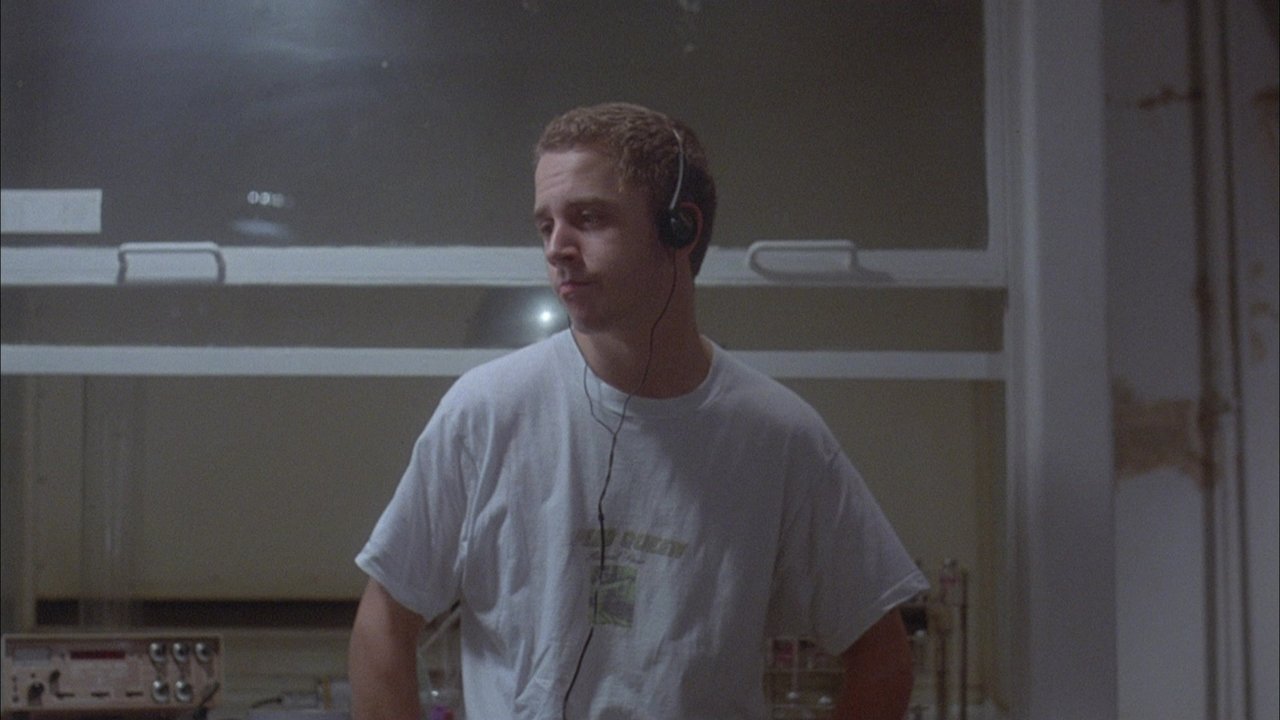
Alongside him, Claire Stansfield holds her own as Joanne, Stockton's colleague, bringing a capable intensity to the role. And familiar character actor John Diehl (Miami Vice, Stargate (1994)) adds another layer of genre veteran presence. The ensemble works serviceably within the confines of the script, reacting to the escalating threat with the kind of panicked energy essential for this type of thriller.
### Creature Comforts (and Discomforts)
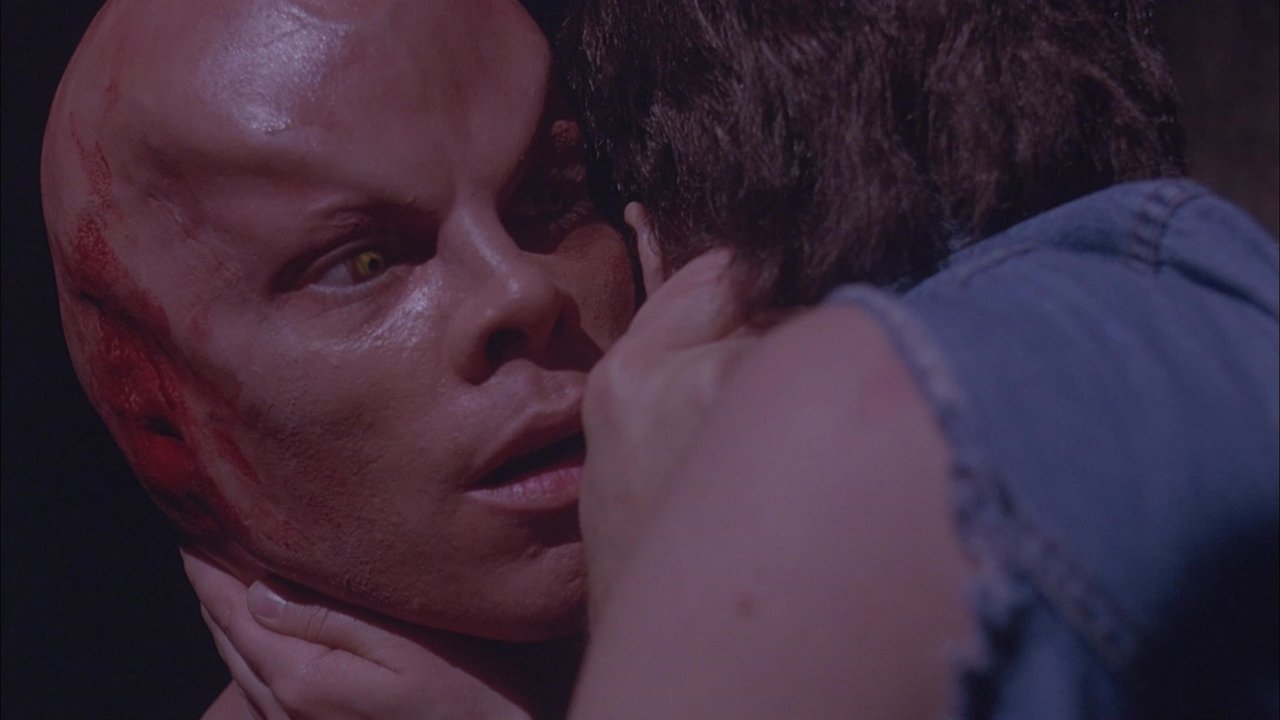
The creature design itself is pure 90s practical effects glory. Thor isn't some sleek CGI phantom; he's a tangible, often grotesque presence. Think enhanced musculature, vaguely reptilian features, and that disturbing titular ability to, well, rip minds (or at least suck out brain-juice through a handy proboscis). Does it look a bit rubbery by today's standards? Absolutely. But back then, viewed on a grainy CRT screen, there was a visceral quality to these physical effects that digital creations often lack. The makeup and prosthetics convey a genuine sense of biological horror, a mutation run amok. It taps into that Cronenbergian body-horror vibe, albeit on a much smaller, direct-to-video budget (reportedly around $2 million – pocket change even then).
The film doesn't shy away from some decent gore gags, either. They might seem tame now, but in the context of a mid-90s HBO premiere or a fresh VHS rental, those moments landed with a satisfying squelch. The tension ramps up effectively in places, utilizing the confined spaces and shadows to maximize jump scares and suspenseful stalk-and-slash sequences.
### Legacy of a Lost Sequel
The Jonathan Craven scripting credit and the Hills Have Eyes connection remain fascinating "what ifs". Imagine that alternate timeline where this story somehow tied back to Jupiter's clan. Instead, Mind Ripper stands as a curious footnote, a solid piece of 90s sci-fi horror that delivers genre thrills without reinventing the wheel. It’s the kind of film that populated video store shelves extensively – competent, atmospheric, and anchored by a great lead performance. It likely played countless times on late-night TV, becoming a half-remembered nightmare for many viewers. It might not be a forgotten masterpiece, but it certainly doesn't deserve complete obscurity. Did it genuinely shock you back then, or was it Henriksen's performance that kept you glued to the screen?
---
VHS Heaven Rating: 6/10
Justification: Mind Ripper earns its points primarily through Lance Henriksen's compelling lead performance and a genuinely claustrophobic atmosphere. The practical creature effects have a certain charm, and the film delivers competent sci-fi horror thrills typical of its direct-to-video era. However, it's held back by a somewhat derivative plot and standard character archetypes. The Hills Have Eyes III connection adds intrigue, but the final product is ultimately a standalone creature feature – a respectable, if not groundbreaking, entry in the 90s horror canon.
Final Thought: It’s a perfect example of the kind of atmospheric, Henriksen-led chiller that felt like a real find on VHS – a solid, slightly grimy slice of 90s bio-horror that still offers a decent jolt.