Okay, rewind your minds just a little past the official end of the 90s, right to the year 2000. Sometimes, a film pops up that feels like a direct echo from the decade we just left behind, carrying that same unvarnished, slightly audacious energy we used to find tucked away on the video store shelves. Tinto Brass's Cheeky (or Trasgredire, its perhaps more fitting Italian title) is exactly that kind of film – a late entry that still smells faintly of worn VHS tape and unapologetic European sensibilities. Forget Hollywood gloss; this is something else entirely.
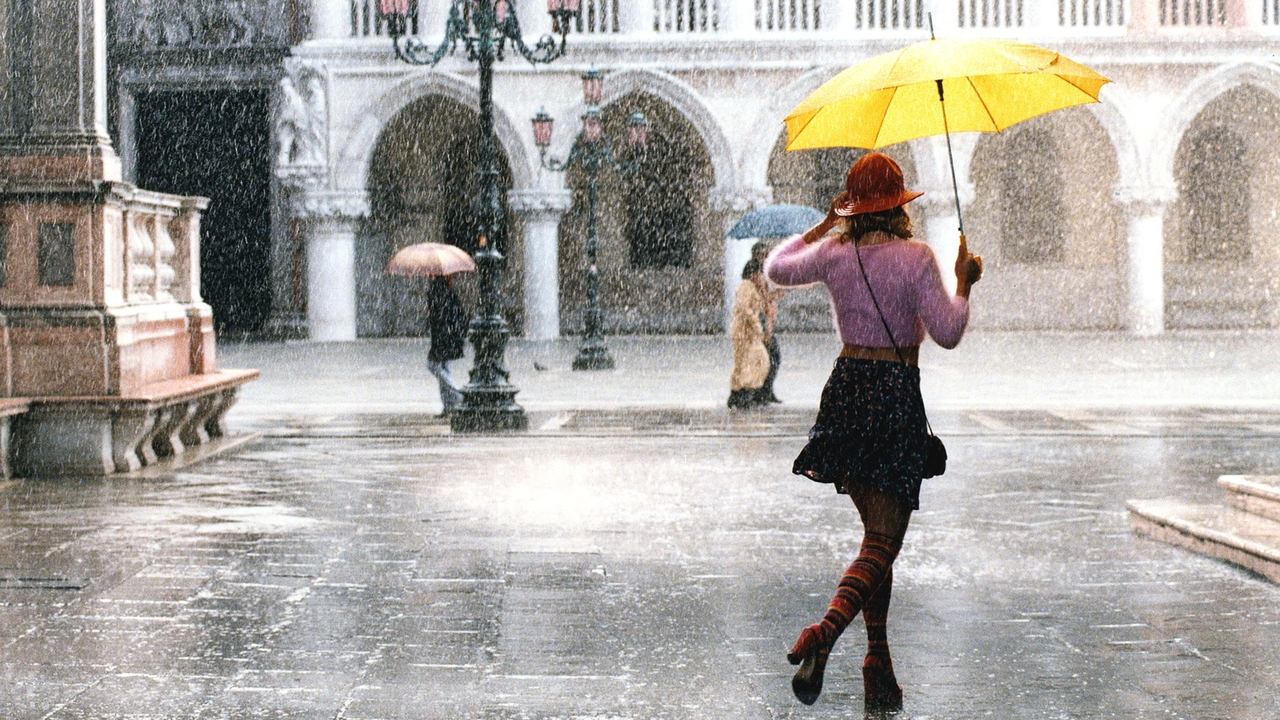
### London Calling, Venice Whispering
The setup is classic Brass territory, deceptively simple yet ripe for exploration. We follow Carla (Yuliya Mayarchuk), a stunning young Venetian woman who arrives in London seeking an apartment and maybe a bit more excitement than her life back home offers. She's staying with her possessive boyfriend, Matteo (Jarno Berardi), but her quest leads her into the orbit of Moira (Francesca Nunzi), a confident, alluring real estate agent who seems to hold the keys to more than just properties. What unfolds is less about plot mechanics and more about Carla's sensual awakening, a journey of exploring desires and boundaries under the watchful, often mischievous, lens of its director. Brass contrasts the sun-drenched beauty and history of Venice in flashbacks with the bustling, sometimes grimy, but liberating anonymity of London, using the locations to mirror Carla's internal shifts.
### The Brass Touch
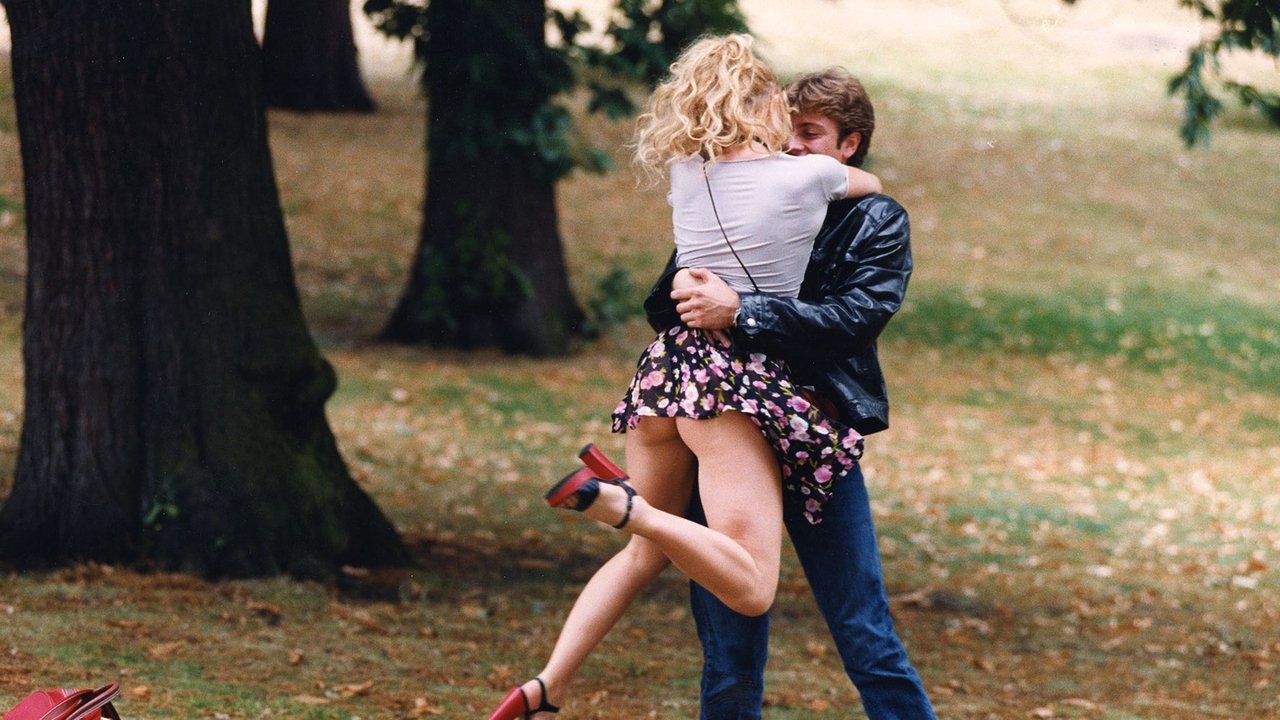
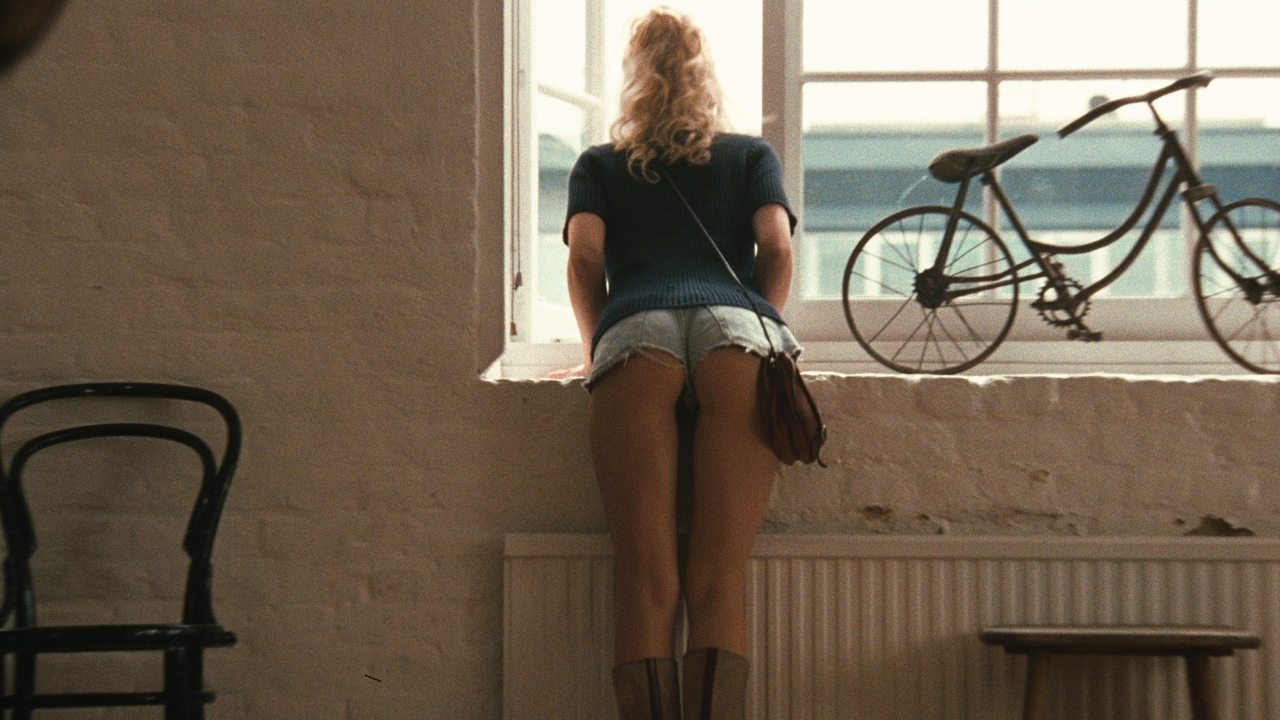
If you knew Tinto Brass's name back in the day – perhaps from the infamous Caligula (1979) or provocative 80s pieces like The Key (1983) – you know what you're getting into. Cheeky is pure, undiluted Brass. His camera is practically a character itself, intimate and unapologetically voyeuristic. Forget sweeping establishing shots; Brass loves his close-ups, particularly lingering on the human form with an almost documentary-like fascination. He famously adored using mirrors to capture reflections and alternative angles, adding layers to the voyeurism, and Cheeky is no exception. It's a style that feels incredibly direct, almost confrontational compared to the often coy nature of mainstream erotic thrillers of the era. There’s a raw, tactile quality here that feels leagues away from the smoothed-over digital aesthetic that would soon dominate. A fun fact for Brass aficionados: the director himself makes his traditional Hitchcock-style cameo, a blink-and-you'll-miss-it appearance that became one of his trademarks.
### A Star is Unveiled
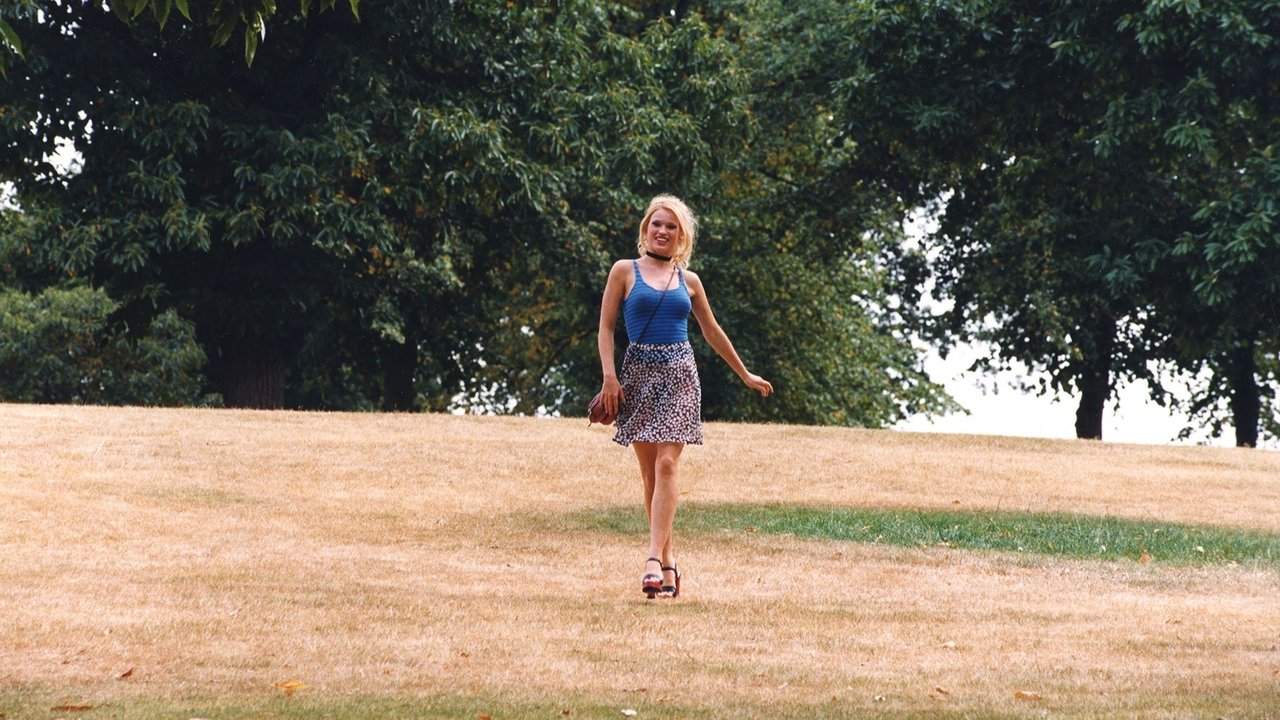
The film absolutely hinges on Yuliya Mayarchuk. Plucked from relative obscurity by Brass (a common practice for the director, who preferred discovering new talent for his specific needs), she embodies Carla with a compelling mix of innocence and burgeoning curiosity. It's a brave performance, navigating the film's explicit nature with a certain grace. You see Carla evolve from slightly unsure girlfriend to a woman actively exploring her own agency and desires, largely through Mayarchuk's expressive face and body language. She carries the film, embodying the "transgression" hinted at by the original Italian title. Supporting players Jarno Berardi and Francesca Nunzi fulfill their roles effectively, representing the opposing forces pulling at Carla – possessive familiarity versus liberating exploration.
### That Late-VHS Era Feel
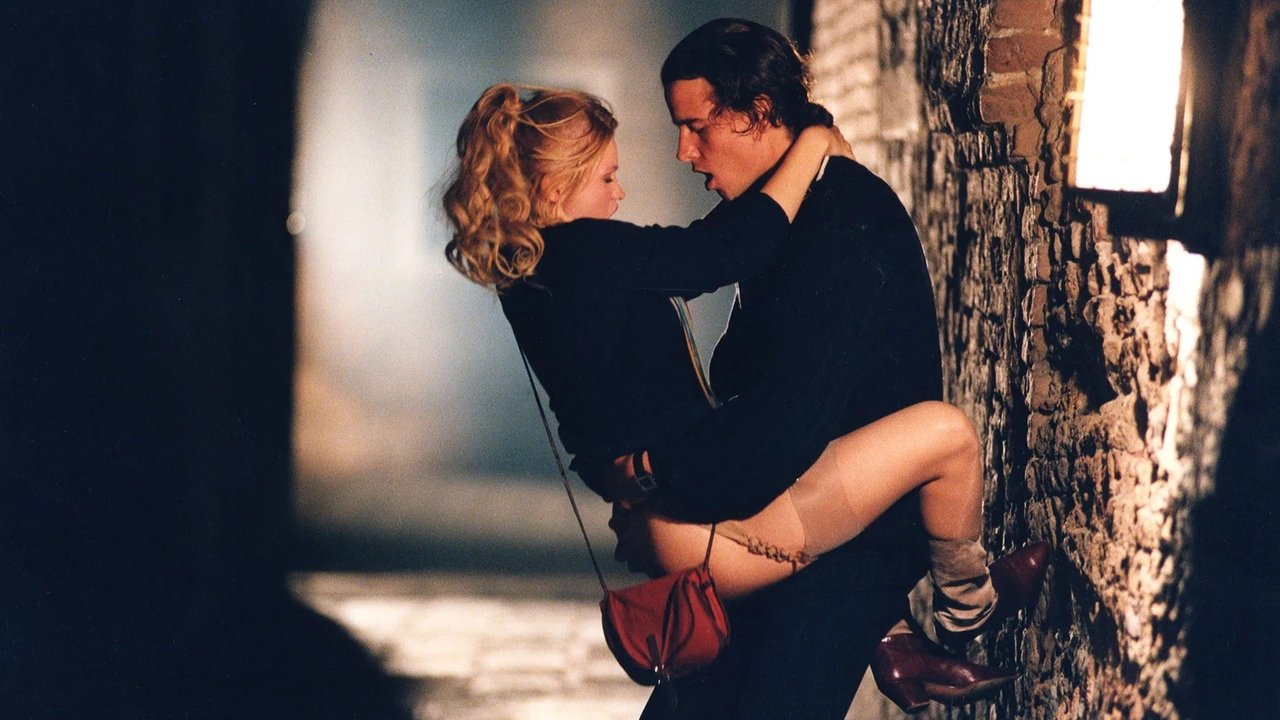
Watching Cheeky now feels like unearthing a time capsule. It lacks the slick polish of even slightly later films. The lighting feels naturalistic, the settings lived-in, the sensuality presented without apology or moralizing overlay. It’s earthy and immediate. Remember how films from overseas, especially those dealing with more adult themes, often had that slightly different texture on VHS, a less homogenised feel? Cheeky captures that perfectly. It’s fascinating to note that while released in 2000, its distribution often bypassed mainstream cinemas outside of Italy, heading straight for the video and DVD markets, making it feel very much like those under-the-counter or top-shelf discoveries from the video rental days. Brass consistently pushed boundaries, and while Cheeky might not have faced the same level of censorship battles as some of his earlier work, its very existence felt like a cheeky (pun intended) continuation of a certain kind of European cinematic freedom.
### For the Adventurous Viewer
Let's be honest, Tinto Brass isn't for everyone, and Cheeky is no different. It’s an erotic film first and foremost, focusing on sensuality, voyeurism, and female self-discovery through a very specific male gaze – albeit one arguably more celebratory than predatory, depending on your interpretation. The narrative is loose, serving primarily as a framework for Carla's experiences and Brass's visual preoccupations. If you're looking for complex plot twists or deep character arcs beyond the central theme, you might be disappointed. But if you appreciate Brass's unique style, or are curious about European erotic cinema at the turn of the millennium that still carried the flame of 80s/90s audacity, Cheeky offers a fascinating glimpse. It’s direct, unashamed, and possesses a visual candor that feels almost quaintly rebellious today.
Rating: 6.5/10
Justification: While undeniably niche and perhaps narratively thin for some, Cheeky is a well-executed example of Tinto Brass's signature style. Yuliya Mayarchuk delivers a captivating central performance, and the film successfully evokes a specific mood and exploration of its themes with unapologetic visual flair. It loses points for the somewhat slight plot and the fact its appeal is inherently limited, but for fans of the director or curious viewers seeking something outside the norm that still echoes the direct-to-video spirit, it delivers exactly what it promises.
Final Thought: Cheeky is like finding that slightly risqué European import on the video store shelf you weren't sure you should rent, but did anyway – a bold, visually distinct reminder of a time when cinematic sensuality felt less filtered and far more... well, cheeky.