Dust motes dance in the projector beam, or maybe it's just the flicker of the old CRT. Some images burn themselves onto your memory, don't they? For me, one of those is David Bowie, gaunt and desperate, aging decades in mere minutes within a sterile waiting room. That sequence from The Hunger (1983) isn't just makeup; it's a visual distillation of the film's icy heart – the terror of mortality clashing with the promise of eternity, wrapped in the slickest, coldest style the early 80s could muster.
### Eternal Style, Mortal Coil
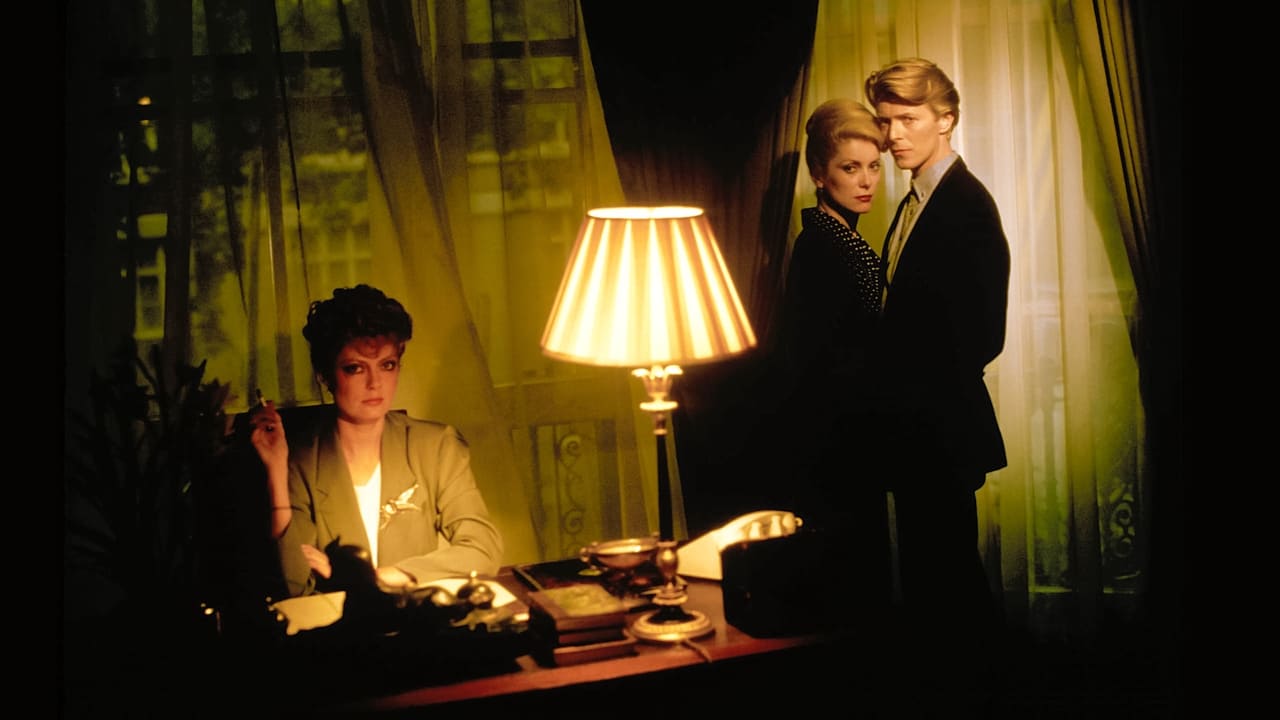
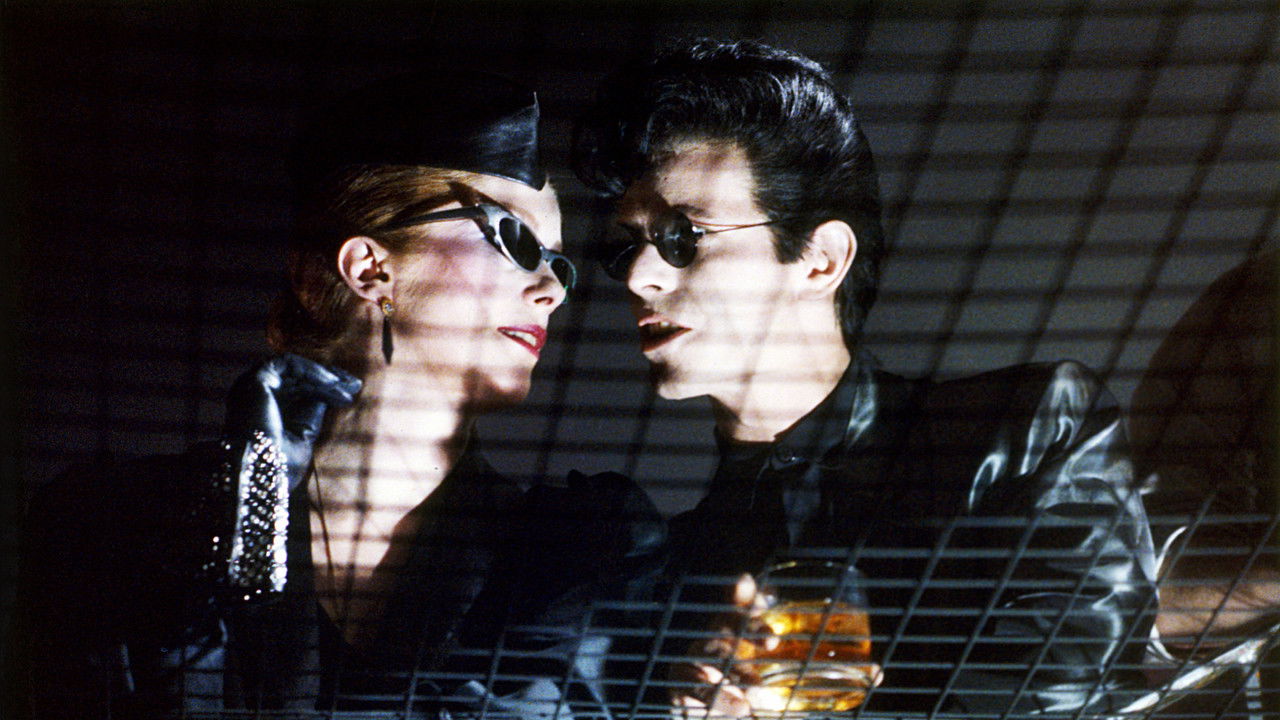
Directed by a young Tony Scott, making his feature film debut after honing his eye in the high-gloss world of advertising, The Hunger isn't your typical gothic vampire flick. Forget cobwebbed castles and swirling fog. Scott, who would later define the decade's action aesthetic with Top Gun (1986), drenches this tale in urban decay and haute couture. Shot through with billowing curtains, shafts of blue light, and an almost predatory focus on textures – silk, skin, stone – the film looks like a million dollars (or rather, its estimated $10 million budget). It opens with Bauhaus performing "Bela Lugosi's Dead" in a neon-lit nightclub, intercut with primal monkey footage – a statement of intent setting the stage for a film that’s as much about primal urges dressed in designer clothes as it is about bloodlust. It's a cold beauty, isn't it? Detached, elegant, and utterly ruthless.
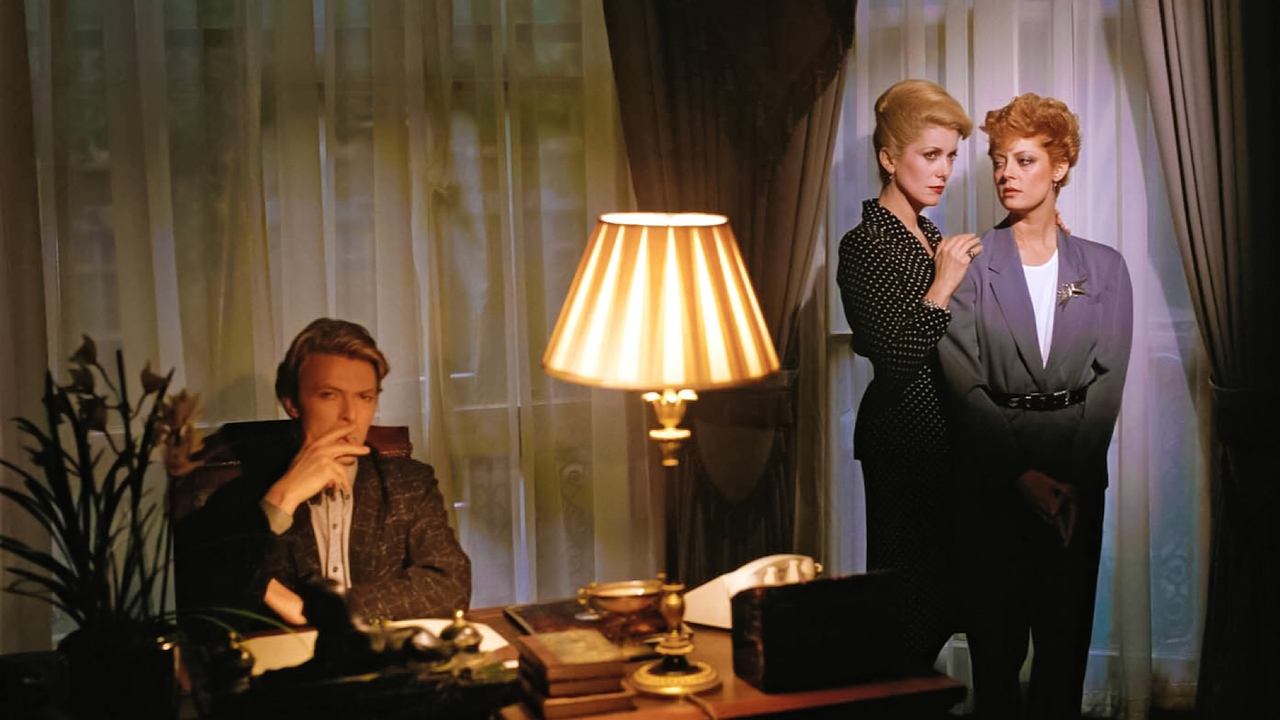
The plot, adapted from Whitley Strieber's novel, centers on Miriam Blaylock (Catherine Deneuve), an ancient Egyptian vampire dwelling in a chic Manhattan townhouse with her current consort, John (David Bowie). Their sophisticated existence – filled with classical music, art, and the occasional stylish murder – is shattered when John, promised eternal life but not eternal youth, begins to age uncontrollably. His desperate search for a cure leads him to Dr. Sarah Roberts (Susan Sarandon), a gerontologist researching premature aging, pulling her into Miriam's chilling orbit.
### A Trinity of Ice and Fire
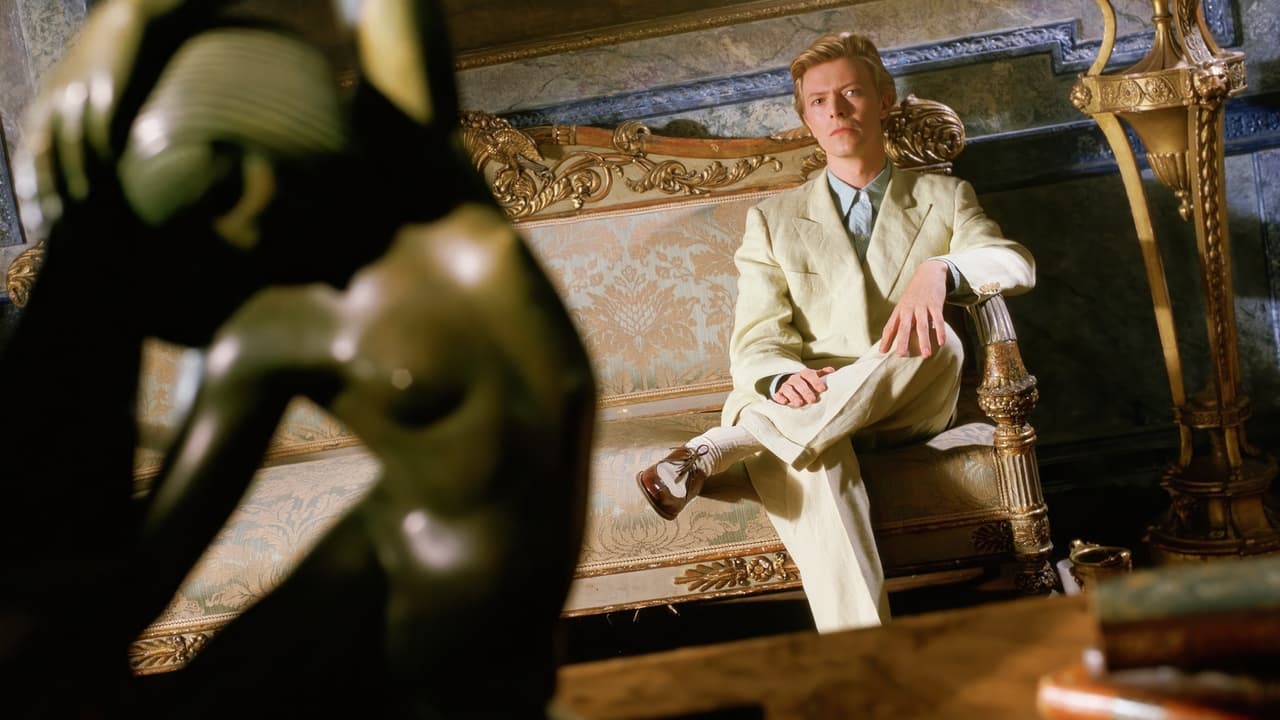
The casting here is near perfect. Catherine Deneuve embodies Miriam with an ethereal chill; she's less a creature of passion and more one of possessive collecting, eternally seeking companionship but incapable of true connection. Her performance is all glacial stares and quiet control. It's said Deneuve perfectly captured the essence Scott envisioned – an aloof, almost untouchable predator. Opposite her, David Bowie, reportedly hesitant to take another "alien" role after The Man Who Fell to Earth (1976), brings a tragic, fragile intensity to John. His physical decline is heartbreakingly portrayed, a rock star fading not into obscurity, but into dust. And then there's Susan Sarandon, fresh off acclaimed roles and bringing a necessary warmth and intellectual curiosity as Sarah. The chemistry between Sarandon and Deneuve, culminating in that famously sensual, slow-burn encounter, was groundbreaking for its time and remains a masterclass in charged eroticism, even if Sarandon later spoke about the challenges of filming such an intimate scene under Scott's very technical direction.
### The Decay Beneath the Gloss
Let’s talk about the horror. The Hunger largely eschews jump scares for a pervasive sense of dread and body horror. The undisputed masterstroke is John's rapid aging, conceived by the legendary makeup artist Dick Smith (the genius behind The Exorcist's horrors). The multi-stage process was reportedly arduous for Bowie, involving hours in the makeup chair, but the results are unforgettable and deeply unsettling. Even now, watching him crumble feels visceral. Doesn't that sequence still feel unnerving? The film’s other iconic nightmare fuel is the attic – Miriam's collection of previous lovers, not dead but trapped in eternal, decaying consciousness. It’s a uniquely cruel twist on the vampire mythos, highlighting Miriam’s profound selfishness and the true horror of her "gift."
Interestingly, while the film was met with mixed reviews upon release – critics were often baffled or put off by its emphasis on style over narrative substance – its influence, particularly within the goth subculture, grew exponentially through VHS rentals and late-night TV airings. That stark, elegant aesthetic and brooding soundtrack became hugely influential. The abrupt, perhaps studio-mandated ending feels somewhat unsatisfying, leaving threads dangling, but maybe that ambiguity adds to its strange power.
### Lasting Bites
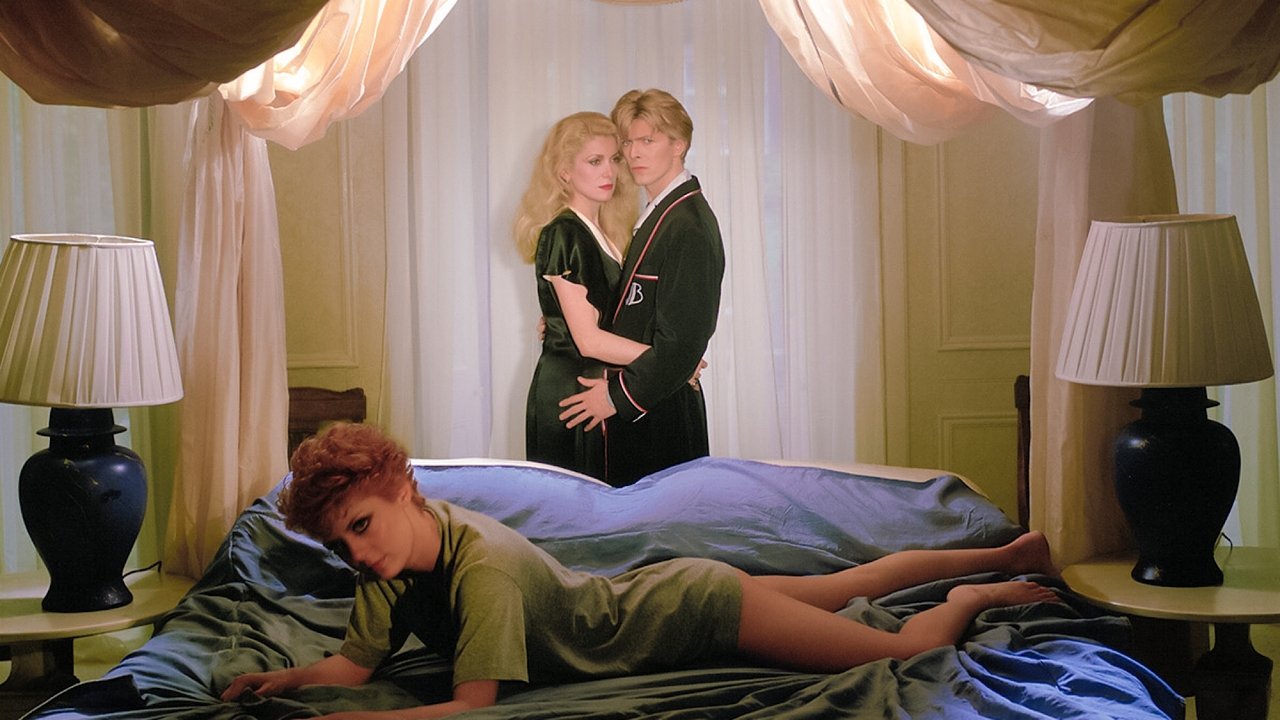
The Hunger isn't a perfect film. Its narrative can feel thin compared to its overwhelming visual presence, and the pacing occasionally drifts. Yet, its power lies in that very imbalance. It’s a mood piece, an exercise in atmosphere and existential dread presented with unparalleled visual flair. It captures a specific type of 80s cool – sophisticated, detached, and darkly glamorous – while delivering moments of genuine, skin-crawling horror. I remember seeing that striking VHS cover in the rental store, promising something adult, dangerous, and unlike the Hammer horrors I'd grown up with. It delivered.
Rating: 8/10
The score reflects its iconic status, unforgettable performances, groundbreaking practical effects, and unique atmosphere, docked slightly for narrative thinness and an abrupt conclusion. The Hunger remains a singular entry in the vampire genre – less about folklore, more about the chilling intersection of eternal life, inevitable decay, and damn good tailoring. It proved that horror could be achingly beautiful, even as it showed you the rot beneath the surface.